Iino UFO Museum

Iino UFO Museum

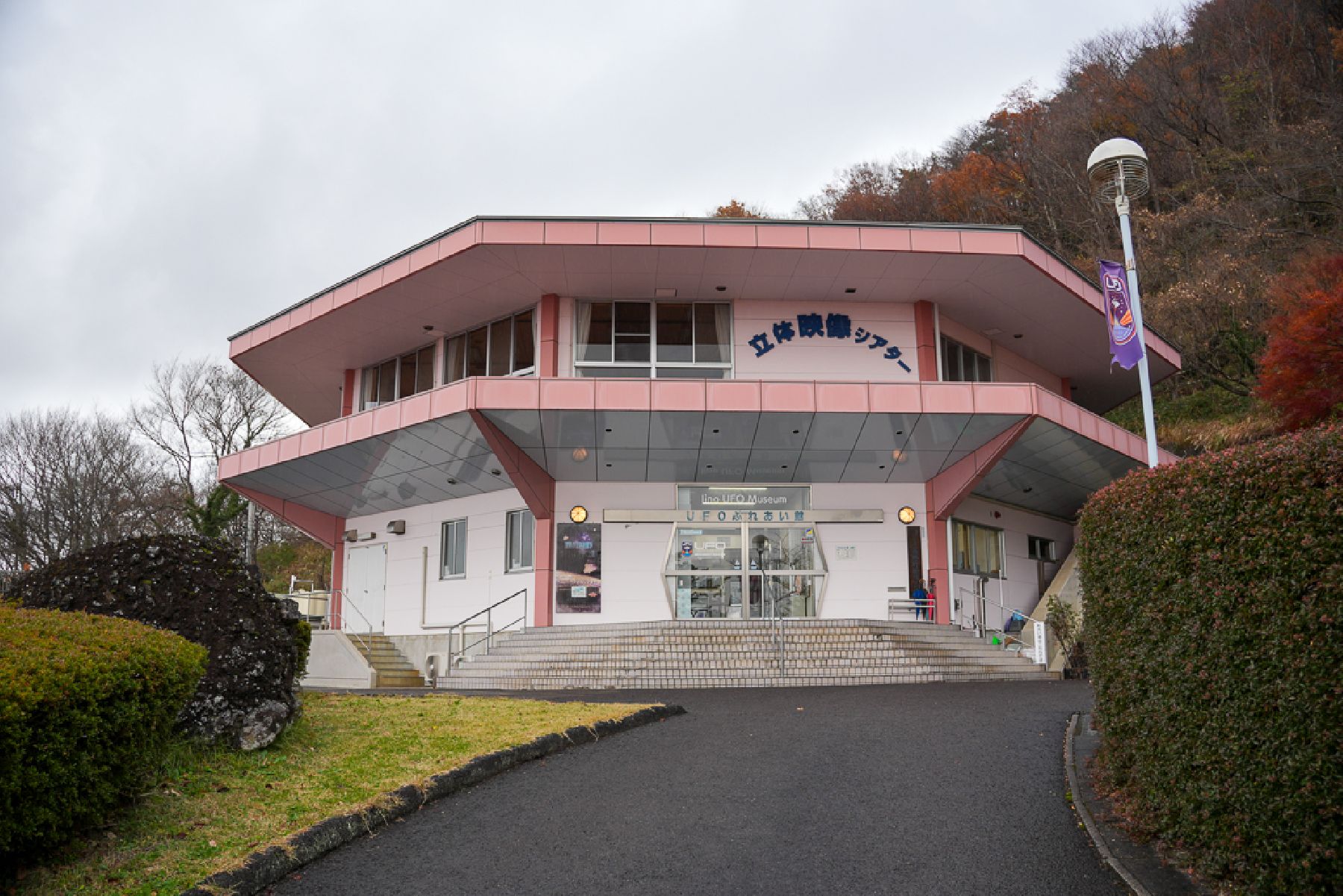
Iino is known as the 'UFO no Sato' (UFO Village) for its track record of sightings of luminous or unexplained flying objects. The UFO Museum tracks some of that history, as well as the wider history of UFO sightings worldwide featuring photographs and historical documents.

There are also speculative models of possible extraterrestrial life and their spaceships, and a 3D cinema showing a short film exploring the mysteries of the local area.

The second floor of the building features relaxation rooms and a public bath.

Across from the museum, there is a souvenir store with alien-themed merchandise, in addition to a ramen restaurant with a similarly-themed menu.

Please be aware that most displays are in Japanese with only sporadic English.

Venue Details

Venue Details
Websitehttps://ufonosato.com/(Japanese)
Best SeasonAll Year
Opening Hours

09:00 - 17:00

Closed on Mondays

ParkingFree
Entrance Fee400 yen adults, 200 yen children
Access Details
AccessOtegamimori-1-299 Iinomachi Aoki, Fukushima, 960-1303
View directions
Getting there

By Car: 22 min drive from Fukushima Station

By Bus: 26 min bus from Fukushima Station, 11 min walk from Goshoguruma 御所車 bus stop

Nearby

The World Glassware Hall
Museums & Galleries

Fukushima City Minka-en Open-Air Museum

Traditional structures from northern Fukushima built between the Mid-Edo to Meiji era (1700 – 1912) – including restaurants, private houses, storehouses, and even a theater – have been relocated to Fukushima City Minka-en Open-Air Museum.At Minka-en these buildings are restored and displayed to the public, along with a range of artefacts and tools used in daily life in years gone by.Also, a number of special events, such as sword-smithing demonstrations, are held every year to celebrate and promote traditional folk crafts and skills.
The World Glassware Hall
History & Culture

Takashiba Dekoyashiki (Takashiba Craft Village)

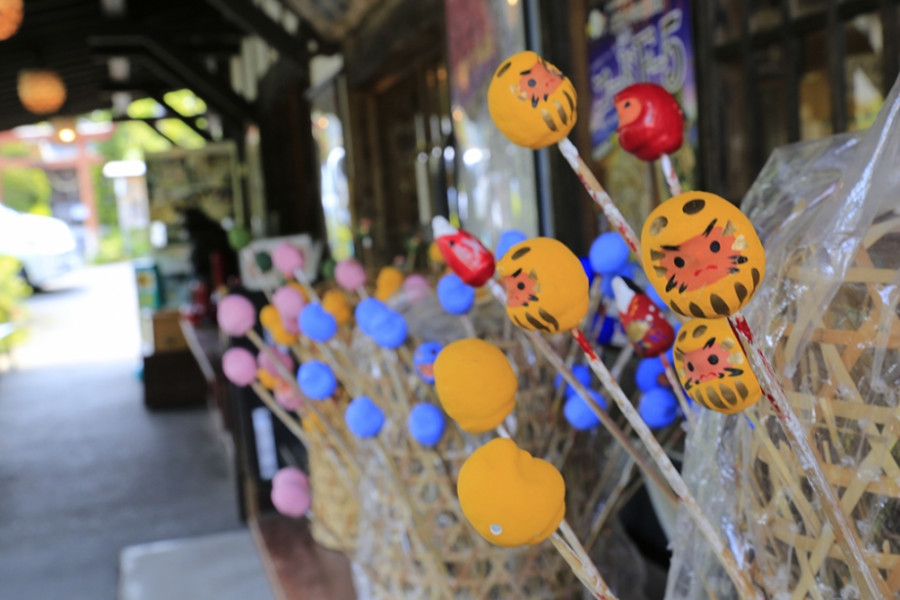
A traditional craftsmen's village bestowing an air of the olde-worlde. The papier-mâché crafts of the town, made lovingly by hand for generations, will bring a smile to your face. Takashiba Dekoyashiki is an historical craftsmen's village, and was at one time under the protection of the Miharu feudal domain. Dating back 300 years to the Edo Period, this community is said to have been born when a traveller from Kyoto taught the people how to craft papier-mâché dolls using a special paint called 'nikawa'. Take a walk through the nikawa-scented streets of Takashiba Dekoyashiki and step into the Japan of old. Visitors can try their hand at painting various traditional crafts, including the Miharu-koma horse wooden doll.

The World Glassware Hall
Gourmet & Shopping

TATAMI VILLAGE

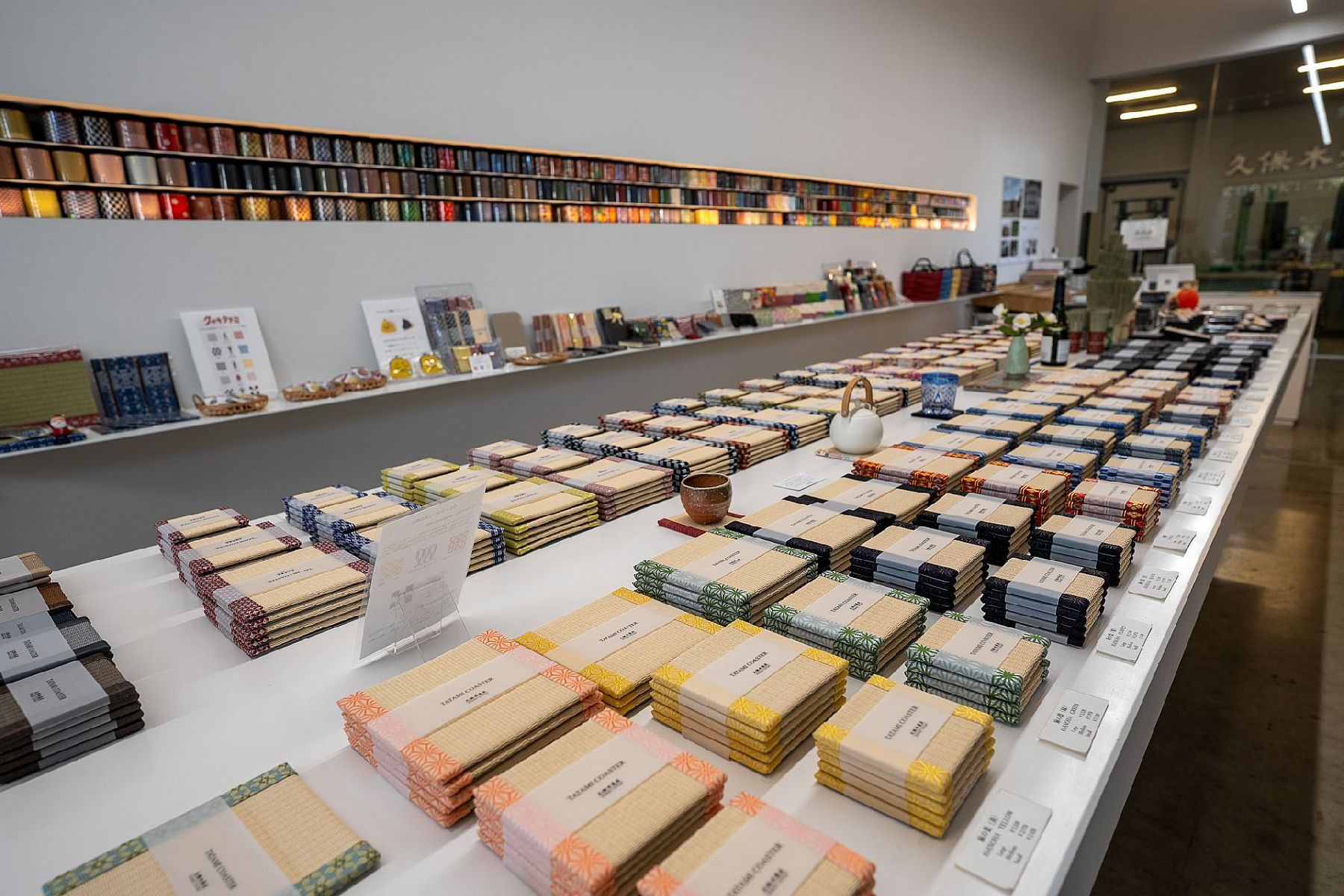
TATAMI VILLAGE (Kuboki Tatami Shop) is a shop, cafe, and workshop in Sukagawa City in Southern Fukushima prefecture. The Kuboki Tatami business was founded in 1740 in Sukagawa and is currently run by the 15th generation of the same family. ‘Tatami’ is a kind of woven mat made with rush grass frequently used as flooring in traditional Japanese-style rooms. Kuboki Tatami is not only dedicated to flooring, but also makes tatami coasters, smartphone mats, and accessories made with tatami-heri (a kind of ribbon used to fasten the sides of a tatami mat).At Tatami Village, visitors can make a tatami coaster to take home as a souvenir (reservations here), with the experience and tour taking about an hour to ninety minutes. Additionally, the cafe on site serves matcha and seasonal sweets, and features a modern, bright space that uses tatami elegantly.

You might also like

Fukushima Prefectural Museum of Art
Museums & Galleries

Fukushima Prefectural Museum of Art

Fukushima Prefectural Museum of Art, located at the foot of Mt. Shinobu on the north side of Fukushima City, houses over 2,000 pieces of art, including paintings, block prints, carvings, craft works, and more. Some highlights of the museum's collection include paintings by Shoji Sekine and woodblock prints by Kiyoshi Saito, both of whom were born in Fukushima Prefecture, as well as a collection of impressionist art, and 20th century paintings by artists such as Ben Shahn and Andrew Whyeth.

Fukushima City Minka-en Open-Air Museum
Museums & Galleries

Fukushima City Minka-en Open-Air Museum

Traditional structures from northern Fukushima built between the Mid-Edo to Meiji era (1700 – 1912) – including restaurants, private houses, storehouses, and even a theater – have been relocated to Fukushima City Minka-en Open-Air Museum.At Minka-en these buildings are restored and displayed to the public, along with a range of artefacts and tools used in daily life in years gone by.Also, a number of special events, such as sword-smithing demonstrations, are held every year to celebrate and promote traditional folk crafts and skills.
Eiji Tsuburaya Museum
Museums & Galleries

Eiji Tsuburaya Museum

This is a museum dedicated to Eiji Tsuburaya the “Father of Tokusatsu,” or, the “Father of Japanese special effects.” There are exhibits relating to many of the monsters, “Kaijyu,” that are featured in many of Tsuburaya’s films including a Godzilla suit and Mothera egg!Eiji Tsuburaya is from Sukagawa City so you will also find statues around town of various Kaijyu and Ultraman characters from the Ultra-series, a series that was primarily created by Tsuburaya.©円谷プロ

Top