Useful Information
5 Famous Cherry Blossom Spots in Fukushima... and 5 Hidden Gems for 2026
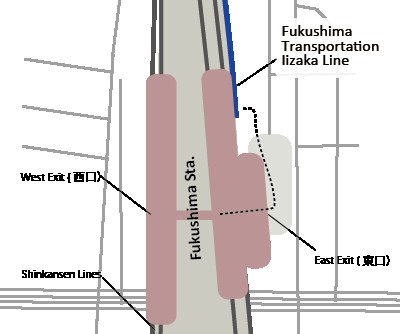
Being such a huge prefecture, Fukushima has an abundance of beautiful cherry blossom locales across all three of its main regions. In this article we'll introduce some of Fukushima's most famous picturesque scenes - the ones you'll see on the travel brochures - as well as a selection of hidden gems that don't see as much foot traffic.If you're looking for every cherry blossom spot in one place, check our Google Maps list.Where possible, this article lists the usual period in which the area reaches full bloom. In 2026, this is likely to be slightly earlier than previous years due to a warmer winter.Fukushima's Five Most Famous Cherry Blossom Spots1. Miharu Takizakura, Miharu TownConsidered by many to be Japan's most beautiful single cherry tree, Miharu Takizakura - literally 'waterfall cherry blossom' - is one of the oldest, if not the oldest, such tree in the country. Visitors flock from all over Japan to visit Takizakura, making it one of the busier spots on this list, but the tree is so massive it's easy to take beautiful photographs.It's worth turning up early if you want to beat the crowds, although there is always plenty of parking thanks to several overflow parking areas. There are food stalls and seating lining the route up to the tree, so many visitors choose to spend the afternoon at the tree, eat at the food stall area, then return up the slope for the night-time illuminations.Usual blooming period: Mid-April (above photos taken 17 April 2025)2. Hanamiyama, Fukushima CityThe rolling hillsides of Hanamiyama are situated east of Fukushima City, where you can see vibrant colours of pink, white and yellow from early to mid-April. Previously a private field, Hanamiyama was opened to the public in the 1950s and has steadily grown into one of Tohoku's most famous cherry blossom spots.There are a variety of walking courses that visitors can choose from based on length and difficulty, although even the longest course, to the highest viewpoint over the valley, is still suitable for most people.The easiest way to get to Hanamiyama is to take a bus from the east exit of Fukushima Station. During the blooming season, buses run regularly and cost in the region of 500 yen for a round trip.Usual blooming period: Early to mid-April (above photos taken 9 April 2025)3. Nicchu Line Weeping Cherry Blossoms, Kitakata CityOnce a part of a wider railway line, this three-kilometre stretch features over 1,000 cherry trees that form a waterfall effect on either side as you walk. This is the rare popular photo spot that doesn't feel overly crowded thanks to its sheer length and number of cherry trees, and the south entry to the promenade is only a short distance from the station.The steam engine that once ran here is still on display, and there are places to stop and relax, as well as food stalls operating throughout blossom season. This makes it an excellent option to try 'hanami', the Japanese spring tradition of having a picnic while cherry blossom watching.Kitakata City is also a great place to visit with a rich history as a ramen and sake brewing heartland, so for some ideas of where else to visit while you're in town, see our related article about Kitakata.Usual blooming period: Late April (above photos taken 21 April 2025)4. Tsurugajo Castle, Aizu-Wakamatsu CityThe massive fortress of Tsurugajo Castle, which stands at the centrepoint of Aizu-Wakamatsu City, is one of Fukushima's best-visited tourist spots in any season, but especially beautiful in spring. The castle grounds are full of cherry trees, especially in the grove on the west side of the keep. There is space to lay out picnic blankets, while the nearby tourist information kiosk sells ice cream and snacks to enjoy while you admire the scenery.The history of Tsurugajo Castle traces back to the Boshin War of 1868, where it was the site of a bloody siege by the forces of the Emperor against the Aizu Domain clan of samurai. The interior of the keep is now a museum dedicated to that battle and those who died in it, while the top floor is an observatory with panoramic views over the city and surrounding area.Usual blooming period: Mid- to late April (above photos taken 21 April 2025)5. Kaiseizan Park, Koriyama CityIf you're a Pokemon fan - or even if you're not - the sprawling grounds of Kaiseizan Park are a must-visit in cherry blossom season for its charming atmosphere. One of Fukushima's four Chansey Parks is based here, a children's play park styled after Fukushima's official support Pokemon.The rest of Kaiseizan Park features a large pond, an array of different flowers, another large play park and ample space for hanami viewing. Food stalls run during cherry blossom season, including across the road at Kaiseizan Shrine, which is also worth a quick visit while you're in the area.The rare inner-city cherry blossom spot in Fukushima, Kaiseizan Park is a short bus ride from Koriyama Station, alighting at Koriyama City Hall.Usual blooming period: Mid-April (above photos taken 17 April 2025)Five Hidden GemsLooking for some lesser-known sleeper spots with great scenery?1. Yonomori Sakura Tunnel, Tomioka TownTomioka is something of a hidden gem itself in Fukushima - evacuated in part in the aftermath of the 2011 disaster, the town has been rebuilding over the last decade and is once again known for its woodland walks and beautiful cherry trees. The sakura tunnel here has been known historically as one of the most striking sights of Tohoku's east coast, now made all the more special for its efforts to rebuild.A cherry blossom festival, combining the traditional sakura viewing with stage performances like yosakoi dancing and taiko drumming, is held on the first weekend of April. For years the festival was unable to be held in the aftermath of the evacuation of parts of the east coast, but nowadays it has returned to being a yearly event.Looking to visit Tomioka Town? You can access the area and enjoy the scenery via a Footpath walking course.Usual blooming period: Early April (2025 full bloom was around 8-10 April)2. Kannonji-gawa River, Inawashiro TownThe parallel rows of Yoshino cherry trees flanking the Kannonji-gawa River make for a stunning sight in both day time and night time, when the trees are illuminated by an area of multi-coloured lights. The combination of the lush banks, pink cherry blossoms and calming river make a stroll here one of Fukushima's best-loved cherry blossom spots with locals.It's also very accessible, sitting only a minute's walk or so from Kawageta Station, while food stalls selling a variety of Japanese festival food are available on the east bank of the river.A trip to Kannonji-gawa combines well with a visit to the wider Inawashiro region, famous for Japan's fourth-largest lake. If you're in the area, you might consider a trip to Hanitsu Shrine, the Tenkyokaku former imperial villa, or the 'Umbrella Sky' installation at Inawashiro Herb Garden.Usual blooming period: Mid- to late April (above photos taken 24 April 2025)3. Mogi Station, Koriyama CityAlthough a smaller station primarily used for school commutes, Mogi Station totally changes in sakura season thanks to its vibrant wall of cherry blossoms behind the southern platform.For photographers looking to get a shot of the train and the blossoms together, only the last train of the evening arrives at the platform nearest the trees. Most prior arrivals arrive to the platform nearest the station, which also has some cherry blossoms behind it that make for nice photographs.Visitors to the station should be aware that parking can be limited, especially around train arrival times when locals are picking up family members. Please be considerate of the area residents during busy cherry blossom season!Usual blooming period: Mid-April (above photos taken 17 April 2025)4. Fujita River, Koriyama CityFukushima is blessed to have several rivers that are flanked by cherry trees for a long stretch - such as Kannonji-gawa above or the Natsui River Park - but Fujita River is perhaps the best, being accessible from Koriyama City and therefore less than two hours from Tokyo. The trees line this route for three kilometres, and a train - which stops at nearby Kikuta Station - passes over the nearby railway bridge.There is some space on the river banks for picnics and hanami viewing, and there is ample parking nearby. Like Nicchusen or Kannonji-gawa, the route is long enough that it's rare for this area to become crowded despite its popularity.Usual blooming period: Mid-April (above photos taken 17 April 2025)5. Matsugaoka Park, Iwaki CityLocated in sunny Iwaki City in the south-east of the prefecture, Matsugaoka Park is typically one of the first places in Fukushima to reach full bloom, and the oldest in the city. Hosting over 200 trees, the park is wide enough with ample lawn space to make it the perfect hanami picnic spot, in addition to a strong selection of food stalls if you run out of supplies.If you're visiting Iwaki, you might be interested in a trip to Aquamarine Fukushima, the Iwaki Coal and Fossil Museum, or further cherry blossom viewing at spots like Ogawa-suwa Shrine (beautiful with late-night illuminations) or Miyukiyama Park in Yumoto Onsen.Usual blooming period: Early April (above photos taken 5 April 2025)More information: Fukushima Cherry Blossom Guide Getting to Fukushima Top 10 Things to Do in Fukushima Cultural activities in Fukushima