404

404

PAGE NOT FOUND

Unfortunately the page you are looking for is not available.

Back to Home

Unique in Fukushima

The Great East Japan Earthquake and Nuclear Disaster Memorial Museum
Disaster Recovery & Revitalization

The Great East Japan Earthquake and Nuclear Disaster Memorial Museum

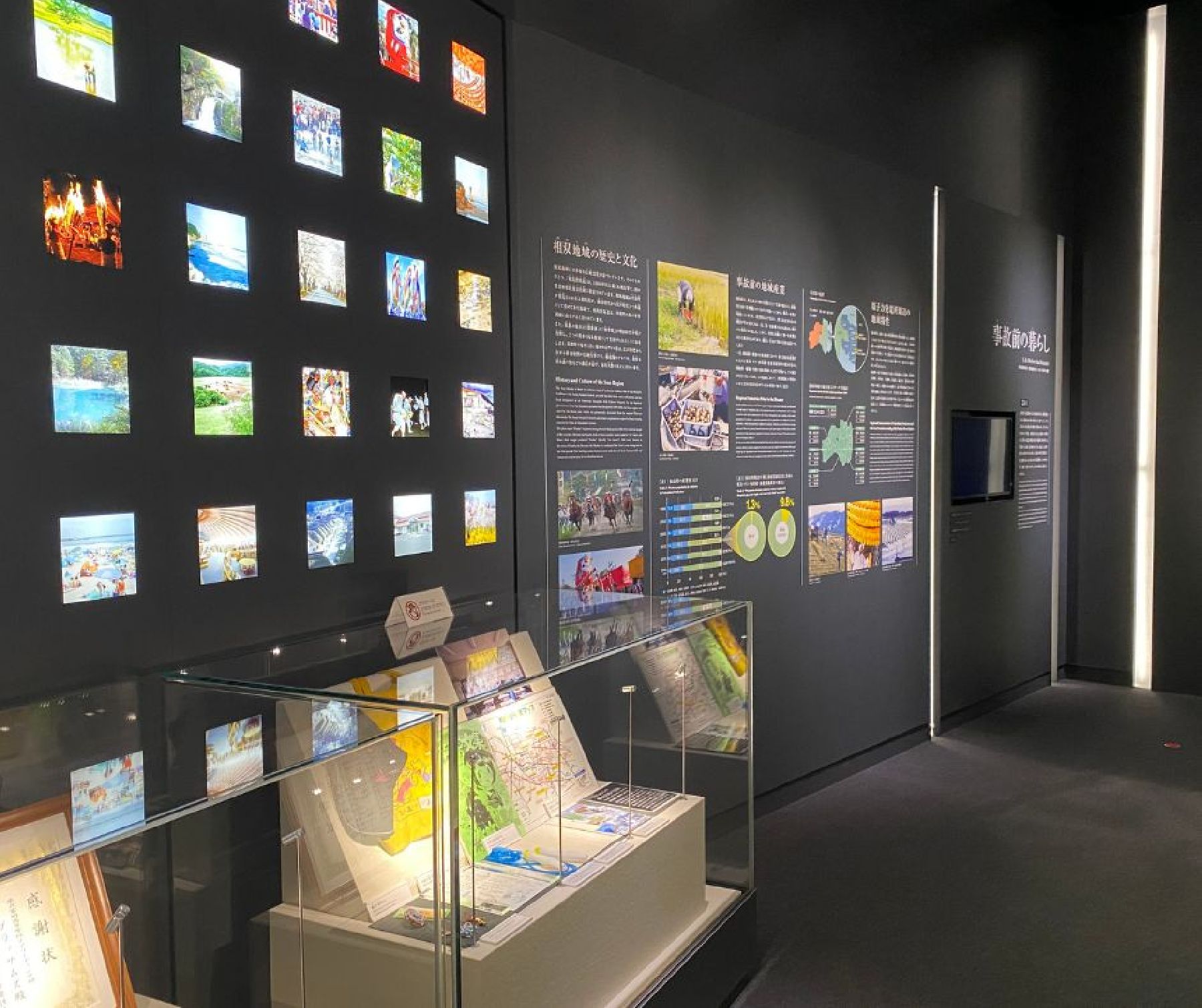
The Great East Japan Earthquake and Nuclear Disaster Memorial Museum (東日本大震災・原子力災害伝承館, often referred to in Japanese only as ‘Denshokan’ [伝承館]) is located in Futaba town, in the coastal area of Fukushima prefecture.Through exhibitions, storytelling, research and interactive displays, visitors can learn about this area before, during and after the disaster, deepen their understanding of the revitalization of Fukushima and the decommissioning of the TEPCO Fukushima Daiichi Nuclear Power Station, as well as listen to testimonies of residents.This museum shows how Fukushima has dealt with a complex and unprecedented disaster and its ongoing consequences, and communicates lessons for the future on the importance of disaster prevention and mitigation.The museum opened in September 2020 and has about 200 items related to the The Great East Japan Earthquake, tsunami and nuclear disaster on permanent exhibition.Exhibits include explanations in both English and Japanese.Located near the museum is the Futaba Business Incubation and Community Center.
Kannonji-gawa River Cherry Trees
Nature & Scenery

Kannonji-gawa River Cherry Trees

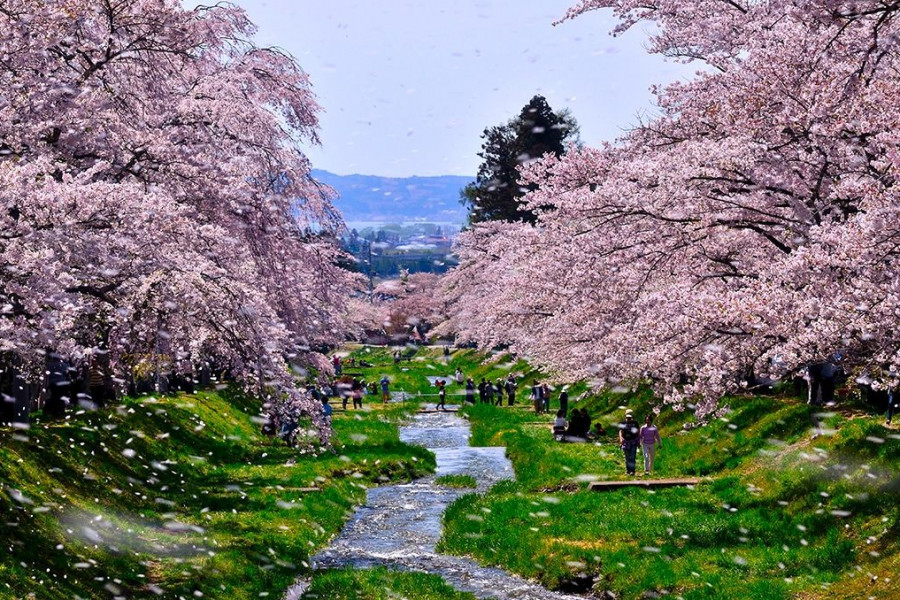
Only a one-minute walk north of Kawageta Station (JR Ban-etsu West Line) is this beautiful 1 km-path along the banks of the Kannonji-gawa River. In the spring the path transforms into a spectacular tunnel of Yoshino cherry trees and weeping cherry trees. Kannonji-gawa River is perhaps the most fantastic place to see cherry blossoms in Fukushima Prefecture; the calming river and the lovely petals falling like snow are a sight that can’t be beat. The lush green bank contrasting with the pale pink blossoms creates an unforgettable scene.Altogether there are about 200 trees growing along the Kannonji-gawa River on both banks. Additionally, the river maintains its natural curves and bends as it hasn’t undergone any work to adapt its shape to the city surrounding it. It’s one of Fukushima’s most splendid and respected natural landscapes. Currently, the Kannonji-gawa River cherry trees rank number 11 of the best places to see cherry blossoms in the entire Tohoku region!While enjoying the delicate blossoms and the sweet, fresh air, visitors to Kannonji-gawa River can also enjoy some of the tasty food from street vendors available only during the cherry blossom season. We’d really recommend a springtime picnic right on the river bank with various yatai (food stand) delicacies. Be sure to come back during the evening when the trees are illuminated, and the river transforms into a magical dreamscape.

Ogawasuwa Shrine's Weeping Cherry Blossom
History & Culture

Ogawasuwa Shrine's Weeping Cherry Blossom

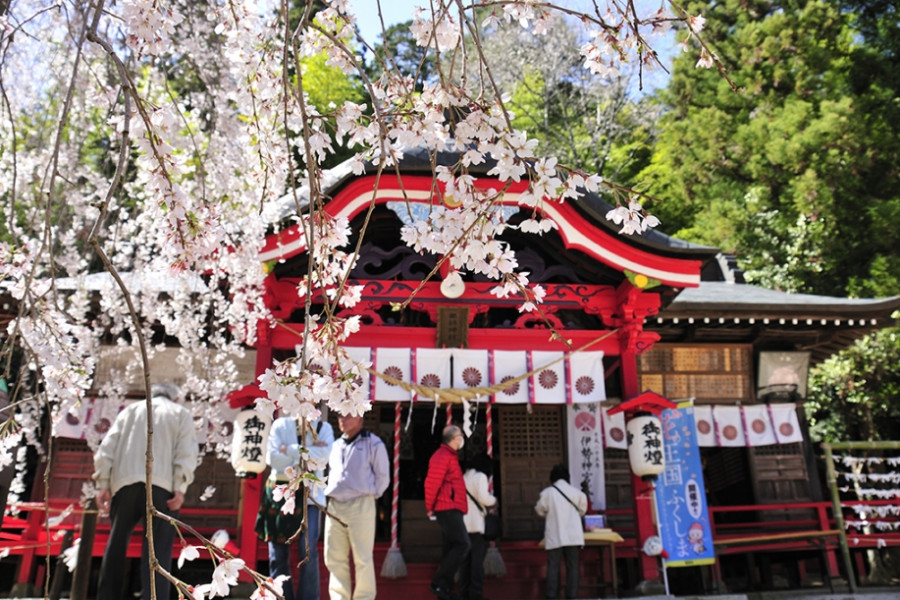
Selected by Iwaki City as a Natural Monument, the great weeping cherry tree is over 500 years old. The flowers bloom slightly earlier than those of Yoshino cherry trees, and are lit up by traditional Japanese lanterns in the evenings of cherry blossom season. Stretching even further down than the roots, the weeping branches of the tree give it an extremely beautiful appearance.Illuminations run throughout cherry blossom season; please be aware the shrine can get crowded in the evenings.

Kaiseizan Park
Nature & Scenery

Kaiseizan Park

Koriyama’s Kaiseizan Park is a wide realm in the city. Home to around 1300 cherry trees, it is one of the prefecture’s most prominent cherry blossom spots. The impressive trees are lit up in the evening during cherry blossom season, making for fantastic views. The park has a baseball field, an athletics field, and an event venue. Additionally, it is home to one of Fukushima's Chansey's Lucky Parks, making it a popular destination among Pokémon fans. Located nearby is the Kaiseizan Daijingu Shrine.There is also a 3,000-square-meter rose garden that blooms in spring (typically from mid-May to late June) and in the fall (usually from mid-September to late October). Exact blooming dates vary each year.No matter the season, there is something to enjoy at Kaiseizan Park year-round.

Top