Hozoji Temple

Hozoji Temple

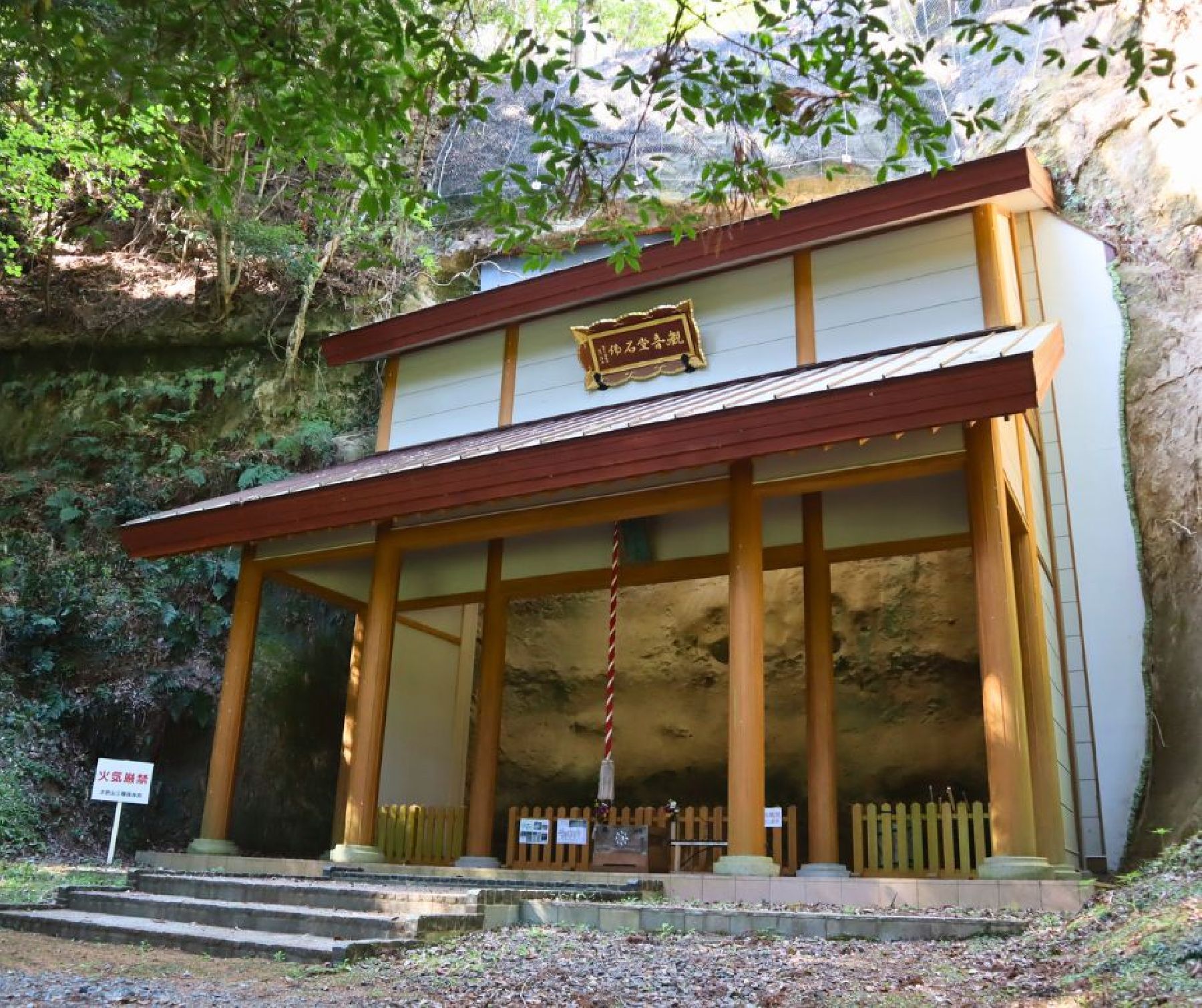
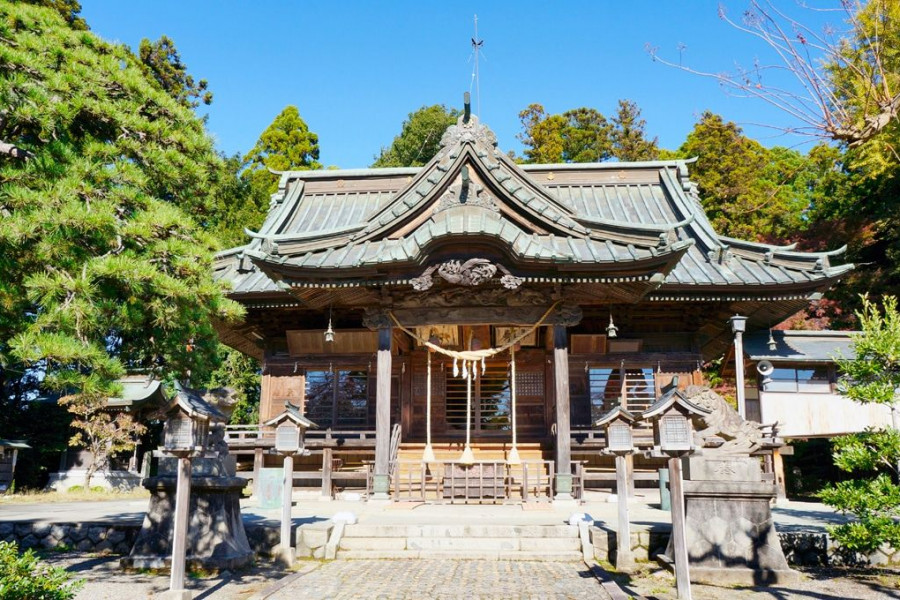
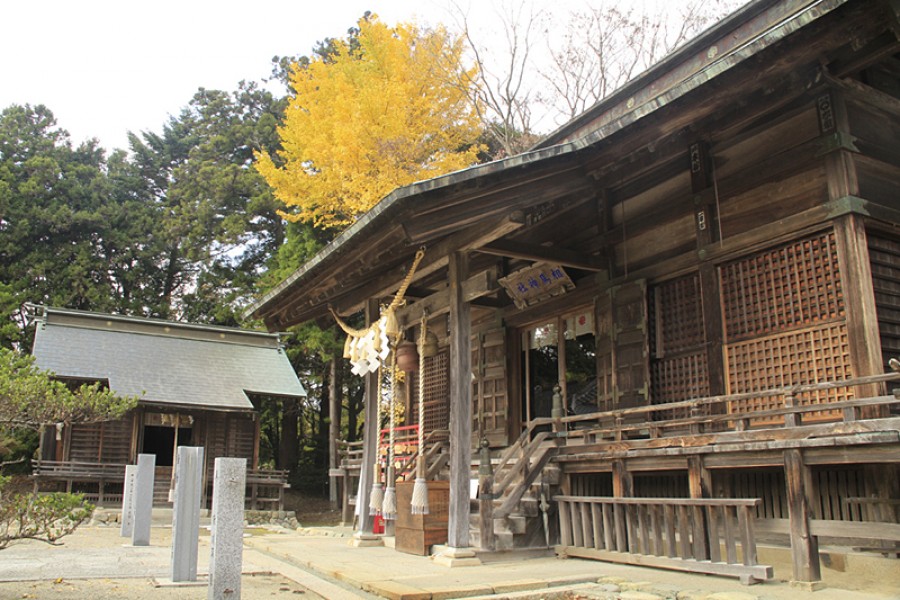
Hozoji Temple is one of the oldest and most historically significant temples in the Soma region, known for its vivid autumn colours. According to tradition, it was founded in 801 AD by the military commander Sakanoue no Tamuramaro as a place to pray for success in his eastern campaigns.

Although detailed records from its earliest centuries have largely been lost, the temple’s existence is attested in a few surviving documents from the 10th to 13th centuries, indicating its long-standing presence in the area. Over time, Hozoji Temple became closely tied to the spiritual life of the region and continued to develop through periods of reconstruction and renewal.

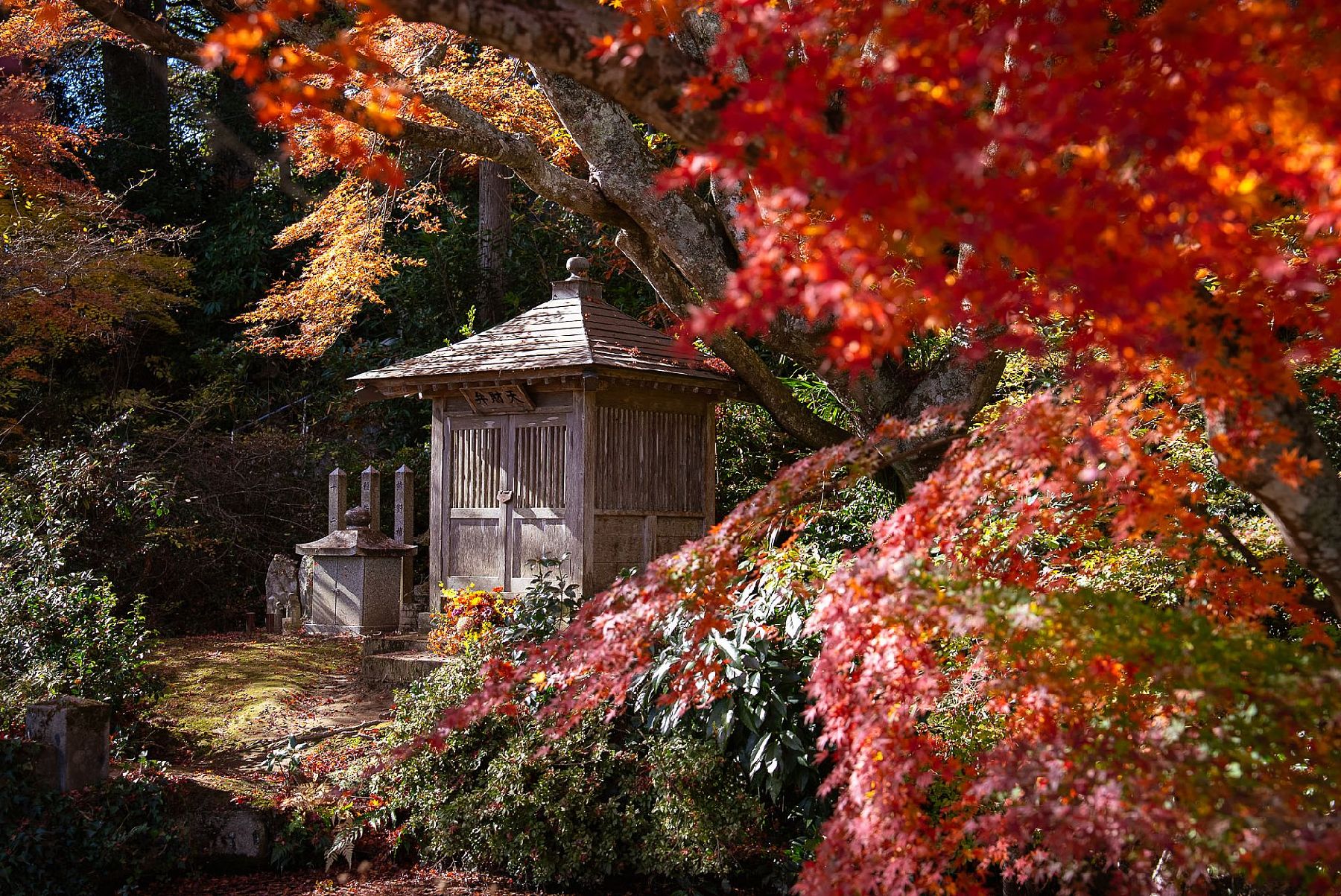
The temple grounds are known for their natural beauty, especially the large fir trees - some over 400 years old - and numerous maple trees that grow throughout the property. These maples have long been admired for their striking autumn colors, and historical accounts suggest that generations of Soma clan lords once visited the temple to enjoy the seasonal foliage.

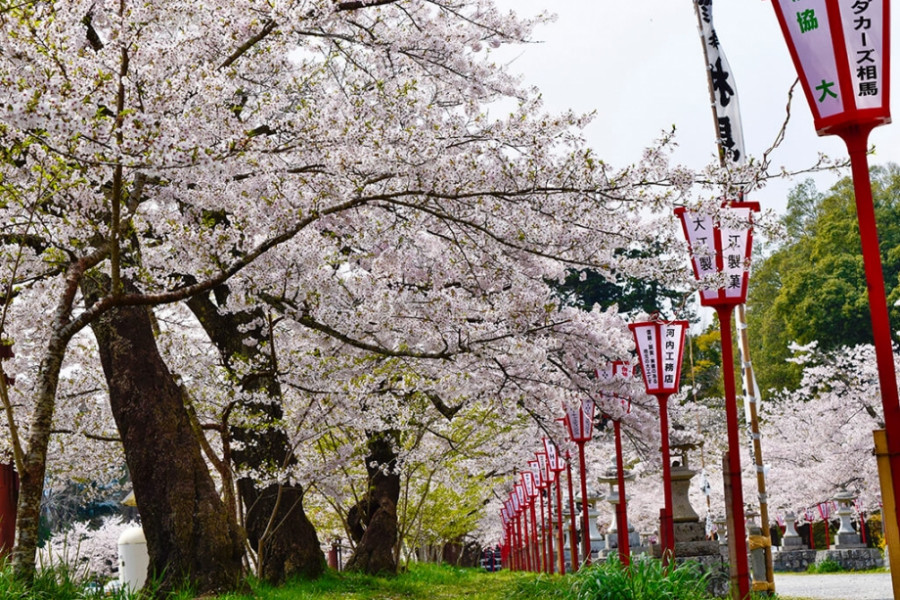
In addition to its autumn scenery, the temple is also home to several varieties of cherry blossoms that bloom even during the colder months, offering visitors a chance to experience seasonal landscapes throughout the year.

Architecturally, Hozoji Temple reflects the layers of its long history. The Niomon Gate, constructed in 1647 by Soma Yoshitane, the second-generation leader of the Soma clan, is one of the site’s most notable surviving structures.

Today, Hozoji continues to attract visitors, photographers, and locals who come to enjoy both its historical atmosphere and its natural surroundings. In recent years, an evening illumination event held during the autumn foliage season has become a popular way to experience the temple’s grounds in a different light. The illuminations are typically held across one weekend in late November (for reference, the 2025 illuminations took place on the three-day weekend of 22-24 November.)
Venue Details

Venue Details
Websitehttps://hiraidesan-houzouzi.hirameki7.site/(Japanese)
Best SeasonAll Year
Opening Hours

9am - 4pm daily

ParkingFree
Entrance FeeFree
Access Details
AccessKitahata-20 Kashimaku Kitaebi, Minamisōma, Fukushima 979-2311
View directions
Getting there

By Car: 1h 15m from Fukushima City

By Train: Kashima Station (Joban Line, 1h 15m from Sendai, 2hrs from Iwaki) then taxi (6mins) or walk (45mins)

Nearby

The World Glassware Hall
Gourmet & Shopping

The Suzuki Brewery in Namie Town

The Suzuki Sake Brewery used to operate a sake brewery in Namie Town's Ukedo district, this building was located steps from the sea and was physically destroyed by the tsunami wave. This left the owner of the brewery without a home or a livelihood.They managed to evacuate with the necessities of the brewery and after the disaster, the brewery was moved to Nagai City to the mountains of Yamagata Prefecture in October 2011 (the same year as the earthquake). Since then, they’ve continued to brew sake with the hope of preserving the traditional sake brewing techniques that had been developed by generations of brewers in Namie Town.Finally, on March 20, 2021, the brewery was able to return to its hometown of Namie with the opening of a new brewery at the Namie Roadside Station. Here, visitors can watch the Suzuki brewers at work making their delicious sake. They even use locally grown rice to make some of their sake, with a focus on maintaining their hometown flavor.At the Namie Roadside Station, you can visit the sake brewery and taste their freshly brewed sake. For visitors who don't drink sake, there is also a sake flavored soft serve ice cream that is absolutely delicious. The soft serve comes in a traditional wooden sake cup!

The World Glassware Hall
History & Culture

Daihisan Stone Buddhas (Daihisan no Sekibutsu)

Estimated to have been carved over 1,000 years ago, the Daihisan Stone Buddhas (大悲山の石仏) are a group of stone-carved Buddhas in Odaka, Minamisoma City, in the coastal area of Fukushima prefecture.The Daihisan Stone Buddhas are made up of three groups of statues: the Yakushido Buddhas (薬師堂石仏), the Amidado Buddha (阿弥陀堂石仏), and the Kannondo Buddha (観音堂石仏). The statues are enshrined in a forest area with many smaller Buddha statues.They are the biggest and oldest stone Buddha statues in the Tohoku area of Japan, and have been designated as a National Historical Site. Their origins, and much of their history, however, remain unknown, although they are presumed to have been built sometime during the Heian period of Japanese history, which goes from 794 to 1185.In front of the entrance to the Yakushido Buddhas is a 45 meter high cedar tree known as Daihisan’s Giant Japanese Cedar Tree. The tree has a circumference of 8.4 meters at eye level, and is one of the largest trees in Fukushima prefecture, also estimated to be over 1,000 years old. It is designated as a Natural Monument of Fukushima Prefecture.

The World Glassware Hall
Nature & Scenery

Nijuisseiki-no-Mori Park (21st Century Forest Park)

Stretching over more than 80 hectares, Nijuisseiki-no-Mori Park (二十一世紀の森公園) is a true haven for recreation; complete with a tennis court, a baseball stadium, a skateboard park, and a family sports garden, as well as a variety of flower fields, trees and shrubs.21st Century Forest Park is also a popular cherry blossom spot: it has both early-blooming Kawazu-sakura (which mostly bloom mid-February to mid-March) as well as Somei Yoshino cherry blossom trees (which typically bloom sometime between early to mid-April).During winter each year illumination events are held in the park, and, during autumn, the bright colored leaves attract plenty of visitors. During the summer, sunflowers and rapeseed flowers bloom, so the park truly offers ways to enjoy nature all year round.

You might also like

Bentenjima
History & Culture

Bentenjima

In a crescent shaped cove separated from the mainland on the small island known as Bentenjima Island, you will find the mysterious Bentenjima Shrine. The vermillion painted tori gate stands out against the jagged stone and the powerful waves. It is believed that the shrine was land based until an earthquake that occurred in 1410 resulted in the formation of this jagged rock island. The construction date of the original shrine is unknown. The island is also known as Wanigafuchi because, according to legend, a creature known as a “wanizame” (crocodile shark) lived on the island. Half crocodile, half shark, this creature can be seen in many old Japanese paintings. The creature may have been believed to cause the swirling water and violent waves that crashed against the rocks, sometimes resulting in people getting swept into the water. Another legend suggests that the wanizame once kidnapped a young woman from Iwaki who had wandered out to explore the island.This coast is lined with small round pebbles that shine when the water hits them. However, do not take any of these pebbles home, as legend says that anyone who takes pebbles home from this coast will suffer from eye disease. This area was once a very popular destination for tourists and the Iwaki city website linked below features many photos. Although the page is in Japanese, it's viewable using the translation function on web browsers.Hattachi-Yakushi Temple is located near the shrine and is worth visiting, but please do not park there while accessing Bentenjima as it is disrespectful to the temple monks and patrons.

Daihisan Stone Buddhas (Daihisan no Sekibutsu)
History & Culture

Daihisan Stone Buddhas (Daihisan no Sekibutsu)

Estimated to have been carved over 1,000 years ago, the Daihisan Stone Buddhas (大悲山の石仏) are a group of stone-carved Buddhas in Odaka, Minamisoma City, in the coastal area of Fukushima prefecture.The Daihisan Stone Buddhas are made up of three groups of statues: the Yakushido Buddhas (薬師堂石仏), the Amidado Buddha (阿弥陀堂石仏), and the Kannondo Buddha (観音堂石仏). The statues are enshrined in a forest area with many smaller Buddha statues.They are the biggest and oldest stone Buddha statues in the Tohoku area of Japan, and have been designated as a National Historical Site. Their origins, and much of their history, however, remain unknown, although they are presumed to have been built sometime during the Heian period of Japanese history, which goes from 794 to 1185.In front of the entrance to the Yakushido Buddhas is a 45 meter high cedar tree known as Daihisan’s Giant Japanese Cedar Tree. The tree has a circumference of 8.4 meters at eye level, and is one of the largest trees in Fukushima prefecture, also estimated to be over 1,000 years old. It is designated as a Natural Monument of Fukushima Prefecture.

Top