Itsutsuya

Itsutsuya

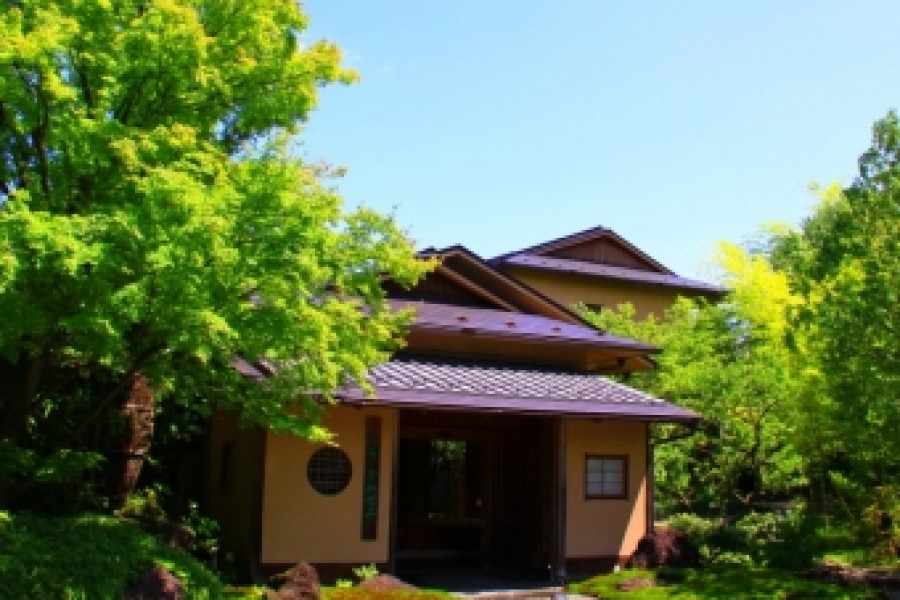
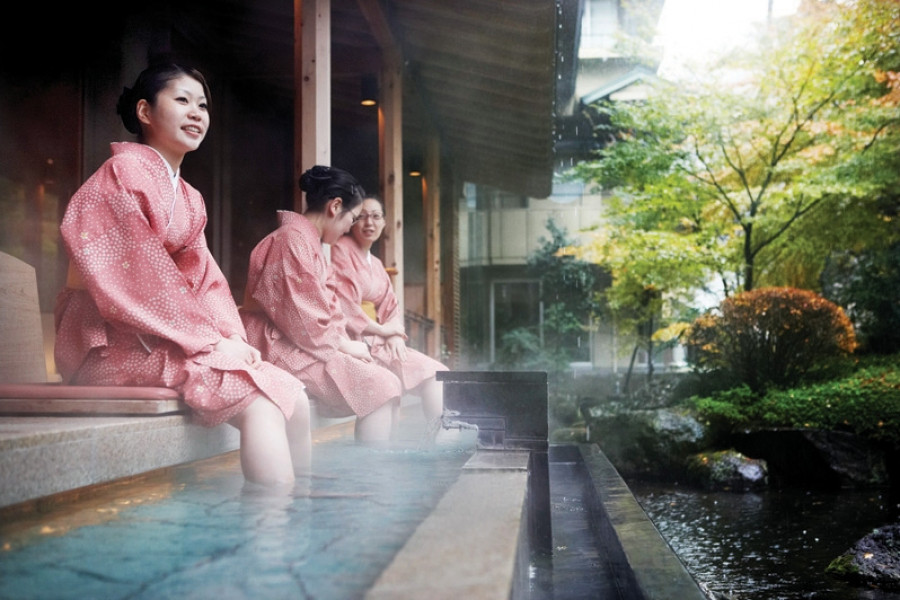
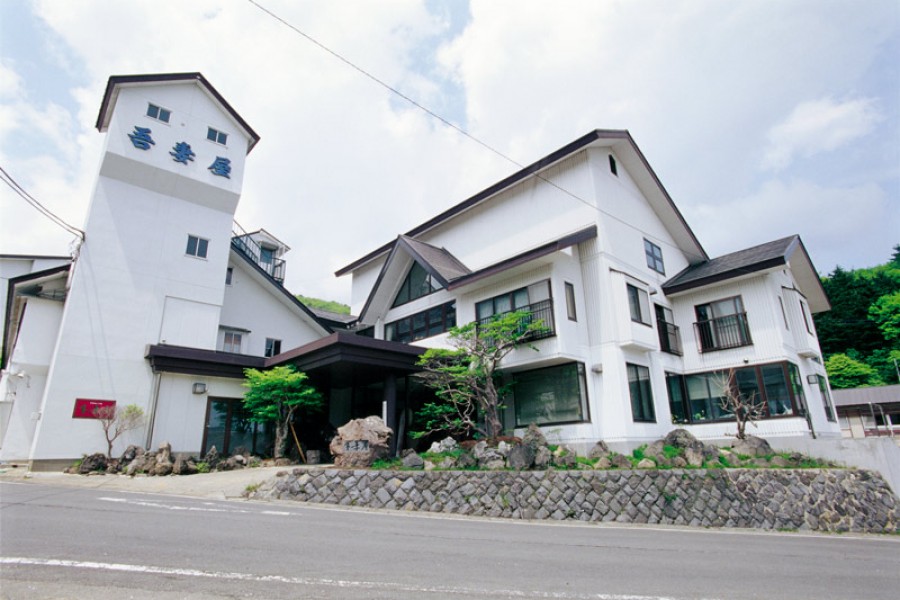
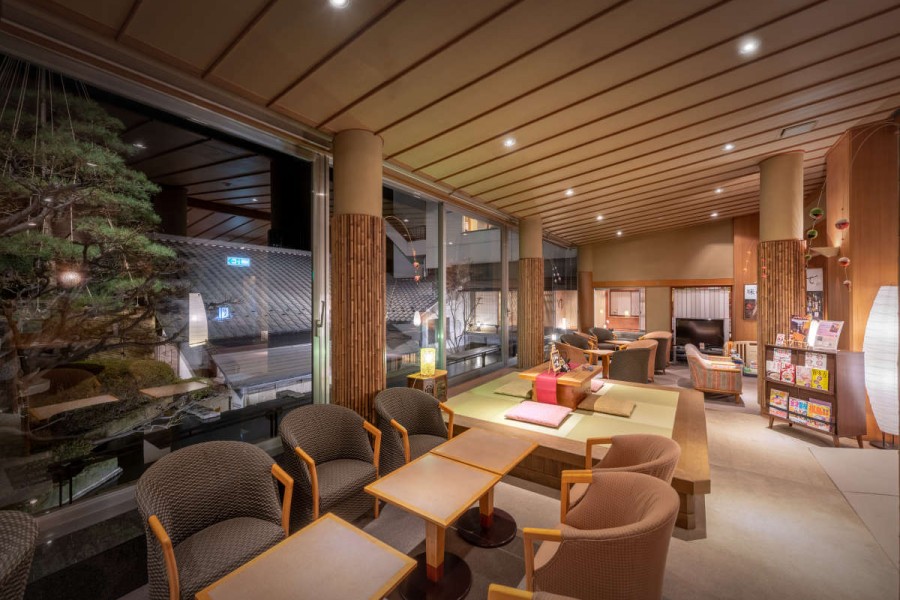
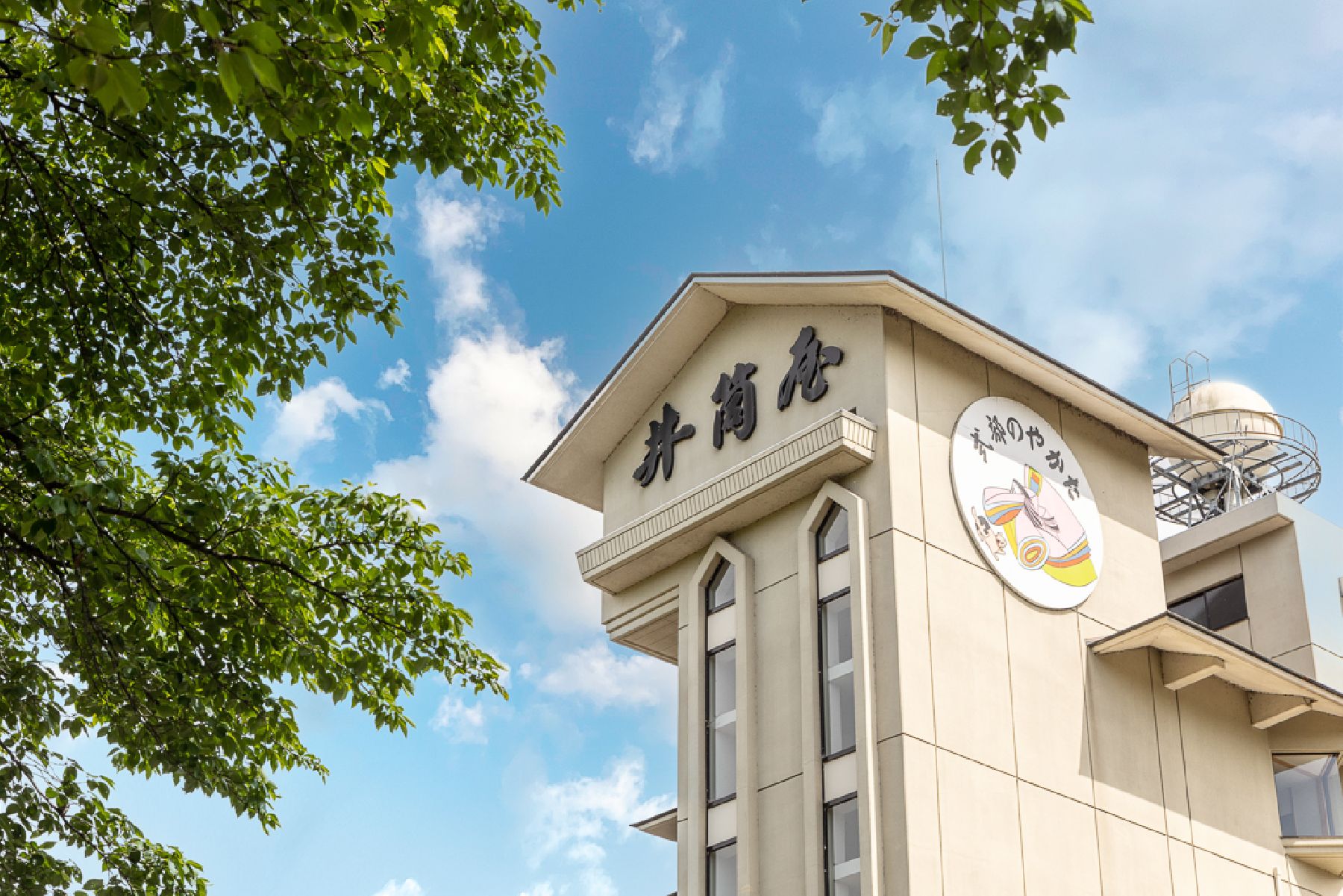
Nestled in the serene surroundings of Ishikawa Town, Fukushima Prefecture, Nekonaki Onsen Shikibu no Yakata Izutsuya offers a peaceful and rejuvenating escape, allowing guests to immerse themselves in the natural beauty of the four seasons. The tranquil atmosphere and the soothing rhythm of time spent at this onsen ryokan create the perfect setting to relax and unwind, healing the weariness of everyday life.

Izutsuya’s hot spring is a rare radioactive alkaline simple weak radioactive cold mineral spring, known for its therapeutic properties. It is believed that inhaling the steam while soaking in the water can help boost immunity, making it a highly beneficial treatment. Often referred to as the 'cure-all bath,' this spring is known for its wide range of health benefits. Guests can enjoy not only the relaxing effects of the hot spring but also its positive impact on their overall well-being.

The culinary experience at Izutsuya is equally important as the soothing onsen. The ryokan takes pride in offering fresh, seasonal flavors, with the menu changing each month to reflect the best ingredients of the season. Guests can indulge in traditional Japanese cuisine, carefully crafted to showcase the essence of each season’s bounty. With every dish, guests are invited to savor the true essence of Japanese culinary art, celebrating both nature and tradition.

Venue Details

Venue Details
Websitehttp://itsutsuya.co.jp/(Japanese)
Contact

front@itsutsuya.co.jp

0247-26-1131

Accommodation details

Capacity: 16 Japanese-style rooms (futon), 2 Japanese-style rooms (bed)

Check in / Check out: 15:00 / 10:00

Hot springs: Hot spring available

Related infoSmoking area
Vending machines
Luggage forwarding (Iwaki-Ishikawa Station, advance reservation required)
Concierge service available
Access Details
Access22 Nekonaki, Ishikawa, Ishikawa District, Fukushima 963-7855
View directions
Getting there

By Car: 50min from Koriyama station (17min from Yabuki-chuo I.C.)

Nearby

The World Glassware Hall
Outdoor Activities

Ebisu Circuit

Ebisu Circuit is a multi-course motorsport facility in the hills above Nihonmatsu City. Rather than a single racetrack, it is a collection of separate courses built across a mountainside, connected by access roads and surrounded by forest. It was developed by Nobushige Kumakubo, a professional drifter who wanted a place dedicated to practice and grassroots driving. Over time, it became closely associated with drifting in particular, both domestically and internationally.The complex is divided into several courses, each with their own unique style and character. Kita (North Course) is one of the busiest areas, with cars running along a back section that brings car speeding past the spectator wall. Nishi (West Course), traditionally associated with grip driving, includes a short layout well-known for long drift trains.Higashi (East Course), usually a grip circuit, is opened for drifting during festival periods and also houses the main circuit office. The Touge (mountain pass) course winds through a narrower hilly section with tighter bends and noticeable elevation changes.Ebisu has also become a destination for overseas drivers. Many travel specifically to experience the different course layouts, enjoy the informal practice culture and chat with other drift enthusiasts. It is common to see privately owned cars ranging from lightly modified street builds to dedicated drift machines. The atmosphere during regular days is focused on driving rather than spectacle, with participants rotating through sessions and making adjustments between runs.Three times a year, the circuit hosts the Ebisu Drift Matsuri. The festival, typically held in spring, summer, and autumn, opens multiple courses for extended sessions over several days. Drivers move between tracks, often running late into the evening, and tandem drifting is a big attraction. Unlike formal competitions, the emphasis is on participation and meeting fellow drivers. For many visitors, the festival represents the most concentrated expression of Ebisu’s identity: a large group of drivers sharing the same mountain, rotating through its varied layouts, and focusing almost entirely on drifting. Learn more about the festival with our total guide.For visitors looking to experience drifting themselves, the Drift Taxi experience lets you ride as a passenger in a special drifting car while a professional driver speeds around the circuit. Booking and more information here.

The World Glassware Hall
Cultural Experiences

Handmade Japanese Washi Paper Craft Experience

Kami-Kawasaki Washi paper has a history of over 1,000 years. It was given the name "Kami-Kawasaki Washi" because of its origin in Nihonmatsu City's Kami-Kawasaki district. Since the name of districts changes with the years, during Japan's Heian Period, it was known as "Michinoku-gami "("paper made in Michinoku").Kami-Kawasaki Washi paper has been used regularly as shoji paper (paper for sliding doors). Many people are charmed by the warmth and simple beauty of Kami-Kawasaki Washi. Paper mulberry, a type of tree used for making the paper, is grown locally. The traditional production method, from producing the raw ingredients to making the paper, is continued in Nihonmatsu City even today.Sticking to traditional production methods ensures that the finished paper has a luxuriant warmth and refinement, and is strong and durable. At present, a variety of products, such as dyed paper, folkcraft paper, and paper crafts, are produced, all of which maintain the paper's original texture. Although the demand for shoji paper is declining, there is still demand for products such as wallpaper and lamp shades. In this way, Kami-Kawasaki Washi remains important to us everyday.  At the Washi Traditional Crafts Gallery - located at Michi-no-Eki Adachi (Roadside Station) - visitors can make washi postcards, paper fans, and other items.

The World Glassware Hall
Cultural Experiences

Sukagawa Enobori Yoshinoya Workshop

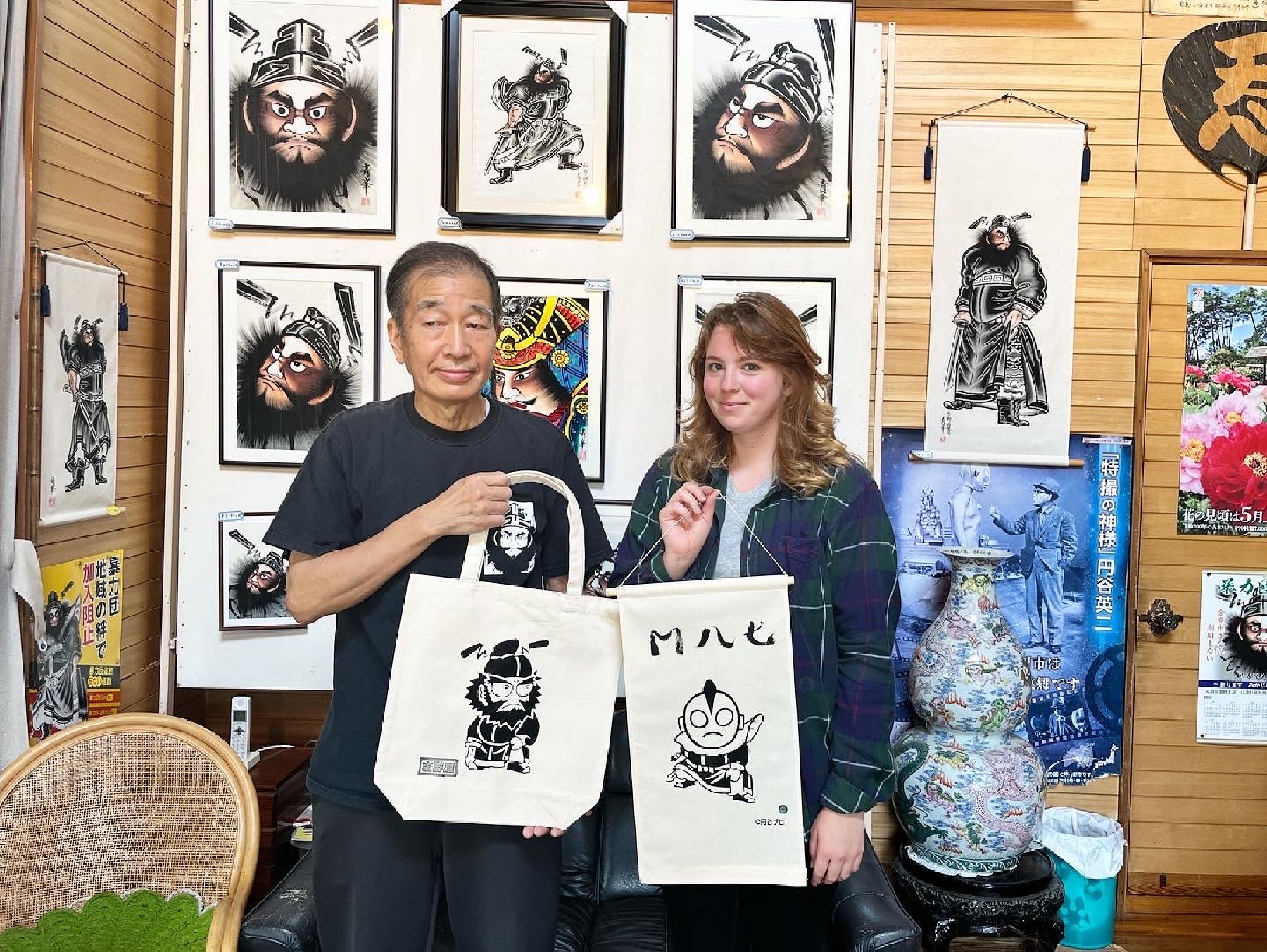
Established in 1836, the Yoshinoya family has been continuing the production of Enobori banners using traditional techniques. Originally the family business was a kimono shop, however, the side business of painting Enobori banners began to grow until is eventually became their main business.These banners typically feature images of warriors and can be quite complex with their designs. They are made by painting on banners with a type of calligraphy ink.To create clean and uniform design, stencils are made from various materials to be used as a guide for the design. Once the basic design is painted with a stencil, you connect the lines and add fine details by hand.As a nod to a famous Sukagawa person, they began creating a design of Ultraman posing as a samurai warrior! You can try out the traditional banner making method explained above to create tote bags and small banners featuring a variety of samurai and Ultraman samurai designs.©円谷プロ

You might also like

Yoshikawaya
Ryokan

Yoshikawaya

Yoshikawaya is a Japanese hot spring resort in Iizaka Onsen town that blends in perfectly with the surrounding nature.Yoshikawaya is situated near a crystal-clear stream that runs down a mountain range in Fukushima City. Ryokan services are constantly improved to match the needs of guests.The ryokan provides lovingly-prepared seasonal dishes to overnight guests, with a lot of thought put into creating great flavor profiles while ensuring nutritional value.What makes Yoshikawaya special is the way the ambience is kept as close to nature as possible. With high-class service and hospitality provided by Yoshikawaya's dedicated staff, visitors are sure to enjoy their stay.

Yoshikawaya
Ryokan

Yoshikawaya

Yado Yoshikawaya is a long-established onsen ryokan founded in the 12th year of the Tenpo era. Since its establishment, the ryokan has maintained a warm spirit of hospitality.Visitors can enjoy spacious, open-air baths that allow them to connect with nature, and barrier-free private baths. The ryokan offers a relaxing atmosphere, where guests can gaze at the changing scenery of Katakurayama throughout the seasons and listen to the soothing sound of the Surigami River. The hot springs are renowned for their skin-enhancing qualities, providing a rejuvenating experience for both body and soul.

Top