The Suzuki Brewery in Namie Town

The Suzuki Brewery in Namie Town

The Suzuki Sake Brewery used to operate a sake brewery in Namie Town's Ukedo district, this building was located steps from the sea and was physically destroyed by the tsunami wave. This left the owner of the brewery without a home or a livelihood.

They managed to evacuate with the necessities of the brewery and after the disaster, the brewery was moved to Nagai City to the mountains of Yamagata Prefecture in October 2011 (the same year as the earthquake). Since then, they’ve continued to brew sake with the hope of preserving the traditional sake brewing techniques that had been developed by generations of brewers in Namie Town.

Finally, on March 20, 2021, the brewery was able to return to its hometown of Namie with the opening of a new brewery at the Namie Roadside Station. Here, visitors can watch the Suzuki brewers at work making their delicious sake. They even use locally grown rice to make some of their sake, with a focus on maintaining their hometown flavor.

At the Namie Roadside Station, you can visit the sake brewery and taste their freshly brewed sake. For visitors who don't drink sake, there is also a sake flavored soft serve ice cream that is absolutely delicious. The soft serve comes in a traditional wooden sake cup!

Venue Details

Venue Details
Websitehttps://michinoeki-namie.jp/info/
Best SeasonAll Year
Opening Hours

10:00 AM - 4:00 PM

ParkingFree
Entrance FeeFree
Access Details
AccessChimeiji Kiyohashi, Namie, Futaba District, Fukushima 979-1513
View directions
Getting there

By Car: 8 min from the Namie I.C. exit off the Joban Expressway.

By Train: 15 min walk from Namie Station on the JR Joban Line.

Nearby

The World Glassware Hall
Museums & Galleries

Iwaki City Coal & Fossil Museum (Horuru)

Lovingly referred to as 'Horuru' by locals, Iwaki City Coal & Fossil Museum is home to exhibitions on the city's history of coal mining. Horuru also exhibits a range of fossils, including the locally-excavated Plesiosaur Futabasaurus, which was discovered by a high school student. There are also some hands-on experiences to try out, such as making your own amber accessories. Horuru is accessible on foot from Iwaki Yumoto Onsen town, and is a great addition to any trip to the Iwaki area.

The World Glassware Hall
History & Culture

Hattachi-Yakushi Temple

In the year 806, the holy priest Tokuichi constructed Hattachi-Yakushi Temple as a place of worship for the Buddhist deity who has the ability to ensure the safe voyage of seafarers. The temple grounds are extremely beautiful in spring when the hydrangeas bloom, earning the temple the local nickname ‘Hydrangea Temple’. In front of Hattachi-Yakushi Temple is Bentenjima Island and Shrine, and the Hattachi Coastline, which connects the mainland with the island. The Hattachi Coast is covered in unique gravel, which has traditionally been thought to have healing properties. However, removing a stone and bringing it home can have the opposite effect.

The World Glassware Hall
Nature & Scenery

Nijuisseiki-no-Mori Park (21st Century Forest Park)

Stretching over more than 80 hectares, Nijuisseiki-no-Mori Park (二十一世紀の森公園) is a true haven for recreation; complete with a tennis court, a baseball stadium, a skateboard park, and a family sports garden, as well as a variety of flower fields, trees and shrubs.21st Century Forest Park is also a popular cherry blossom spot: it has both early-blooming Kawazu-sakura (which mostly bloom mid-February to mid-March) as well as Somei Yoshino cherry blossom trees (which typically bloom sometime between early to mid-April).During winter each year illumination events are held in the park, and, during autumn, the bright colored leaves attract plenty of visitors. During the summer, sunflowers and rapeseed flowers bloom, so the park truly offers ways to enjoy nature all year round.

The World Glassware Hall
History & Culture

Soma Nakamura Shrine

Soma Nakamura Shrine, long revered for enshrining the patron deity of the Soma clan, is built on a small hill in the western area of the Nakamura Castle grounds by Baryo Park.The shrine was erected in 1643 by Soma Yoshitsune, the 18th head of the Soma family.The main shrine is a an example of Gongen Shinto architecture, in which the main hall and worship hall are connected by a passageway, and the lacquer, painting, and metal fixtures are authentic representations of its Kan'ei era construction.The shrine was designated as a national important cultural property in 1984.

You might also like

Iwaki Lalamew
Gourmet & Shopping

Iwaki Lalamew

At Iwaki's Tourism and Products Center, visitors can purchase products and specialties from Iwaki as well as enjoy eating local produce. The Tourism and Products Center also introduces visitors to Iwaki City's local history and culture.The Lalamew complex includes 7 fish shops, 15 gift shops, and 12 eating and drinking establishments. The fish shops have the feel of an open-air market, and visitors can bargain for seafood direct from the port.Please enjoy dining in the establishments that present to you an abundance of seasonal seafood.

Namie Roadside Station
Gourmet & Shopping

Namie Roadside Station

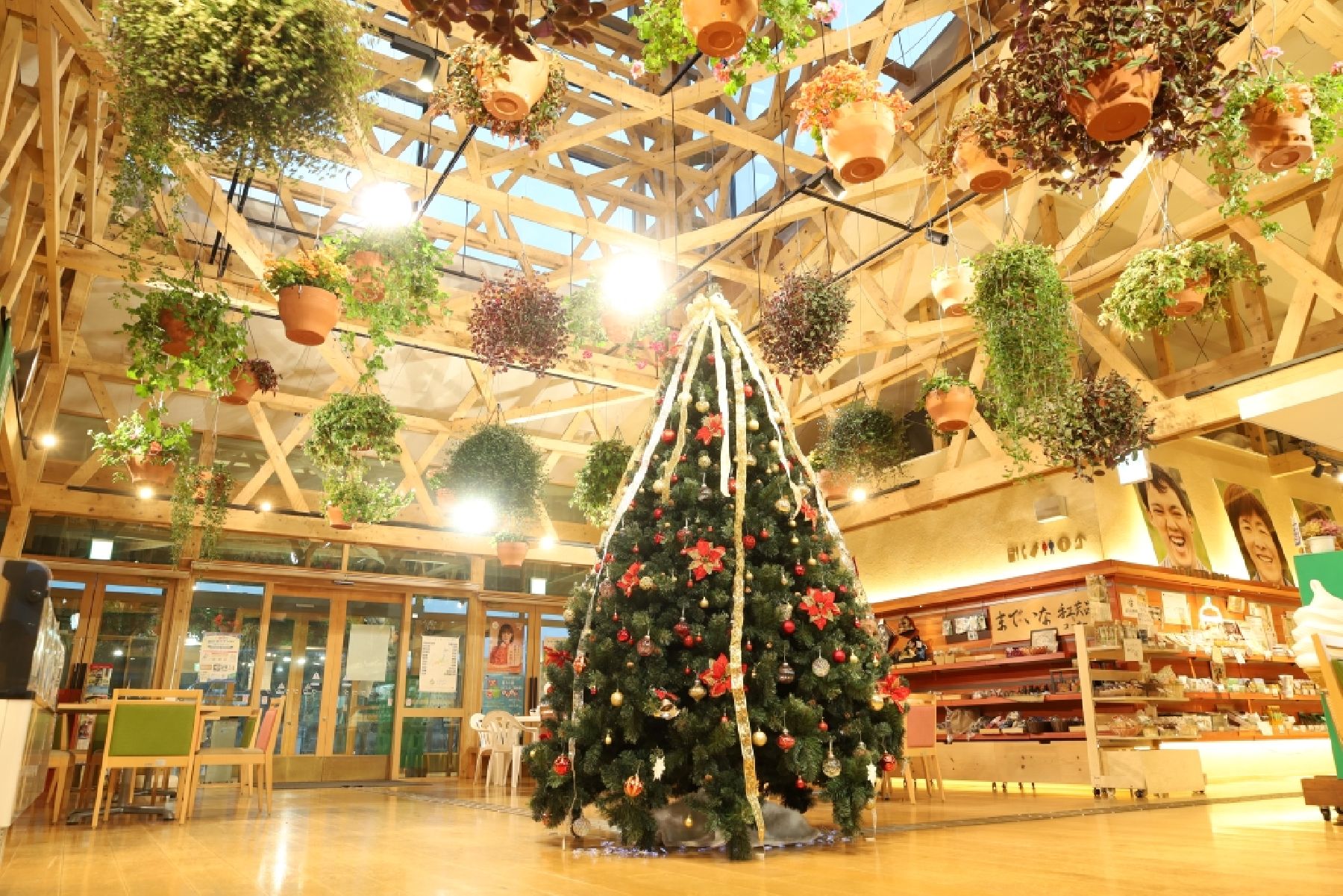
Namie Town was once a bustling seaside town that was famous for their unique style of pottery and the large number of artisans in town. Along the coast the Suzuki Brewery created delicious local sake.After the Great East Japan Earthquake and Tsunami of 2011 and the following accident at the Fukushima Daiichi Nuclear Power Plant, the residents of Namie Town were forced to evacuate their town. Nearly all of the buildings close to the coastline were destroyed by the enormous tsunami wave, many lives were lost. When it became clear that evacuees would not be able to return to their homes, people were deeply saddened at the devastating loss of many of the neighbors, their homes and their hometown culture. As residents settled in other areas of Fukushima and continued their lives, many believed that the rich culture of the town that had been created for generation would be lost.However, people of Namie Town chose to fight to preserve the rich culture and traditions of their hometown. So, the Namie Roadside Station was created to do just that. Here visitors can learn about the unique style of pottery that originated in Namie Town, shop the collections of several Namie Town artisans, and even try a pottery class!The Namie Roadside Station is also the new home of the Suzuki Brewery that was formerly located at the Namie Town seaside before it was destroyed by the tsunami wave. The head brewer was able to evacuate, and has been continued the same brewing methods that were developed in Namie TownBy visiting the Namie Roadside Station you can support the preservation of the culture of this unique seaside town! You can also shop the wares of many locals who were affected by the disaster but nevertheless work hard to preserve their hometown culture.

Sedette Kashima
Gourmet & Shopping

Sedette Kashima

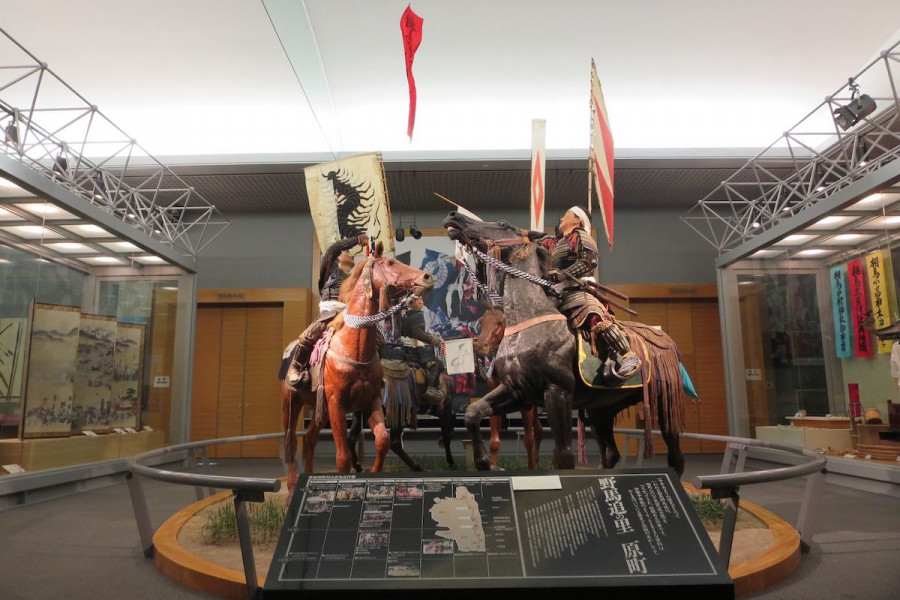
Sedette Kashima [せでってかしま] is a service area in Minamisoma City, in the coastal area of Fukushima prefecture.The name of the facility derives from an expression in the local dialect, which could be roughly translated as “Bring me with you!”. At the entrance, the service area has life-size replicas of Soma Nomaoi participants riding horses, and monitors showing photos of the festival. There is a souvenir shop and a dining hall, places for drivers to rest, as well as a play area for children and a dog park.At Sedette Kashima, you’ll find plenty of local crafts, souvenirs and traditional items from Minamisoma.Sedette Kashima can be accessed using non-toll (local) roads. 

Top