404

404

PAGE NOT FOUND

Unfortunately the page you are looking for is not available.

Back to Home

Unique in Fukushima

Paint Your Own Akabeko
Cultural Experiences

Paint Your Own Akabeko

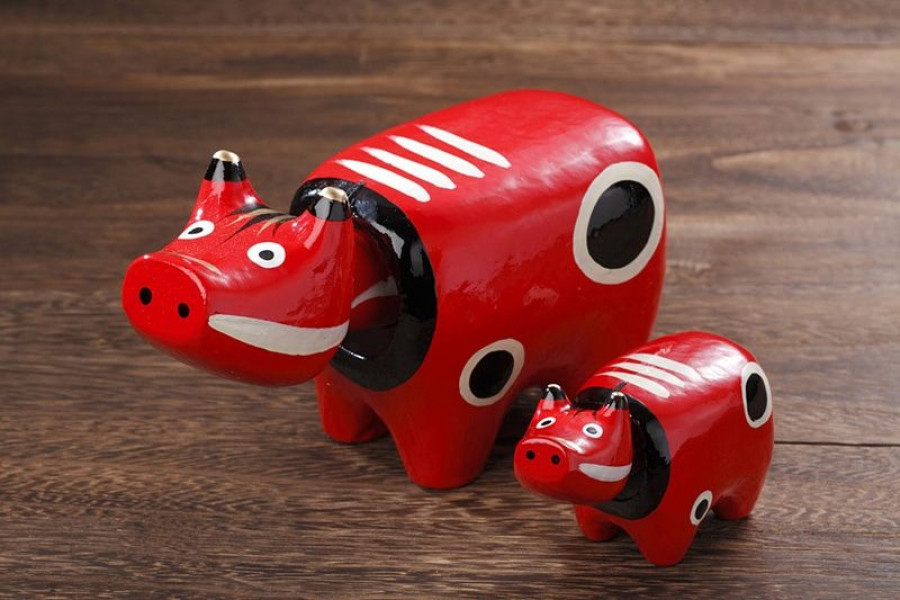
Bookings for the akabeko painting can be made on the official reservation page.What is 'Akabeko'?The akabeko legend started at Enzoji Temple in Yanaizu Town, in the Aizu region. The construction of this temple began in the year 807, but due to a huge earthquake at the end of the seventeenth century, it had to be repaired in 1617. It was during the reconstruction of the temple that the akabeko became a folk legend.It is said that moving the wood and other supplies necessary for the reconstruction work was incredibly difficult because materials had to be transported from various villages upstream of the Tadami River. The materials were heavy and the journey to the temple was long. Cattle were used to transport materials, but many struggled to bear their loads.Then, out of nowhere, appeared a cow with a red coat. (It should be noted that, in the past, the word ‘red’ was used to describe the color ‘brown’, so it is likely that it was a brown cow.) The red cow supported the other cows and helped the priests who were constructing the temple until it was completed. Then, it suddenly vanished.'Akabeko' means 'red cow' in the local dialect.A number of statues of the cow were built inside the temple grounds so that the people of Yanaizu could express their gratitude to the akabeko.In the years following, there was a range of legends about the akabeko, with stories such as families who owned akabeko being rid of sickness upon stroking the cows. They continued to hold their status of bringers of good luck and strength. Families bought or made akabeko toys for their young children to play with.Akabeko Painting ExperiencesIn recent history, the Aizu tradition of painting akabeko began. It is said that this tradition started as something to do for children visiting Aizu-Wakamatsu City as part of school trips. This was when the story of the Akabeko evolved once more, into its newest papier-mâché form. The stripes on the face and back of the papier-mâché Akabeko are said to represent strength and perseverance.There are a number of workshops in Aizu-Wakamatsu City where you can paint your own Akabeko. Most workshops offer the standard red, white, and black paint. These talismans for good health make very cute and lightweight souvenirs to take home for family and friends – or keep for yourself! Those who prefer to buy a ready-painted Akabeko will be able to find it at most souvenir shops.BookingIf you would like to book an akabeko painting experience at the Tsurugajo Kaikan (a shopping complex located next to Tsurugajo Castle), please access this page.
Ouchi-juku Snow Festival
Events & Festivals

Ouchi-juku Snow Festival

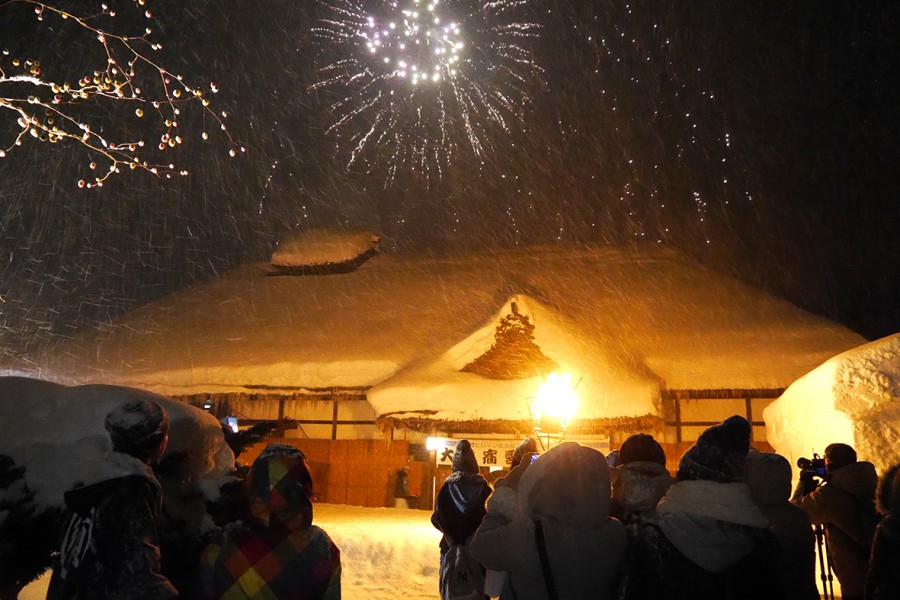
Ouchi-juku’s rows of thatched-roof houses (which date back to the Edo Period) are transformed into a winter wonderland during Ouchi-juku Snow Festival, which takes place every February. Bright white snow falls and slowly builds up, as candles burn bright in snow lanterns, bathing the old post town in warm light. Various events are held during the two-day festival, the highlight being the flaming torch parade and fireworks on the first evening.The 2026 festival will be held Saturday 14th and Sunday 15th February, 2026.The schedule for last year can be found on the Ouchi-juku Tourism Association website in Japanese, or as below in English:Getting to Ouchi-juku BY LOCAL TRAIN & BUS 2025:Full-size PDFs of the bus scheduleFull-size PDFs of the bus schedule

The Great East Japan Earthquake and Nuclear Disaster Memorial Museum
Disaster Recovery & Revitalization

The Great East Japan Earthquake and Nuclear Disaster Memorial Museum

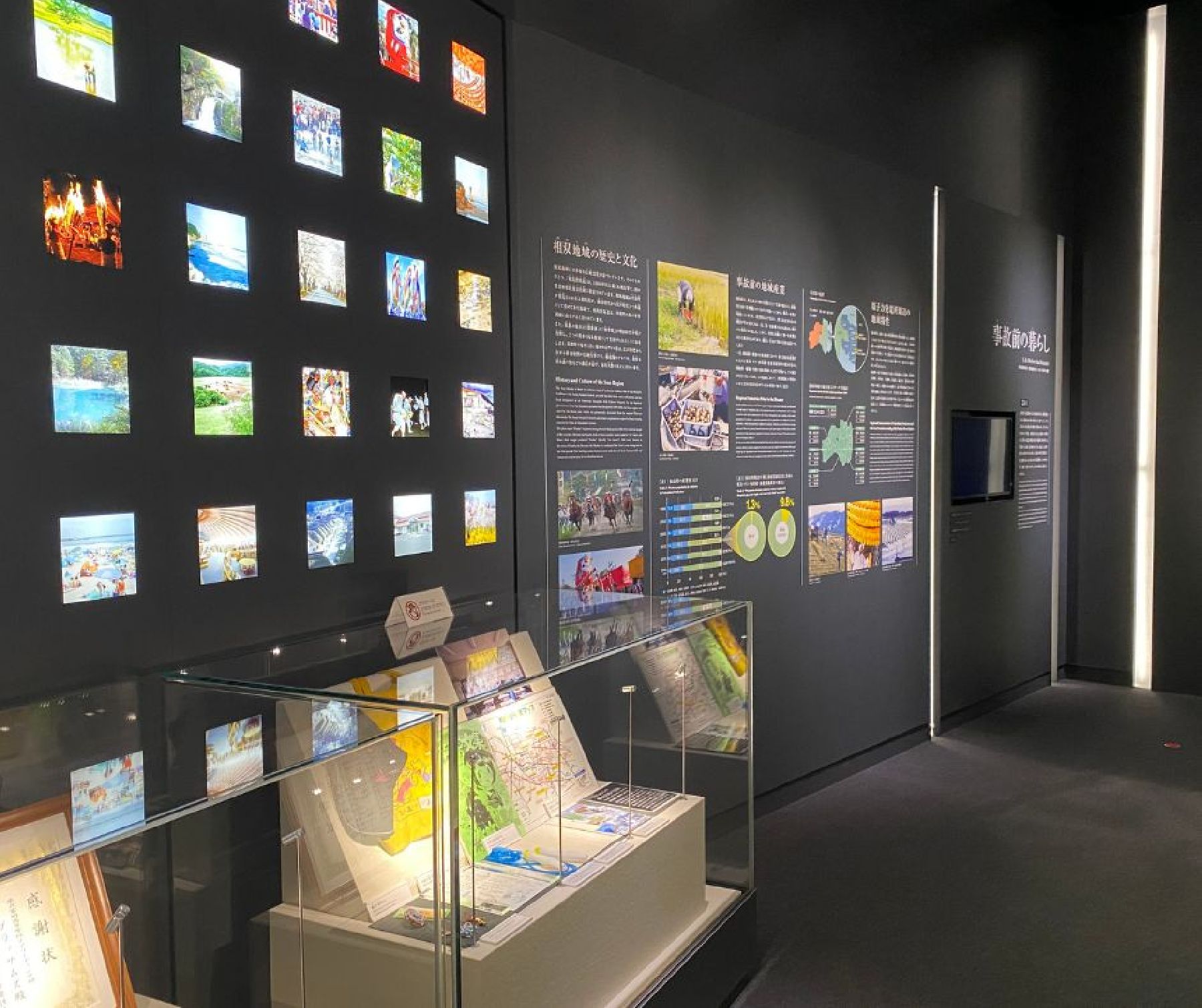
The Great East Japan Earthquake and Nuclear Disaster Memorial Museum (東日本大震災・原子力災害伝承館, often referred to in Japanese only as ‘Denshokan’ [伝承館]) is located in Futaba town, in the coastal area of Fukushima prefecture.Through exhibitions, storytelling, research and interactive displays, visitors can learn about this area before, during and after the disaster, deepen their understanding of the revitalization of Fukushima and the decommissioning of the TEPCO Fukushima Daiichi Nuclear Power Station, as well as listen to testimonies of residents.This museum shows how Fukushima has dealt with a complex and unprecedented disaster and its ongoing consequences, and communicates lessons for the future on the importance of disaster prevention and mitigation.The museum opened in September 2020 and has about 200 items related to the The Great East Japan Earthquake, tsunami and nuclear disaster on permanent exhibition.Exhibits include explanations in both English and Japanese.Located near the museum is the Futaba Business Incubation and Community Center.

Ashinomaki Snow Park
Snow Activities

Ashinomaki Snow Park

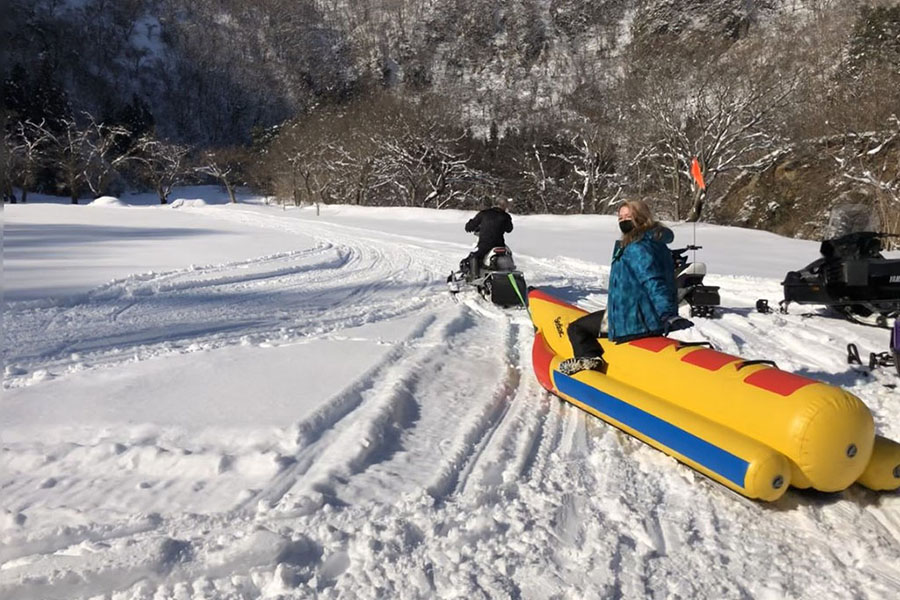
Looking for a fun place to enjoy the snow with the whole family? Ashinomaki Snow Park is a great place to enjoy the fluffy Fukushima snow. The snow park is set in a picturesque field that is bordered by a lovely forest and river.Activities such as snowmobile driving, banana boat riding, tubing, snowball fights are all possible here! You can even hang out in Japanese igloos or “kamakura” and roast mochi over a fire. Riding in banana boats and being pulled in snow boats are especially popular activities at the snow park. The snow park is also a popular destination for snowy photoshoots!If you want to visit on a weekday, reservations must be made by 5:00 p.m. the day before. For weekend visitors no reservation is required.Dates of operation are dependent on snowfall;  in general, dates are roughly mid-to-late January until late February. Please be aware that prices are subject to change.

Top