Matsugaoka Park

Matsugaoka Park

Matsugaoka Park is one of the oldest public parks in Iwaki, with origins going back to 1907. It was first developed around a large reservoir that doubled as a fire prevention water source. Rather than being designed as a purely ornamental space, the park grew gradually with plantings of cherry, plum, and azalea trees. That starting point still shapes the layout today, with the central pond acting as a focal point.

Within the park grounds stands a statue of Andō Nobumasa, a former lord of the Taira domain, reflecting the area’s connection to the old castle town.

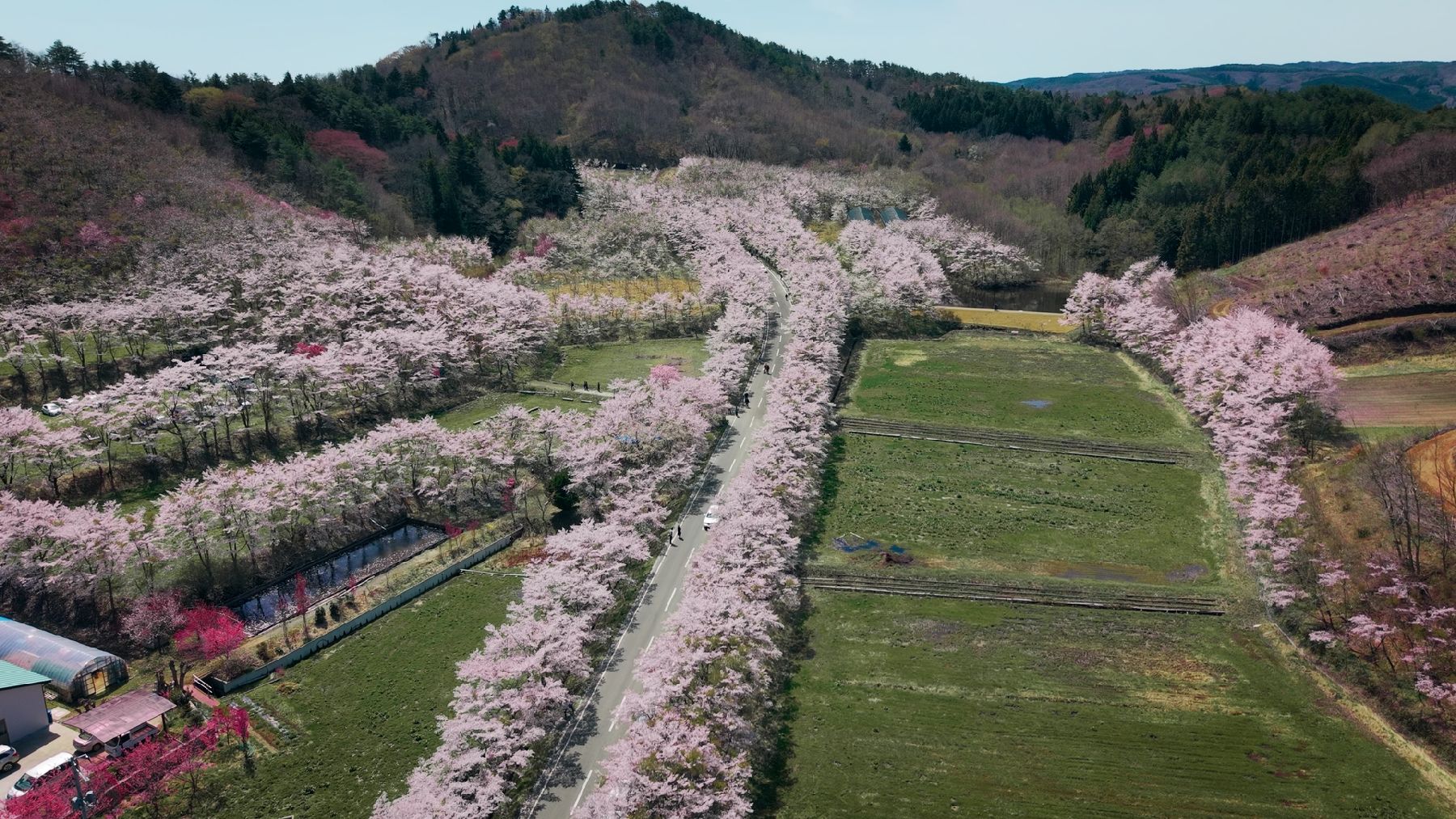
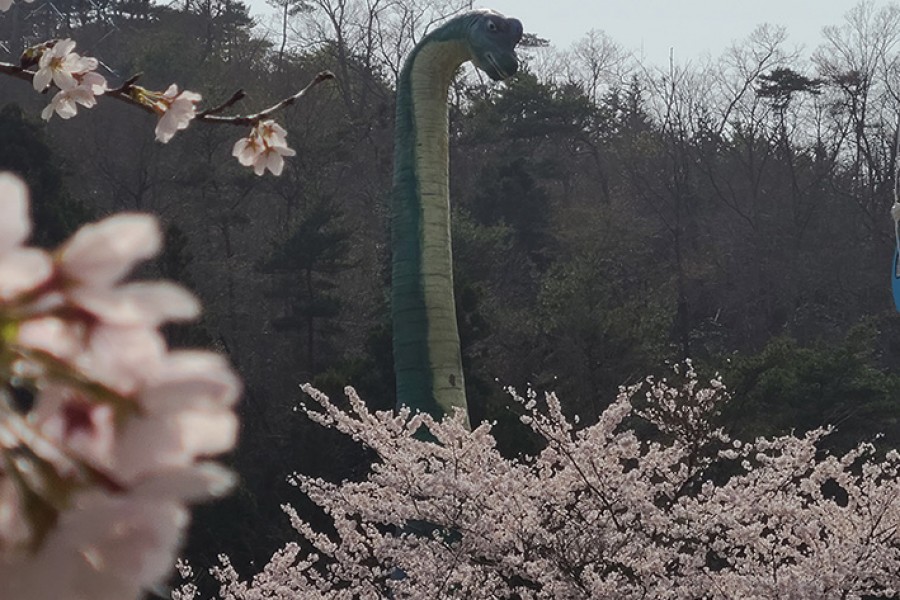
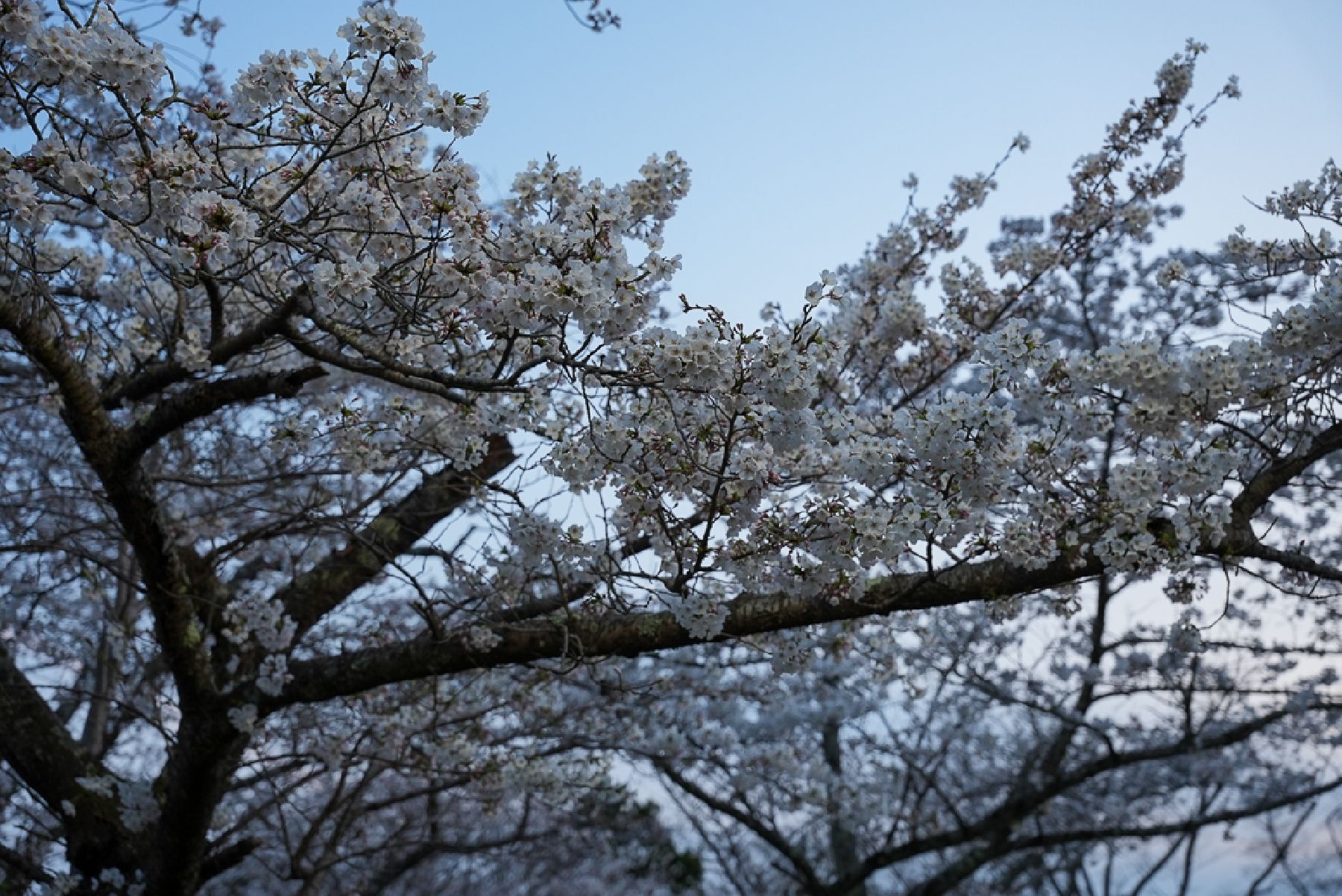
The park is best known for its cherry blossoms in spring. Around 200 Somei Yoshino cherry trees typically flower early compared to other spots in Iwaki, making it one of the first places locals associate with the start of hanami season. The azaleas - around 340 bushes, some originally transplanted from a former samurai residence in Tokyo - add a second wave of color slightly later. During peak bloom, the area is popular with groups and families, with food stalls set up around the park.

Covering roughly 37,000 square meters, Matsugaoka functions as a neighborhood park with everyday amenities: benches, a small playground, walking paths, and a modest pond.
Venue Details

Venue Details
Best Season
  • Spring
ParkingFree parking
Access Details
AccessYakuojidai-3 Taira, Iwaki, Fukushima 970-8026
View directions
Getting there

By Car: 10mins from Iwaki-chuo I.C.

By Train: Iwaki Station then 15min walk

Nearby

The World Glassware Hall
Gourmet & Shopping

Namie Roadside Station

Namie Town was once a bustling seaside town that was famous for their unique style of pottery and the large number of artisans in town. Along the coast the Suzuki Brewery created delicious local sake.After the Great East Japan Earthquake and Tsunami of 2011 and the following accident at the Fukushima Daiichi Nuclear Power Plant, the residents of Namie Town were forced to evacuate their town. Nearly all of the buildings close to the coastline were destroyed by the enormous tsunami wave, many lives were lost. When it became clear that evacuees would not be able to return to their homes, people were deeply saddened at the devastating loss of many of the neighbors, their homes and their hometown culture. As residents settled in other areas of Fukushima and continued their lives, many believed that the rich culture of the town that had been created for generation would be lost.However, people of Namie Town chose to fight to preserve the rich culture and traditions of their hometown. So, the Namie Roadside Station was created to do just that. Here visitors can learn about the unique style of pottery that originated in Namie Town, shop the collections of several Namie Town artisans, and even try a pottery class!The Namie Roadside Station is also the new home of the Suzuki Brewery that was formerly located at the Namie Town seaside before it was destroyed by the tsunami wave. The head brewer was able to evacuate, and has been continued the same brewing methods that were developed in Namie TownBy visiting the Namie Roadside Station you can support the preservation of the culture of this unique seaside town! You can also shop the wares of many locals who were affected by the disaster but nevertheless work hard to preserve their hometown culture.

The World Glassware Hall
Gourmet & Shopping

Full House Book Cafe

Full House is a stylish bookstore and cafe run by the critically-acclaimed novelist Yu Miri. It is located near the JR Odaka Station in Minamisoma City, in the coastal area of Fukushima prefecture.Full House is located on the ground floor of a refurbished house. The interior is wooden and elegant, and there is a selection of books in Japanese chosen by the author. The cafe serves meals like pasta and doria, as well as desserts and drinks with seasonal options.Yu Miri is famously known for her novel Tokyo Ueno Station (translated into English by Morgan Giles), which won the U.S. National Book Award in the Translated Literature category in 2019.Following 3.11, Ms. Miri has worked extensively to communicate the stories of residents of evacuated towns and villages in Fukushima’s coastal area, and has been living in Minamisoma City since 2015.When Ms. Miri moved to Minamisoma, there were no other bookstores open in the area —the few bookstores that had been there before 3.11 had closed following the evacuation—, so she decided to open her own in 2018, and named it ‘Full House’ after one of her novels.But something was missing. She quickly realized that people who traveled all the way to visit the store wanted to sit down with a warm drink, and there weren’t many restaurants or cafes nearby yet, so she decided to turn Full House into a book cafe the following year.Today, Full House is a lively and cozy hub where locals and visitors can bond over their love of coffee and literature.

You might also like

Shioyazaki Lighthouse
Nature & Scenery

Shioyazaki Lighthouse

Shioyazaki Lighthouse (塩屋崎灯台) stands on the Usuiso Coast of Iwaki City in eastern Fukushima. Now a historical landmark, the lighthouse was first erected in 1899. Despite having sustained considerable damage from natural disasters over the years, including the 2011 tsunami, the lighthouse has been rebuilt and restored and now enjoys great popularity. Many visitors climb to the top to enjoy its stunning views of the ocean.It was counted among the 50 best lighthouses in Japan. Consider visiting during sunset: seeing the ocean bathed in the beautiful afternoon light is the perfect way to end the day.

Nakakamado Maple Tree
Nature & Scenery

Nakakamado Maple Tree

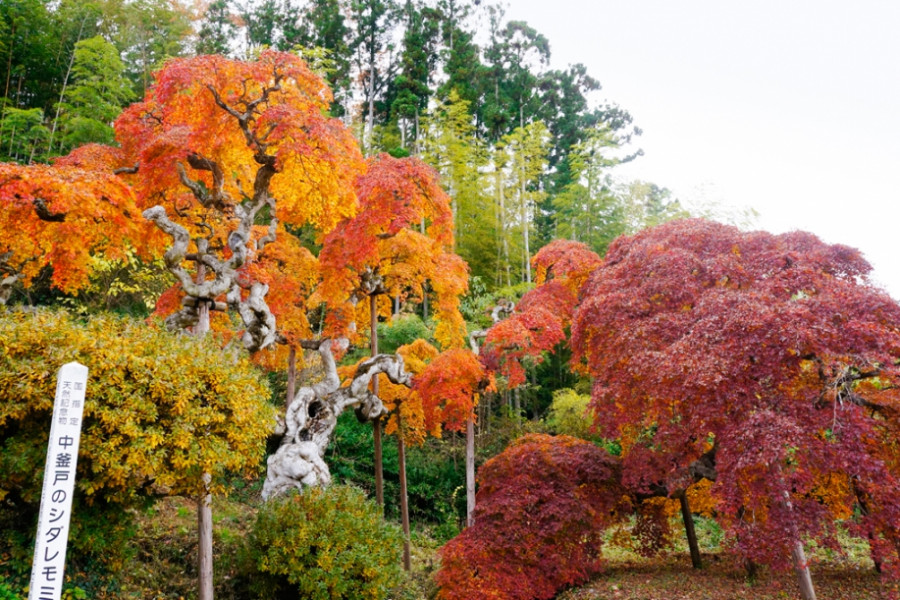
Nakakamado is a very uniquely-shaped maple tree. This incredible tree – designated as a Natural Monument – looks like an open umbrella, and has 3 m of roots that protrude out of the ground. If visiting during autumn-leaf season, it’s best to plan your trip for mid to late-November. That being said, Nakakamado can be enjoyed through each of the four seasons – visitors can appreciate the fresh green leaves that cover it in spring, and the very unusual shape of the branches after the autumn leaves fall.  

Shirahata Gingko Tree
Nature & Scenery

Shirahata Gingko Tree

Listed as a prefectural natural monument, the striking sight of the red torii gate at the foot of Shirahata Gingko Tree brings photographers and sightseers from up and down the eastern coast of Tohoku.It's also known as the 'upside-down gingko', owing to a legend that warlord Date Masamune planted a gingko whip upside down in the ground during an attack on Shinchi in the late 1500s. The best time to see the vibrant yellow leaves is usually the last week of November or first week of December.Although there is no parking lot specifically, there is space for cars to park on the green within sight of the tree.

Top