Michi-no-Eki Namie (Roadside Station)

Michi-no-Eki Namie (Roadside Station)

Namie Town was once a bustling seaside town that was famous for their unique style of pottery and the large number of artisans in town. Along the coast the Suzuki Brewery created delicious local sake.

After the Great East Japan Earthquake and Tsunami of 2011 and the following accident at the Fukushima Daiichi Nuclear Power Plant, the residents of Namie Town were forced to evacuate their town. Nearly all of the buildings close to the coastline were destroyed by the enormous tsunami wave, many lives were lost. When it became clear that evacuees would not be able to return to their homes, people were deeply saddened at the devastating loss of many of the neighbors, their homes and their hometown culture. As residents settled in other areas of Fukushima and continued their lives, many believed that the rich culture of the town that had been created for generation would be lost.

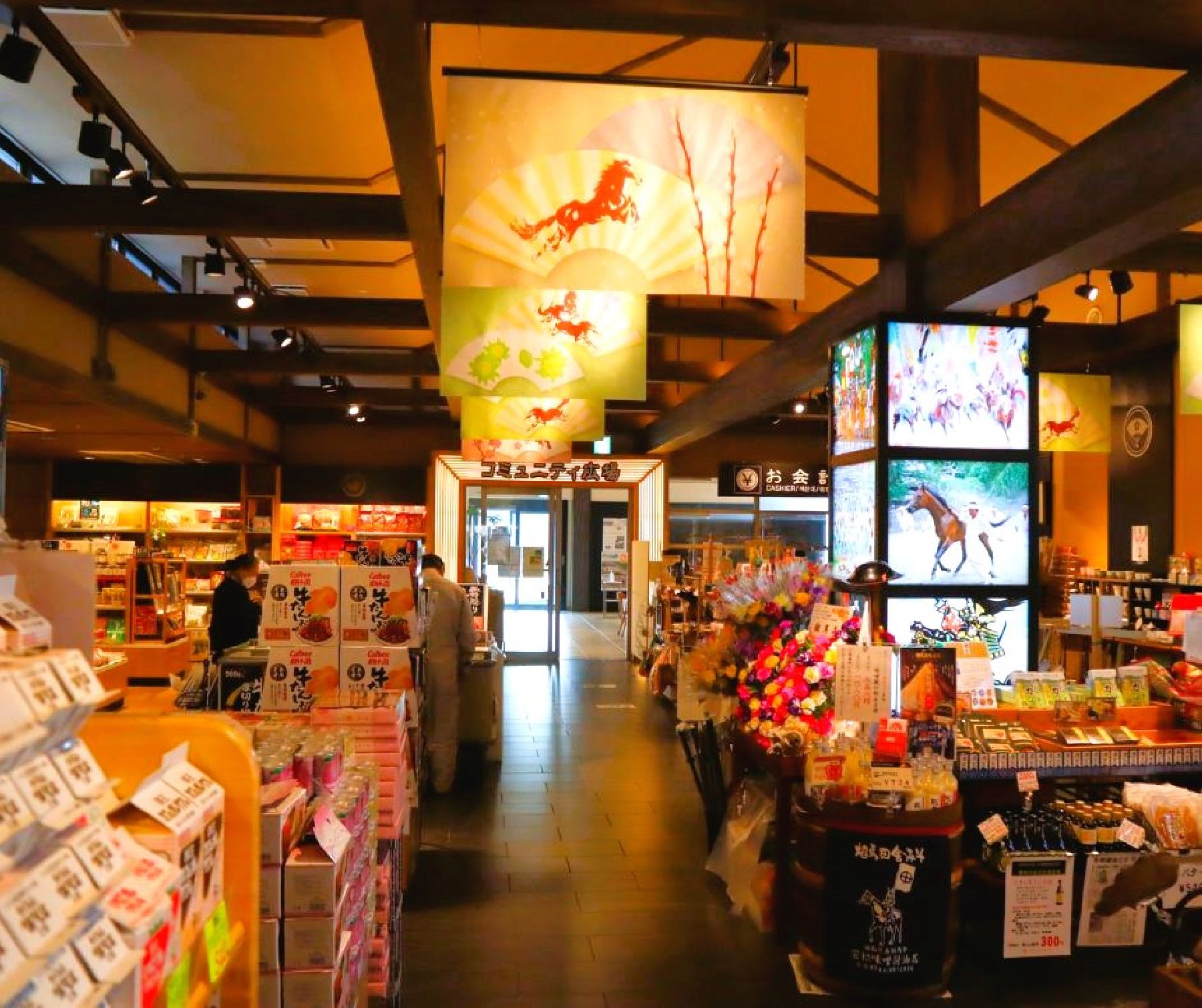
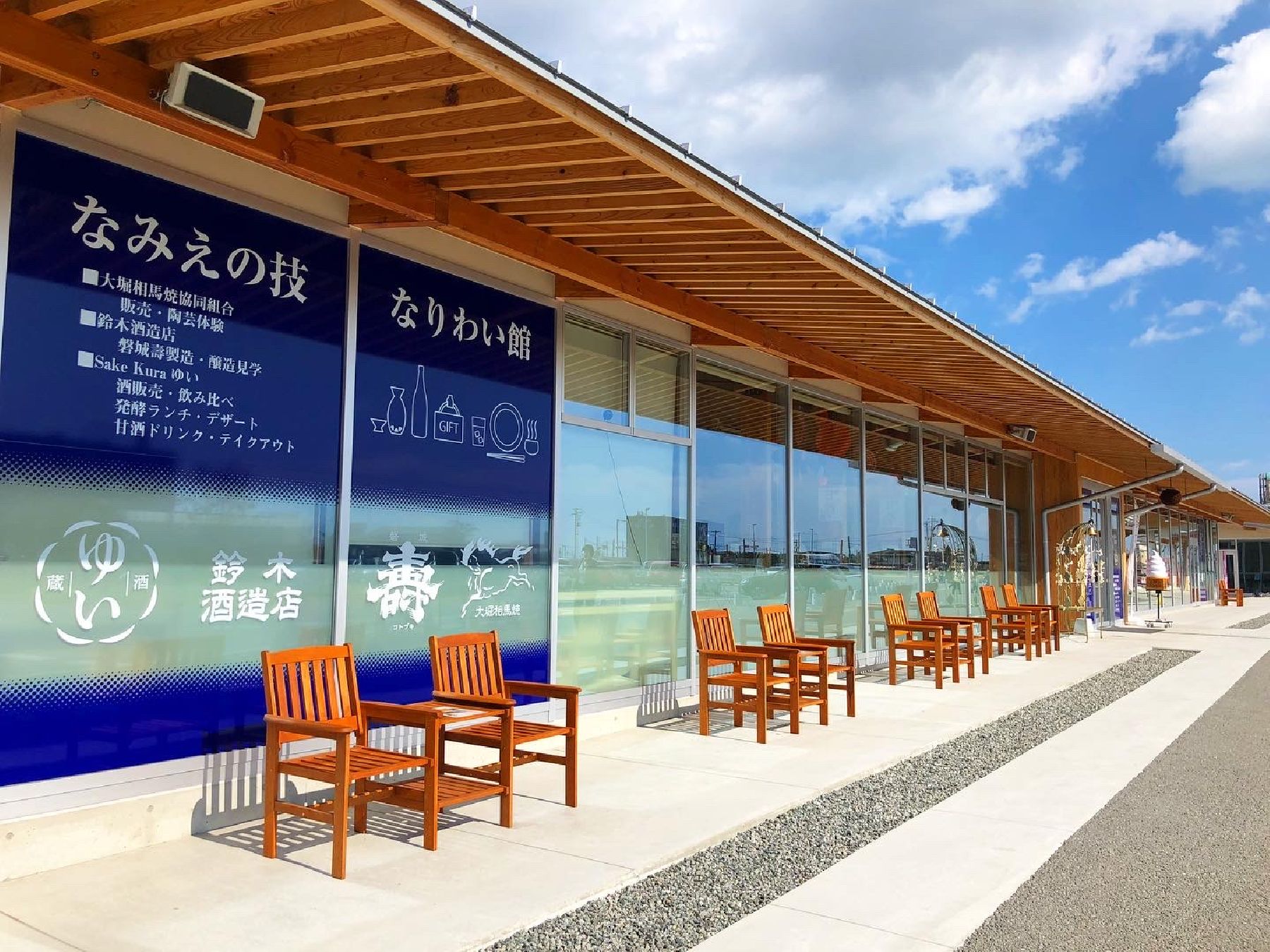
However, people of Namie Town chose to fight to preserve the rich culture and traditions of their hometown. So, the Namie Roadside Station was created to do just that. Here visitors can learn about the unique style of pottery that originated in Namie Town, shop the collections of several Namie Town artisans, and even try a pottery class!

The Namie Roadside Station is also the new home of the Suzuki Brewery that was formerly located at the Namie Town seaside before it was destroyed by the tsunami wave. The head brewer was able to evacuate, and has been continued the same brewing methods that were developed in Namie Town

By visiting the Namie Roadside Station you can support the preservation of the culture of this unique seaside town! You can also shop the wares of many locals who were affected by the disaster but nevertheless work hard to preserve their hometown culture.
Venue Details

Venue Details
Websitehttps://michinoeki-namie.jp/info/
Contact

0240-23-7121

Best SeasonAll Year
Opening Hours

10:00 AM - 4:00 PM

ParkingFree
Entrance FeeFree
Access Details
AccessChimeiji Kiyohashi, Namie, Futaba District, Fukushima 979-1513
View directions
Getting there

By Car: 8 min from the Namie I.C. exit off the Joban Expressway.

By Train: 15 min walk from Namie Station on the JR Joban Line.

Nearby

The World Glassware Hall
Museums & Galleries

Iwaki City Coal & Fossil Museum (Horuru)

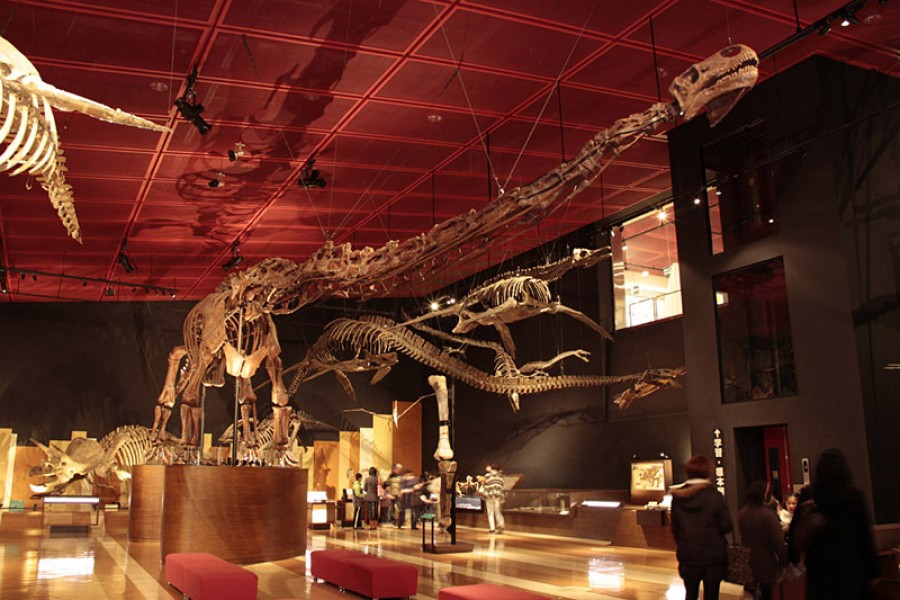
Lovingly referred to as 'Horuru' by locals, Iwaki City Coal & Fossil Museum is home to exhibitions on the city's history of coal mining. Horuru also exhibits a range of fossils, including the locally-excavated Plesiosaur Futabasaurus, which was discovered by a high school student. There are also some hands-on experiences to try out, such as making your own amber accessories. Horuru is accessible on foot from Iwaki Yumoto Onsen town, and is a great addition to any trip to the Iwaki area.

The World Glassware Hall
History & Culture

Bentenjima

In a crescent shaped cove separated from the mainland on the small island known as Bentenjima Island, you will find the mysterious Bentenjima Shrine. The vermillion painted tori gate stands out against the jagged stone and the powerful waves. It is believed that the shrine was land based until an earthquake that occurred in 1410 resulted in the formation of this jagged rock island. The construction date of the original shrine is unknown. The island is also known as Wanigafuchi because, according to legend, a creature known as a “wanizame” (crocodile shark) lived on the island. Half crocodile, half shark, this creature can be seen in many old Japanese paintings. The creature may have been believed to cause the swirling water and violent waves that crashed against the rocks, sometimes resulting in people getting swept into the water. Another legend suggests that the wanizame once kidnapped a young woman from Iwaki who had wandered out to explore the island.This coast is lined with small round pebbles that shine when the water hits them. However, do not take any of these pebbles home, as legend says that anyone who takes pebbles home from this coast will suffer from eye disease. This area was once a very popular destination for tourists and the Iwaki city website linked below features many photos. Although the page is in Japanese, it's viewable using the translation function on web browsers.Hattachi-Yakushi Temple is located near the shrine and is worth visiting, but please do not park there while accessing Bentenjima as it is disrespectful to the temple monks and patrons.

The World Glassware Hall
History & Culture

Soma Nakamura Shrine

Soma Nakamura Shrine, long revered for enshrining the patron deity of the Soma clan, is built on a small hill in the western area of the Nakamura Castle grounds by Baryo Park.The shrine was erected in 1643 by Soma Yoshitsune, the 18th head of the Soma family.The main shrine is a an example of Gongen Shinto architecture, in which the main hall and worship hall are connected by a passageway, and the lacquer, painting, and metal fixtures are authentic representations of its Kan'ei era construction.The shrine was designated as a national important cultural property in 1984.

You might also like

Full House Book Cafe
Gourmet & Shopping

Full House Book Cafe

Full House is a stylish bookstore and cafe run by the critically-acclaimed novelist Yu Miri. It is located near the JR Odaka Station in Minamisoma City, in the coastal area of Fukushima prefecture.Full House is located on the ground floor of a refurbished house. The interior is wooden and elegant, and there is a selection of books in Japanese chosen by the author. The cafe serves meals like pasta and doria, as well as desserts and drinks with seasonal options.Yu Miri is famously known for her novel Tokyo Ueno Station (translated into English by Morgan Giles), which won the U.S. National Book Award in the Translated Literature category in 2019.Following 3.11, Ms. Miri has worked extensively to communicate the stories of residents of evacuated towns and villages in Fukushima’s coastal area, and has been living in Minamisoma City since 2015.When Ms. Miri moved to Minamisoma, there were no other bookstores open in the area —the few bookstores that had been there before 3.11 had closed following the evacuation—, so she decided to open her own in 2018, and named it ‘Full House’ after one of her novels.But something was missing. She quickly realized that people who traveled all the way to visit the store wanted to sit down with a warm drink, and there weren’t many restaurants or cafes nearby yet, so she decided to turn Full House into a book cafe the following year.Today, Full House is a lively and cozy hub where locals and visitors can bond over their love of coffee and literature.

The Suzuki Brewery in Namie Town
Gourmet & Shopping

The Suzuki Brewery in Namie Town

The Suzuki Sake Brewery used to operate a sake brewery in Namie Town's Ukedo district, this building was located steps from the sea and was physically destroyed by the tsunami wave. This left the owner of the brewery without a home or a livelihood.They managed to evacuate with the necessities of the brewery and after the disaster, the brewery was moved to Nagai City to the mountains of Yamagata Prefecture in October 2011 (the same year as the earthquake). Since then, they’ve continued to brew sake with the hope of preserving the traditional sake brewing techniques that had been developed by generations of brewers in Namie Town.Finally, on March 20, 2021, the brewery was able to return to its hometown of Namie with the opening of a new brewery at the Namie Roadside Station. Here, visitors can watch the Suzuki brewers at work making their delicious sake. They even use locally grown rice to make some of their sake, with a focus on maintaining their hometown flavor.At the Namie Roadside Station, you can visit the sake brewery and taste their freshly brewed sake. For visitors who don't drink sake, there is also a sake flavored soft serve ice cream that is absolutely delicious. The soft serve comes in a traditional wooden sake cup!

Michi-no-Eki Madeikan (Roadside Station)
Gourmet & Shopping

Michi-no-Eki Madeikan (Roadside Station)

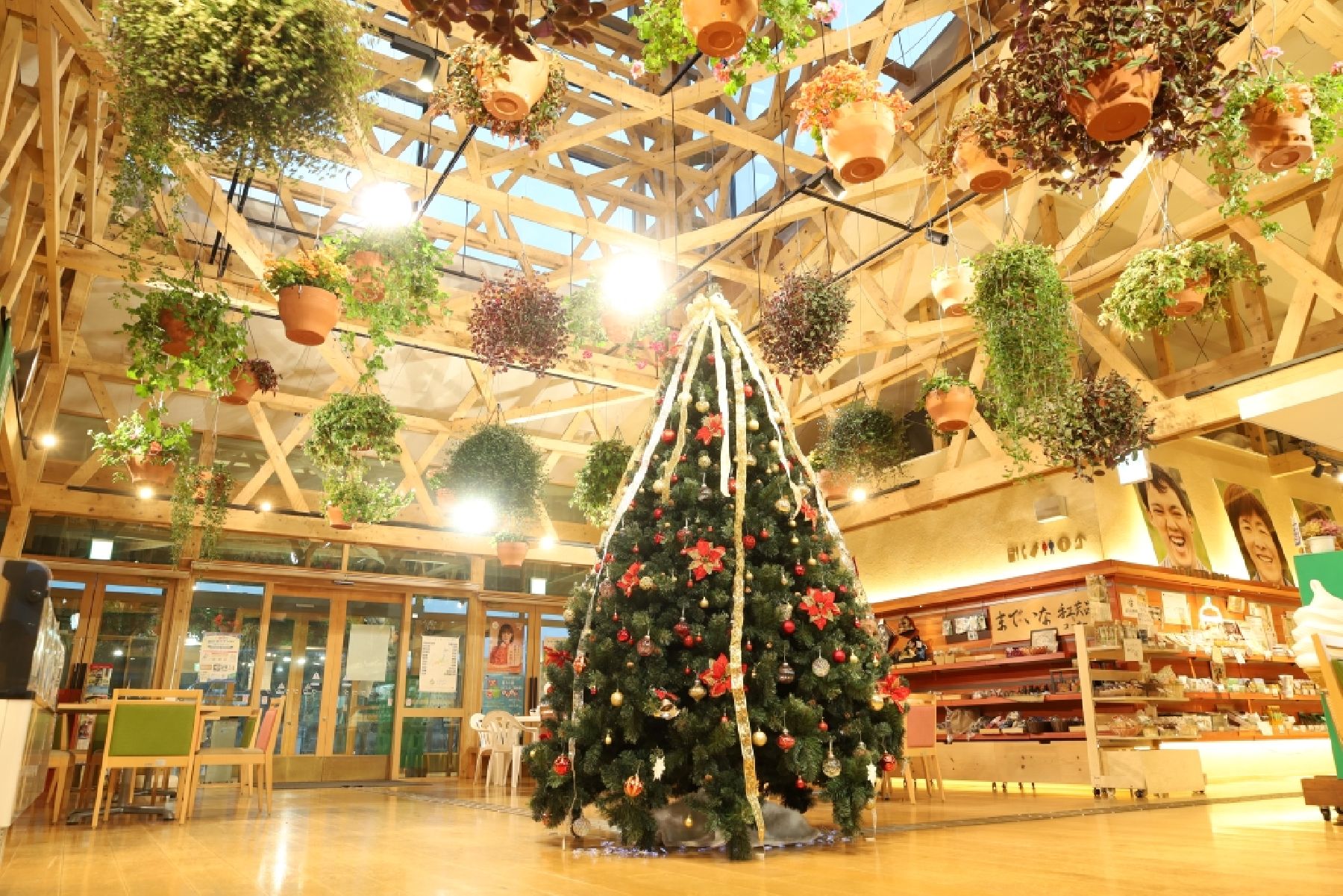
Madeikan is an excellent stopping point when heading east to the Soma region thanks to its clean, modern design and array of services. Like many roadside stations, it is outfitted with two restaurants in a food court style where dishes are bought using nearby ticket machines. There is a good-sized market selling local produce, as well as a souvenir shop selling goods and crafts.The term 'madei' is a local term that depicts the slow and thoughtful way of life in Iitate Village. As such, the roadside station is intended as a place where people can unwind and take their time.When you enter the main hall of Madeikan, you're greeted by a stunning display of hanging flowers in the rafters - growing these flowers is the main industry of the village and a source of pride. The display changes season to season, meaning you're likely to see a different arrangement every time you visit.The service station is popular in summer time, when nearby sunflower fields are in full bloom, then again in winter time for its Christmas illuminations, which take place in the park behind the main building. Lights are usually turned on around 4:30pm, when it begins to get dark.

Top