Odaka Micro Stand Bar (OMSB)

Odaka Micro Stand Bar (OMSB)

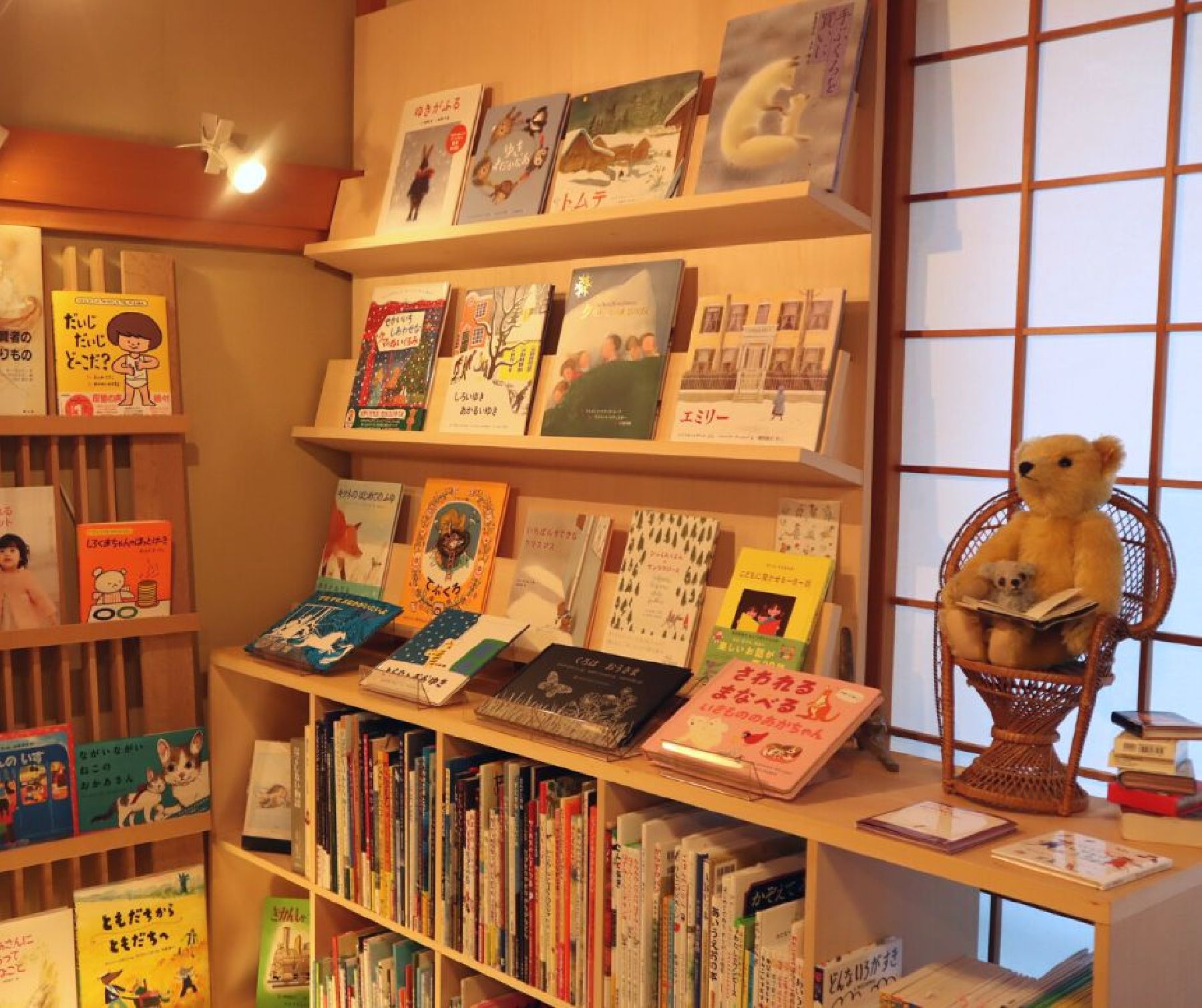
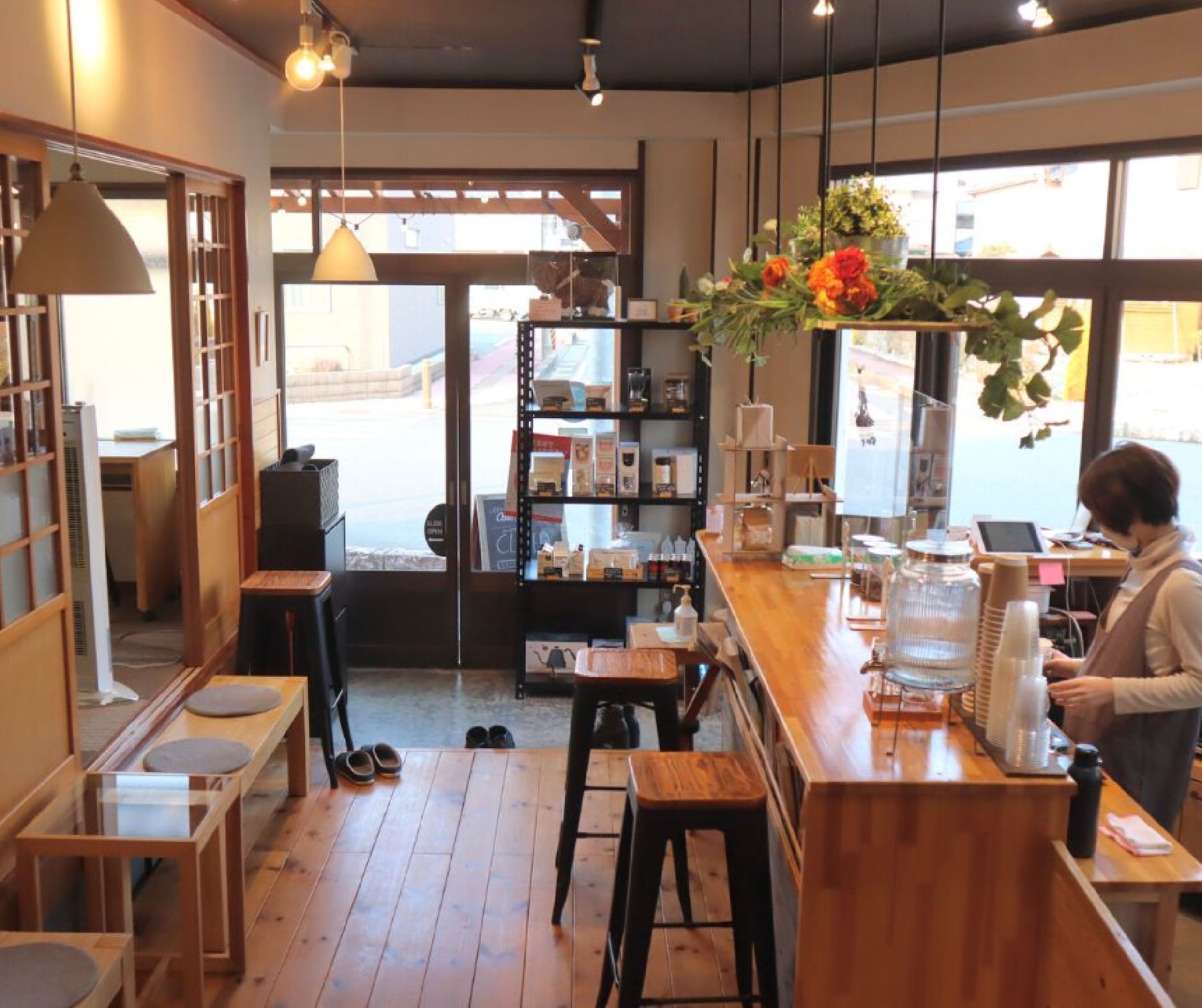
Odaka Micro Stand Bar (OMSB, “omusubi”) is a cafe located near the JR Odaka Station (小高駅) in Minamisoma City, in the coastal area of Fukushima prefecture.

This narrow but charming coffee house is popular among visitors and residents, who gather to indulge in its pastries and freshly brewed coffee. Odaka is an area that saw its population decrease to zero for several years while the evacuation order was in place following the nuclear accident.

Mr. Takashi Moriyama, a young IT specialist and entrepreneur, decided to open a kitchen car cafe in front of the JR Odaka Station in 2016, after the evacuation order was lifted in the area, to serve returning residents.

Mr. Moriyama knew he wanted to play a part in revitalizing Odaka. At the time, there weren’t many other stores or businesses open in the area. He decided to launch a crowdfunding campaign to open a cafe, bakery and coworking space.

The campaign raised the necessary funds, and Odaka Micro Stand Bar, the cafe that he envisioned, finally opened to the public. The coworking space and offices on the first and second floor have also opened. OMSB also hosts programming lessons and IT literacy seminars for senior residents in the area.

So, more than only a cafe, OMSB is a place where the community comes together, bridging the old and the new.

Odaka Micro Stand Bar serves coffee, sandwiches, pastries, matcha and more. We recommend enjoying their rich hot chocolate on a winter afternoon.

Venue Details

Venue Details
Websitehttps://omsb.co/
Contact

https://www.facebook.com/odakao.msb/

Best SeasonAll Year
Opening Hours

Tuesdays, Wednesdays and Thursdays 11:00 a.m. - 6:00 p.m. (Last order is at 5:30 p.m.)<br>Saturdays: 11:00 a.m. - 5:00 p.m. (Last order is at 5:00 p.m.)<br>

Sundays, Mondays and Fridays

ParkingAvailable
Related infoFree wifi available.
Access Details
Access1-67 Higashimachi, Odaka, Minamisoma City, Fukushima Pref. 979-2121
View directions
Getting there

By Public Transportation: 3 min. walk from JR Odaka Station (JR Joban Line)

By Car: 22 min from the Minamisoma I.C. exit (Joban Expressway)

Nearby

The World Glassware Hall
Nature & Scenery

Shirahata Gingko Tree

Listed as a prefectural natural monument, the striking sight of the red torii gate at the foot of Shirahata Gingko Tree brings photographers and sightseers from up and down the eastern coast of Tohoku.It's also known as the 'upside-down gingko', owing to a legend that warlord Date Masamune planted a gingko whip upside down in the ground during an attack on Shinchi in the late 1500s. The best time to see the vibrant yellow leaves is usually the last week of November or first week of December.Although there is no parking lot specifically, there is space for cars to park on the green within sight of the tree.

The World Glassware Hall
Nature & Scenery

Nijuisseiki-no-Mori Park (21st Century Forest Park)

Stretching over more than 80 hectares, Nijuisseiki-no-Mori Park (二十一世紀の森公園) is a true haven for recreation; complete with a tennis court, a baseball stadium, a skateboard park, and a family sports garden, as well as a variety of flower fields, trees and shrubs.21st Century Forest Park is also a popular cherry blossom spot: it has both early-blooming Kawazu-sakura (which mostly bloom mid-February to mid-March) as well as Somei Yoshino cherry blossom trees (which typically bloom sometime between early to mid-April).During winter each year illumination events are held in the park, and, during autumn, the bright colored leaves attract plenty of visitors. During the summer, sunflowers and rapeseed flowers bloom, so the park truly offers ways to enjoy nature all year round.

You might also like

Iwaki Lalamew
Gourmet & Shopping

Iwaki Lalamew

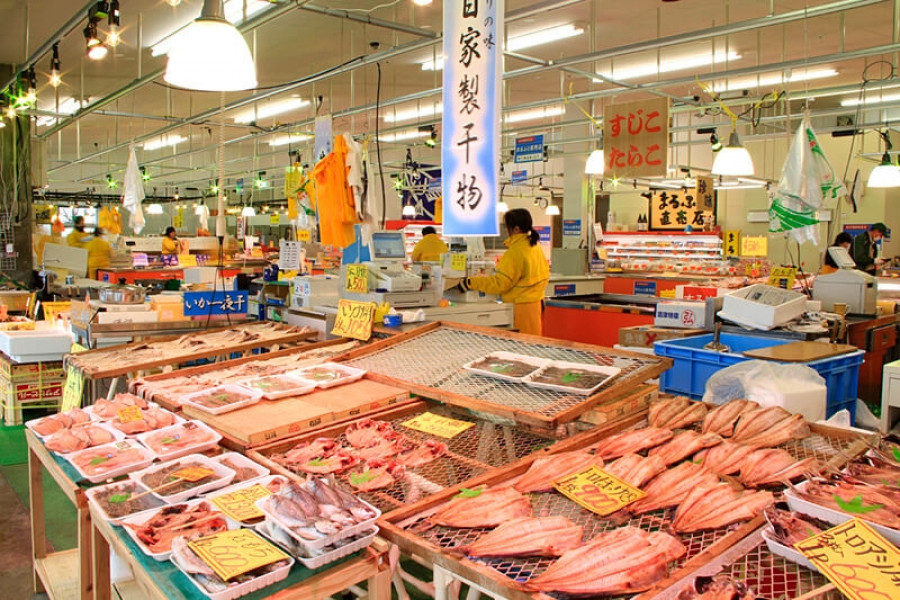
At Iwaki's Tourism and Products Center, visitors can purchase products and specialties from Iwaki as well as enjoy eating local produce. The Tourism and Products Center also introduces visitors to Iwaki City's local history and culture.The Lalamew complex includes 7 fish shops, 15 gift shops, and 12 eating and drinking establishments. The fish shops have the feel of an open-air market, and visitors can bargain for seafood direct from the port.Please enjoy dining in the establishments that present to you an abundance of seasonal seafood.

Roadside Station Madeikan (Iitate Village)
Gourmet & Shopping

Roadside Station Madeikan (Iitate Village)

Madeikan is an excellent stopping point when heading east to the Soma region thanks to its clean, modern design and array of services. Like many roadside stations, it is outfitted with two restaurants in a food court style where dishes are bought using nearby ticket machines. There is a good-sized market selling local produce, as well as a souvenir shop selling goods and crafts.The term 'madei' is a local term that depicts the slow and thoughtful way of life in Iitate Village. As such, the roadside station is intended as a place where people can unwind and take their time.When you enter the main hall of Madeikan, you're greeted by a stunning display of hanging flowers in the rafters - growing these flowers is the main industry of the village and a source of pride. The display changes season to season, meaning you're likely to see a different arrangement every time you visit.The service station is popular in summer time, when nearby sunflower fields are in full bloom, then again in winter time for its Christmas illuminations, which take place in the park behind the main building. Lights are usually turned on around 4:30pm, when it begins to get dark.

Namie Roadside Station
Gourmet & Shopping

Namie Roadside Station

Namie Town was once a bustling seaside town that was famous for their unique style of pottery and the large number of artisans in town. Along the coast the Suzuki Brewery created delicious local sake.After the Great East Japan Earthquake and Tsunami of 2011 and the following accident at the Fukushima Daiichi Nuclear Power Plant, the residents of Namie Town were forced to evacuate their town. Nearly all of the buildings close to the coastline were destroyed by the enormous tsunami wave, many lives were lost. When it became clear that evacuees would not be able to return to their homes, people were deeply saddened at the devastating loss of many of the neighbors, their homes and their hometown culture. As residents settled in other areas of Fukushima and continued their lives, many believed that the rich culture of the town that had been created for generation would be lost.However, people of Namie Town chose to fight to preserve the rich culture and traditions of their hometown. So, the Namie Roadside Station was created to do just that. Here visitors can learn about the unique style of pottery that originated in Namie Town, shop the collections of several Namie Town artisans, and even try a pottery class!The Namie Roadside Station is also the new home of the Suzuki Brewery that was formerly located at the Namie Town seaside before it was destroyed by the tsunami wave. The head brewer was able to evacuate, and has been continued the same brewing methods that were developed in Namie TownBy visiting the Namie Roadside Station you can support the preservation of the culture of this unique seaside town! You can also shop the wares of many locals who were affected by the disaster but nevertheless work hard to preserve their hometown culture.

Café Amazon Kawauchi
Gourmet & Shopping

Café Amazon Kawauchi

Café Amazon Kawauchi is a modern cafe and restaurant located only 350 meters away from the Tenzan Bunko Museum. Café Amazon has over 1500 restaurants abroad, and serves Asian food and coffee.This was the first Café Amazon restaurant in Japan, opened to help reinvigorate Kawauchi, attract visitors and, of course, serve delicious Thai dishes!In 2016, following extensive revitalization efforts, all restrictions were lifted in Kawauchi village, which had had to be evacuated in 2011 following the nuclear accident. Kawauchi is now is a quiet, green village surrounded by mountains and streams, home to a few thousand people.But because the village had remained uninhabited for some time, the only coffee shop there had closed, and, left without a local hub, it seemed difficult for the community to rekindle—that’s when Thai restaurant chain Café Amazon stepped in.Café Amazon Kawauchi has a warm and light wooden interior (built using wood from Fukushima!), as well as a piano and guitar you can play freely. You can sit indoors or outdoors on a wooden deck.Café Amazon Kawauchi isn’t only a coffee shop, it’s a fundamental part of the reconstruction of Kawauchi village, a meeting place for both locals and visitors.

Top