Wonder Farm

Wonder Farm

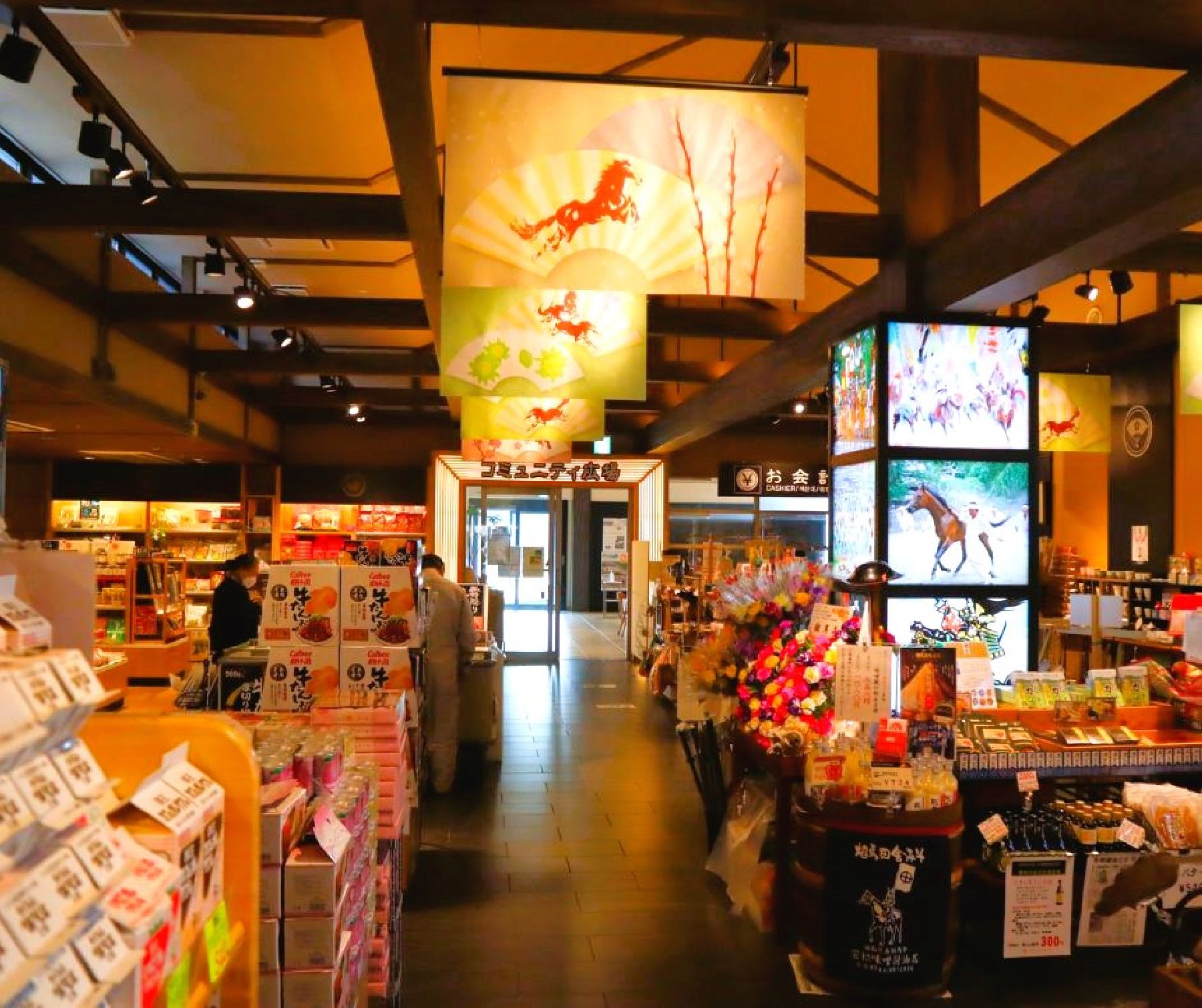
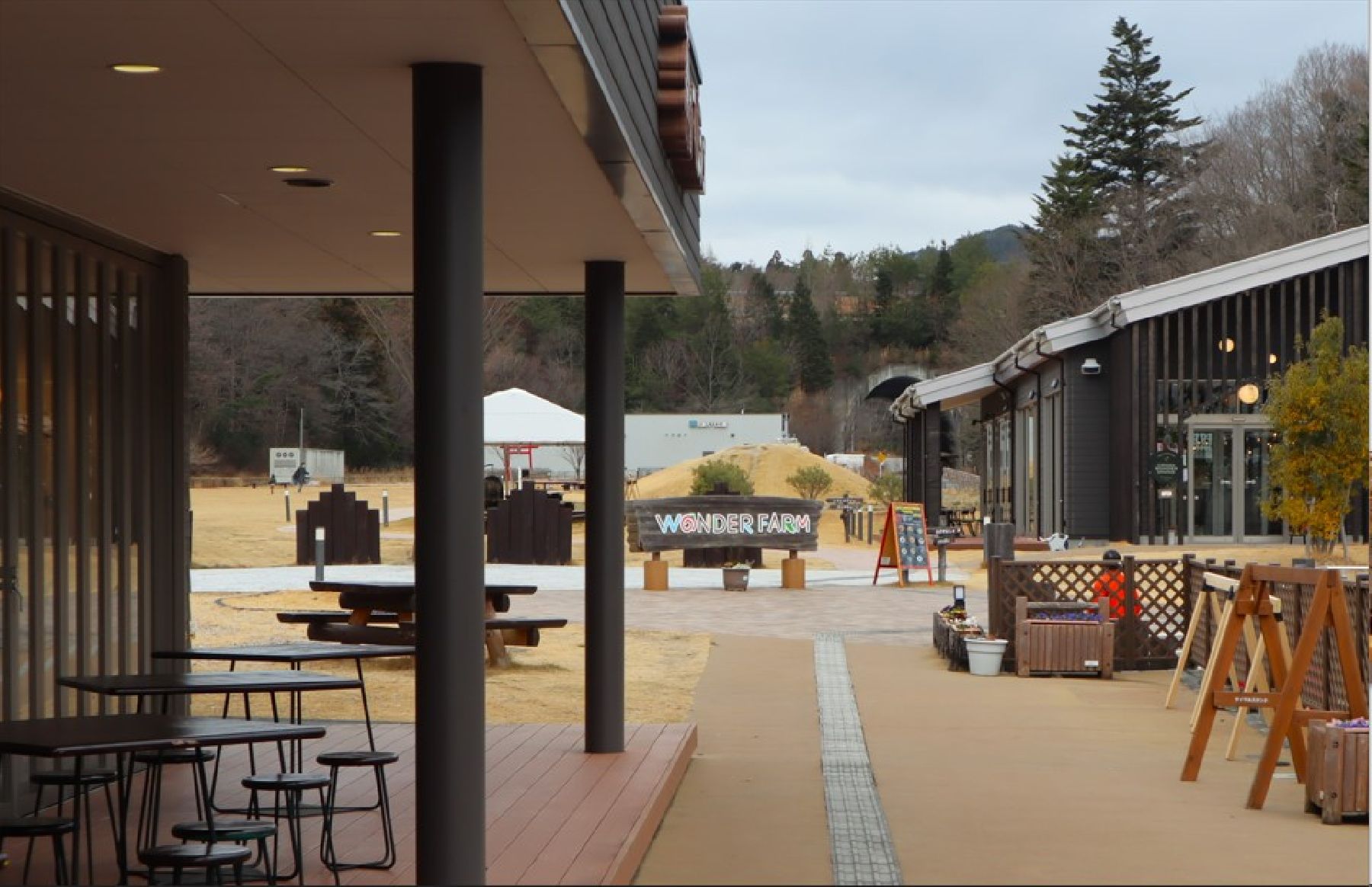
Wonder Farm, which covers the same area as 3.5 football pitches, includes a local products shop, restaurant, BBQ site, and tomato-picking experience!

Mori no Kitchen (the restaurant inside Wonder Farm) is stylish, comfortable, and serves great food. The delicious pizzas and tomato curries are particularly popular!  

Venue Details

Venue Details
Websitehttp://www.wonder-farm.co.jp/(Japanese)
Contact

Wonder Farm

Best SeasonAll Year
Opening Hours

Closed on Mondays

ParkingAvailable for free (Space for 171 vehicles, including 10 large buses)
Related infoMori no Marche (Shop) Opening Hours
9:30 AM - 5:00 PM

CROSS WONDER DINING (Restaurant) Opening Hours
Lunch: 11:00 AM - 3:30 PM (L.O. at 2:30 PM)
Dinner: 5:00 PM - 9:00 PM (L.O. at 8:00 PM)

Regular holiday
Closed on Mondays (if Monday is a national holiday, closed on the following Tuesday), Year-end and New Year holidays
Access Details
AccessHiromachi-1, Nakajima, Yotsukuramachi, Iwaki City, Fukushima Pref., 979-0215
View directions
Getting there

By Car: 3 min from the Yotsukura I.C. exit off the Joban Expressway

By Train: 15 min taxi ride from Yotsukura Station (JR Joban Line)

Nearby

The World Glassware Hall
History & Culture

Hattachi-Yakushi Temple

In the year 806, the holy priest Tokuichi constructed Hattachi-Yakushi Temple as a place of worship for the Buddhist deity who has the ability to ensure the safe voyage of seafarers. The temple grounds are extremely beautiful in spring when the hydrangeas bloom, earning the temple the local nickname ‘Hydrangea Temple’. In front of Hattachi-Yakushi Temple is Bentenjima Island and Shrine, and the Hattachi Coastline, which connects the mainland with the island. The Hattachi Coast is covered in unique gravel, which has traditionally been thought to have healing properties. However, removing a stone and bringing it home can have the opposite effect.

The World Glassware Hall
History & Culture

Shiramizu Amidado Temple

Shiramizu Amidado Temple (Amitabha Hall) was constructed in 1160 by Princess Tokuhime of the Oushu Fujiwara clan, which built the "golden culture" in Oushu (the present Tohoku Region). It is the only building in Fukushima Prefecture that has been designated as a national treasure. Inside the hall stands a wooden statue of Amida Nyorai as well as a number of other Buddhist statues such as Kannon Bosatsu, Seishi Bosatsu, Jikoku Tenno, and Tamon Tenno.The garden, called Jodo Teien (Jodo, or "the pure land", is the Buddhist paradise) is a realm of natural beauty in every season. The scenery is especially breathtaking in summer when the lotus flowers are in bloom, prompting one famous writer to liken the garden to a mythical paradise.

The World Glassware Hall
Nature & Scenery

Baryo Park

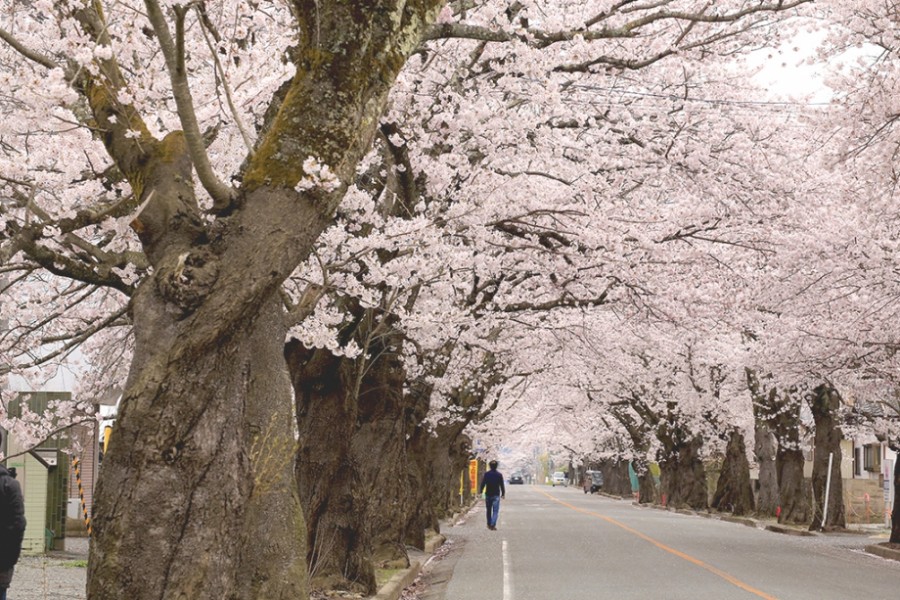
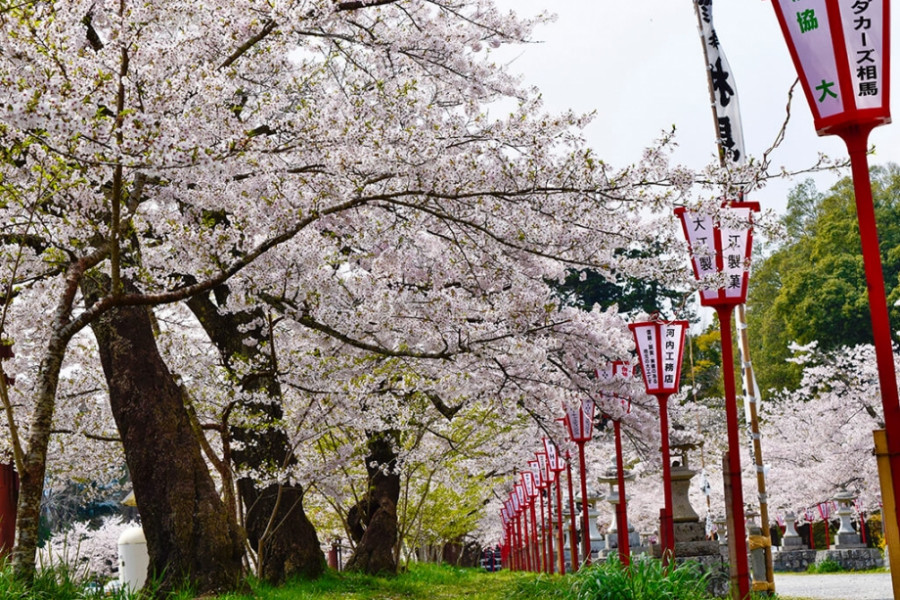
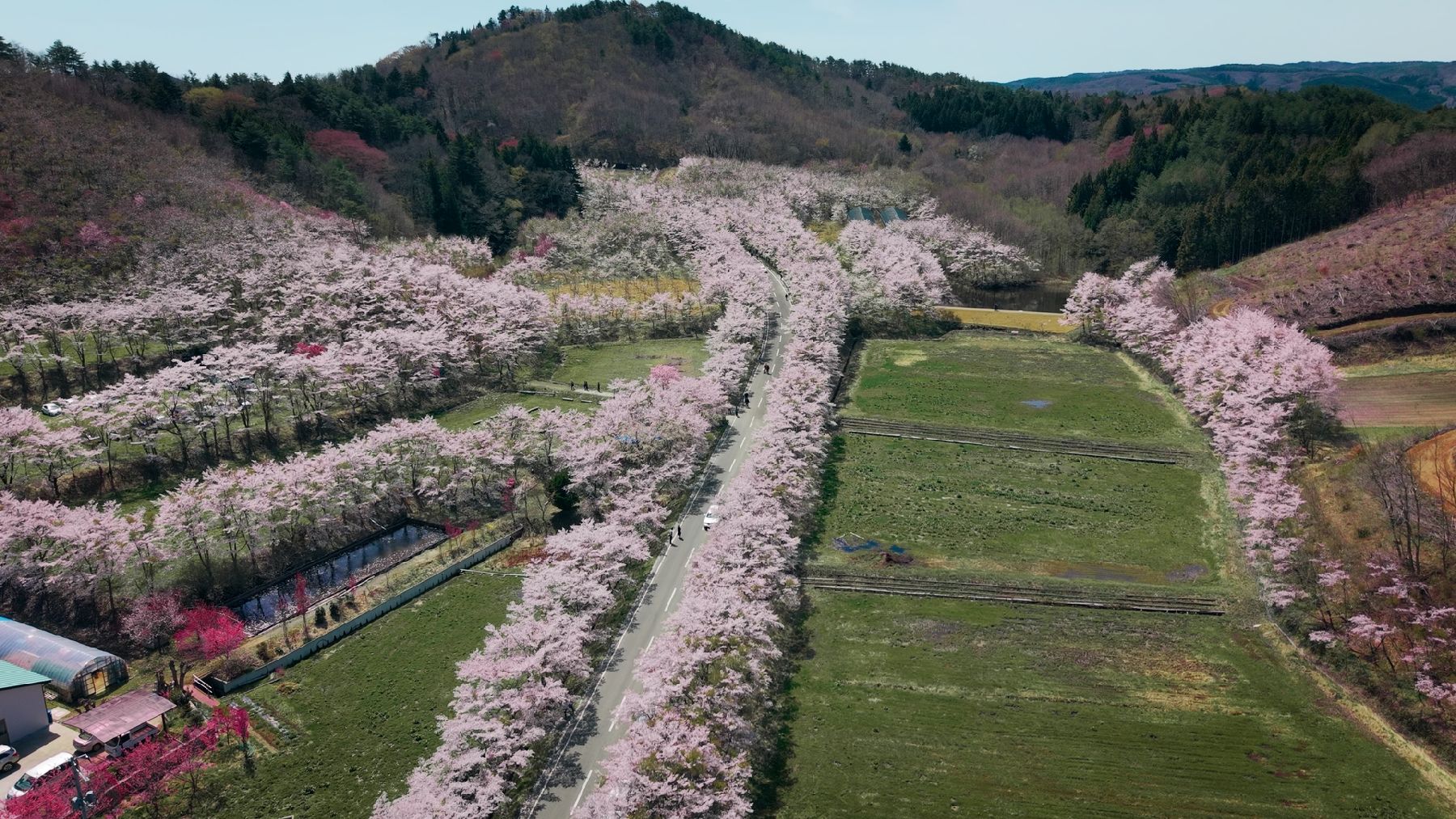
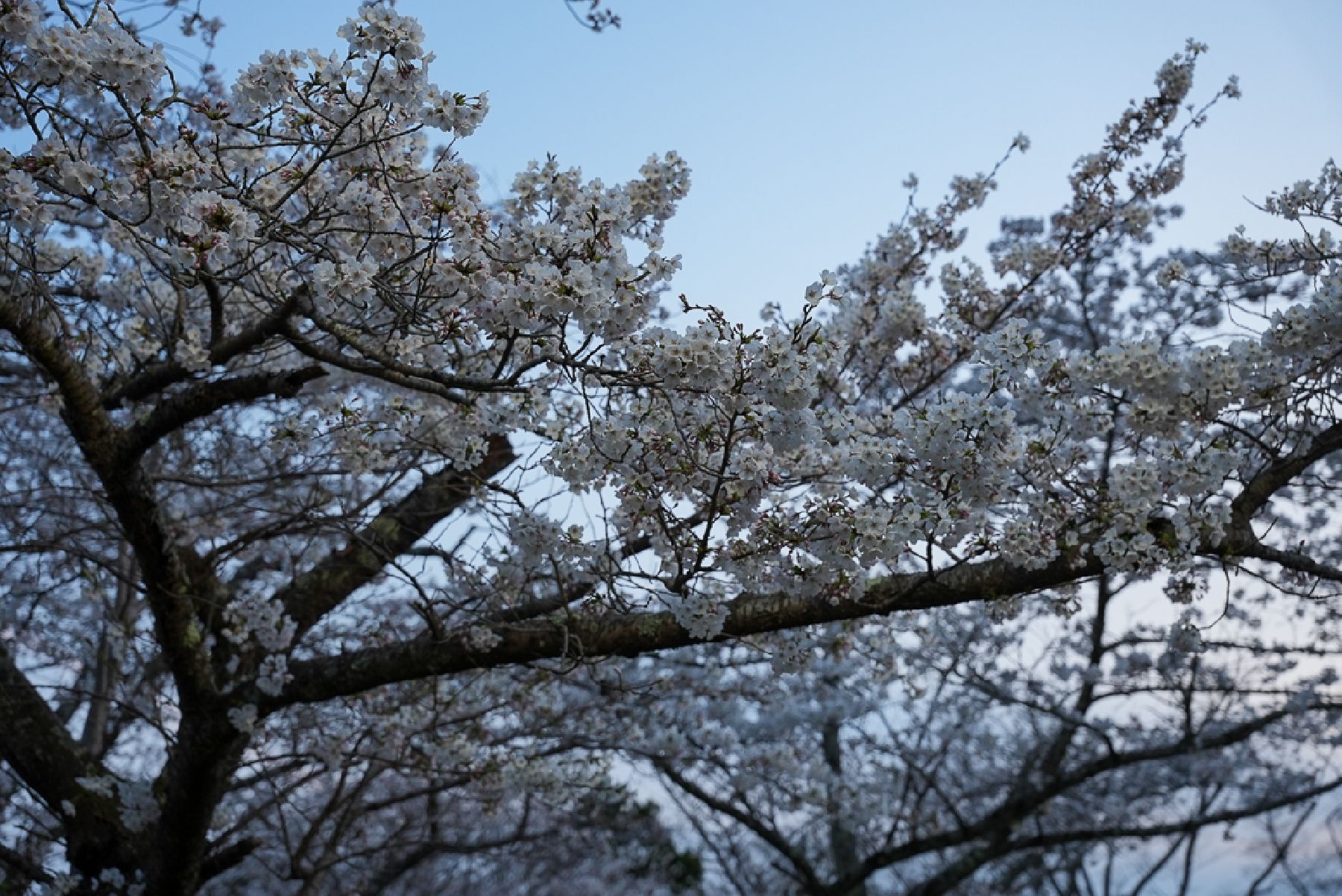
As the park's 630 Somei Yoshino cherry blossom trees bloom simultaneously, it is easy to be swept away by the scenery. You will be able to enjoy the coming of spring as you walk along rows of cherry blossom trees on the sando (a road which runs from the torii gate to the shrine).Baryo Park is a well-known location for viewing cherry blossoms, and every year from early to mid April the park holds a light-up event at night. We recommend you visit in the evening to see the cherry blossoms illuminated by the lights from the paper lanterns. A good spot for taking pictures is at the bottom of the sando, looking up at the torii.Soma Nakamura Shrine is connected to the park and is also worth a visit for its tranquil atmosphere and beautiful architecture.

You might also like

Nijuisseiki-no-Mori Park (21st Century Forest Park)
Nature & Scenery

Nijuisseiki-no-Mori Park (21st Century Forest Park)

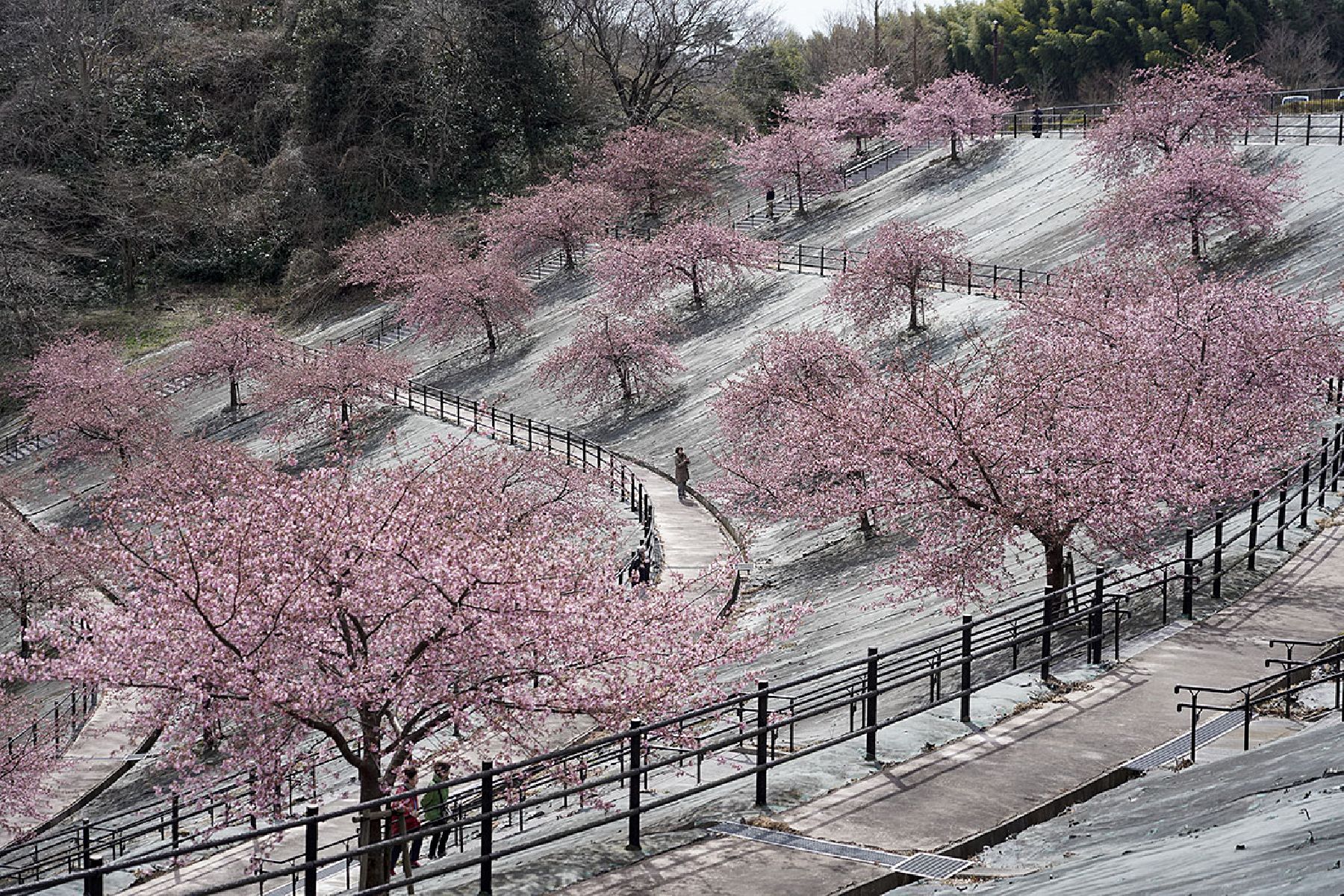
Stretching over more than 80 hectares, Nijuisseiki-no-Mori Park (二十一世紀の森公園) is a true haven for recreation; complete with a tennis court, a baseball stadium, a skateboard park, and a family sports garden, as well as a variety of flower fields, trees and shrubs.21st Century Forest Park is also a popular cherry blossom spot: it has both early-blooming Kawazu-sakura (which mostly bloom mid-February to mid-March) as well as Somei Yoshino cherry blossom trees (which typically bloom sometime between early to mid-April).During winter each year illumination events are held in the park, and, during autumn, the bright colored leaves attract plenty of visitors. During the summer, sunflowers and rapeseed flowers bloom, so the park truly offers ways to enjoy nature all year round.

Shioyazaki Lighthouse
Nature & Scenery

Shioyazaki Lighthouse

Shioyazaki Lighthouse (塩屋崎灯台) stands on the Usuiso Coast of Iwaki City in eastern Fukushima. Now a historical landmark, the lighthouse was first erected in 1899. Despite having sustained considerable damage from natural disasters over the years, including the 2011 tsunami, the lighthouse has been rebuilt and restored and now enjoys great popularity. Many visitors climb to the top to enjoy its stunning views of the ocean.It was counted among the 50 best lighthouses in Japan. Consider visiting during sunset: seeing the ocean bathed in the beautiful afternoon light is the perfect way to end the day.

Shirahata Gingko Tree
Nature & Scenery

Shirahata Gingko Tree

Listed as a prefectural natural monument, the striking sight of the red torii gate at the foot of Shirahata Gingko Tree brings photographers and sightseers from up and down the eastern coast of Tohoku.It's also known as the 'upside-down gingko', owing to a legend that warlord Date Masamune planted a gingko whip upside down in the ground during an attack on Shinchi in the late 1500s. The best time to see the vibrant yellow leaves is usually the last week of November or first week of December.Although there is no parking lot specifically, there is space for cars to park on the green within sight of the tree.

Top