Lake Inawashiro Sannokura Plateau Sunflower Field

Scroll

Welcome to the Lucky Island

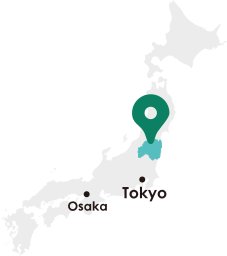
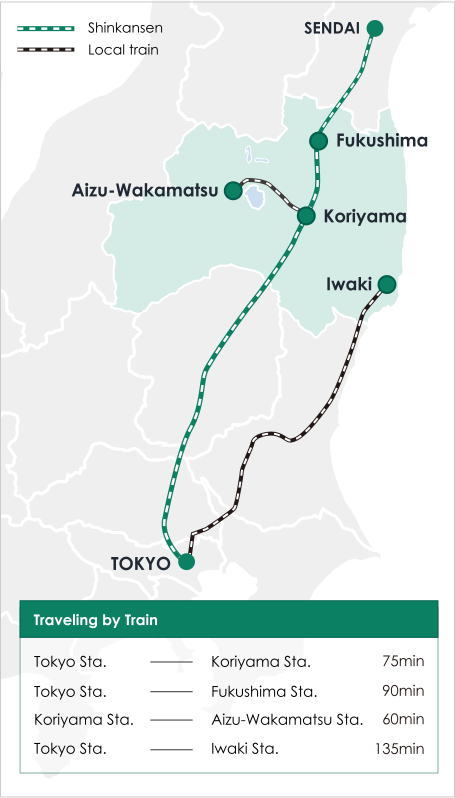
Located only 90 minutes north of Tokyo, Fukushima Prefecture is the third-largest prefecture in Japan, split into three unique regions that each offer a different way to experience Japanese culture.

Access to Fukushima Prefecture in Japan.
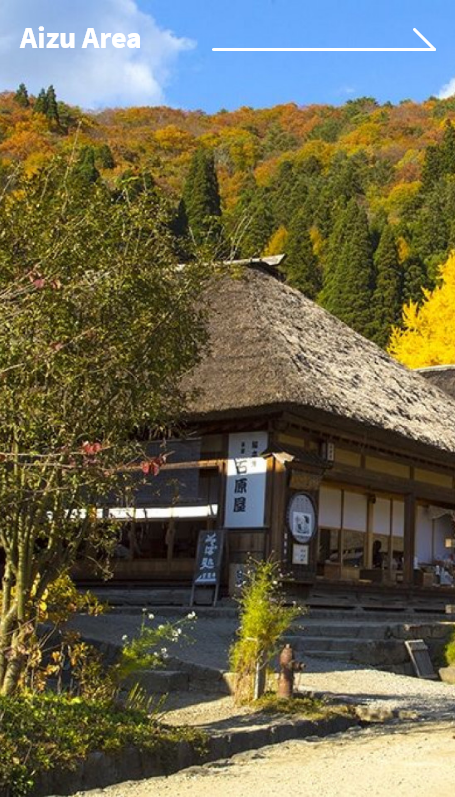
Aizu Area
Central Area
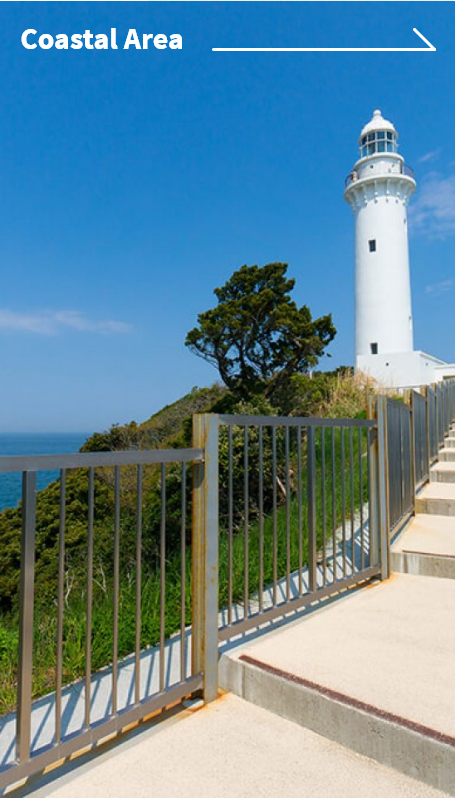
Coastal Area

Start Planning

Instagram

  • Connect with us

Activities in Fukushima

Once in a Lifetime Experiences

EXTREME FUKUSHIMA
UNIQUE IN FUKUSHIMA

Sightseeing Spots in Fukushima

Sannokura Plateau Sunflower Field
Nature & Scenery

Sannokura Plateau Sunflower Field

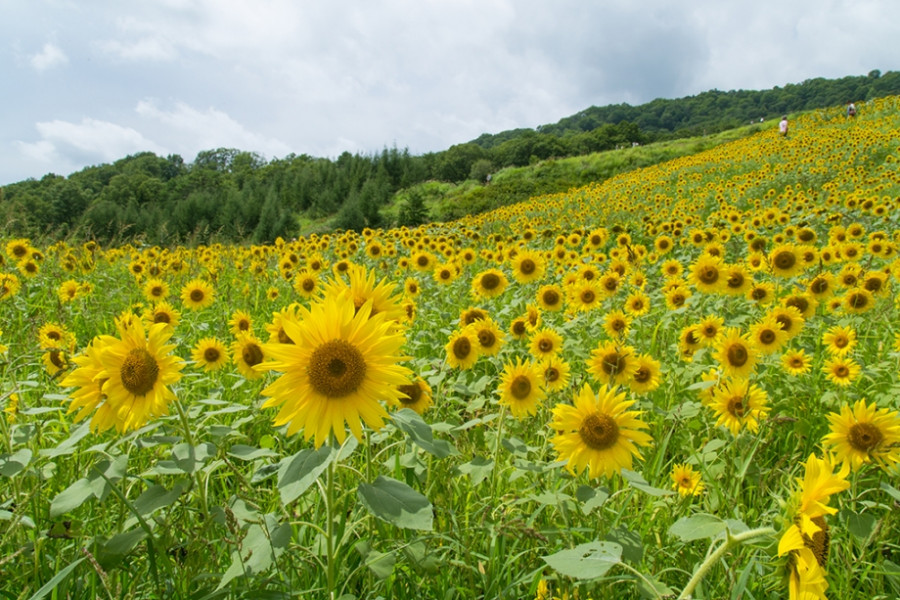
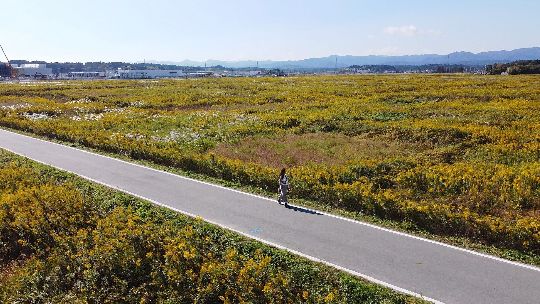
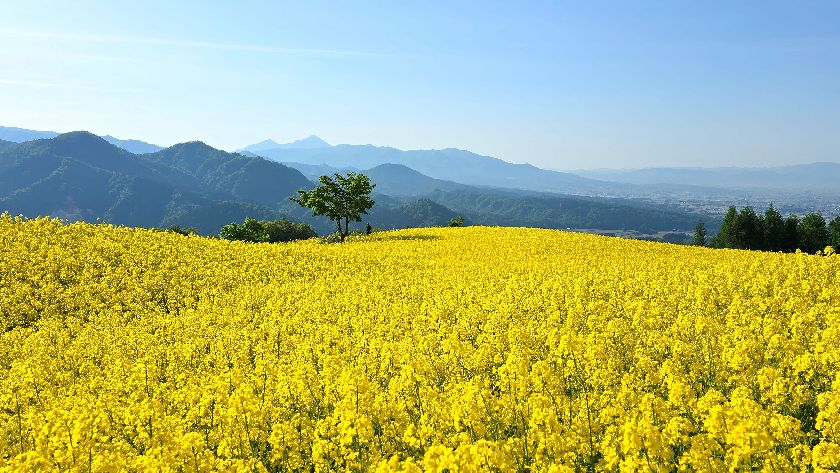
In summer, the 5.4 hectares of land within the Sannokura Ski Resort grounds become painted yellow with 1.5 million sunflowers. The sunflower field consists of 3 main areas, which can be enjoyed from early August to early September. Also, visitors to Sannokura Plateau between March and June can enjoy impressive views of fields of bright, yellow canola flowers. What's more, no matter the season, the panoramic views overlooking the Aizu basin from an elevation of 650 m make a visit to Sannokura Plateau very worthwhile. 

Abukuma Cave
Nature & Scenery

Abukuma Cave

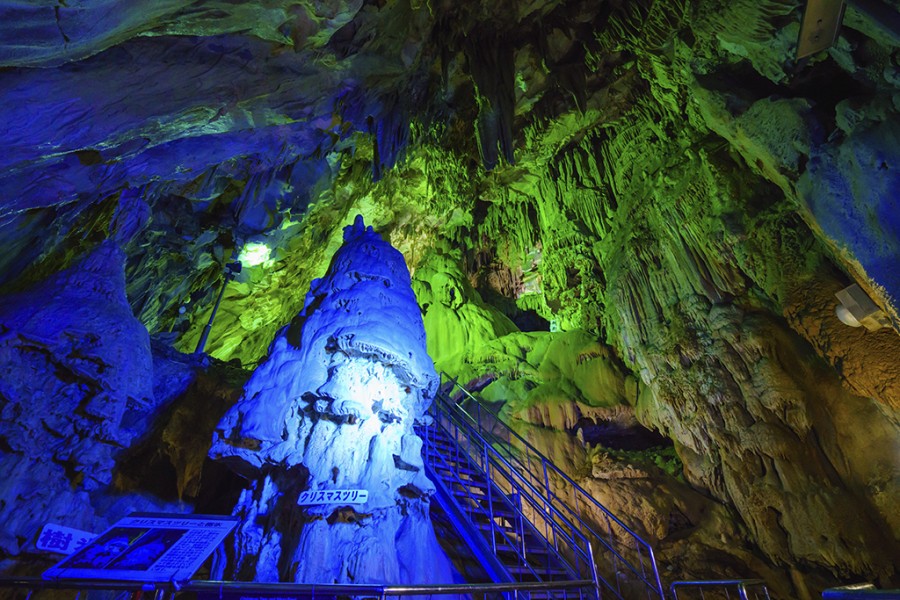
A world of mystical beauty created over millions of years, Abukuma Cave is said to have the greatest variety and the largest number of stalactites in the whole of Asia. It takes about an hour to explore the inner world of the cave and the terrain is easy to navigate on foot.Abukuma Cave is a limestone cave that was discovered in 1969. Inside, visitors can walk the 600-meter-long path to explore and view the beautiful cave formations. Visitors can’t help but be impressed by the beauty of these natural creations formed over the course of 80 million years. The largest hall in the cave, called Takine Goten (Takine Hall), and Tsuki no Sekai (The Moon World), is illuminated with dramatic stage lighting and is particularly impressive.Also not to be missed are the rare cave formations called boxwork, you can identify them by their unique shape; thin blades of minerals coming off the walls and ceilings forming a honeycomb or box-like pattern. Abukuma Cave is the only cave in Japan with boxwork that is open to the public. Another notable stop along the cave path is the Christmas Tree and Silver Frost; both are impressive stalagmites that resemble festive holiday trees. The Christmas Tree is over two meters tall and said to be the largest example in all of Asia.There is an additional thrilling adventure course; experience crawling through narrow passages and climbing a ladder to spectacular views over the cave! This 120-meter-long course runs parallel to the main passage, but please note that visitors may have to crawl on their hands and knees at times.When you have finished exploring the mysterious depths and come back to the surface you can find plenty of restaurants and souvenir shops. Visit from mid-June to July to see the neighbouring hillside covered in 50,000 lavender plants.

Takayashiki Inari Shrine
History & Culture

Takayashiki Inari Shrine

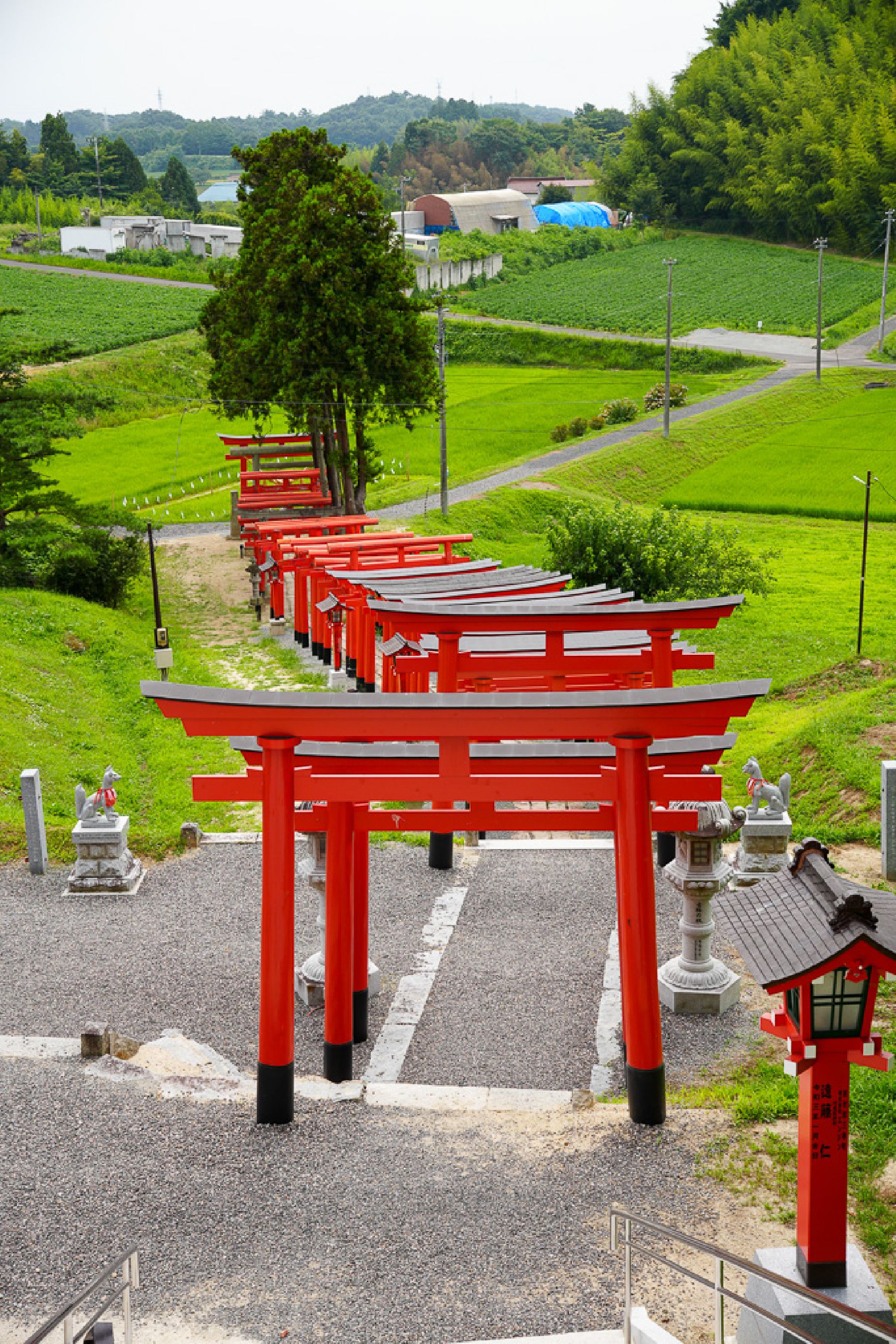
Located just east of Koriyama City, Takyashiki Inari Shrine is one of Fukushima's most striking shrine complexes. Roughly one hundred red torii gates line rows of stairs leading to the main shrine building, which features both a grey marble torii in the rear and a small koi pond. A family of chickens roost in a nearby hutch and roam free around the grounds during the day. The shrine is distinctive as an inari shrine thanks to its myriad fox statues, each of which represents a messenger of the kami Inari, said to be the watchful protector over rice farmers.The shrine grounds are free to enter and offer pleasant views over the surrounding countryside.

Trips in Fukushima

Ultimate Fukushima Prefecture Road Trip
Driving

Ultimate Fukushima Prefecture Road Trip

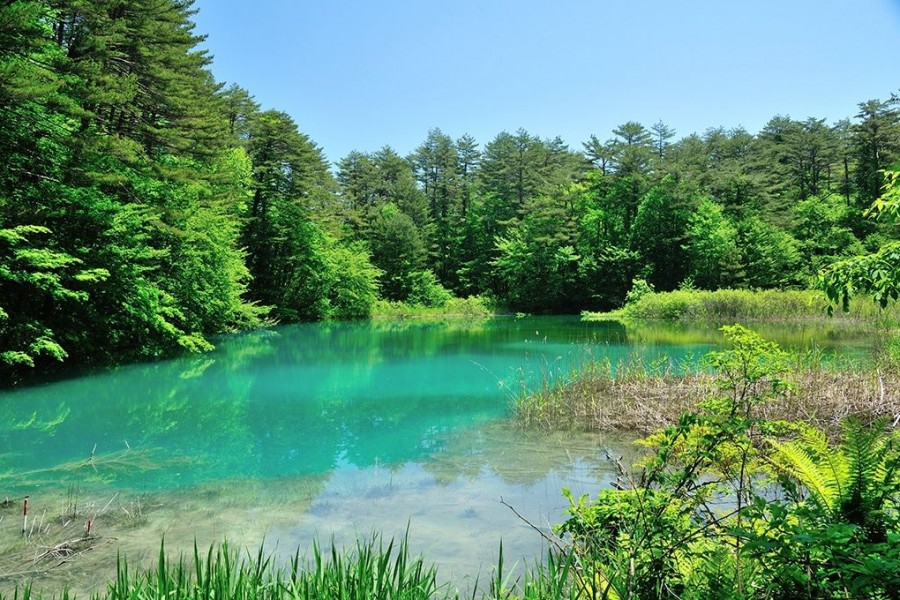
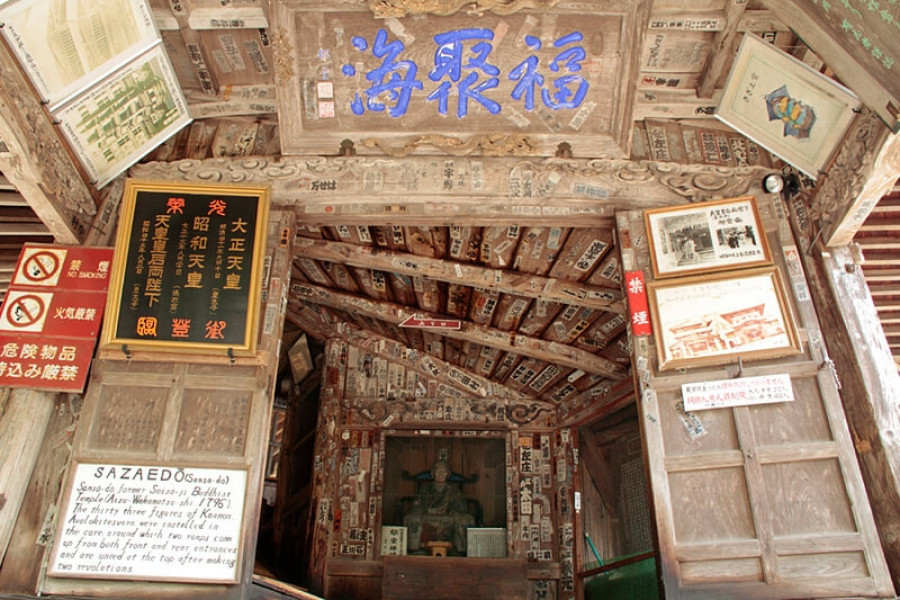
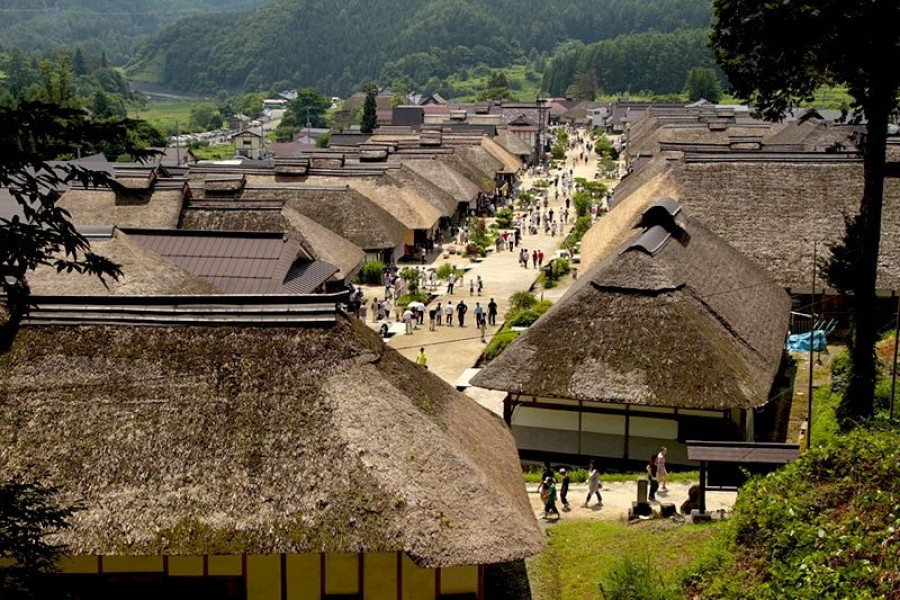
This trip highlights some of the best Fukushima has to offer and is perfect for those looking to get the most out of the prefecture in a limited time. Take in castles, nature, traditional villages, and more as you treat yourself to local styles of soba and ramen along the way. Renting a car is a must if you want to hit all the spots on this tour. You can take it slow and complete this trip over three days, or skip out an overnight stay in Urabandai area, and do it in two days. Start the day from Fukushima Station with a scenic drive to the the beautiful Urabandai region. We recommend taking the Bandai-Azuma Skyline road so that you can enjoy a mountain drive and check out the great sights at Mt. Azuma-Kofuji. From there, take the stunning sightseeing road Azuma-Bandai Lake Line into Urabandai. Explore the Urabandai area, have lunch, go on a walk around the five-colored ponds of Goshiki-numa, and maybe even take a dip in a hot spring or two. Choose whether take it slow and stay the night in Urabandai area, or whether to press on to Aizu-Wakamatsu City.  Later that day - or the next morning, depending on your schedule - head into the castle town of Aizu-Wakamatsu City where samurai culture is prevalent. The majestic Tsurugajo Castle offers beautiful views of the surroundings from the keep. Check out the nearby Tsurugajo Kaikan to paint an akabeko or two and maybe have some lunch. Then explore the mysterious Sazaedo Temple and the surrounding Mt. Iimoriyama area. From here, we suggest staying overnight in the city. There are plenty of budget hotels in Aizu-Wakamatsu, but if you are looking for something traditionally Japanese, we recommend looking into lodging at the nearby Higashiyama Onsen hot springs town just east of the city. On the next day prepare to jump into the past with a trip to the Ouchi-juku mountain village. You can spend hours here shopping and eating local foods while walking up and down the street lined with traditional thatched-roof houses. Lastly, head to the To-no-Hetsuri Crags, a natural monument filled with towering cliffs overlooking the Okawa River. Cross the nearby suspension bridge which offers breathtaking views of the surroundings. After getting fully refreshed head back to Shin-Shirakawa station by car, drop off your rental car, and connect back to Tokyo or the next stop on your journey!
Samurai Spirit Experience
Samurai

Samurai Spirit Experience

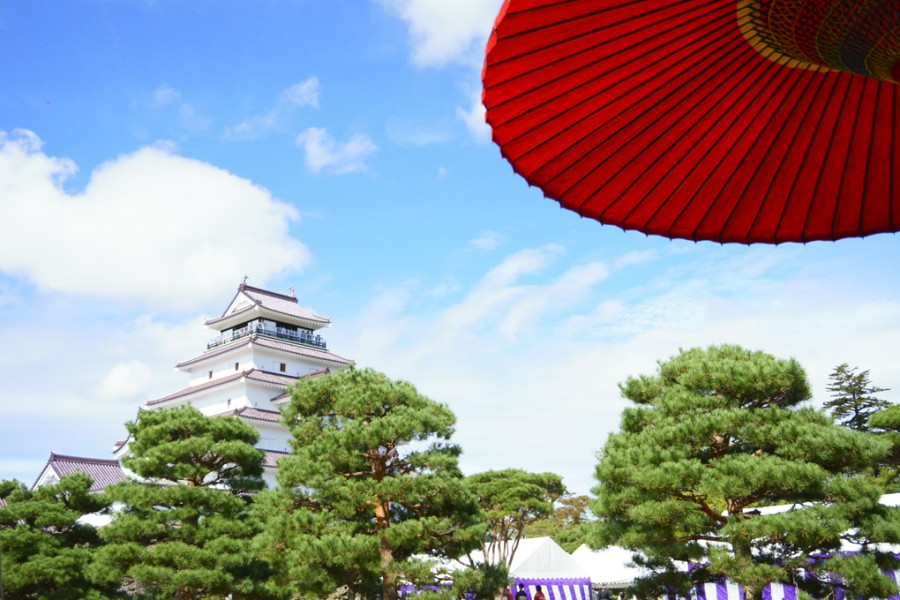
Discover the spirit of the Japanese samurai on this one-day tour of warrior history in the beautiful Aizu region of Fukushima. Feel the past come to life all around you as you experience the places where samurai once walked. This tour can be enjoyed any time of the year. Leave from Aizu-Wakamatsu Station and journey to Tsurugajo Castle, the only castle in Japan with its signature red roof tiles. Stroll through the outer grounds before heading inside the keep, complete with a picture from the observation platform at the top. After you’ve finished at the castle, make your way to Aizu Hanko Nisshinkan, once a high-grade academy for young samurai. This is where the fledgling warriors received training and education, not only in combat but in philosophical and artistic pursuits. Afterwards, move on to Aizu Bukeyashiki, the 28-room sprawling estate that once belonged to a samurai family of the region. The well-preserved estate showcases everyday samurai life as well as some stunning artifacts and gardens. As you walk the halls of the old quarters, you'll be able to imagine what life was like for a powerful and influential samurai of the period. Still looking for samurai experiences? Try a samurai class at the dojo of Ookawaso ryokan.

Two Days, One Night in Fukushima Prefecture
Culture

Two Days, One Night in Fukushima Prefecture

Looking to visit the best of Fukushima Prefecture in only a short time? This itinerary aims to cover some of the prefecture's most popular spots in the space of a two day, one night stay, including lunch options and potential activities. The transport hub of Koriyama, served by both shinkansen (bullet train) services from Tokyo and local trains, is an excellent place to start your trip. The journey from Tokyo Station to Koriyama Station takes as little as 1 hour and 15 minutes on the shinkansen. On this trip, you'll visit, among others: The ethereal thatched-roof village of Ouchi-juku Tsurugajo Castle, samurai fortress of the Aizu clan The double-helix architecture at Sazaedo Temple Goshikinuma Ponds, one of northern Japan's most beautiful natural areas The astonishing colours along the Bandai-Azuma Skyline sightseeing road The Fukushima 'Fruit Line' with dozens of orchards This itinerary can also be combined with a beautiful cherry blossom spot like Hanamiyama or the thousand-year-old cherry tree Miharu Takizakura, if your trip falls in mid-April. These spots are most easily traversed by car, so this article recommends renting a car at Koriyama Station. There are four rent-a-car spots near the station with English support and online bookings available:  Toyota Times Car Rental ORIX JR Rent-A-Car However, much of the course can be accessed by public transport. The sights towards the mountainous Inawashiro region (Goshikinuma Ponds, Bandai-Azuma Skyline etc.) can be more difficult without a car.

Fukushima’s Revitalization Educational One-Day Trip
Culture

Fukushima’s Revitalization Educational One-Day Trip

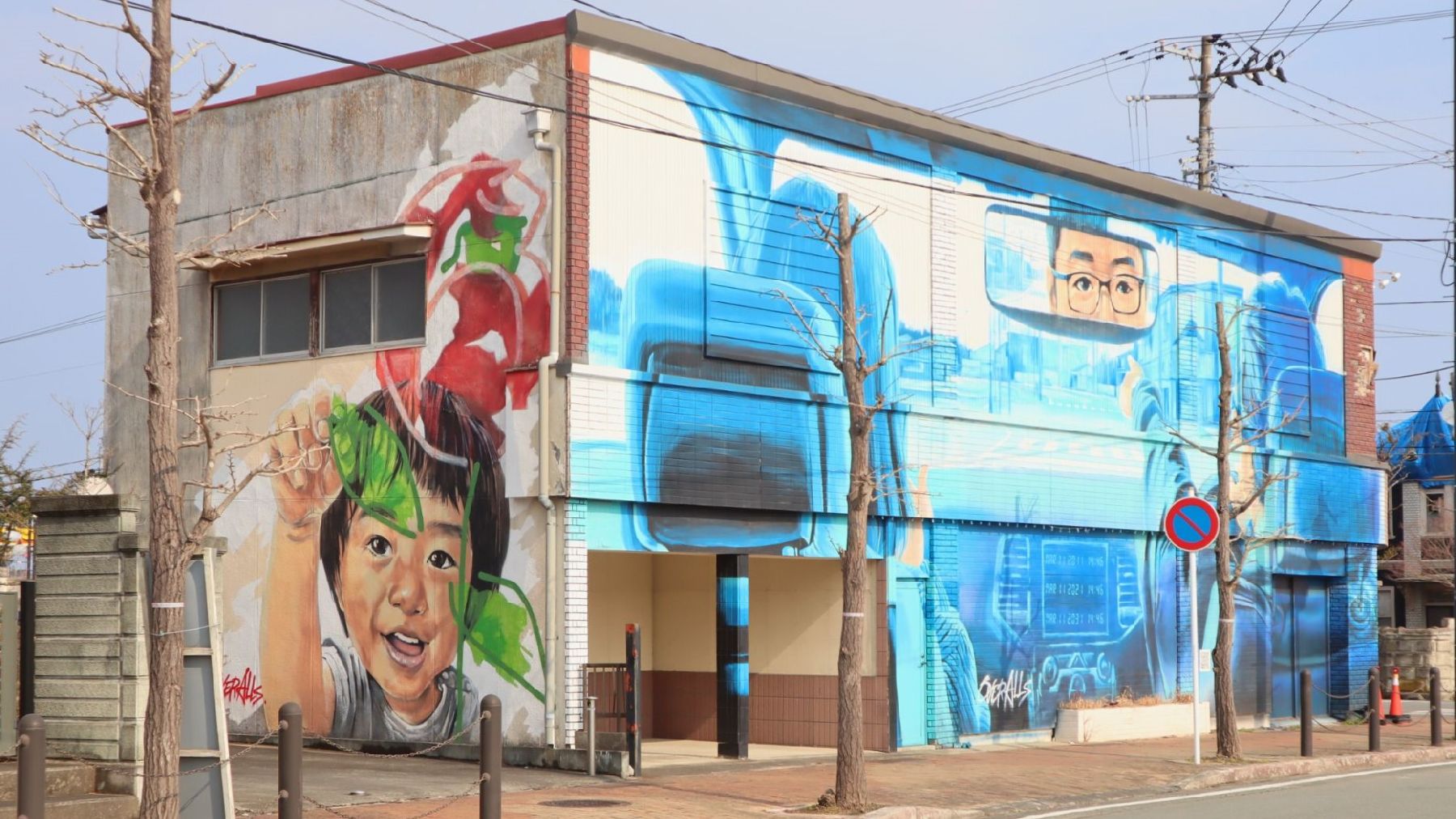
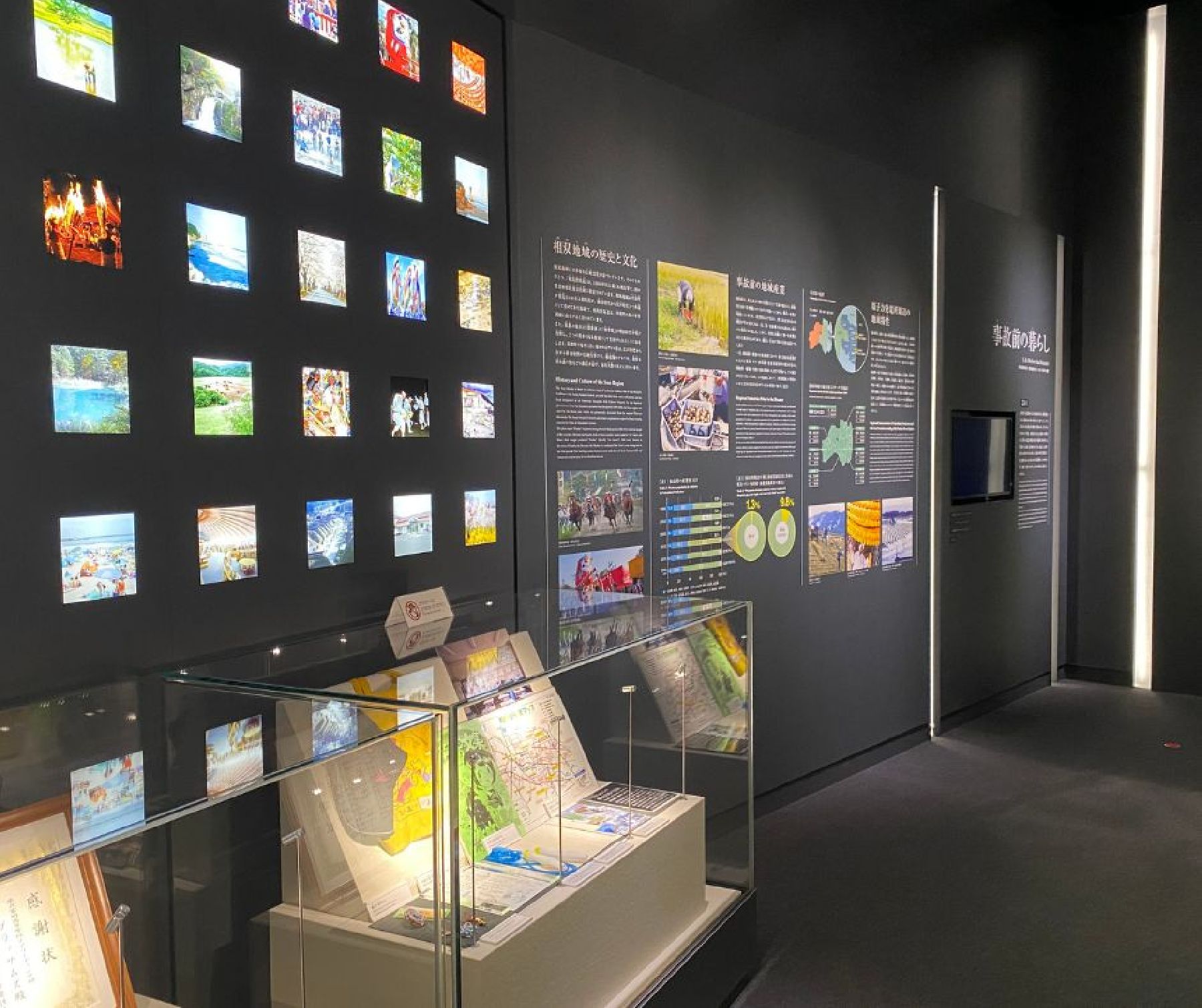
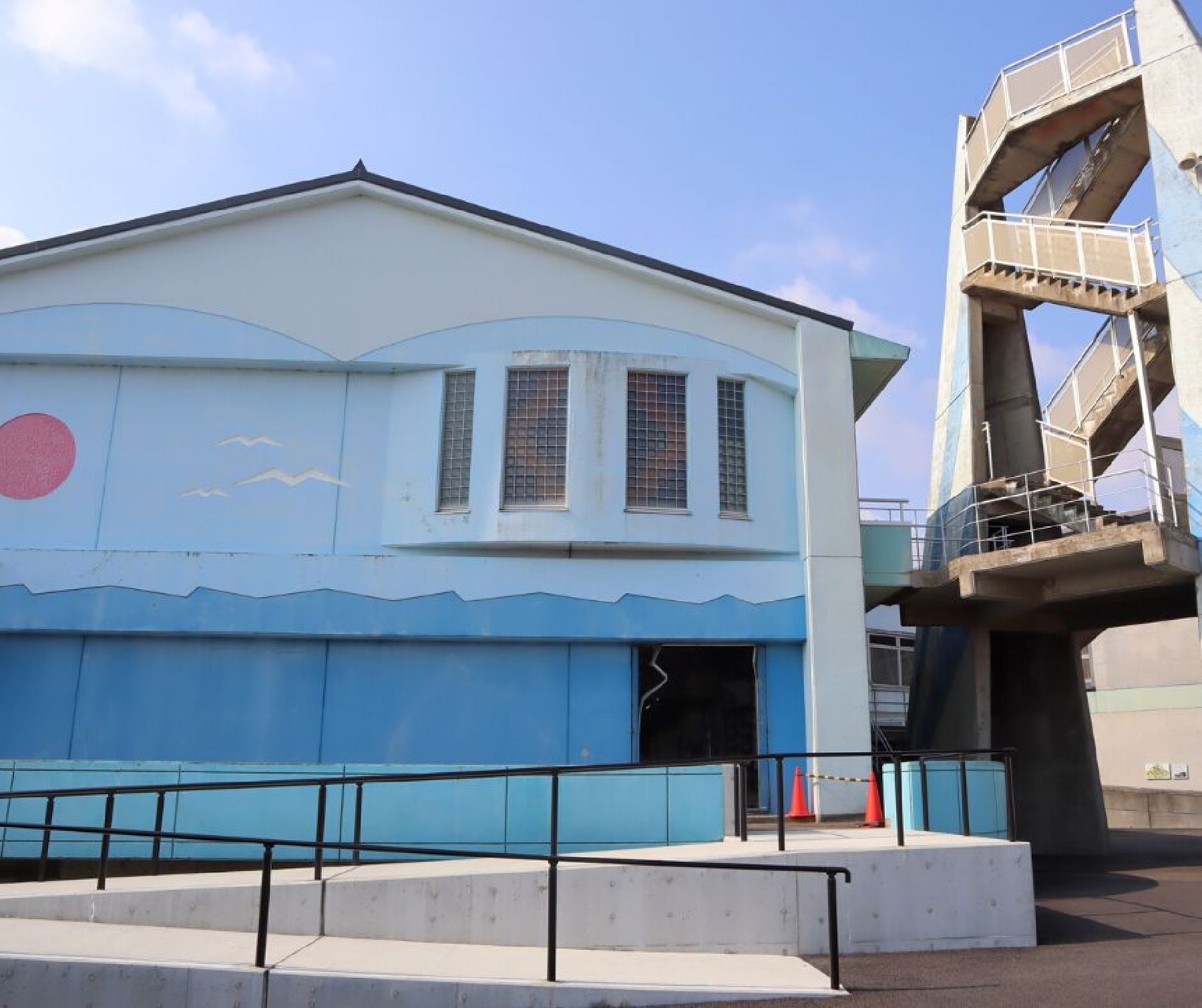
This is a model itinerary for visitors who would like to learn about Fukushima’s revitalization. The coastal area of Fukushima is the only place in the world to have survived a triple disaster: an earthquake, a tsunami and a nuclear disaster. Following extensive decontamination efforts and a great deal of demolition and reconstruction, several areas that were once designated as ‘difficult to return’ have started welcoming both residents and visitors again, with many residents eager to share their stories with the world. This itinerary centers on the towns of Futaba and Namie, both of which were severely affected by the earthquake, tsunami and nuclear accident in 2011.  The first stop is Futaba station and the surrounding Futaba Art District, a mural art initiative that pays homage to the residents and folk art of the town. From there, you’ll visit the Great East Japan Earthquake and Nuclear Disaster Memorial Museum, which has a detailed account of the area before, during, and after the disaster. At the museum, you’ll learn about the stories and testimonies of locals, as well as the plans and ideas for the future of Fukushima. The last stop is the remains of the Ukedo Elementary School in Namie town. Although the school building, located only 300 meters from the sea, sustained great damage from the tsunami, students, teachers and staff were able to evacuate from the school safely, for which it is known as a ‘miracle’ school.  This is a one-day itinerary, but we recommend staying somewhere in the coastal area of Fukushima after your visit.  

Seasons on Fukushima

Latest Posts

Diamond Route Japan

FUKUSHIMA

Top