Renaissance Tanagura

Renaissance Tanagura

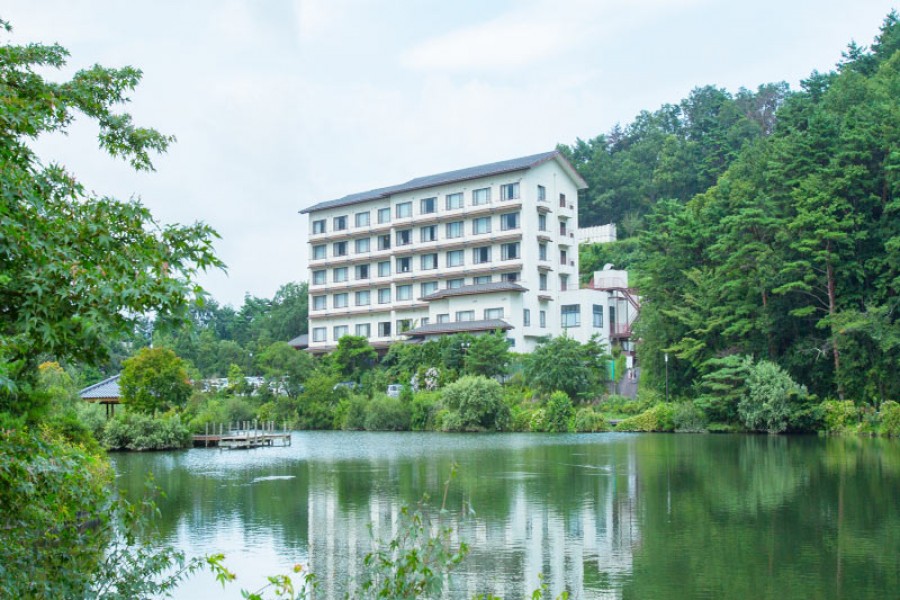
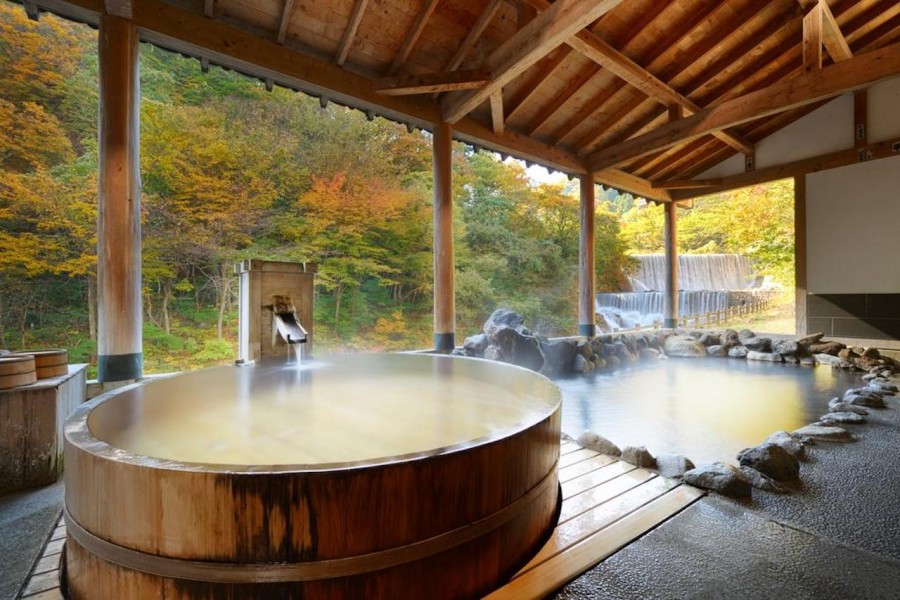
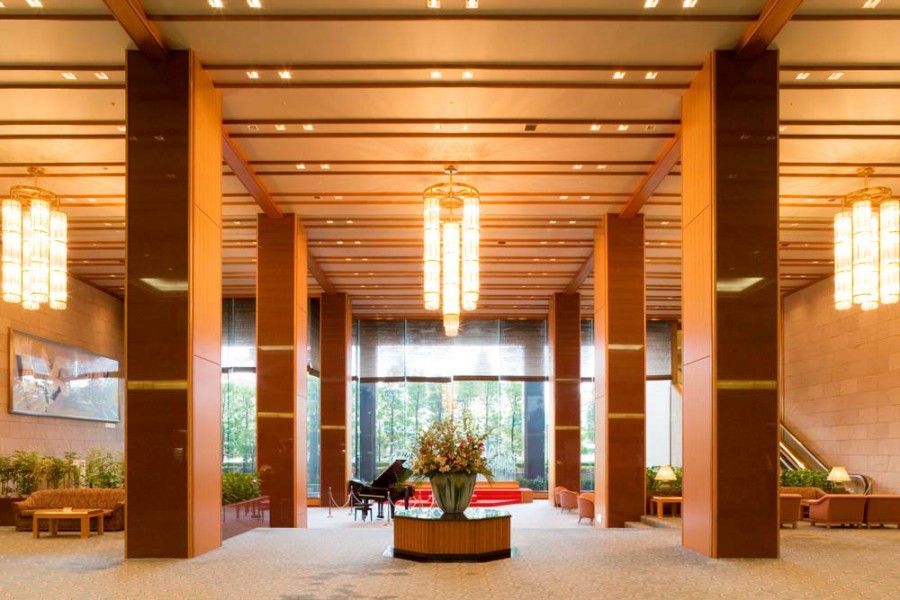
Renaissance Tanagura is a large-scale health resort hotel in Tanagura, a former castle town located in the southern part of Fukushima Prefecture. Come and stay at this beautiful white-walled hotel and enjoy some elegant meals. Renaissance Tanagura is well-known for its spa facilities, complete with 10 different kinds of baths, including a waterfall bath, jet stream bath, and lie-down bath. The hotel is conveniently located for visiting Nikko, Fukuroda Waterfall, and Ouchi-juku.

Venue Details

Venue Details
Websitehttps://r-tanagura.com/(Japanese)
Contact

Renaissance Tanagura

(+81) 247-33-4111

Accommodation details

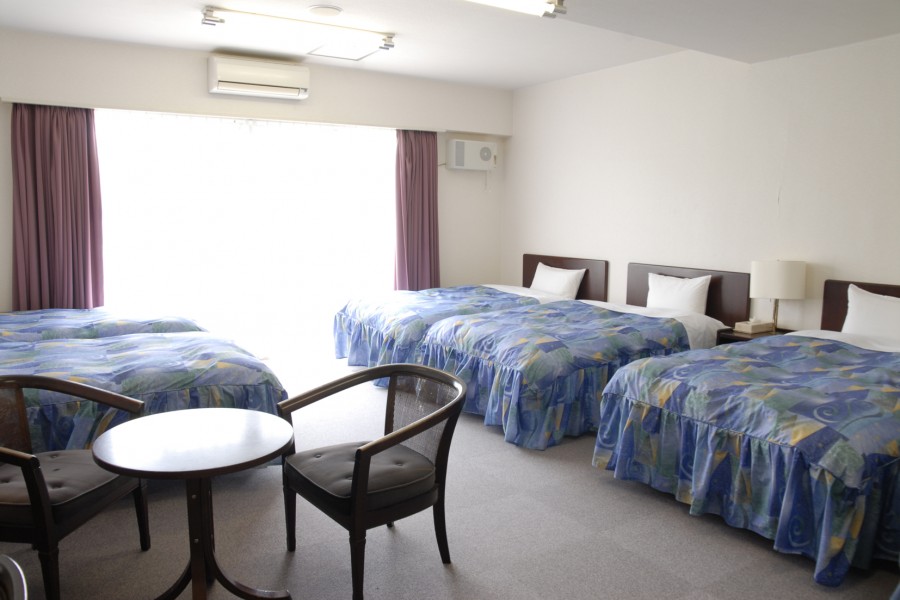
Capacity: 80 rooms (Holds 400 guests)

Room styles: 60 Western-style Rooms / 20 Japanese-style Rooms

Room charge: One night with two meals: From 6,450 yen (tax included)

Check in / Check out: From 3:00 PM / Until 10:00 AM

Meals: Dinner: Japanese-style course / Breakfast: Buffet style

Hot springs: Mildly alkaline simple thermal spring

Pets: Not allowed

Related infoFacilities:

Seminar room, fitness gym, onsen spa area, gymnasium, indoor heated swimming pool, tennis courts, music hall, horseback riding course, etc.
Book a roomTripAdvisor.com
Access Details
Access43-1 Ipponmatsu, Tanagura Town, Higashishirakawa, Fukushima Pref. 963-6123
View directions
Getting there

By Car: 40 min from Shirakawa I.C. exit off the Tohoku Expressway

By Train: 45 min taxi ride from Shin-Shirakawa Station on the JR Tohoku Shinkansen Line

Mapcode for Car GPS:225 408 786*32

Nearby

The World Glassware Hall
Outdoor Activities

Ebisu Circuit

Ebisu Circuit is a multi-course motorsport facility in the hills above Nihonmatsu City. Rather than a single racetrack, it is a collection of separate courses built across a mountainside, connected by access roads and surrounded by forest. It was developed by Nobushige Kumakubo, a professional drifter who wanted a place dedicated to practice and grassroots driving. Over time, it became closely associated with drifting in particular, both domestically and internationally.The complex is divided into several courses, each with their own unique style and character. Kita (North Course) is one of the busiest areas, with cars running along a back section that brings car speeding past the spectator wall. Nishi (West Course), traditionally associated with grip driving, includes a short layout well-known for long drift trains.Higashi (East Course), usually a grip circuit, is opened for drifting during festival periods and also houses the main circuit office. The Touge (mountain pass) course winds through a narrower hilly section with tighter bends and noticeable elevation changes.Ebisu has also become a destination for overseas drivers. Many travel specifically to experience the different course layouts, enjoy the informal practice culture and chat with other drift enthusiasts. It is common to see privately owned cars ranging from lightly modified street builds to dedicated drift machines. The atmosphere during regular days is focused on driving rather than spectacle, with participants rotating through sessions and making adjustments between runs.Three times a year, the circuit hosts the Ebisu Drift Matsuri. The festival, typically held in spring, summer, and autumn, opens multiple courses for extended sessions over several days. Drivers move between tracks, often running late into the evening, and tandem drifting is a big attraction. Unlike formal competitions, the emphasis is on participation and meeting fellow drivers. For many visitors, the festival represents the most concentrated expression of Ebisu’s identity: a large group of drivers sharing the same mountain, rotating through its varied layouts, and focusing almost entirely on drifting. Learn more about the festival with our total guide.For visitors looking to experience drifting themselves, the Drift Taxi experience lets you ride as a passenger in a special drifting car while a professional driver speeds around the circuit. Booking and more information here.

The World Glassware Hall
Cultural Experiences

Handmade Japanese Washi Paper Craft Experience

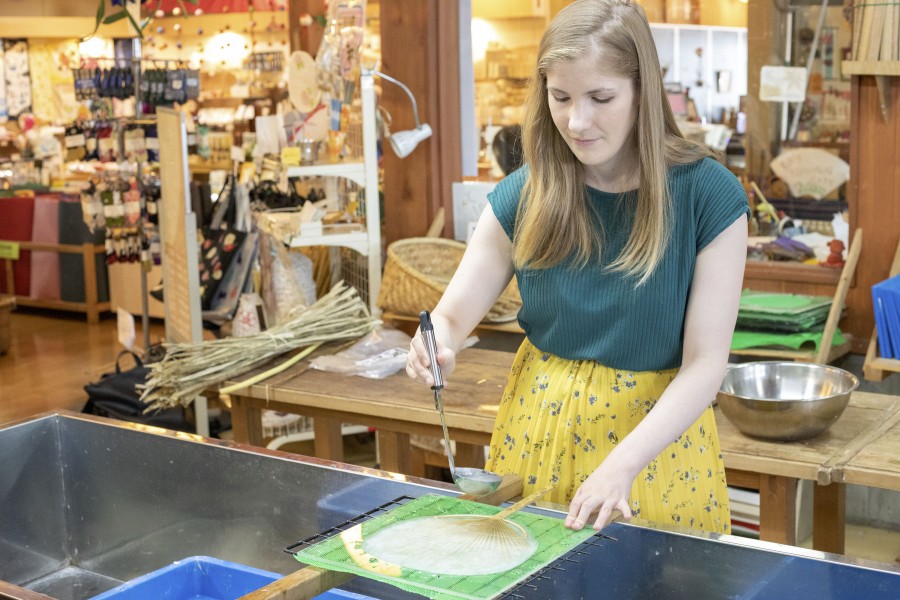
Kami-Kawasaki Washi paper has a history of over 1,000 years. It was given the name "Kami-Kawasaki Washi" because of its origin in Nihonmatsu City's Kami-Kawasaki district. Since the name of districts changes with the years, during Japan's Heian Period, it was known as "Michinoku-gami "("paper made in Michinoku").Kami-Kawasaki Washi paper has been used regularly as shoji paper (paper for sliding doors). Many people are charmed by the warmth and simple beauty of Kami-Kawasaki Washi. Paper mulberry, a type of tree used for making the paper, is grown locally. The traditional production method, from producing the raw ingredients to making the paper, is continued in Nihonmatsu City even today.Sticking to traditional production methods ensures that the finished paper has a luxuriant warmth and refinement, and is strong and durable. At present, a variety of products, such as dyed paper, folkcraft paper, and paper crafts, are produced, all of which maintain the paper's original texture. Although the demand for shoji paper is declining, there is still demand for products such as wallpaper and lamp shades. In this way, Kami-Kawasaki Washi remains important to us everyday.  At the Washi Traditional Crafts Gallery - located at Michi-no-Eki Adachi (Roadside Station) - visitors can make washi postcards, paper fans, and other items.
You might also like

Pension Merry Kings
Hotels

Pension Merry Kings

Pension Merry Kings offers a unique experience with private access to natural hot springs, known for their skin-smoothing properties. Guests can enjoy rejuvenating soaks in the onsen, complemented by delicious meals featuring locally sourced vegetables, mountain greens, and premium Fukushima beef, providing a refreshing break from everyday stress.Located in the peaceful village of Ten'ei, the area is surrounded by various attractions, including Lake Hatori, British Hills, the Pacific Club Shirakawa Resort Golf Course, and the Grandee Hatori Lake Ski Resort. In winter, it’s a popular destination for winter sports, while in summer, it serves as a cool retreat from the heat. Pension Merry Kings invites guests to unwind and enjoy a relaxing holiday in this tranquil setting.

Hotel Toraya
Hotels

Hotel Toraya

Hotel Toraya is located in Sukagawa, a historic city that was once a flourishing castle town during the Kamakura period and a key post station along the Oshu Kaido during the Edo era. Established on September 18, 1885, Toraya is the oldest traditional inn in Sukagawa, Fukushima Prefecture.The inn’s name, 'Toraya,' is inspired by the Japanese proverb, "The tiger travels a thousand miles and returns a thousand miles," reflecting the hope that guests will enjoy their stay in Sukagawa, create lasting memories, and return for future visits.With over 130 years of history, Hotel Toraya has upheld its founding philosophy: “Cherishing our guests above all and thriving together with them.” This tradition of hospitality continues to be central to the inn’s values.

Hotel Sansuiso
Hotels

Hotel Sansuiso

This lovely hot spring lodging offers a unique experience. You’ll be able to hear the sound of the two-tiered waterfall along the Arakawa River from their open-air hot spring baths. Enjoy the wonderful views of the abundant local nature in this rural haven. Take a moment for yourself at this luxurious hotel. Not only do they have picturesque open-air baths, but they have a diverse number of them. Choose from four types of public hot springs and five types of reservable private baths to make your experience perfect.

Top