Strawberry Picking in Soma City

Strawberry Picking in Soma City

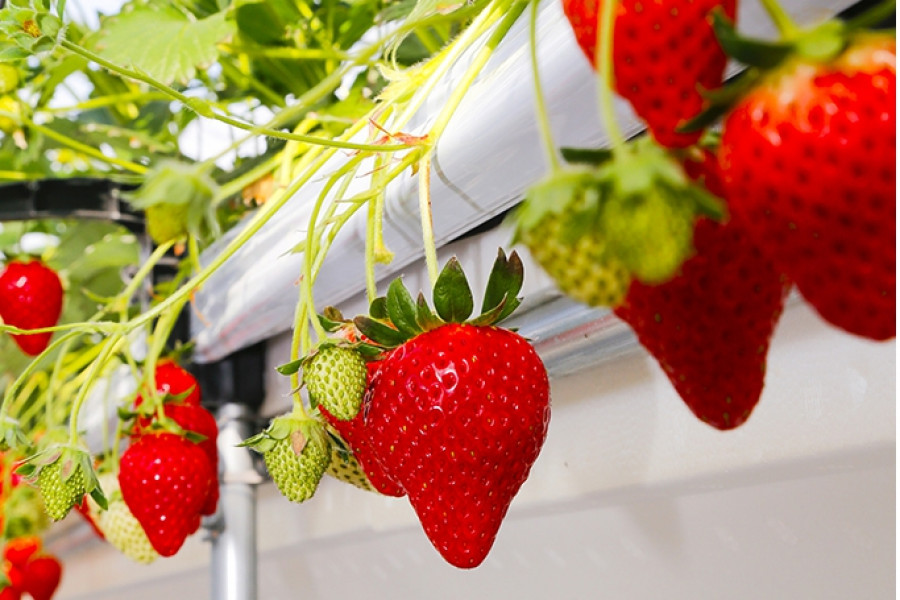
Pick your own strawberries at one of the 11 farms within walking distance of the Wada Strawberry Tourism Association office. Strawberry picking season is from December to mid-May. Visit Wada Strawberry Tourism Association during this time to take part in an all-you-can-eat 30 minute strawberry picking experience!  

Venue Details

Venue Details
Websitehttp://blog.wadakanko-ichigo.jp/(Automated translation available)
Contact

Wada Strawberry Tourism Association

(+81) 244-36-5535

Best Season
  • Spring
  • Winter
Opening Hours

Strawberry picking times: 10:00 AM - 4:00 PM

Open every day between Jan. and mid-May (Might change per year)

Related info<u>Prices for All-You-Can-Eat (30 min)</u>

Jan. 3 - Jan. 11: 1,700 yen

Jan. - Mar. 31: 1,600 yen

Apr. 1 - May 6: 1,300 yen

May 7 - May 31: 1,000 yen


Please note, times and dates are subject to change per year.
Access Details
AccessShimoshibasaku 94, Wada, Soma City, Fukushima Pref. 976-0023
View directions
Getting there

By Car: 10 min from the Soma I.C. exit off the Joban Expressway

By Train: 10 min by taxi from Soma Station (JR Joban Line)

Nearby

The World Glassware Hall
History & Culture

Hozoji Temple

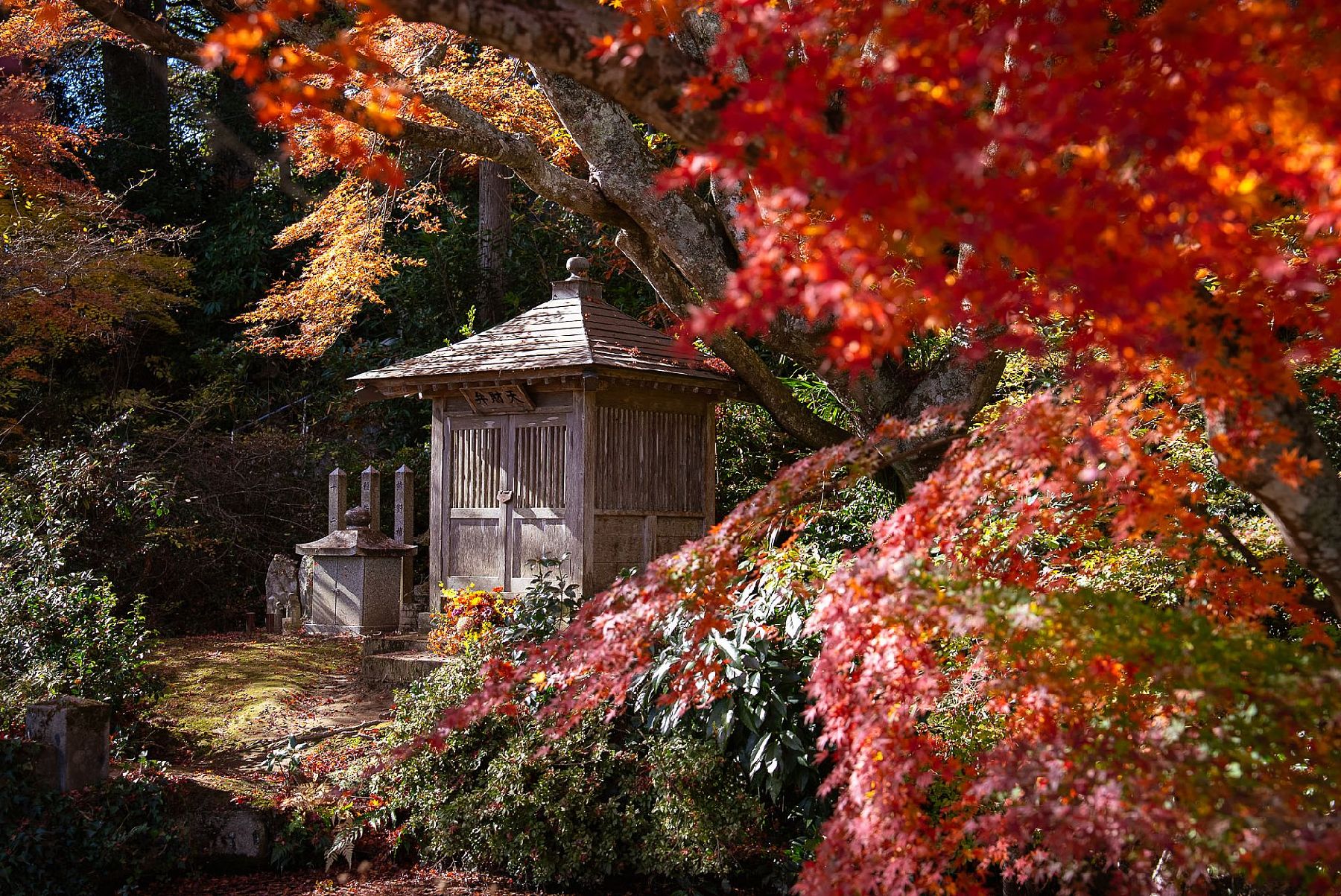
Hozoji Temple is one of the oldest and most historically significant temples in the Soma region, known for its vivid autumn colours. According to tradition, it was founded in 801 AD by the military commander Sakanoue no Tamuramaro as a place to pray for success in his eastern campaigns.Although detailed records from its earliest centuries have largely been lost, the temple’s existence is attested in a few surviving documents from the 10th to 13th centuries, indicating its long-standing presence in the area. Over time, Hozoji Temple became closely tied to the spiritual life of the region and continued to develop through periods of reconstruction and renewal.The temple grounds are known for their natural beauty, especially the large fir trees - some over 400 years old - and numerous maple trees that grow throughout the property. These maples have long been admired for their striking autumn colors, and historical accounts suggest that generations of Soma clan lords once visited the temple to enjoy the seasonal foliage.In addition to its autumn scenery, the temple is also home to several varieties of cherry blossoms that bloom even during the colder months, offering visitors a chance to experience seasonal landscapes throughout the year.Architecturally, Hozoji Temple reflects the layers of its long history. The Niomon Gate, constructed in 1647 by Soma Yoshitane, the second-generation leader of the Soma clan, is one of the site’s most notable surviving structures.Today, Hozoji continues to attract visitors, photographers, and locals who come to enjoy both its historical atmosphere and its natural surroundings. In recent years, an evening illumination event held during the autumn foliage season has become a popular way to experience the temple’s grounds in a different light. The illuminations are typically held across one weekend in late November (for reference, the 2025 illuminations took place on the three-day weekend of 22-24 November.)
The World Glassware Hall
History & Culture

Hattachi-Yakushi Temple

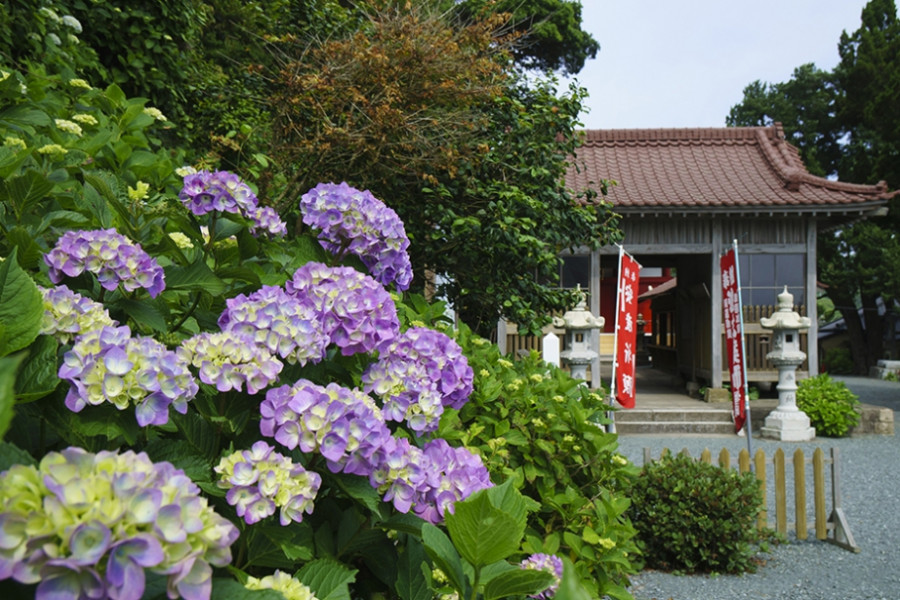
In the year 806, the holy priest Tokuichi constructed Hattachi-Yakushi Temple as a place of worship for the Buddhist deity who has the ability to ensure the safe voyage of seafarers. The temple grounds are extremely beautiful in spring when the hydrangeas bloom, earning the temple the local nickname ‘Hydrangea Temple’. In front of Hattachi-Yakushi Temple is Bentenjima Island and Shrine, and the Hattachi Coastline, which connects the mainland with the island. The Hattachi Coast is covered in unique gravel, which has traditionally been thought to have healing properties. However, removing a stone and bringing it home can have the opposite effect.

The World Glassware Hall
History & Culture

Soma Nakamura Shrine

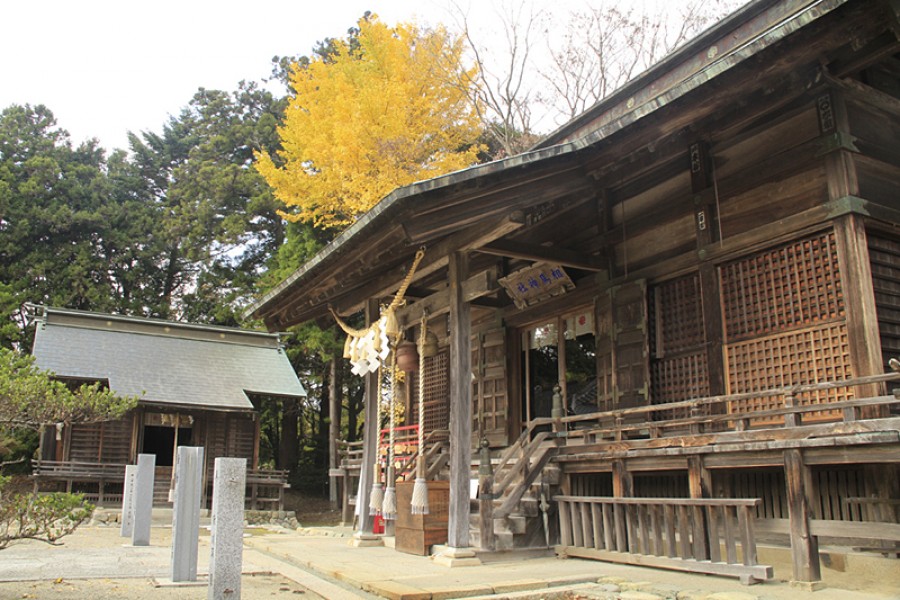
Soma Nakamura Shrine, long revered for enshrining the patron deity of the Soma clan, is built on a small hill in the western area of the Nakamura Castle grounds by Baryo Park.The shrine was erected in 1643 by Soma Yoshitsune, the 18th head of the Soma family.The main shrine is a an example of Gongen Shinto architecture, in which the main hall and worship hall are connected by a passageway, and the lacquer, painting, and metal fixtures are authentic representations of its Kan'ei era construction.The shrine was designated as a national important cultural property in 1984.

You might also like

Iwaki Lalamew
Gourmet & Shopping

Iwaki Lalamew

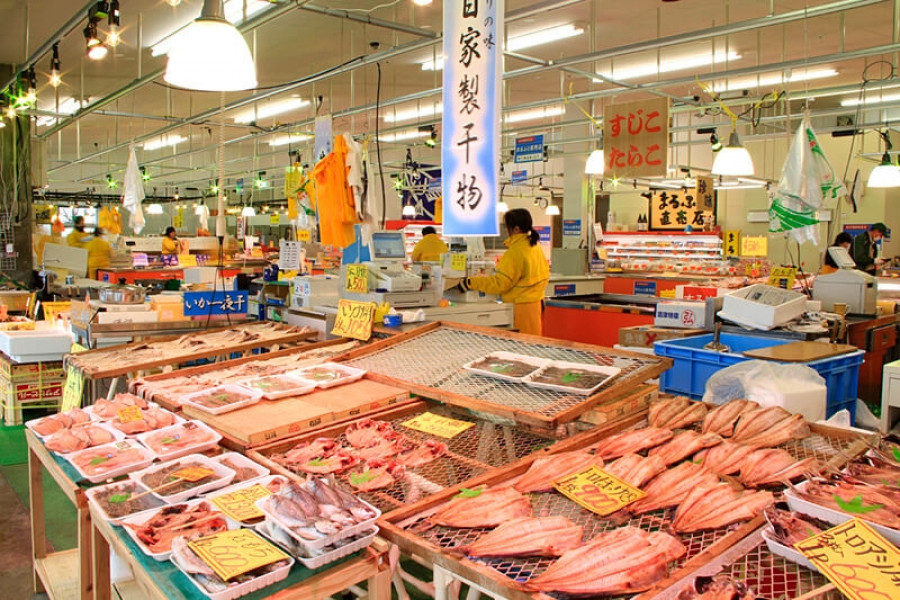
At Iwaki's Tourism and Products Center, visitors can purchase products and specialties from Iwaki as well as enjoy eating local produce. The Tourism and Products Center also introduces visitors to Iwaki City's local history and culture.The Lalamew complex includes 7 fish shops, 15 gift shops, and 12 eating and drinking establishments. The fish shops have the feel of an open-air market, and visitors can bargain for seafood direct from the port.Please enjoy dining in the establishments that present to you an abundance of seasonal seafood.

Café Amazon Kawauchi
Gourmet & Shopping

Café Amazon Kawauchi

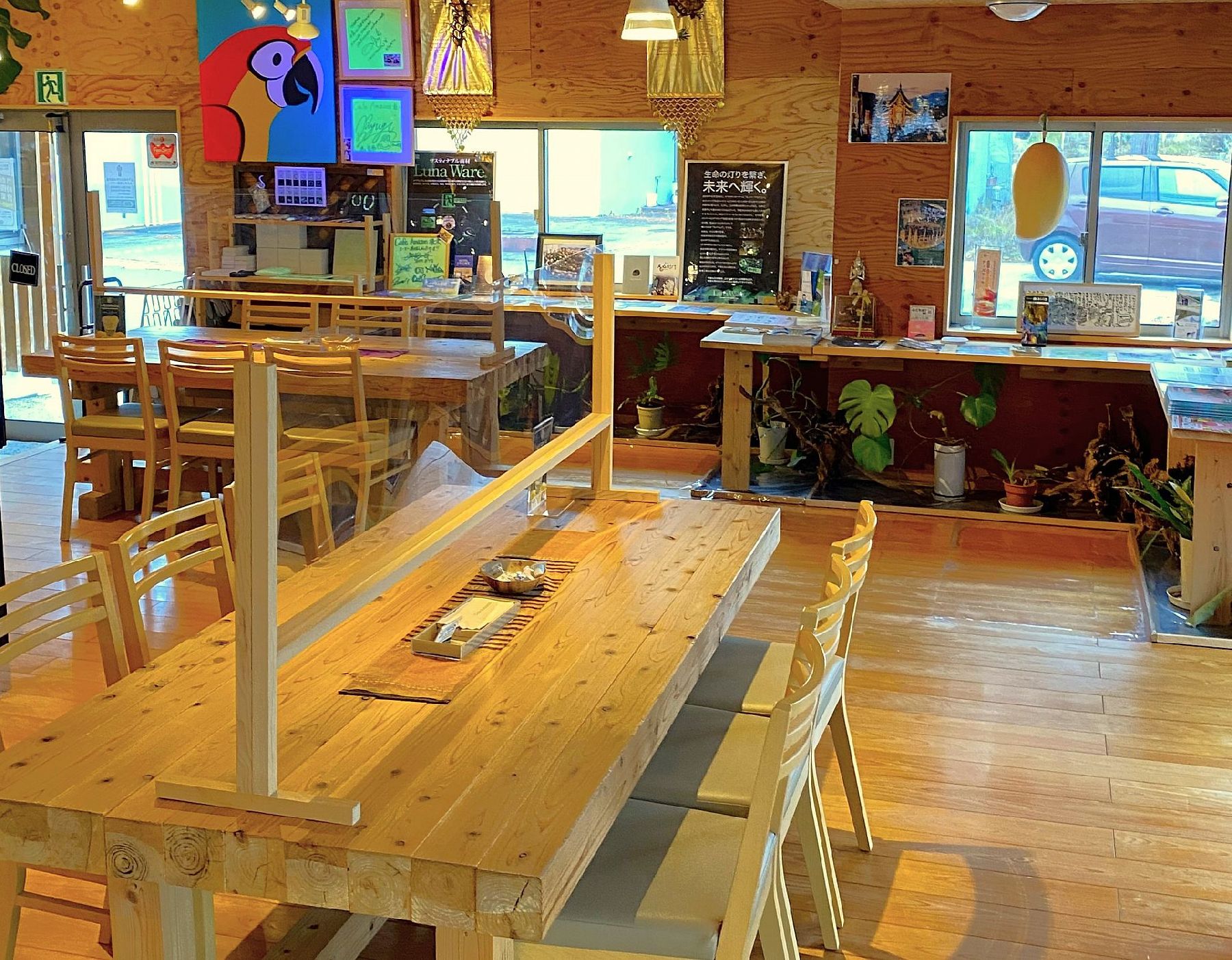
Café Amazon Kawauchi is a modern cafe and restaurant located only 350 meters away from the Tenzan Bunko Museum. Café Amazon has over 1500 restaurants abroad, and serves Asian food and coffee.This was the first Café Amazon restaurant in Japan, opened to help reinvigorate Kawauchi, attract visitors and, of course, serve delicious Thai dishes!In 2016, following extensive revitalization efforts, all restrictions were lifted in Kawauchi village, which had had to be evacuated in 2011 following the nuclear accident. Kawauchi is now is a quiet, green village surrounded by mountains and streams, home to a few thousand people.But because the village had remained uninhabited for some time, the only coffee shop there had closed, and, left without a local hub, it seemed difficult for the community to rekindle—that’s when Thai restaurant chain Café Amazon stepped in.Café Amazon Kawauchi has a warm and light wooden interior (built using wood from Fukushima!), as well as a piano and guitar you can play freely. You can sit indoors or outdoors on a wooden deck.Café Amazon Kawauchi isn’t only a coffee shop, it’s a fundamental part of the reconstruction of Kawauchi village, a meeting place for both locals and visitors.

The Suzuki Brewery in Namie Town
Gourmet & Shopping

The Suzuki Brewery in Namie Town

The Suzuki Sake Brewery used to operate a sake brewery in Namie Town's Ukedo district, this building was located steps from the sea and was physically destroyed by the tsunami wave. This left the owner of the brewery without a home or a livelihood.They managed to evacuate with the necessities of the brewery and after the disaster, the brewery was moved to Nagai City to the mountains of Yamagata Prefecture in October 2011 (the same year as the earthquake). Since then, they’ve continued to brew sake with the hope of preserving the traditional sake brewing techniques that had been developed by generations of brewers in Namie Town.Finally, on March 20, 2021, the brewery was able to return to its hometown of Namie with the opening of a new brewery at the Namie Roadside Station. Here, visitors can watch the Suzuki brewers at work making their delicious sake. They even use locally grown rice to make some of their sake, with a focus on maintaining their hometown flavor.At the Namie Roadside Station, you can visit the sake brewery and taste their freshly brewed sake. For visitors who don't drink sake, there is also a sake flavored soft serve ice cream that is absolutely delicious. The soft serve comes in a traditional wooden sake cup!

Full House Book Cafe
Gourmet & Shopping

Full House Book Cafe

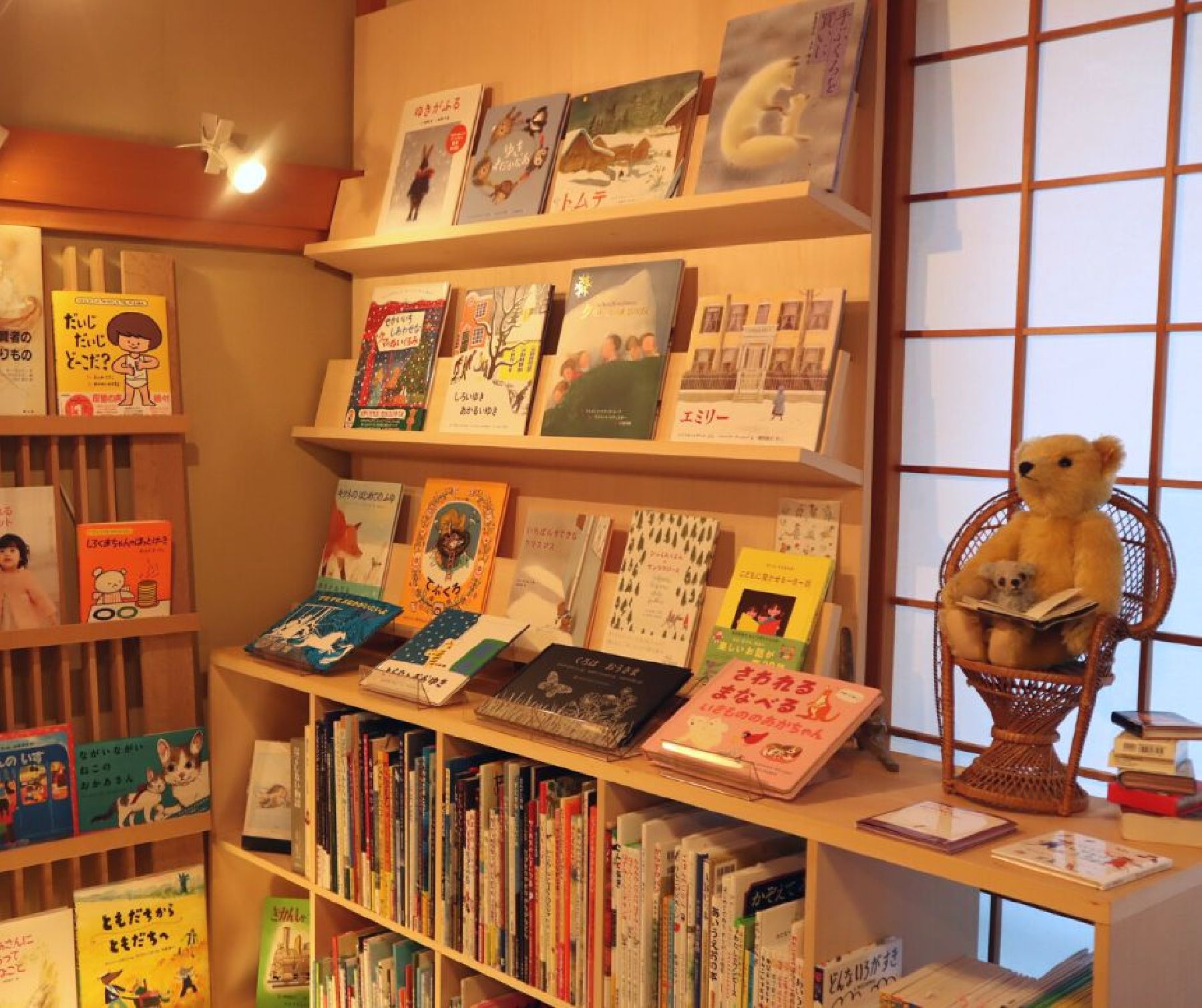
Full House is a stylish bookstore and cafe run by the critically-acclaimed novelist Yu Miri. It is located near the JR Odaka Station in Minamisoma City, in the coastal area of Fukushima prefecture.Full House is located on the ground floor of a refurbished house. The interior is wooden and elegant, and there is a selection of books in Japanese chosen by the author. The cafe serves meals like pasta and doria, as well as desserts and drinks with seasonal options.Yu Miri is famously known for her novel Tokyo Ueno Station (translated into English by Morgan Giles), which won the U.S. National Book Award in the Translated Literature category in 2019.Following 3.11, Ms. Miri has worked extensively to communicate the stories of residents of evacuated towns and villages in Fukushima’s coastal area, and has been living in Minamisoma City since 2015.When Ms. Miri moved to Minamisoma, there were no other bookstores open in the area —the few bookstores that had been there before 3.11 had closed following the evacuation—, so she decided to open her own in 2018, and named it ‘Full House’ after one of her novels.But something was missing. She quickly realized that people who traveled all the way to visit the store wanted to sit down with a warm drink, and there weren’t many restaurants or cafes nearby yet, so she decided to turn Full House into a book cafe the following year.Today, Full House is a lively and cozy hub where locals and visitors can bond over their love of coffee and literature.

Top