Destination Spotlight

Practicing ‘Kengido’ With Kamui Samurai Artists in Aizu

Practicing ‘Kengido’ With Kamui Samurai Artists in Aizu

Bookings

There are three levels of class for the kengido experience:

These include trial sessions, in which you learn the basics; the middle tier class that can include traditional hakama and a video of your performance at your request; and the luxury experience where you learn directly from Shimaguchi-sensei.


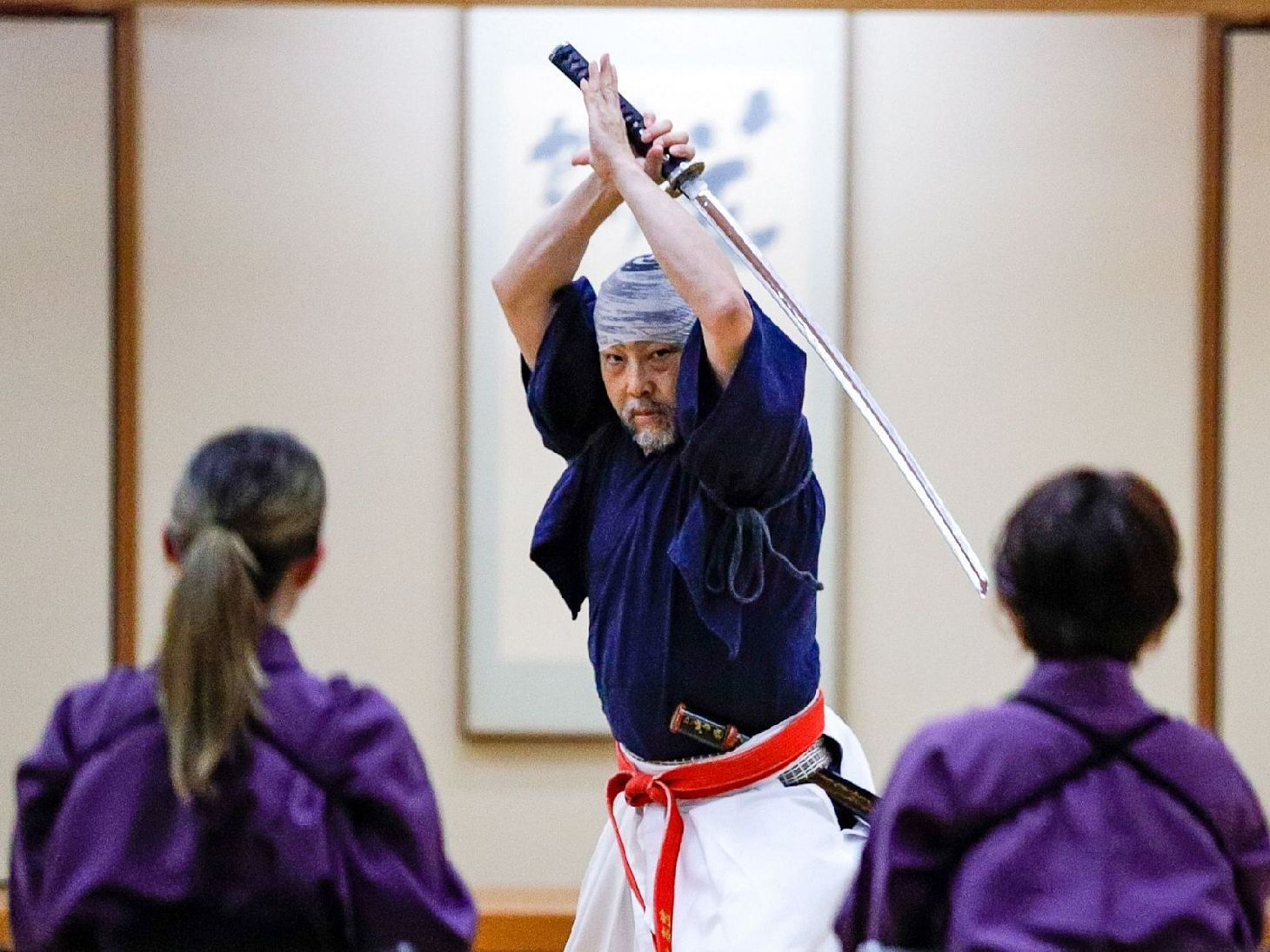
“For many, samurai equals fight scenes in action movies, but that is not all there is to it,” says Tetsuro Shimaguchi during our kengido practice. “To me, samurai culture goes beyond fighting. It is also about the way of living that drives those battles”.
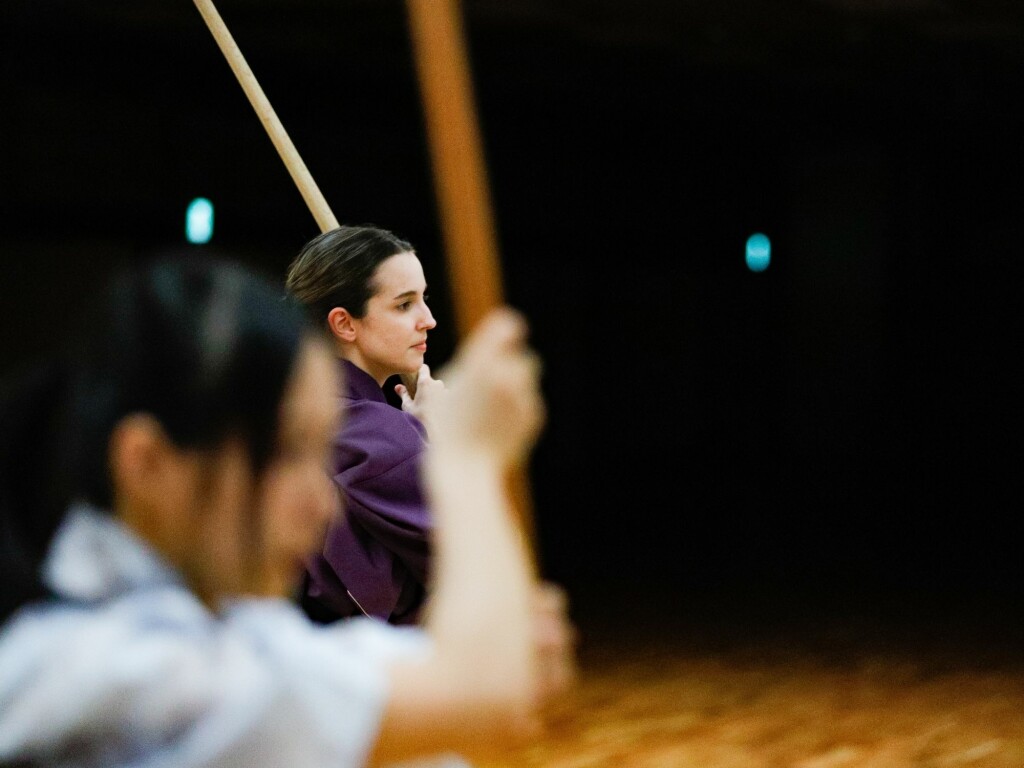
His words popped back to mind as I gripped the wooden sword tightly: I inhaled, lifted it, exhaled, and wielded it down firmly with a sudden stop before it touched the ground. The samurai warriors’ graceful fighting on the battlefield was a force of habit. Through drills and practice, they studied each movement to a T, pacing their breath and training their posture. Shimaguchi’s kengido experience for visitors to Japan reveals the efforts, invisible to the untrained eye, that make samurai battles so engrossing.
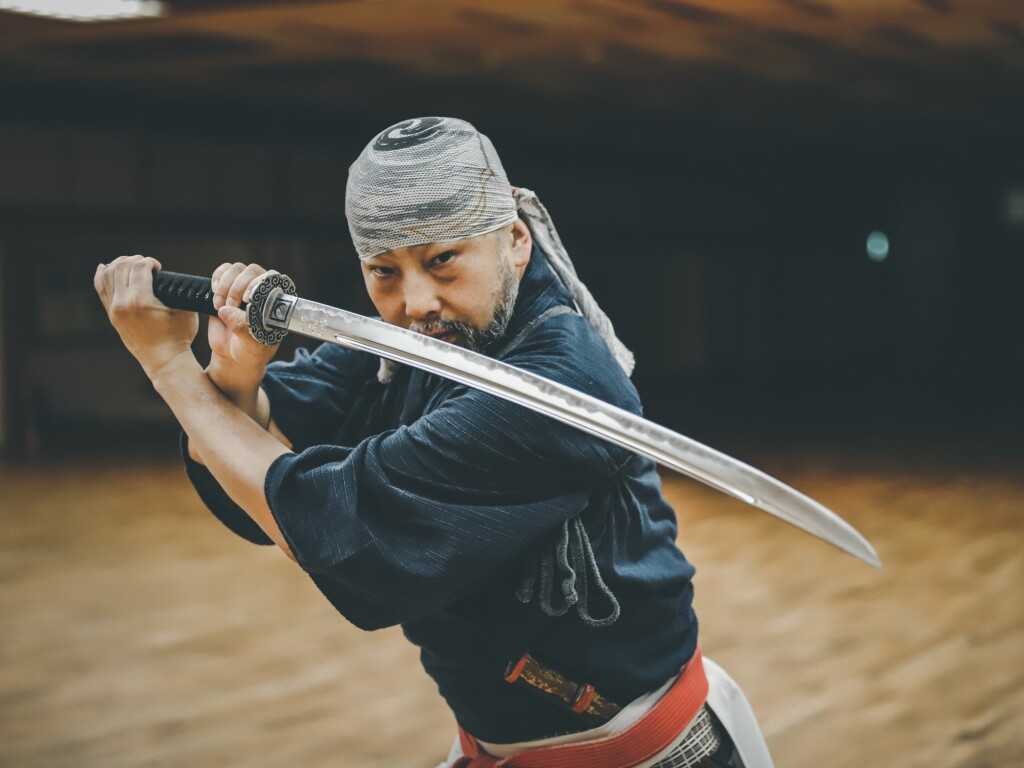
Shimaguchi is no stranger to samurai fight scenes in action movies, however. He choreographed the fight scene in Quentin Tarantino’s Kill Bill Vol I, and has traveled the world performing samurai fight acts with Kamui, his samurai artist collective. He is one of Japan’s top samurai performers, with over 25 years of experience. Now, he has crafted a workshop in his home country to share the values that inspire him to keep the samurai legacy alive.

‘Kengido’ (剣伎道) is Shimaguchi’s samurai technique, a mix of martial arts and samurai fighting performance. The term combines three Japanese characters:

  • ‘Ken’ (剣) stands for sword or swordsmanship. For safety, wooden swords (bokken) are used for this practice.
  • ‘Gi’ (伎) refers to an art or method; in this case, a type of performing arts.
  • ‘Do’ (道) is a set of practices or teachings, a process that becomes a way of life.
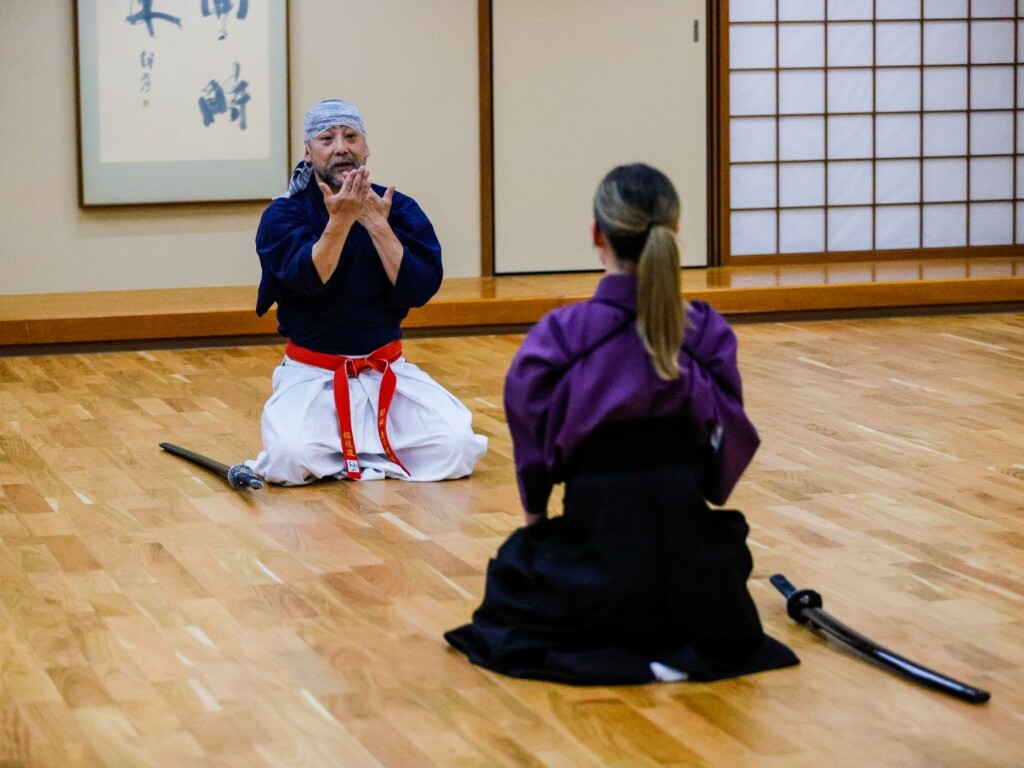
Shimaguchi has been teaching kengido to hundreds of enthusiasts from Florence to Abu Dhabi. He has toured over 150 cities in 35 countries performing with Kamui. “I am lucky to have so many friends around the world”, he says. Anyone can participate in his kengido practice, which can be adapted to different levels of expertise. People of all fitness levels and ages are welcome. 

The Practice Begins
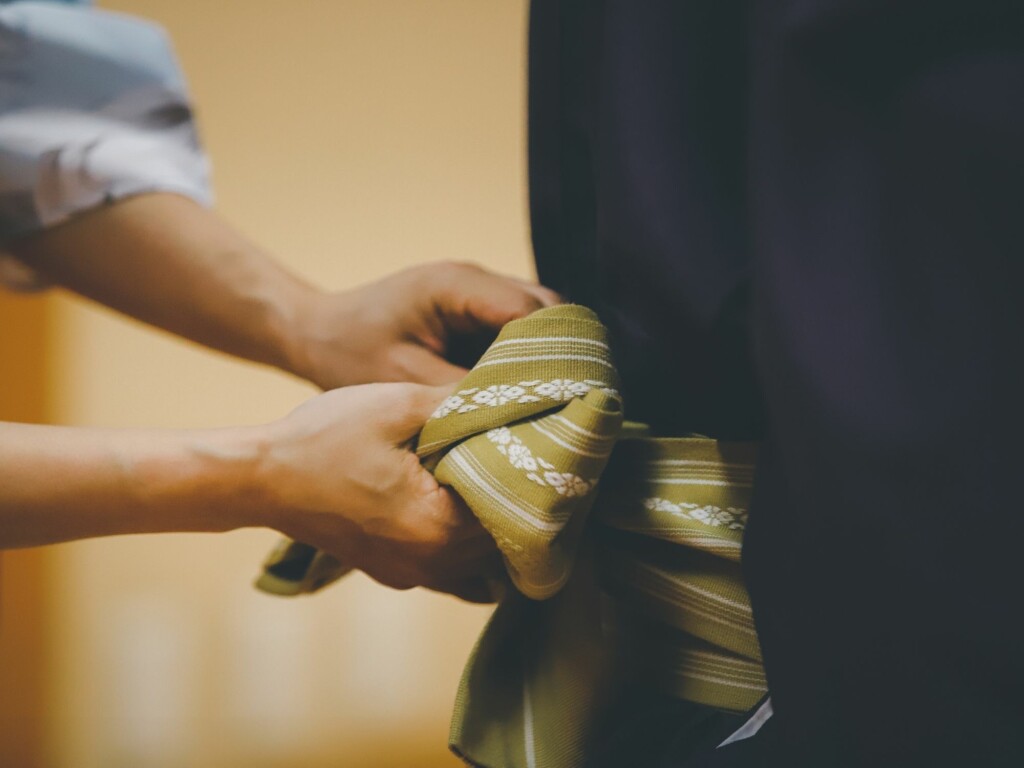
Before getting my hands on the sword, I watched a samurai battle between Shimaguchi and another Kamui artist. Through a screen, with editing involved, a fight like this one looks impressive enough, but it is a different experience to see it live. Their movements were completely in tandem: If one turned, the other one got closer, as if they were inexplicably joined by an invisible coordinating force.
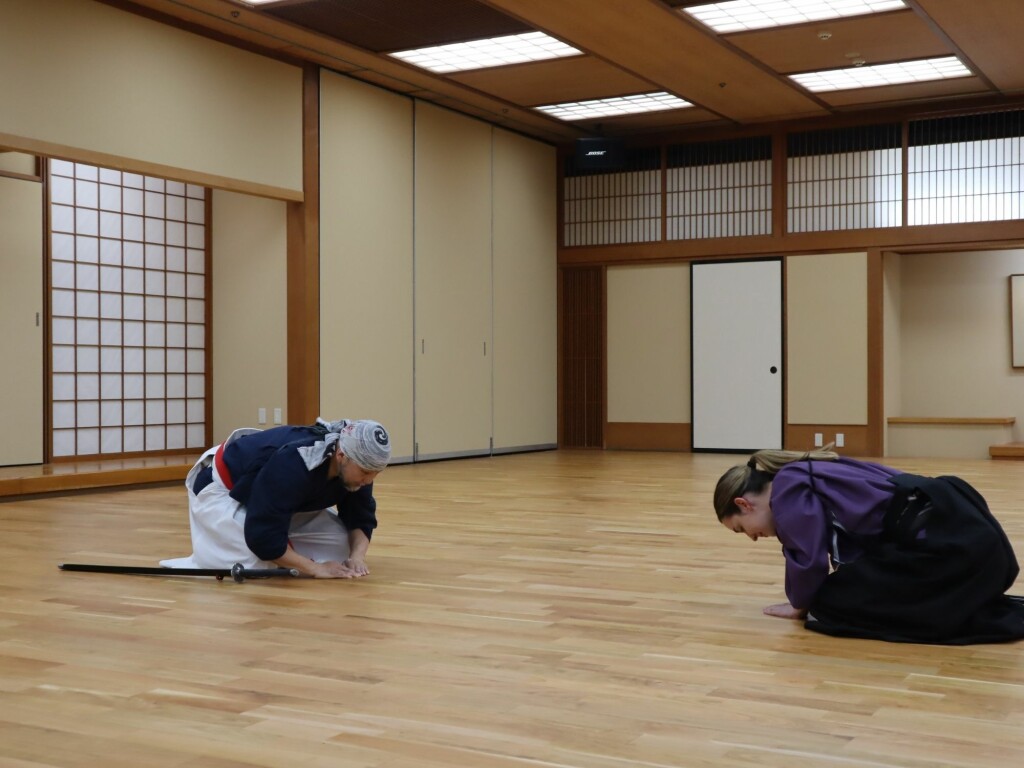
We opened the practice with an initial greeting. Then, it was my turn to draw the sword. At first, it felt a bit heavy to hold, but I soon got used to its weight.
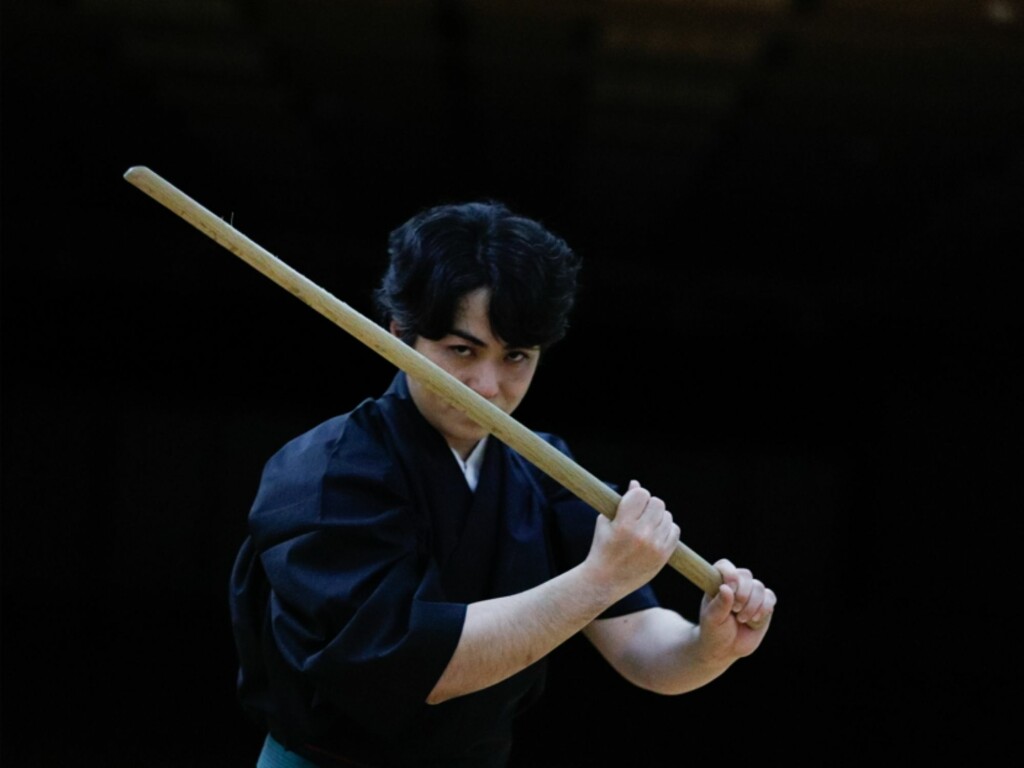
Shimaguchi taught me how to grip the sword, unsheathe it properly, and place my feet as I wielded and thrust it in several directions. Other Kamui artists went over the exercises with me, allowing me to mimic their posture and movements.
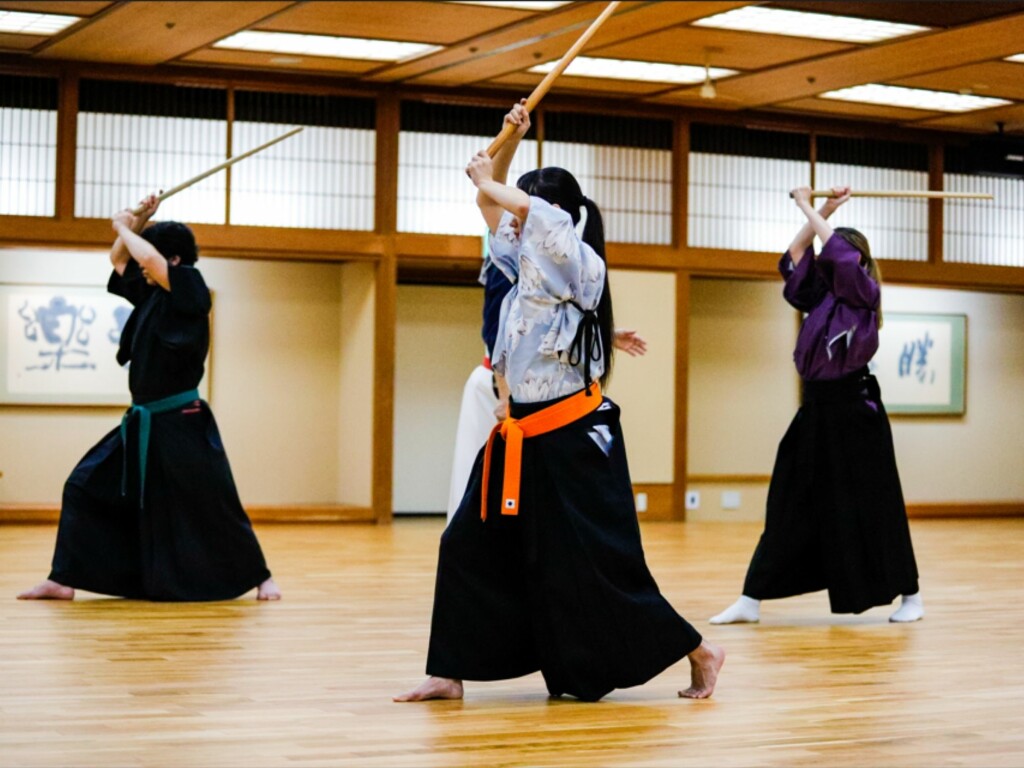
A vigorous performance consists of fast movements of arms and legs and sudden, firm halts. Rather than blading the sword slowly and delicately, a thrust followed by a sudden stop makes samurai fights dramatic and animated, Shimaguchi explained, as he exemplified the movements with Kazu-san.
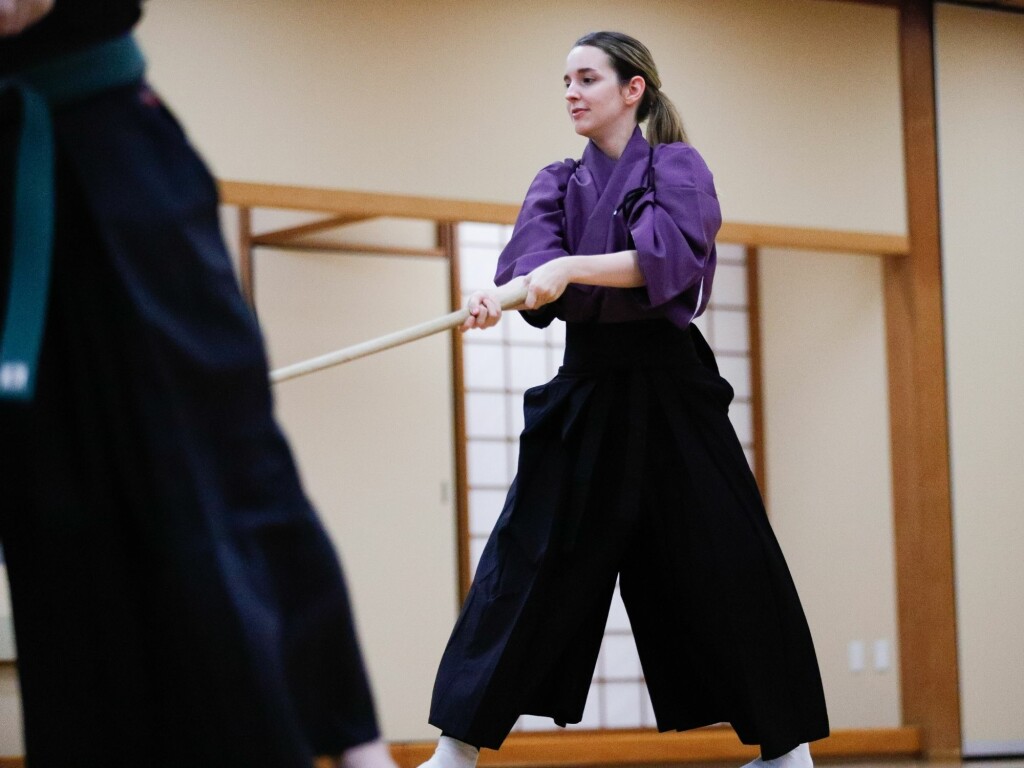
After some repetition, I gathered pace. Shimaguchi’s guidance helped me strengthen each pose, taking breaks as needed.
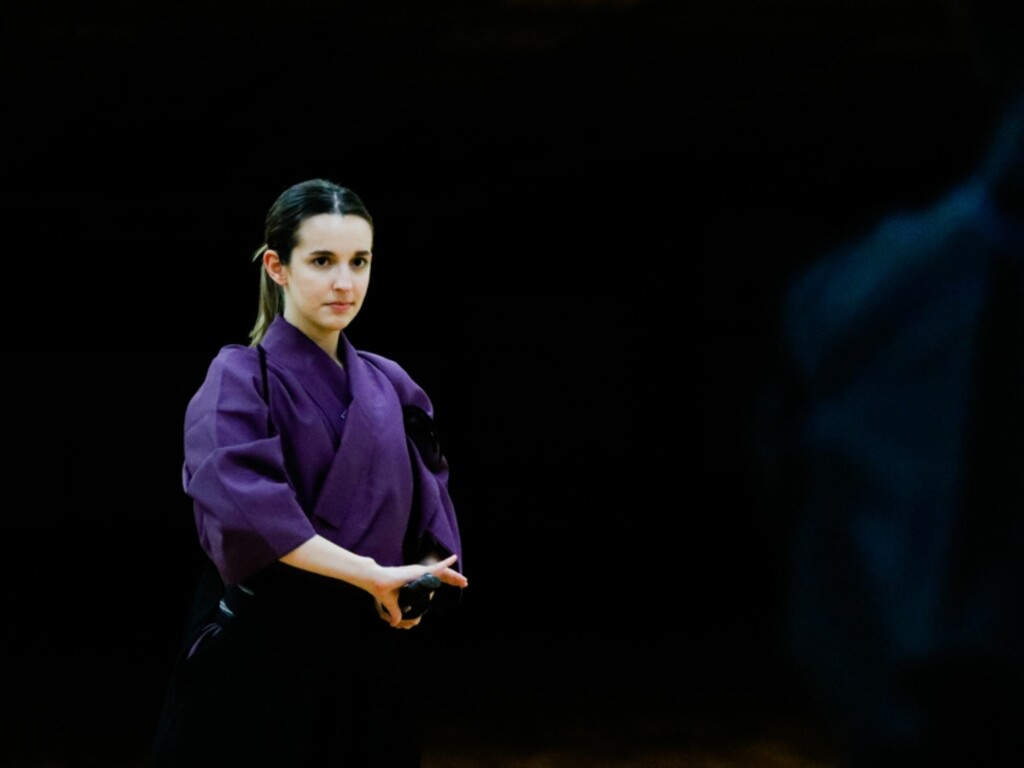
Time to Face an Opponent (And Work As a Team)
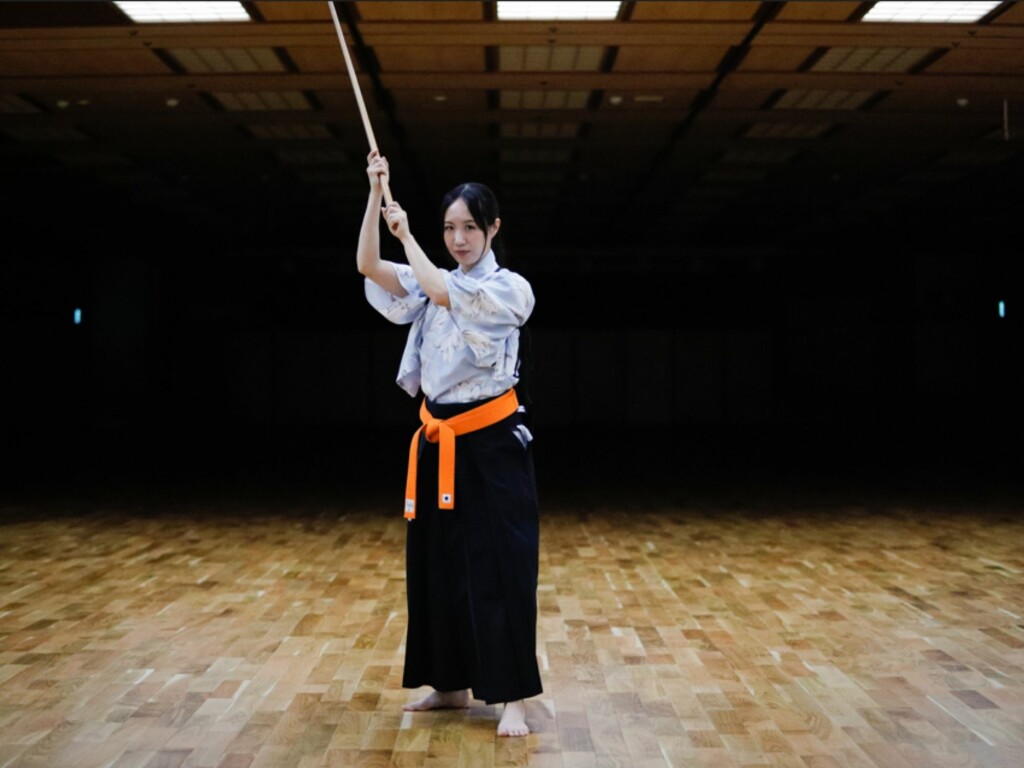
After a few drills with the Kamui team, I was comfortable blading the sword in different ways, so it was time to put my newfound skills into a team effort. We would practice fighting together.
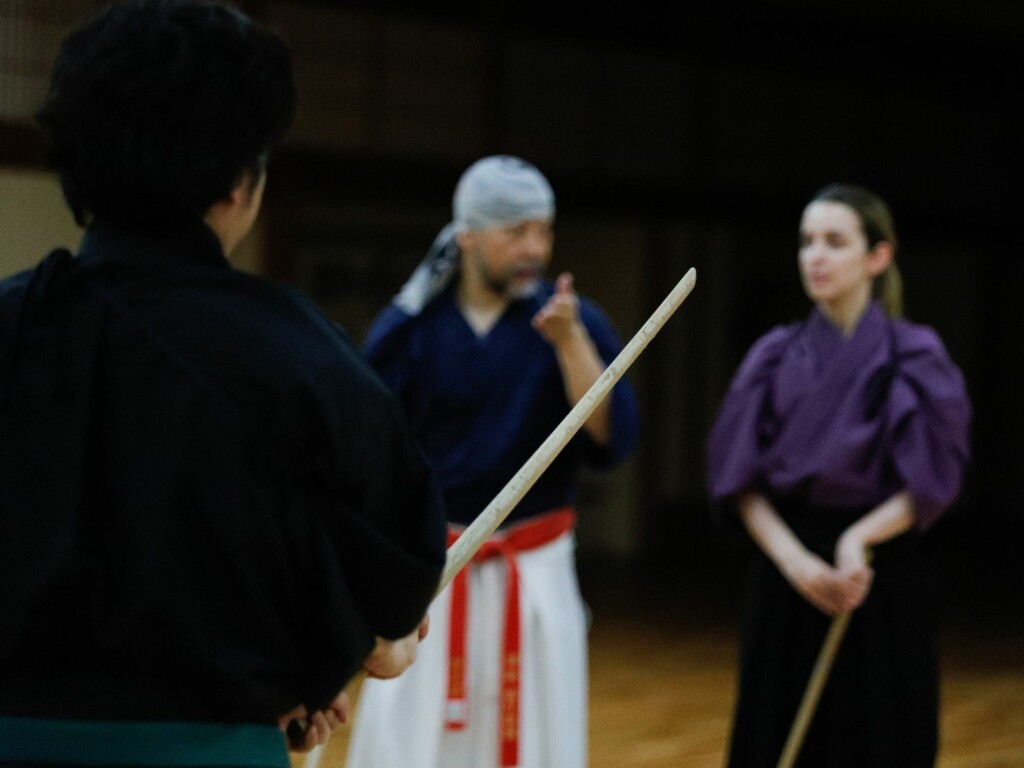
At first, I thought there would be no way I could coordinate so many steps, but after drilling each sequence a few times with them I grew in confidence.
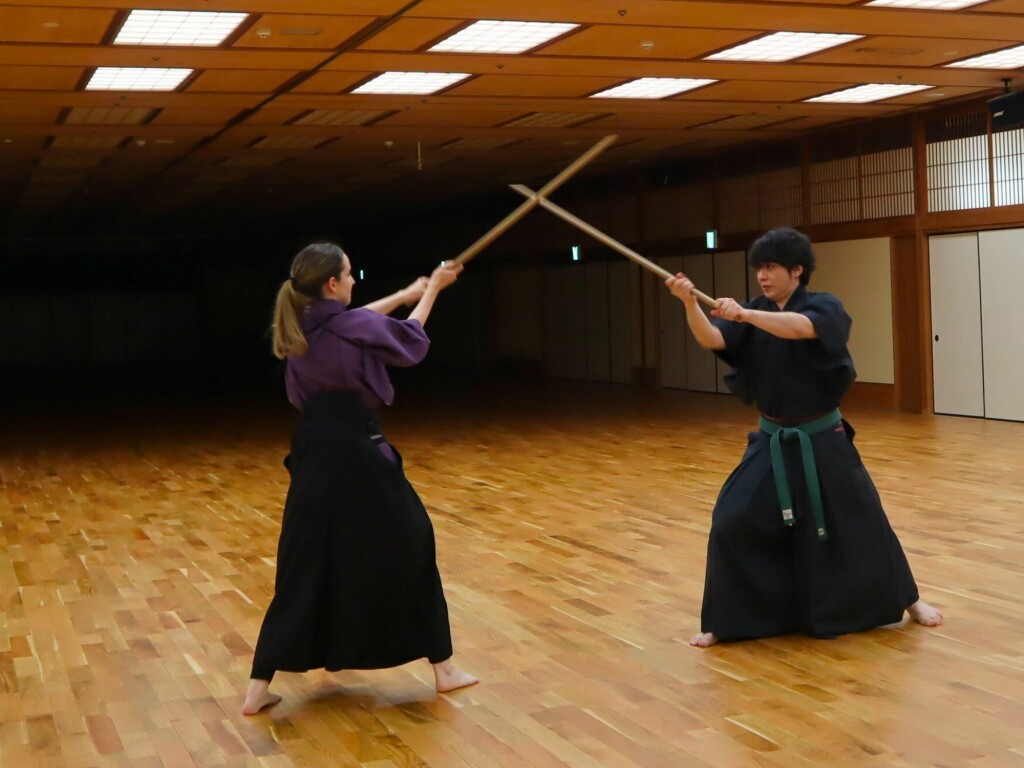
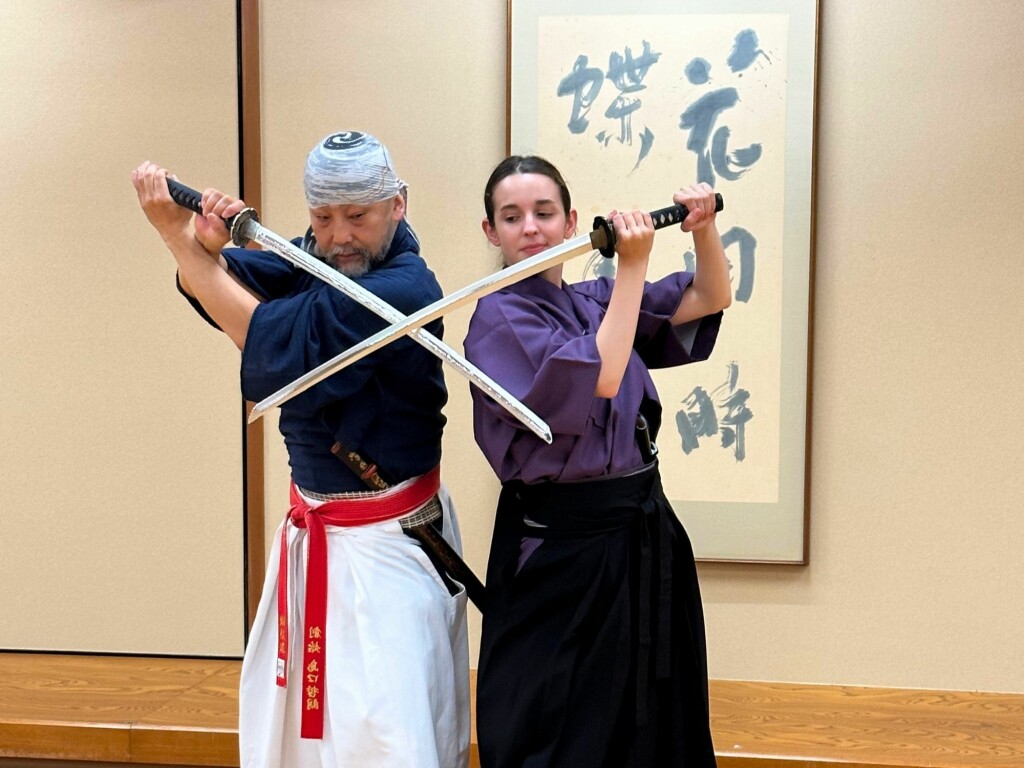
Looking at my partner in the eyes, rather than fixing the gaze on their movements, was a game changer. Soon enough, Kazu-san and I were engrossed in battle, the wooden swords clicking and our movements following a natural sequence with a shared pace.
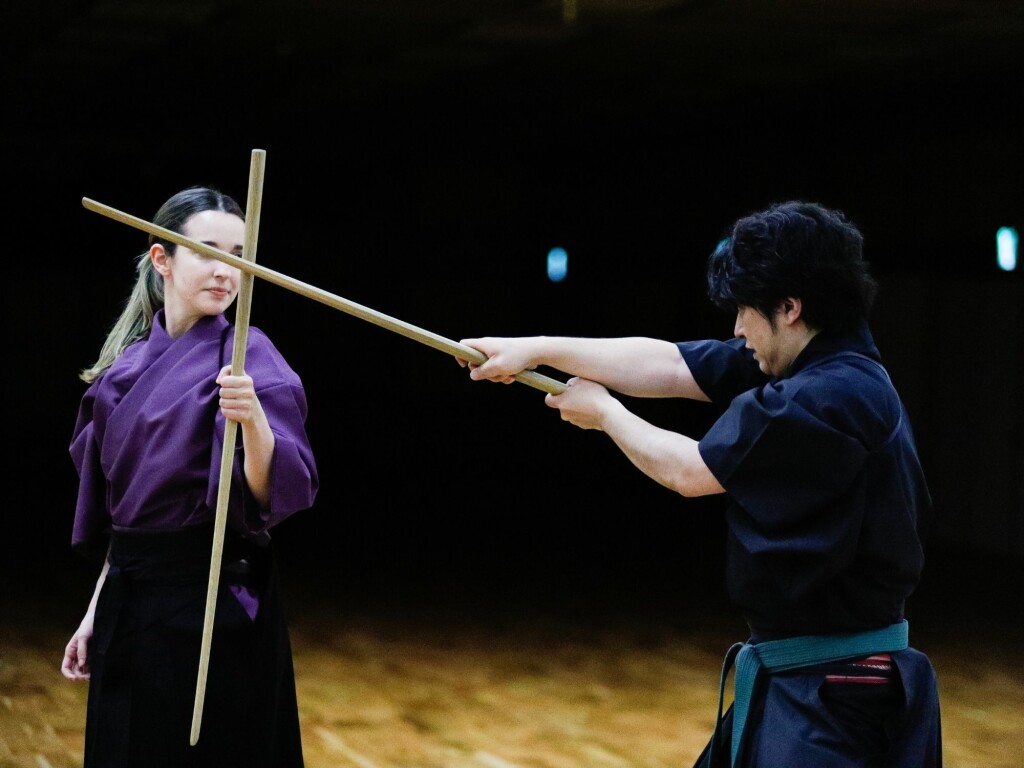
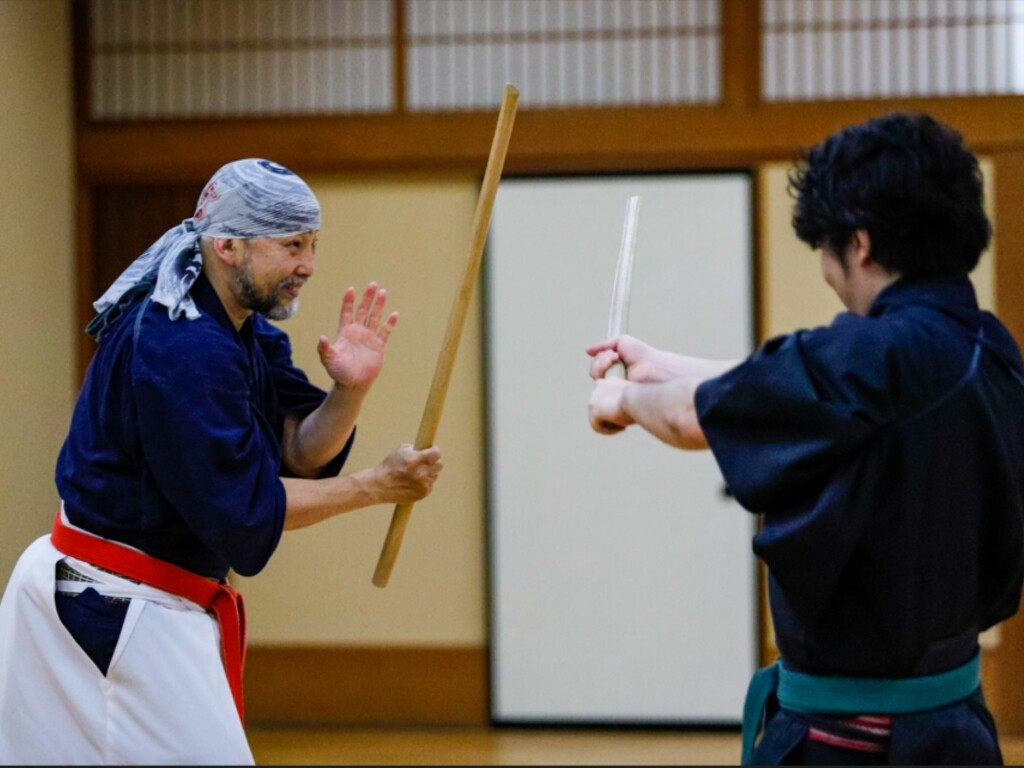
Shimaguchi is a passionate advocate of samurai history and culture, as well as a skillful teacher who inspires the same passion in his apprentices and team. During his kengido experience, you will:

  • Watch a professional samurai fight performance. 
  • Learn a series of sword-wielding movements and exercises.
  • Face both Shimaguchi and other Kamui samurai artists in choreographed battles and training exercises. 
  • Have some time after practice to talk about the experience and ask questions.
  • Receive a video showing your performance.
Booking & More Information

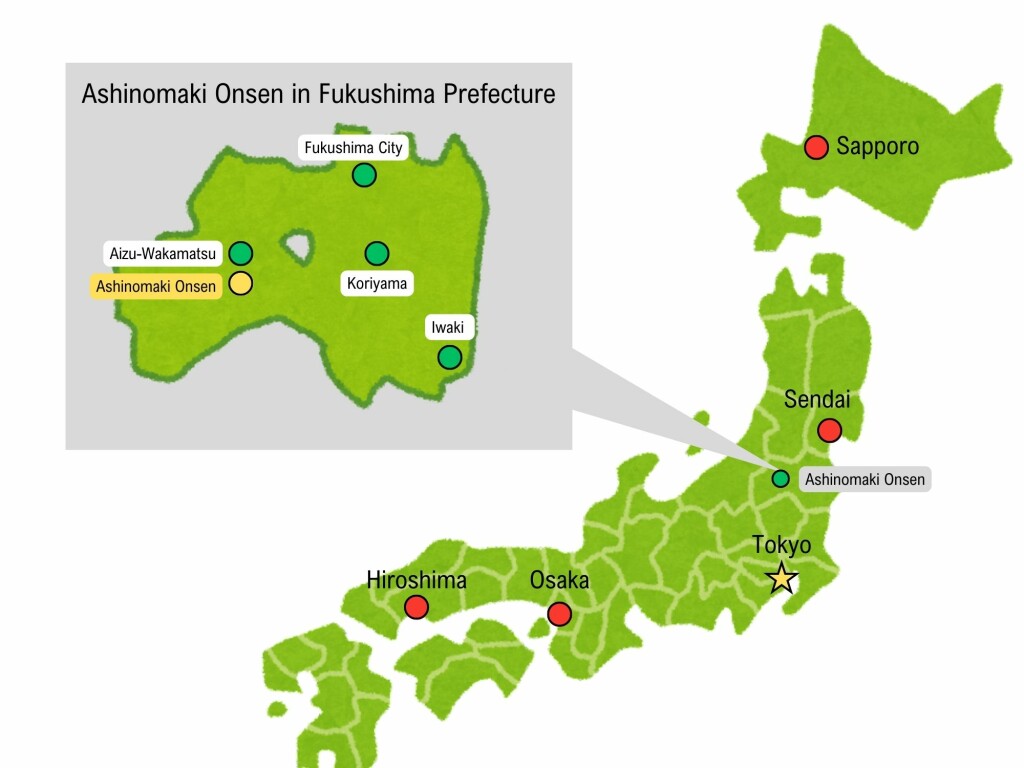
The experience is held at the traditional Japanese inn Ookawaso in Ashinomaki Onsen and includes a stay at its facilities, some meals, and other options, depending on the plan. For more details about booking this experience, please check here.
About the Location: Ookawaso in Ashinomaki Onsen
When Shimaguchi decided to teach kengido in Japan, the region of Aizu was an obvious choice. Aizu was once a vital enclave for a homonymous samurai clan that fought against modernization until the very end, in a famous battle against government forces that destroyed the city’s emblematic Tsurugajo castle and ravaged the city to its core.
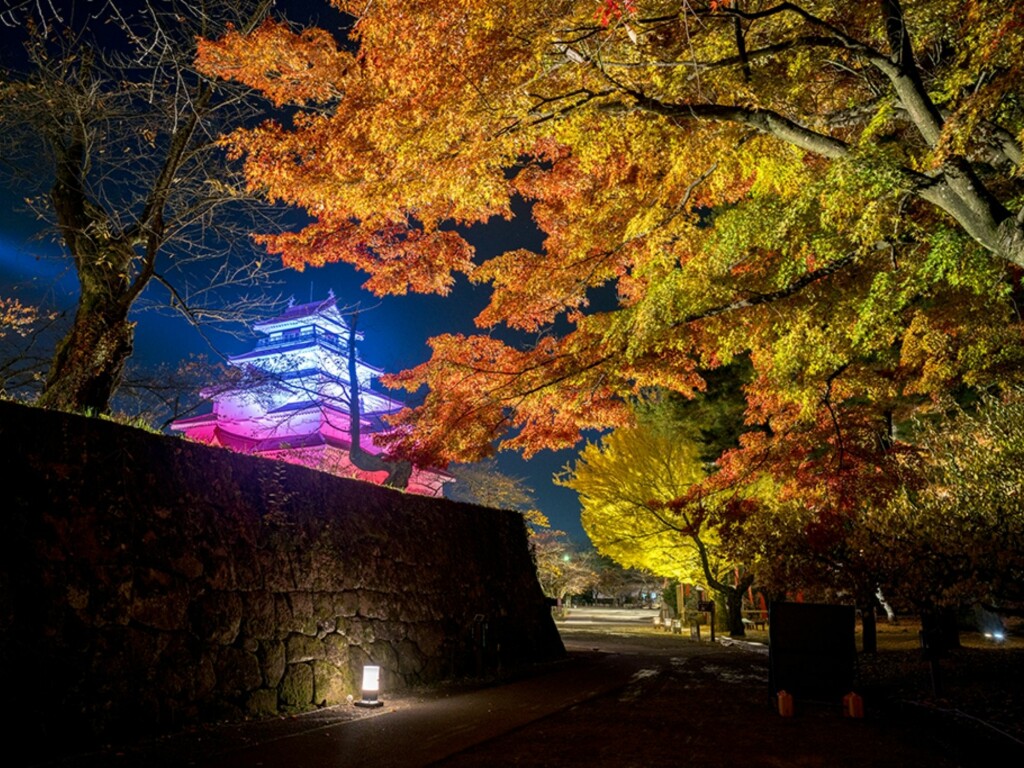
The castle was rebuilt and visitors to the area can learn of the history of the Aizu samurai clan that ruled over the land for centuries. Nearby attractions, like the Aizu Hanko Nisshinkan (a former samurai school) and the Bukeyashiki (a historical open-air museum and former samurai residence), offer rare glimpses into the everyday life of the samurai. 
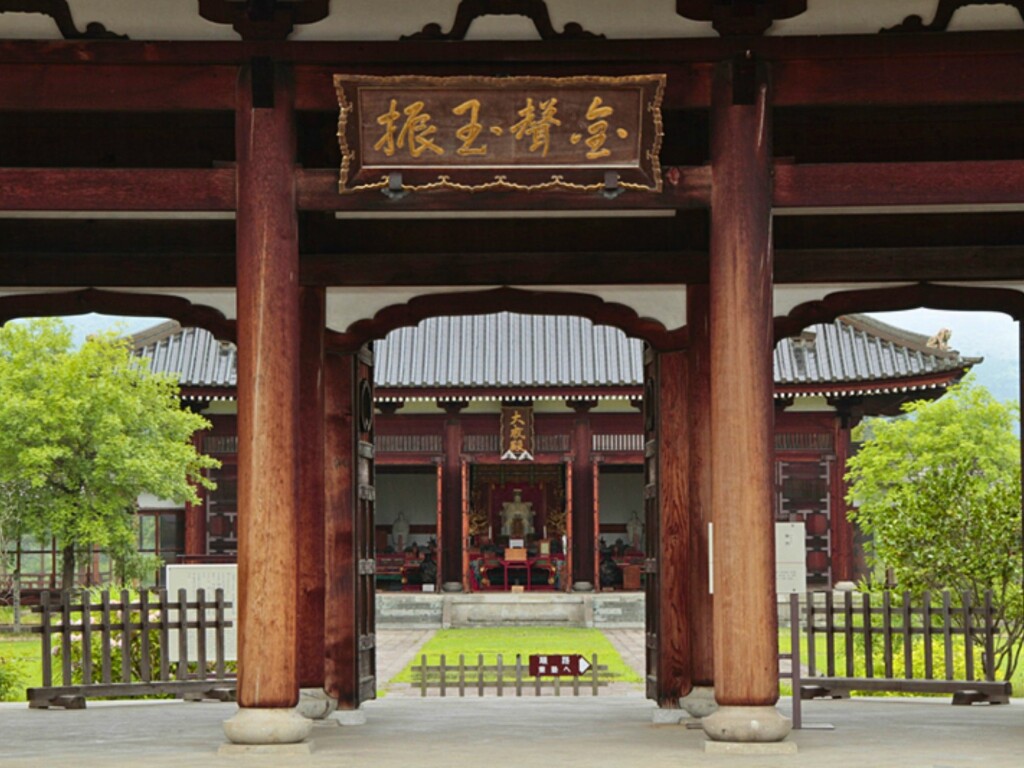
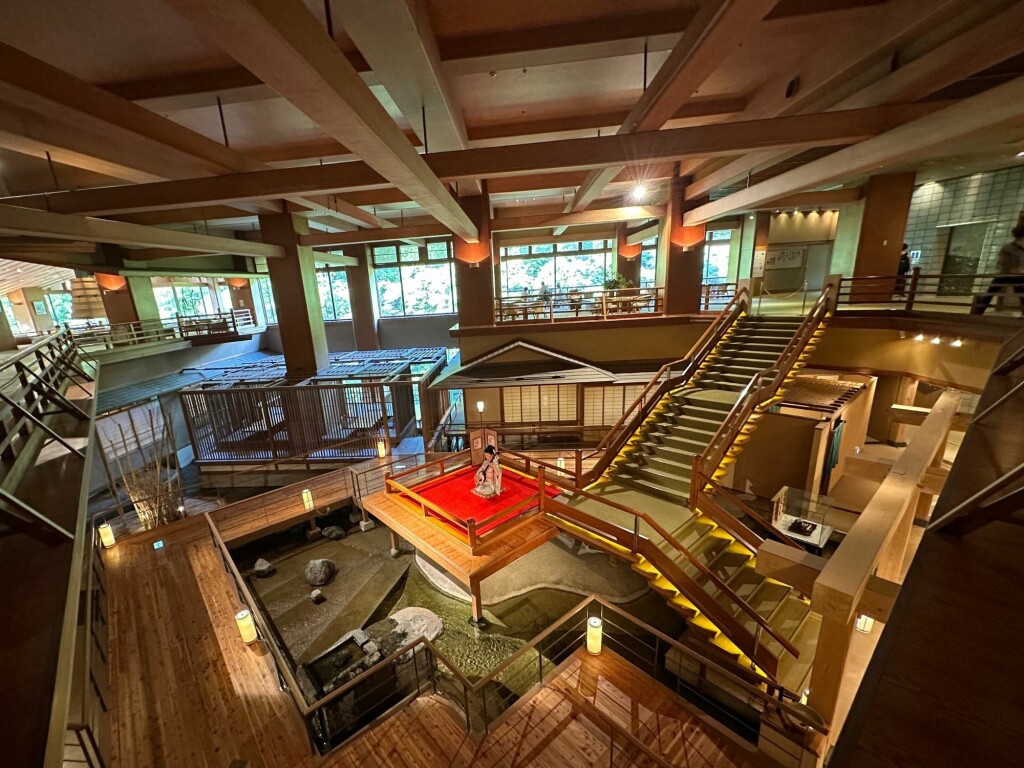
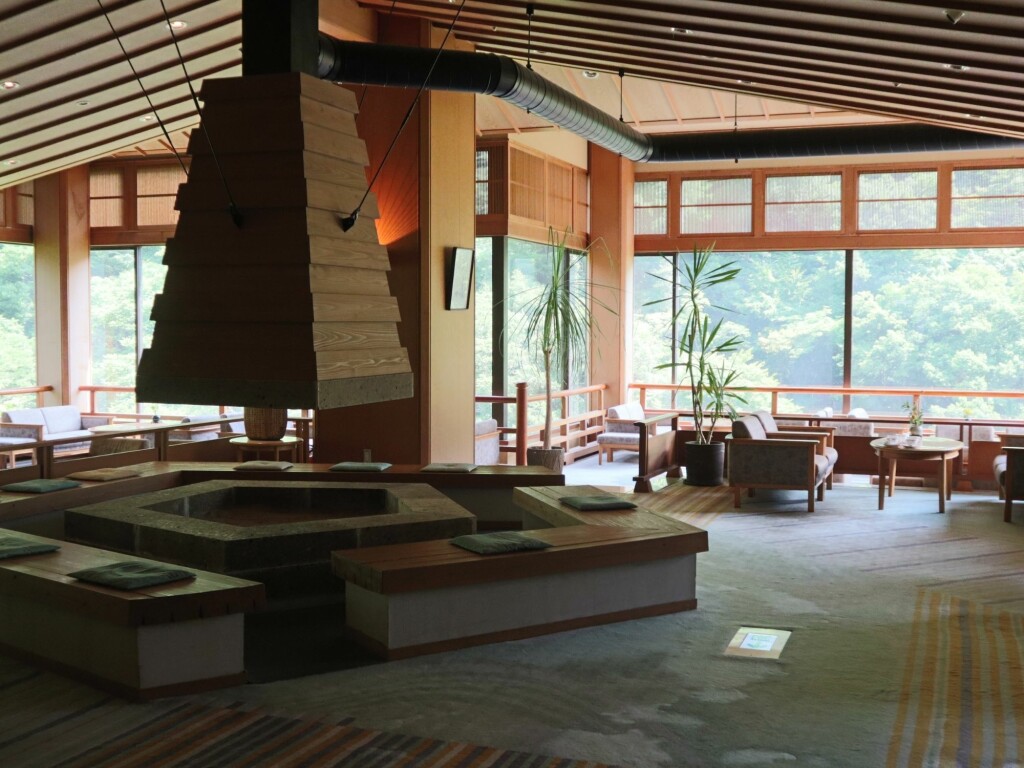
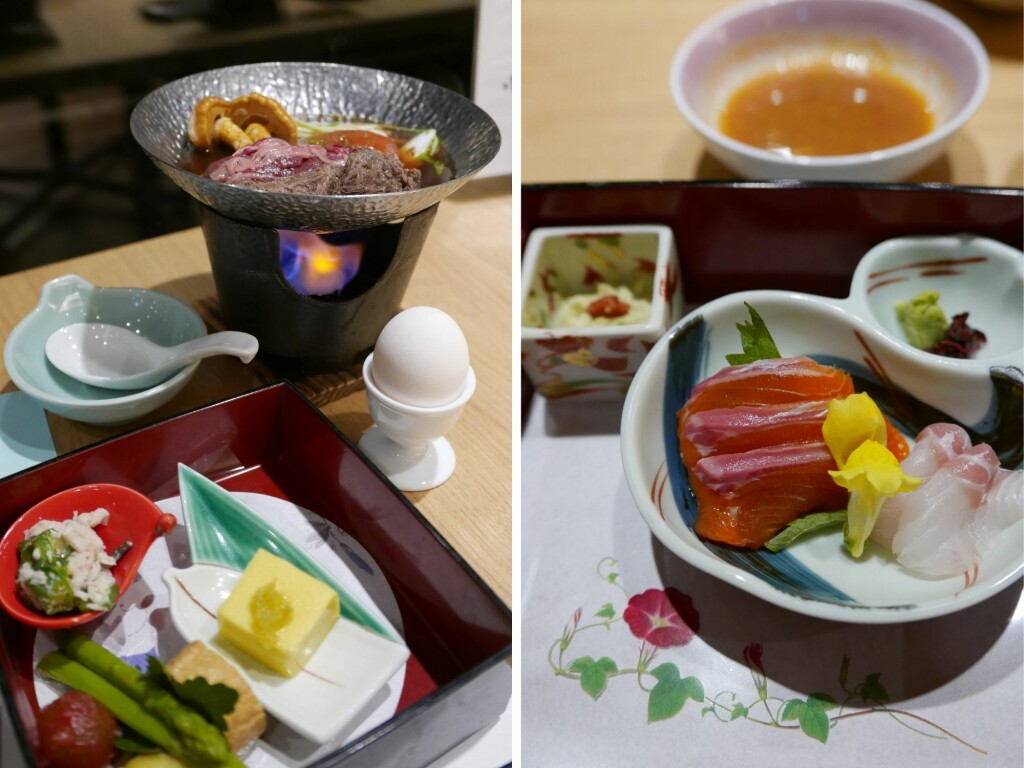
Ookawaso is a traditional Japanese inn in Ashinomaki Onsen, less than an hour south of Aizu-Wakamatsu City (where Tsurugajo castle is located). Guests in Ookawaso can enjoy relaxing in the hot springs, savor traditional Japanese cuisine, and watch shamisen performances on the inn’s traditional Japanese stage that resembles the one featured in the popular anime series Demon Slayer. The hotel offers both Japanese-style and Western-style rooms.
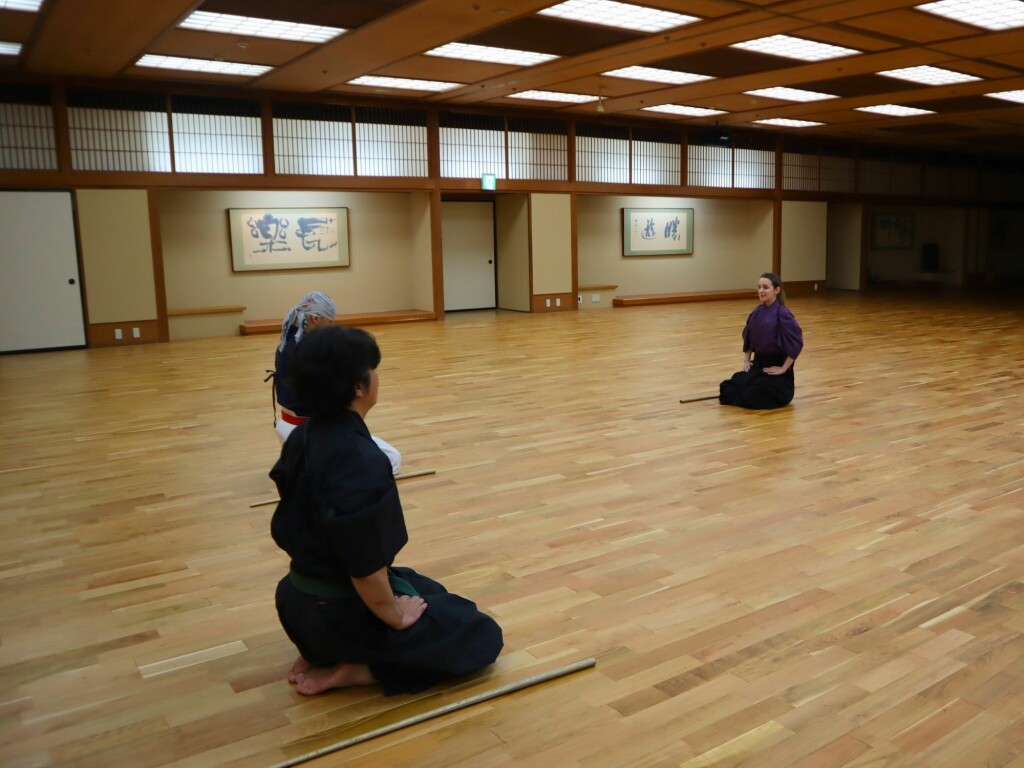
This kengido practice is held at the Kamui dojo in Ookawaso, a pristine room made of sakura wood that follows the traditional Japanese aesthetics of the inn.
The samurai legacy in Aizu is still very much alive. During your next visit, you can be a part of it as you embody ancient samurai precepts, guided by one of the world's leading samurai artists.

Access Information
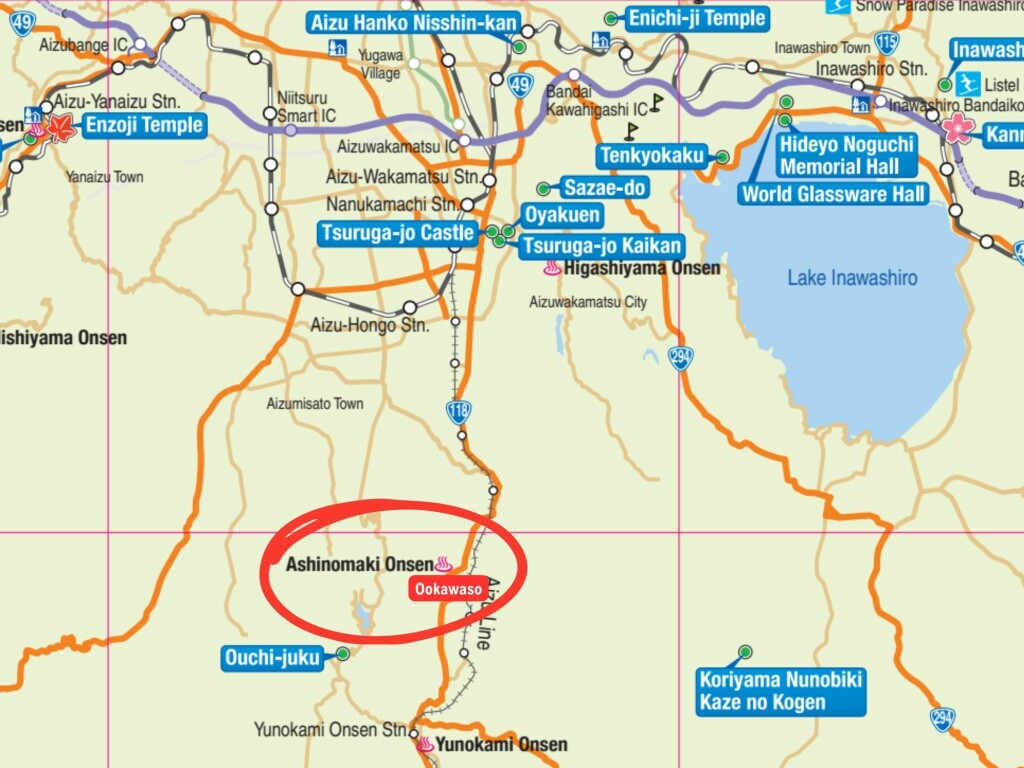
Ookawaso is located 40 minutes by local bus from Aizu-Wakamatsu Station (会津若松駅), or approx. 3.5 hours by car from Tokyo Station. More information about access to Ookawaso here.
Links

Discover Samurai History

6 Things to Do at the Aizu Hanko Nisshinkan Samurai School

Historical Samurai Tour

2 Days in Aizu-Wakamatsu

Latest posts

  1. Useful Information

    5 Hidden Autumn Colour Spots in Fukushima

    Fukushima Prefecture is famous for its striking autumn scenery, the mountainsides and parks across the prefecture turning vibrant shades of golds, reds, oranges, greens and browns throughout late October, November and into early December.Make sure to check out our guide to 10 famous spots, as well as our Google Maps list of every major autumn leaves area in the prefecture. But here are our top five lesser-known gems that are worth a visit this year:1. Suzumigaoka Hachiman Shrine, Soma CityLocated at the end of a road with parallel rows of cherry trees, Suzumigaoka Hachiman Shrine is a popular spot among locals in both spring's blossom season, and again in autumn. The gingko beside the main worship hall turns a vibrant yellow, and leaves cascade across the shrine grounds.All of the buildings on site are designated as Important Cultural Properties of Japan, and even in autumn colour season, the shrine grounds have a calming, ethereal atmosphere. It was once known as 'Soma Nikko', calling to mind the splendour of the Nikko shrine complexes in Tochigi Prefecture.Best viewing time: Late November to early DecemberAutumn is one of the best times to visit the Soma region, an area affected by the 2011 disaster but rich in natural beauty. Consider pairing your visit with a trip to nearby Baryo Park and its Soma Nakamura Shrine for more autumnal scenery.2. Isasumi Shrine, Aizu-MisatoA beautiful shrine complex with a lot to offer, Isasumi Shrine makes for a worthwhile visit during a trip to the Aizu region. The shrine grounds are beautiful in autumn, when yellow leaves can be seen throughout, and there's a park where visitors can walk through rows of vermilion torii gates and feed the ducks. (Ask at the nearby kiosk for bread!)Isasumi Shrine is a well-loved spot among Aizu locals. Once upon a time it was named a 'Daijingu' or 'Great Shrine', said to enshrine the guardian deity of the Aizu region, and was well-looked-after by the great warlords who ruled here throughout history.Best viewing time: Early to mid NovemberVisiting the storied old city of Aizu-Wakamatsu? Learn more about its samurai heritage by touring some of its major historical sites.3. Shirahata Gingko, Shinchi TownSometimes called the 'upside down gingko', this massive tree was the subject of an urban myth that Masamune Date, the notorious warlord, planted a riding crop here upside down that later became this tree. The beautiful yellows of the Shirahata Gingko -- which typically reach their pinnacle in early December -- can be seen from quite a distance and contrast beautifully with the striking red torii gate at its base.Best viewing time: Late November to early DecemberFukushima has some of the most impressive gingko trees in all of Japan, with most sites hosting night-time illuminations during autumn colour season. Consider visiting Fukushima City's Azuma Sports Park with its rows of parallel trees, the Great Gingko of Akai in Aizu for its sheer scale, or Shingu Kumano Shrine in Kitakata with its legendary wooden pavilion.4. Kuimaru Elementary School, Showa VillageAlthough no longer a real elementary school day-to-day, this old wooden building was built in 1937 and still stands in Showa Village, these days as a tourism and local community centre. It's most popular in autumn for the massive gingko tree that dominates the front of the building. The interior has a quaint, homely atmosphere thanks to its all-wooden construction and Showa era design, and visitors can take photos sat at the desks, while looking out at the tree through the window.Most years there are night illuminations of the tree, but please be aware the 2025 edition has been cancelled due to repeated bear sightings in the area.Best viewing time: Mid October to Early November5. Hanitsu Shrine, InawashiroIn the heartland of the stunning Inawashiro lake region, Hanitsu Shrine is located a few hundred metres south of the ski fields at Inawashiro Ski Resort. The shrine is famous not only for its gorgeous autumn colours caused by 16 large maple trees, but also for its great white torii gate that greets visitors at the front of the shrine. Patterned artisanal parasols line the stairs here, making it a picturesque location popular for families and couples taking photos.Walking up past the main shrine building takes visitors into the woodlands behind the main grounds, where cobblestone paths lead to the site where Lord Hoshina Masayuki, founder of the powerful Aizu clan of samurai, is buried.During autumn colour season, the shrine can get a little busier, and temporary car parking areas are installed. Please follow the instructions of staff. Illuminations take place from 5pm to 9pm.Best viewing time: Late October - mid NovemberLooking for more information? Check out our: Guide of Top Things to Do in Fukushima Access guide for getting to Fukushima Itineraries page for trip ideas Activities page for tour experiences with English support

    5 Hidden Autumn Colour Spots in Fukushima
  2. Destination Spotlight

    5 Things to Do in Kitakata

    Located just 15 minutes north of the historic city of Aizu-Wakamatsu, Kitakata is a charming area with a rich history, most notable for its traditional quarter and seasonal nature spots.If you’re visiting Kitakata, be it for cherry blossoms, the green season, or autumn colours, this is a great chance to explore one of Japan’s great ‘ramen cities’, with over 100 restaurants serving the famous Kitakata ramen.Here are some ideas for things to do:Wander the old townDuring the Meiji and Taisho eras, Kitakata experienced a construction boom, leaving behind an impressive legacy of around 4,200 kura warehouses still standing today. These buildings were originally used by brewing and lacquerware industries, but they also symbolized wealth and pride for local families. Building a kura was seen as a mark of success and remains deeply tied to Kitakata’s cultural identity.Different districts showcase unique designs. If you’re keen to learn more, the visitor’s centre Kitakata Kura no Sato offers a preserved collection of kura and other traditional architecture within a 4,500-square-metre site. Ten restored buildings include warehouses for miso, grains, shops, and even residences, as well as houses of former local officials.These kura now serve as exhibition spaces, displaying everything from Aizu dye stencils and historic photographs to stories of local figures and movements from the Meiji era. Wandering from warehouse to warehouse is a great way to immerse yourself in traditional Japanese culture.Nicchusen Weeping Cherry BlossomsThe Nicchusen cherry blossoms offer one of Fukushima’s most memorable springtime experiences. The trees line a three-kilometre stretch of the former Nicchu Line railway, which once connected Kitakata with Atsushio Onsen. Today, the old tracks have been transformed into a walking and cycling path that comes alive with thousands of cherry blossoms, creating a tunnel of pink and white each spring. Blooming typically coincides with Golden Week in late April to early May.An old steam locomotive remains on display midway along the path, providing a nostalgic backdrop framed by blossoms. On clear days, you can even make out the silhouette of Mt. Bandai to the east.With different varieties of cherry trees, each section offers unique views and photo opportunities. Despite its popularity, the path is so long that there are still plenty of places to stop and relax, and food stalls are usually abundant during blooming season.Sannokura Plateau Sunflower Fields & Ski ResortIn summer, the ski slopes of Sannokura Plateau are transformed into expansive fields of sunflowers. Around 1.5 million flowers bloom across 5.4 hectares of land, divided into three main areas that flower at slightly different times. This staggered blooming means visitors can enjoy the fields from early August through early September. The view stretches across the Aizu Basin, giving the fields a broad and open backdrop.The site is also known for its canola flowers, which bloom between March and June. The yellow blossoms spread across the same slopes, offering another seasonal landscape before the sunflowers appear. Signs at the entrance provide guidance on the best viewpoints and current blooming conditions, while wooden observation decks on the west and south hillsides give elevated perspectives over the fields.In winter, the area reopens as a ski resort, hosting evening sessions for beginners and intermediate skiers.Shingu Kumano ShrineAt the heart of Shingu Kumano Shrine stands an 800-year-old ginkgo tree, rising 30 metres high with roots over eight metres around. Designated a Natural Monument of Kitakata City, the tree is the site’s most striking feature. Each autumn, its leaves turn a vivid yellow, covering the shrine grounds in a golden carpet. In November, evening illuminations draw visitors from all over Tohoku.Behind the ginkgo is the Nagatoko, or ‘long floor,’ a large thatched-roof worship hall built between the Heian and Kamakura periods. Supported by 44 pillars and open on all sides, it was historically used for ascetic training and kagura dance rituals. The hall has been designated a National Important Cultural Property.The shrine also preserves treasures such as a copper pot once used for offerings, Buddhist statues, and guardian figures, many of which are displayed in the treasure hall.Savour Kitakata ramenKitakata ramen is one of Japan’s ‘big three’ ramen styles, alongside Sapporo and Hakata, and for many people is one of the highlights of visiting the area. Known for its soy sauce-based broth and thick, chewy noodles with a high water content, the style originated at Genraiken in 1927, when Ban Kinsei, a Chinese immigrant, began selling noodles based on his own recipe. He later opened a shop and shared his methods freely, helping spread the dish across the city.Today, Kitakata has the highest number of ramen shops per capita in Japan. Local eateries often open as early as 7 a.m., serving bowls to factory workers, farmers, and travellers. Among the most famous are Genraiken, Makoto Shokudō, and Bannai Shokudō, each offering slightly different variations, from soy sauce-based soups to salty broths topped with generous slices of chashu pork.The long tradition of soy sauce brewing here, and access to clear mountain water, also shapes the flavor of the ramen. Local pride and the work of ramen associations has helped establish Kitakata as a must-visit ramen destination.Kitakata’s ramen shops are as much a cultural experience as a meal, reflecting Kitakata’s history, resources, and community spirit.One of several bars at Aizu HomareTour a sake breweryA trip to Kitakata wouldn’t be complete without a visit to a sake brewery. Two potential options are Yamatogawa and Aizu Homare, both of which have long histories and welcome visitors for tastings and tours.Yamatogawa Brewery, founded in 1790, uses pure mountain water from Mt. Iide and high-quality rice grown on its own fields and by local farmers. The interior features a museum telling visitors about its long history. Next to the brewery, the Northern Museum displays Edo-era earthen storehouses and explains how sake production has evolved. Tours and tastings are free, and the museum is open daily from 9:00 to 16:30.Aizu Homare Brewery, established in 1918, is known for its award-winning sake and also benefits from soft spring water from Mt. Iide. Visitors can take guided tours, watch a video on sake making, and sample over 10 varieties of sake, liqueur, and shochu. The brewery grounds include a large Japanese garden, overlooked by a tatami room where guests can sit, enjoy sake, and take in the seasonal scenery.Looking for more information? Check out our: Access guide for getting to Fukushima Itineraries page for trip ideas Activities page for tour experiences with English support

    5 Things to Do in Kitakata
  3. Useful Information

    8 Things to Do in Nihonmatsu

    Nestled between Fukushima and Koriyama, the sleepy city of Nihonmatsu is surrounded by beautiful nature on all sides. With both cities accessible in short order by shinkansen from Tokyo, Nihonmatsu makes for a great day trip while seeing other sights in this region of Japan.The area is at its most lively during festival season, centring around October and November, but there’s something to visit in Nihonmatsu year-round. Let’s take a look at some of the best spots for a trip to this hidden gem:Climb Mt. AdataraAt 1,700m tall, Mt. Adatara is one of Fukushima’s most famous regions for hikers. It’s also very accessible thanks to a gondola lift, departing from Adatara Kogen Ski Resort at the base, which takes visitors up as far as 1,300m.Regardless of how you make the climb, you’ll be treated to gorgeous views over the surrounding hillsides, especially in autumn when the foliage turns a vibrant gold and orange. This is a great option for hikers of all experience levels, with the trails well-marked and fairly wide throughout the trek.Kasumigajo Castle ParkIn 1868, Nihonmatsu Castle was torn down after forces loyal to the fading shogunate were defeated in the Boshin War. These days only the walls remain, but the castle park is a beautiful spot and listed as a prefectural natural park. In autumn, it’s the site of the charming Nihonmatsu Chrysanthemum Doll Festival, while in spring, the park comes alive as over 1700 cherry trees bloom a beautiful pink.Nihonmatsu Lantern FestivalOne of the best festivals in the prefecture, the lantern festival in Nihonmatsu is held every year at the start of October. Seven giant floats parade through the streets decorated with hundreds of traditional lanterns, each lit by hand by a platoon of talented local townspeople. Each float is then filled with drummers, pulled along by groups of dancers, and cheered on by local students – it’s a powerful atmosphere, and the visuals of the glowing lanterns in the night is hard to beat anywhere in Japan.The festival takes three days; the first day (Saturday) is considered the main day, when all seven floats parade in a single line. On Sunday they tour the city separately, before parading in two groups on the Monday.Visit this page for more information about Fukushima's incredible festival culture.Relax at Dake OnsenMany people choose to experience Japanese culture first-hand during their trip by soaking in a hot spring, or onsen. While it’s not for everyone – clothing is not permitted at most public hot springs – there are options for non-bathers, too. Fukushima has a wealth of onsen towns, served by piping-hot water sourced directly from its many mountains, and Dake Onsen is one of its most charming. But for those not taking a dip, the town still has a pleasant atmosphere perfect for taking a stroll, footbath facilities, and the beautiful road of Sakurazaka (especially beautiful in cherry blossom season!)Take the Extreme Onsen challengeFor those wanting to try an onsen where swimsuits are allowed, this challenge might be right up your alley. A robust hike up an active volcano, with the help of a local guide, and you’ll be soaking in the hot springs of Mt. Adatara directly at the source. The tour is only offered during the summer, since the trail can be dangerous while winter snow remains on the mountain. The Extreme Onsen hike is a truly unique experience, and works great for either groups or as a solo trip.Visit a sake breweryFukushima has a stellar reputation as one of Japan’s best sake-brewing regions. With over seventy breweries in the prefecture, many of which have been making sake for centuries, there’s a reason Fukushima sake constantly wins gold medals at the Annual Sake Awards and has been served at major events worldwide.Seeing the inside of a brewery during your trip to Japan is a must for anyone interested in Japanese cuisine or sake. An option in Nihonmatsu is Himonoya, similarly traditional in that it only brews sake during the winter. Both offer brewery tours, albeit with limited English support, so for guests looking to know more about the sake brewing process, some knowledge of Japanese or an interpreter will be required.Make washi (traditional Japanese paper)Washi paper is a fascinating traditional craft with over a thousand years of history. Handmade from natural fibers, it’s renowned for its strength, beauty, and translucency. Unlike Western paper, washi is produced using meticulous techniques passed down through generations and its versatility spans from everyday items and calligraphy to art conservation and interior design.At the Nihonmatsu Washi Traditional Crafts Gallery, you can learn about the history of the craft, see the kozo (paper mulberry) it’s made from, and make postcards or lampshades to take home as a souvenir. It’s an excellent family activity and well worth a trip.Ebisu Drift CircuitThe famous drift circuit at Ebisu brings hundreds of visitors from overseas every year to experience Japanese drift culture first-hand. The circuit features seven unique courses of varying styles and difficulty levels, and hosts a plethora of racing events throughout the year. Most popular is the Ebisu Drift Matsuri, a drift festival held three times a year, with certain courses only usable for drifting during that weekend.Related informationDay trip itinerary in Nihonmatsu CityOther activities in Fukushima PrefectureGetting to Fukushima

    8 Things to Do in Nihonmatsu
Top