

Lake Inawashiro Ouchi-juku

Scroll

Welcome to the Lucky Island

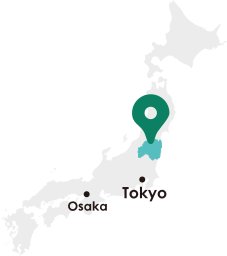
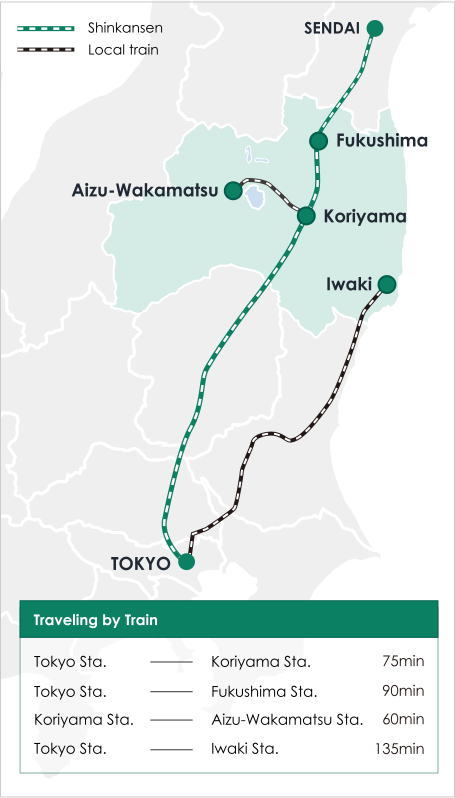
Located only 90 minutes north of Tokyo, Fukushima Prefecture is the third-largest prefecture in Japan, split into three unique regions that each offer a different way to experience Japanese culture.

Access to Fukushima Prefecture in Japan.
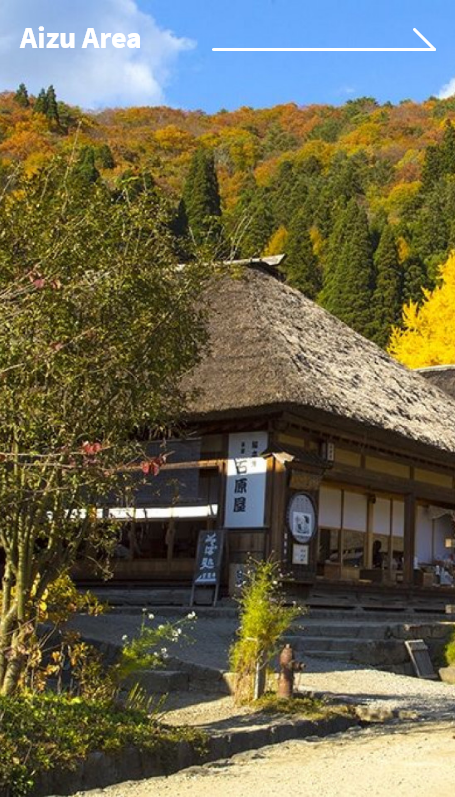
Aizu Area
Central Area
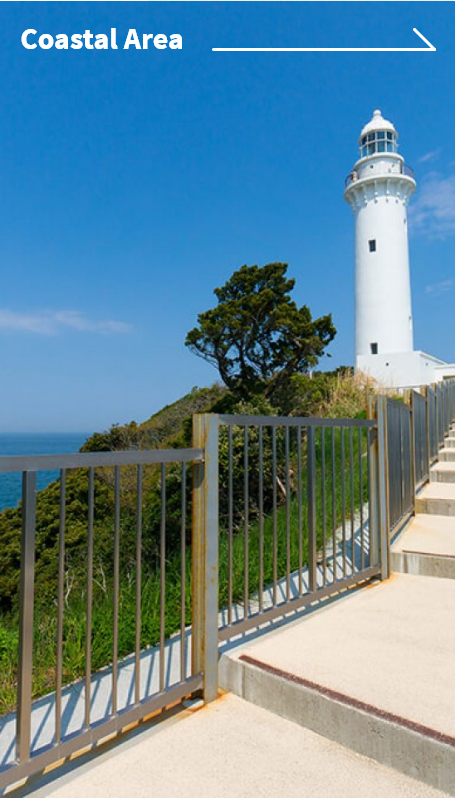
Coastal Area

Start Planning

Instagram

  • Connect with us

Activities in Fukushima

Once in a Lifetime Experiences

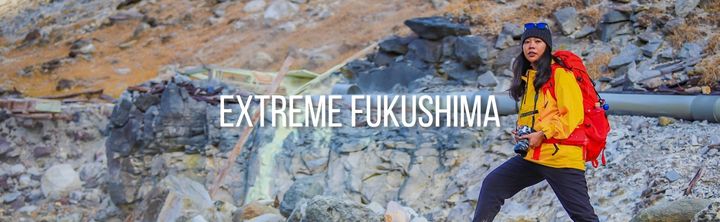
EXTREME FUKUSHIMA
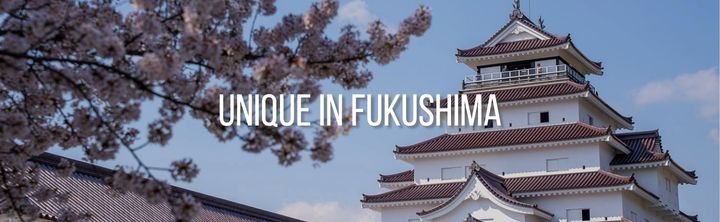
UNIQUE IN FUKUSHIMA

Sightseeing Spots in Fukushima

Tsurugajo Castle
History & Culture

Tsurugajo Castle

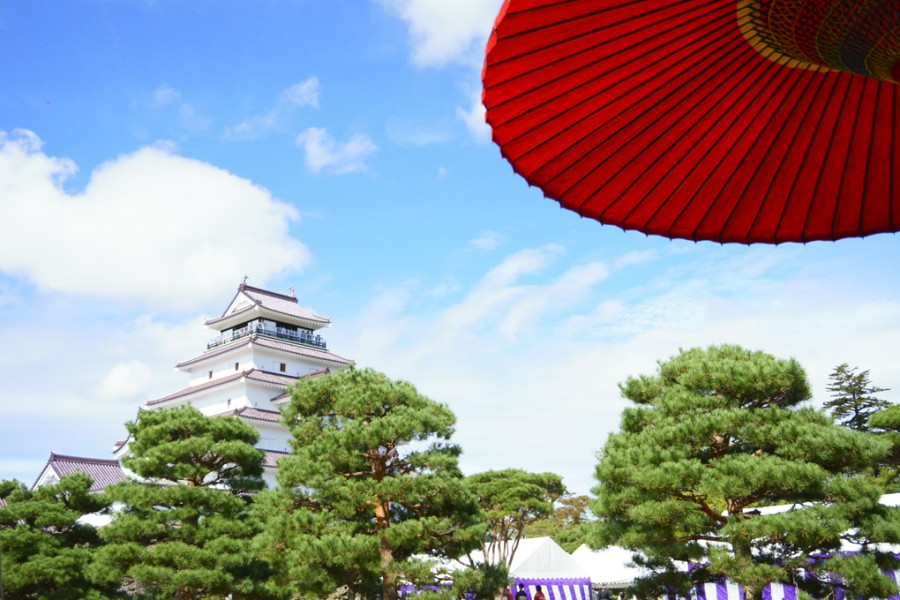
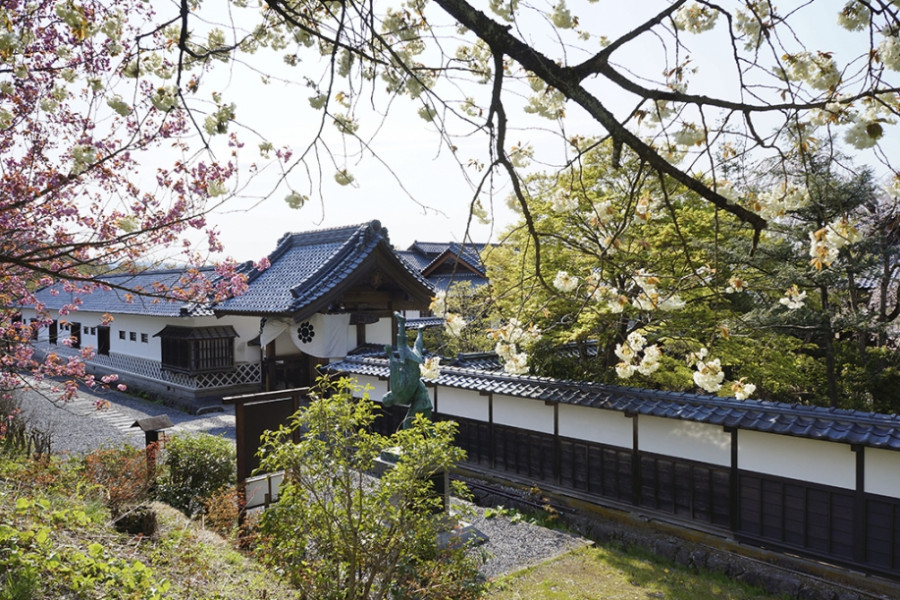
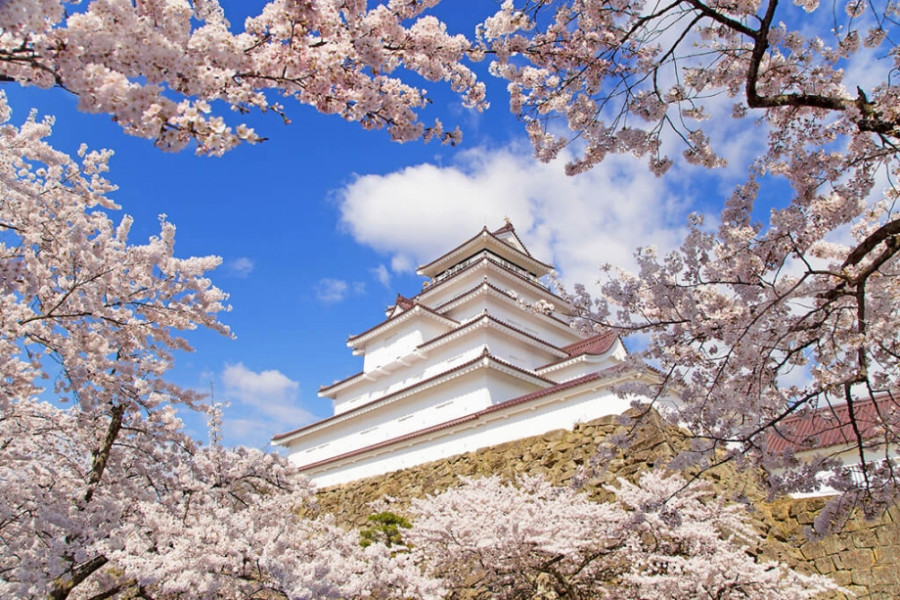
Tsurugajo Castle is the crown jewel of the Aizu region, bringing visitors from all over the world to see its incredible scenery, which changes drastically every season.Despite several reconstructions to the main castle over the years, the surrounding park's stone walls remain in their original state. In 2010, for the first time since it was refurbished in 1965, the castle underwent a cosmetic restoration. Following completion in 2011, the same red-tile roofs seen by the Byakkotai (during the Boshin War and finals days of the Tokugawa shogunate) are now displayed for all to see.This castle is one of the final strongholds of samurai that remained loyal to the shogunate and today stands as a symbol of courage and faithfulness.Within the castle tower's museum, the swords and armor of the castle’s successive lords are on display. Visitors can watch a CG-enhanced theatrical video reflecting on the great history of Aizu.In addition to the historical atmosphere surrounding Tsurugajo, visitors can sense the changes that have occurred throughout history, thanks to the engaging and informative museum within the castle walls. It’s fun to gaze across Aizu from the fifth floor, like a feudal lord admiring his domain—the viewing platform up here provides panoramic views taking in Mt. Bandai and Mt. Iimoriyama.The castle is also a must-see in the springtime when approximately 1,000 cherry trees offer a magnificent display within the castle's grounds.When you’re in the mood for a rest, visit the Rinkaku Tea Rooms for some freshly-prepared matcha green tea. This tea house on the grounds of Tsurugajo was vital in the spread of this traditional art—and had it been destroyed during the Meiji Restoration, tea ceremony as it is known in Japan might have vanished.
Kannonji-gawa River Cherry Trees
Nature & Scenery

Kannonji-gawa River Cherry Trees

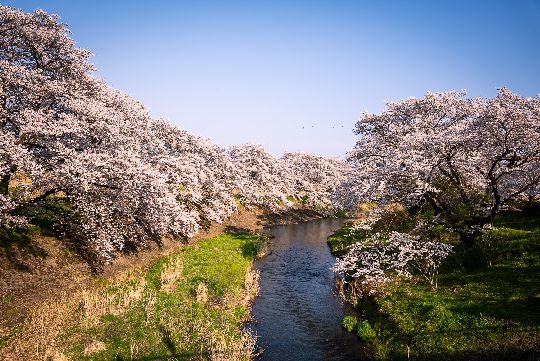
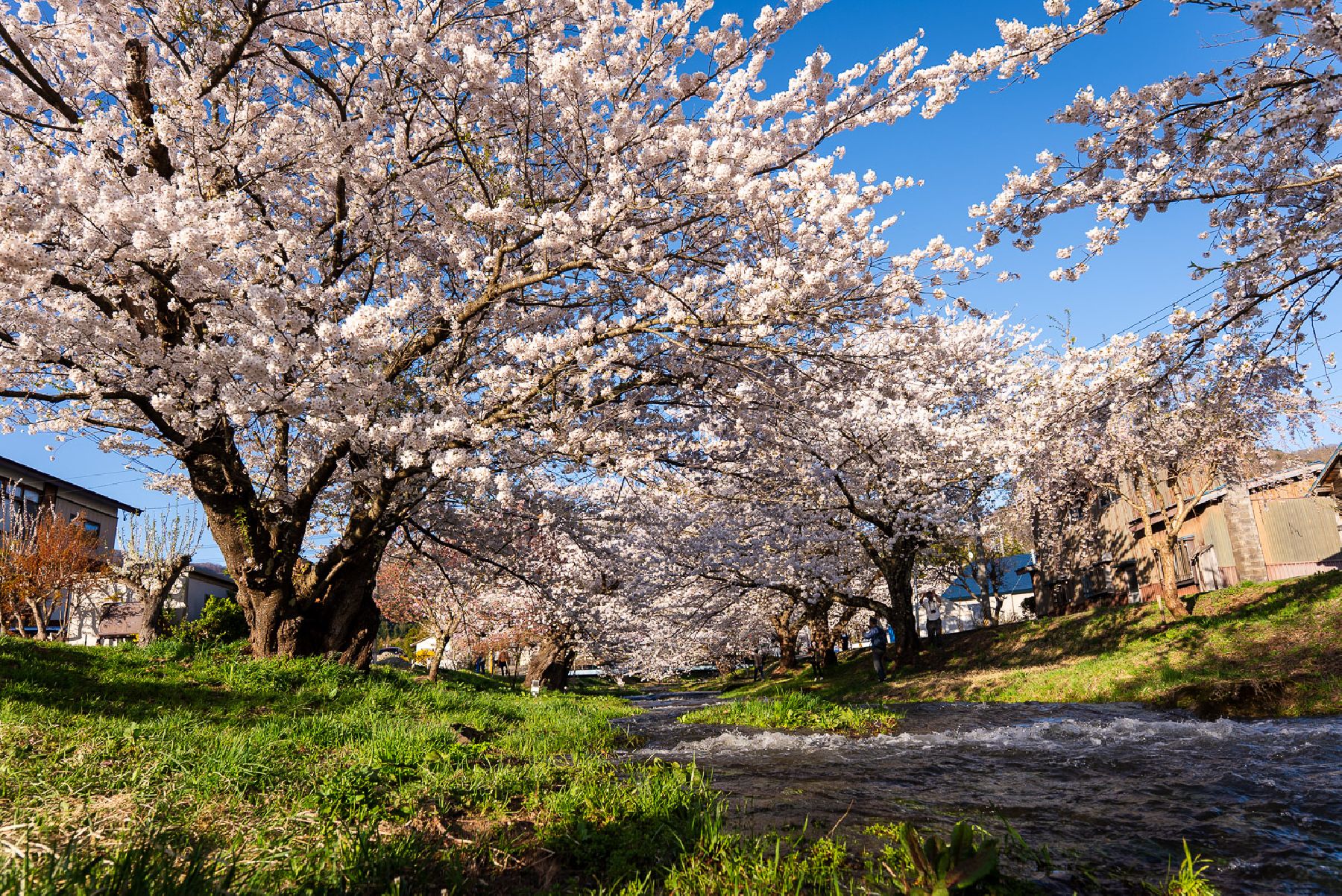
Only a one-minute walk north of Kawageta Station (JR Ban-etsu West Line) is this beautiful 1 km-path along the banks of the Kannonji-gawa River. In the spring the path transforms into a spectacular tunnel of Yoshino cherry trees and weeping cherry trees. Kannonji-gawa River is perhaps the most fantastic place to see cherry blossoms in Fukushima Prefecture; the calming river and the lovely petals falling like snow are a sight that can’t be beat. The lush green bank contrasting with the pale pink blossoms creates an unforgettable scene.Altogether there are about 200 trees growing along the Kannonji-gawa River on both banks. Additionally, the river maintains its natural curves and bends as it hasn’t undergone any work to adapt its shape to the city surrounding it. It’s one of Fukushima’s most splendid and respected natural landscapes. Currently, the Kannonji-gawa River cherry trees rank number 11 of the best places to see cherry blossoms in the entire Tohoku region!While enjoying the delicate blossoms and the sweet, fresh air, visitors to Kannonji-gawa River can also enjoy some of the tasty food from street vendors available only during the cherry blossom season. We’d really recommend a springtime picnic right on the river bank with various yatai (food stand) delicacies. Be sure to come back during the evening when the trees are illuminated, and the river transforms into a magical dreamscape.

Kaiseizan Park
Nature & Scenery

Kaiseizan Park

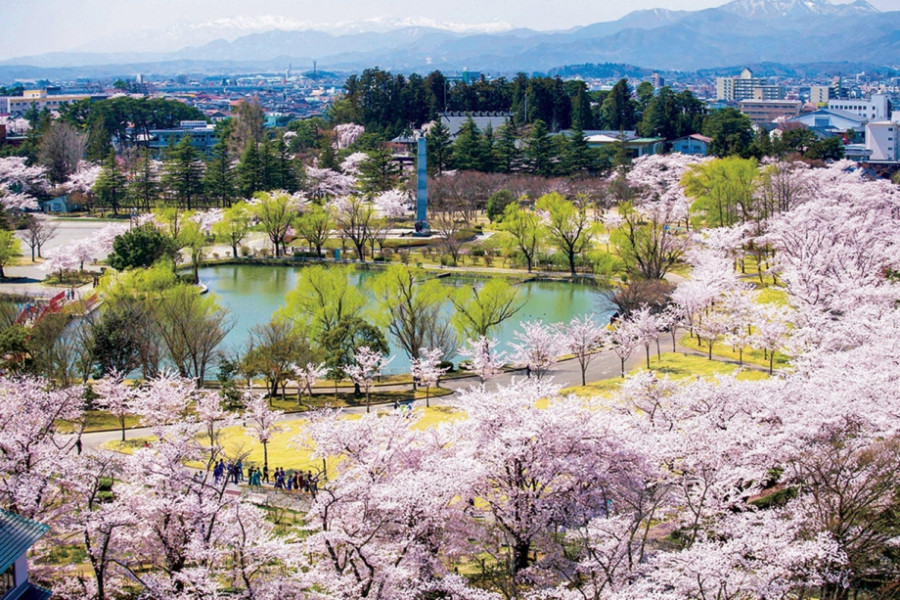
Koriyama’s Kaiseizan Park is a wide realm in the city. Home to around 1300 cherry trees, it is one of the prefecture’s most prominent cherry blossom spots. The impressive trees are lit up in the evening during cherry blossom season, making for fantastic views. The park has a baseball field, an athletics field, and an event venue. Additionally, it is home to one of Fukushima's Chansey's Lucky Parks, making it a popular destination among Pokémon fans. Located nearby is the Kaiseizan Daijingu Shrine.There is also a 3,000-square-meter rose garden that blooms in spring (typically from mid-May to late June) and in the fall (usually from mid-September to late October). Exact blooming dates vary each year.No matter the season, there is something to enjoy at Kaiseizan Park year-round.

Trips in Fukushima

Aizu Winter Bus: Tsurugajo Castle & Ouchi-juku
Nature

Aizu Winter Bus: Tsurugajo Castle & Ouchi-juku

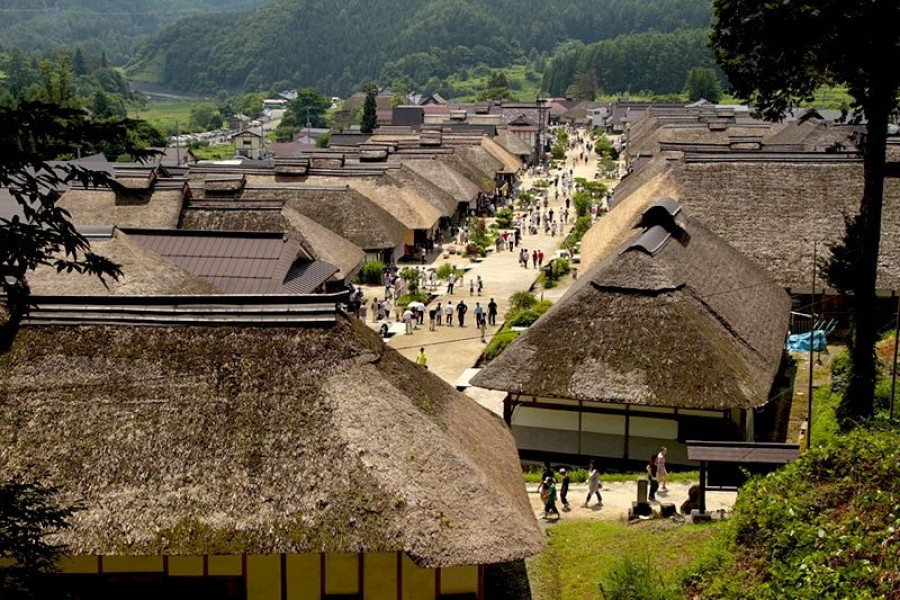
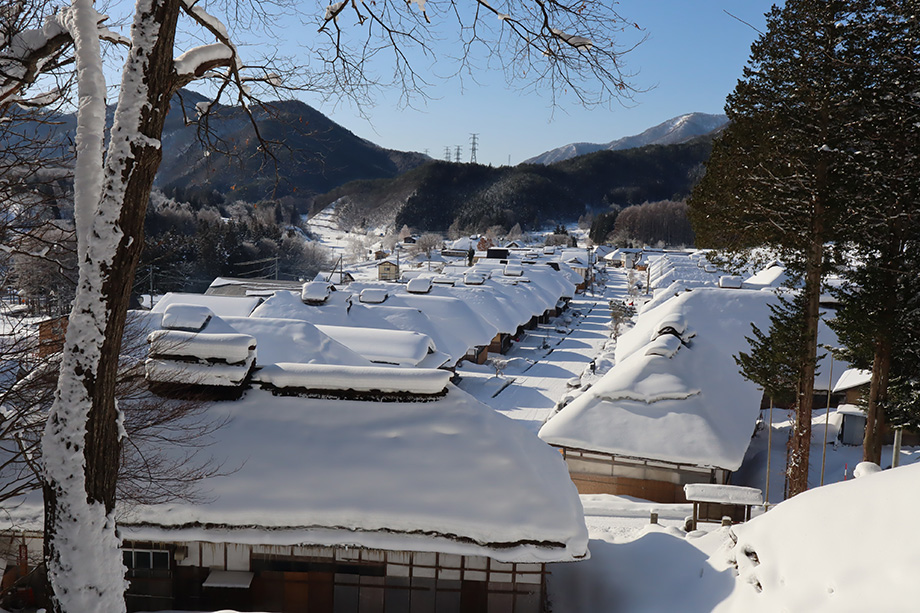
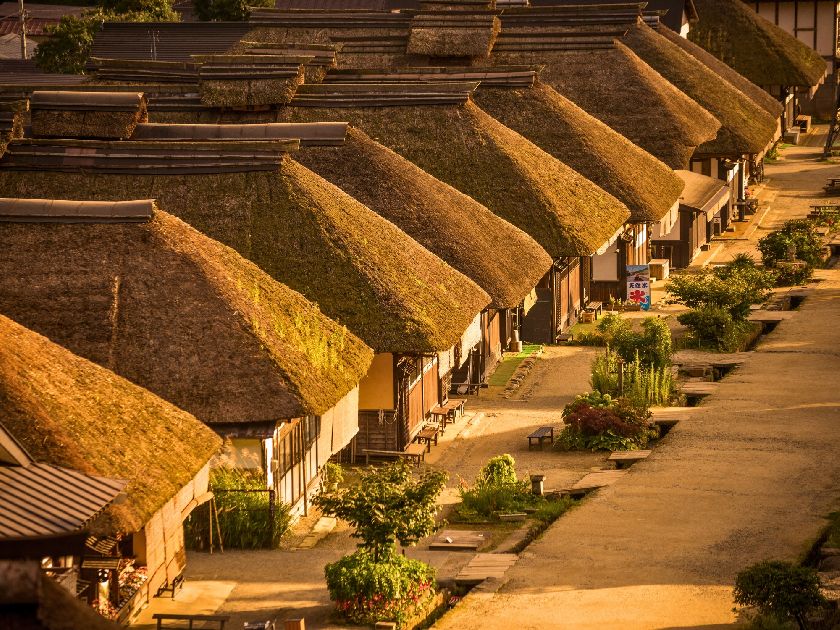
Experience the beauty and history of Aizu this winter with a special one-day sightseeing bus tour. The Aizu region, known for its stunning seasonal landscapes and rich history, offers a unique opportunity to explore its top landmarks in comfort. The Aizu Winter Sightseeing Bus takes you to two of the region's most iconic spots: Tsurugajo Castle, the historic fortress that was once the pride of the Aizu samurai clan, and Ouchi-juku, a traditional village that once played host to samurai travelling between the castle and the southern capital. Along the way, enjoy a traditional lunch of negi-soba (green onion soba) in Ouchi-juku, and benefit from a knowledgeable Japanese-speaking guide. Bookings are made via the Fukushima Travel website. Tour Details: Dates: 14 January 2026 – 22 March 2026 Price: ¥7,230 for adults (¥6,500 + ¥730 processing fee), ¥5,450 for children (¥4,900 + ¥550 processing fee) Includes: Bus ticket, Tsurugajo Castle entrance fee, lunch (negi-soba) at Ouchi-juku, Japanese-speaking guide Departure/Arrival: Aizu-Wakamatsu Station (guests at Ashinomaki Onsen can disembark there) The tour may be canceled in case of bad weather. The winter bus departs from Bay 2 of the bus plaza at Aizu-Wakamatsu Station.

Samurai Spirit Experience
Samurai

Samurai Spirit Experience

Discover the spirit of the Japanese samurai on this one-day tour of warrior history in the beautiful Aizu region of Fukushima. Feel the past come to life all around you as you experience the places where samurai once walked. This tour can be enjoyed any time of the year. Leave from Aizu-Wakamatsu Station and journey to Tsurugajo Castle, the only castle in Japan with its signature red roof tiles. Stroll through the outer grounds before heading inside the keep, complete with a picture from the observation platform at the top. After you’ve finished at the castle, make your way to Aizu Hanko Nisshinkan, once a high-grade academy for young samurai. This is where the fledgling warriors received training and education, not only in combat but in philosophical and artistic pursuits. Afterwards, move on to Aizu Bukeyashiki, the 28-room sprawling estate that once belonged to a samurai family of the region. The well-preserved estate showcases everyday samurai life as well as some stunning artifacts and gardens. As you walk the halls of the old quarters, you'll be able to imagine what life was like for a powerful and influential samurai of the period. Still looking for samurai experiences? Try a samurai class at the dojo of Ookawaso ryokan.

Fukushima’s Revitalization Educational One-Day Trip
Culture

Fukushima’s Revitalization Educational One-Day Trip

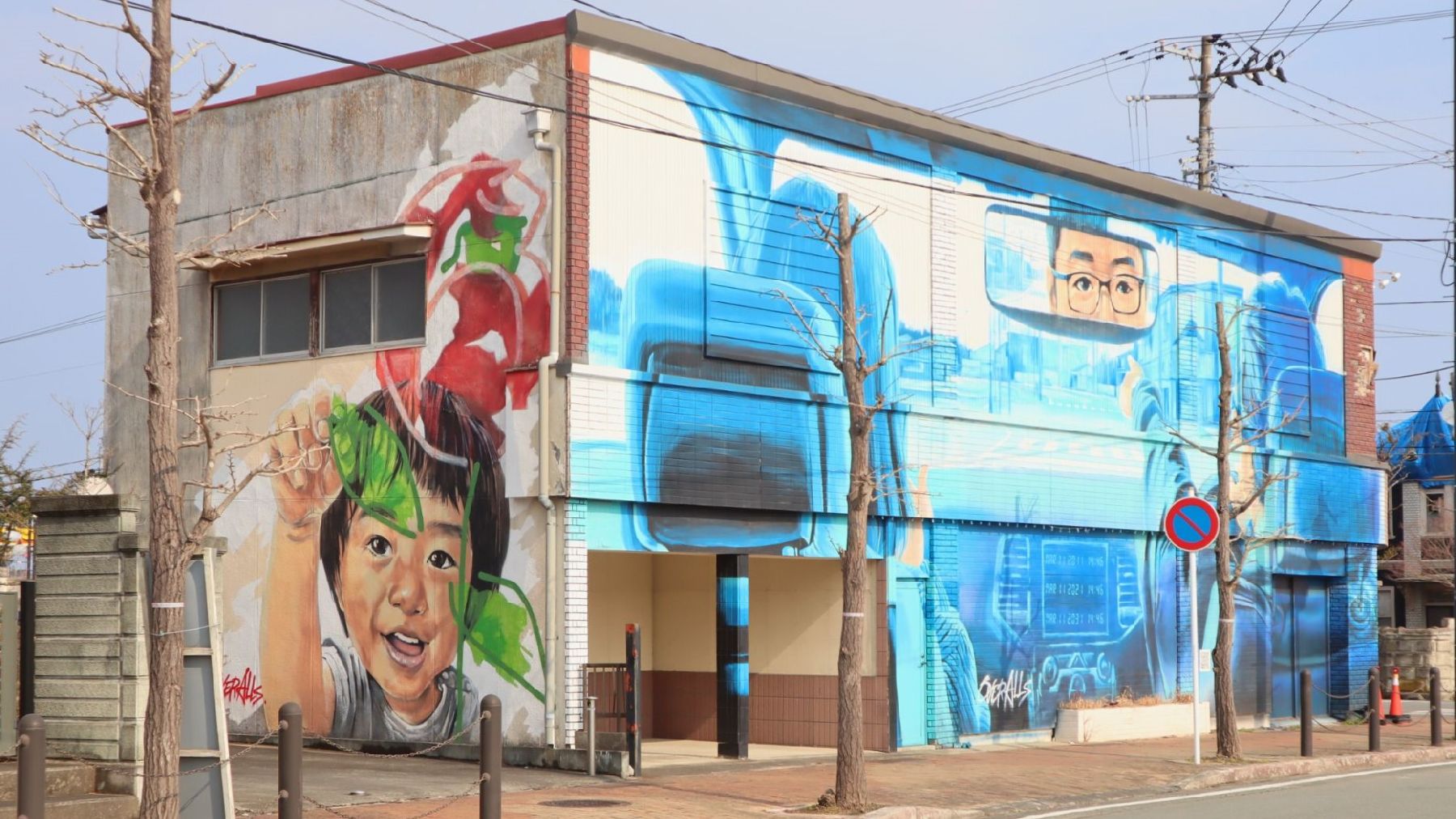
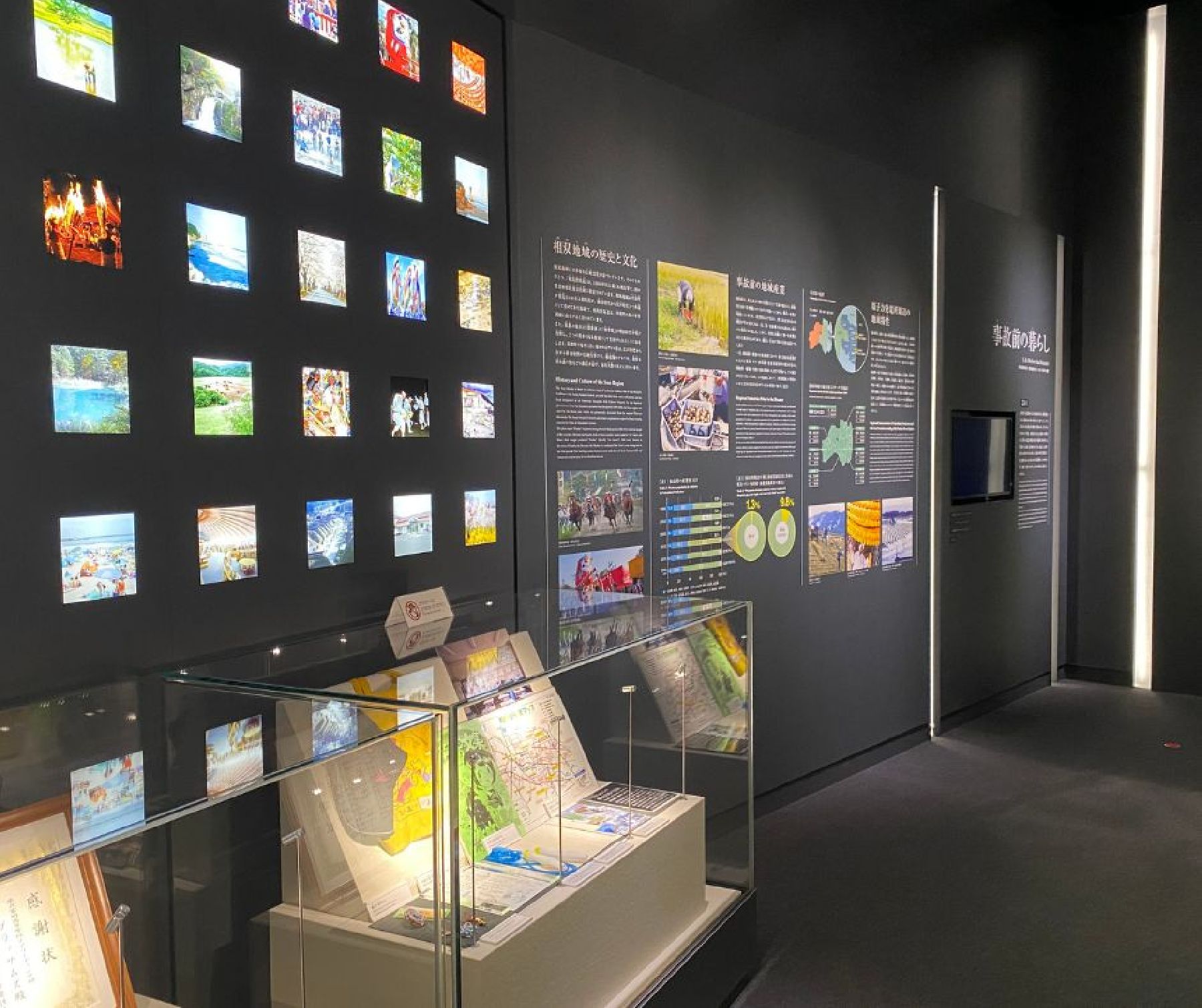
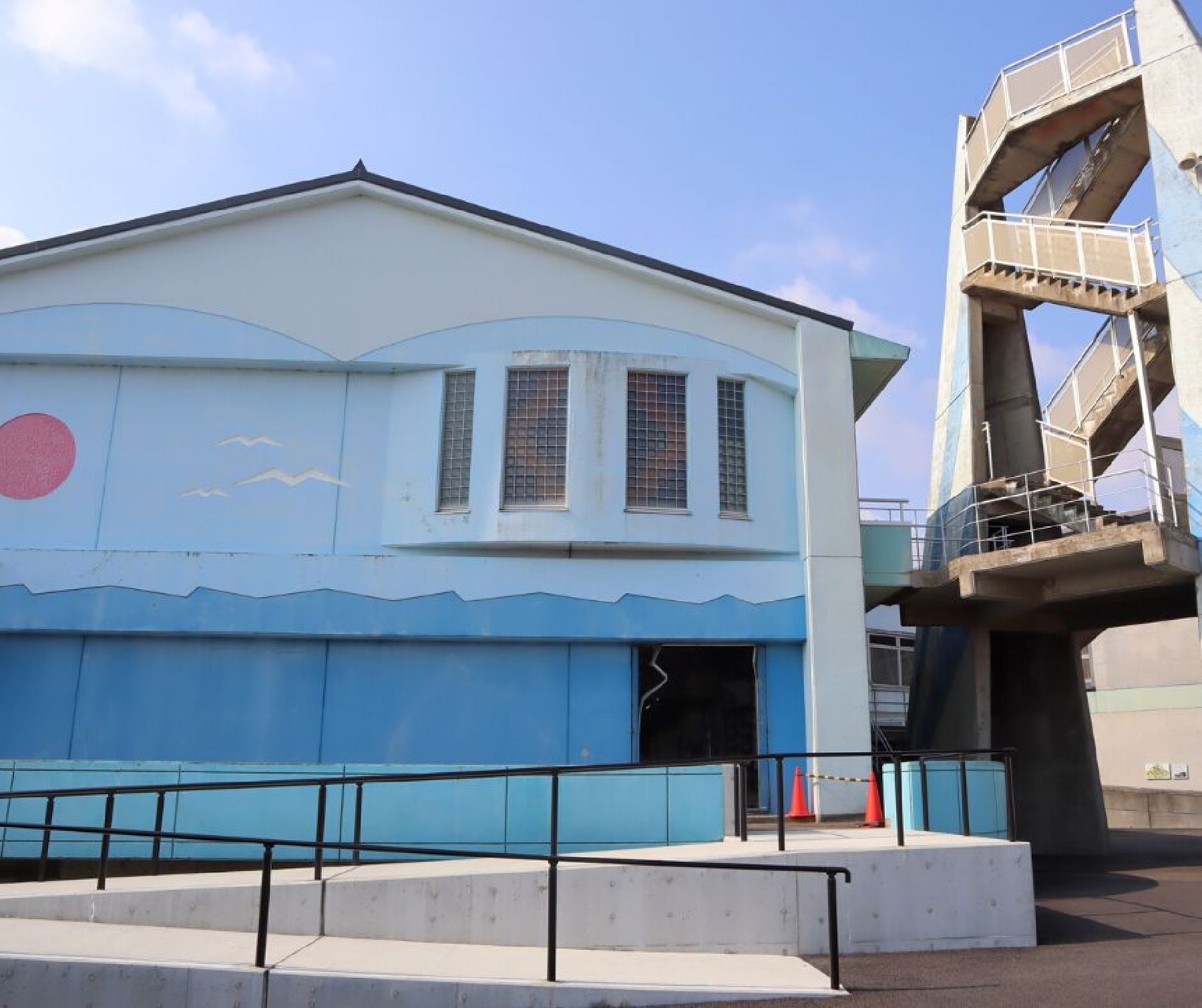
This is a model itinerary for visitors who would like to learn about Fukushima’s revitalization. The coastal area of Fukushima is the only place in the world to have survived a triple disaster: an earthquake, a tsunami and a nuclear disaster. Following extensive decontamination efforts and a great deal of demolition and reconstruction, several areas that were once designated as ‘difficult to return’ have started welcoming both residents and visitors again, with many residents eager to share their stories with the world. This itinerary centers on the towns of Futaba and Namie, both of which were severely affected by the earthquake, tsunami and nuclear accident in 2011.  The first stop is Futaba station and the surrounding Futaba Art District, a mural art initiative that pays homage to the residents and folk art of the town. From there, you’ll visit the Great East Japan Earthquake and Nuclear Disaster Memorial Museum, which has a detailed account of the area before, during, and after the disaster. At the museum, you’ll learn about the stories and testimonies of locals, as well as the plans and ideas for the future of Fukushima. The last stop is the remains of the Ukedo Elementary School in Namie town. Although the school building, located only 300 meters from the sea, sustained great damage from the tsunami, students, teachers and staff were able to evacuate from the school safely, for which it is known as a ‘miracle’ school.  This is a one-day itinerary, but we recommend staying somewhere in the coastal area of Fukushima after your visit.  

Ultimate Tadami Line Winter Tour
Nature

Ultimate Tadami Line Winter Tour

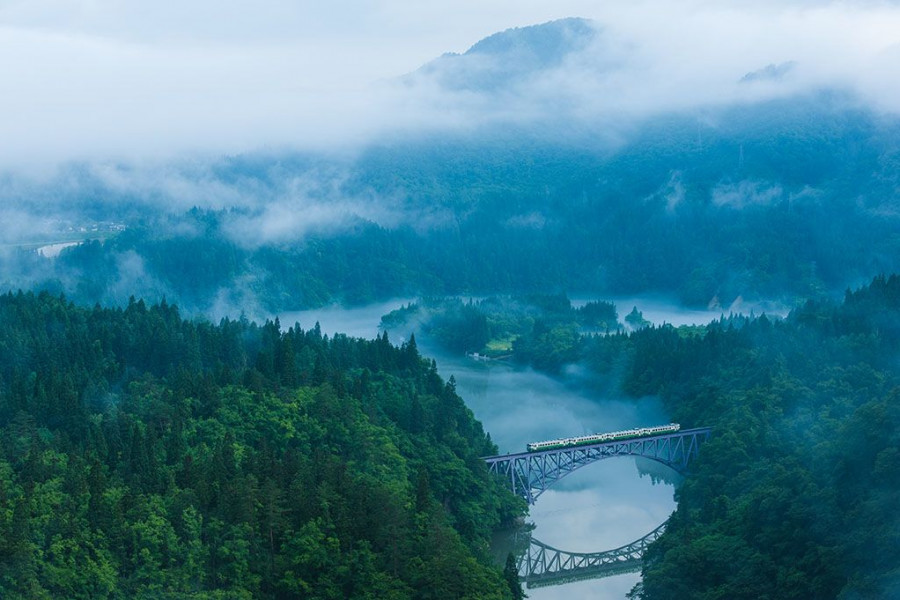
This tour itinerary, combining bus and train travel on one ticket, allows visitors to explore the best spots along the famous Tadami Line, showcasing breathtaking winter views and rich local heritage. On this tour, you’ll visit the historic Enzoji Temple, home to the famous ‘akabeko’ legend, and visit a museum showcasing local folk art. You’ll also capture stunning photos from the viewpoint above the Tadami River Bridge and learn about the fascinating history of the river area, before taking a ride on the iconic Tadami Line train itself. A traditional meal made from local ingredients is included in the price. Tickets can be purchased on the Fukushima Travel website. Tour Details: Dates: Saturdays, Sundays and public holidays between January 24, 2026 - March 22, 2026 Price: ¥7,230 for adults (¥6,500 + processing fee), ¥6,120 for children (¥5,500 + processing fee) Includes: Bus ticket, Tadami Line train ticket from Aizu-Kawaguchi to Aizu-Yanaizu, lunch fee, Japanese guide Departure/Arrival: Aizu-Wakamatsu Station (guests at Higashiyama Onsen can disembark there)

Seasons on Fukushima

Latest Posts

Diamond Route Japan

FUKUSHIMA

Top