Green Tea Experience at Suirakuen Garden
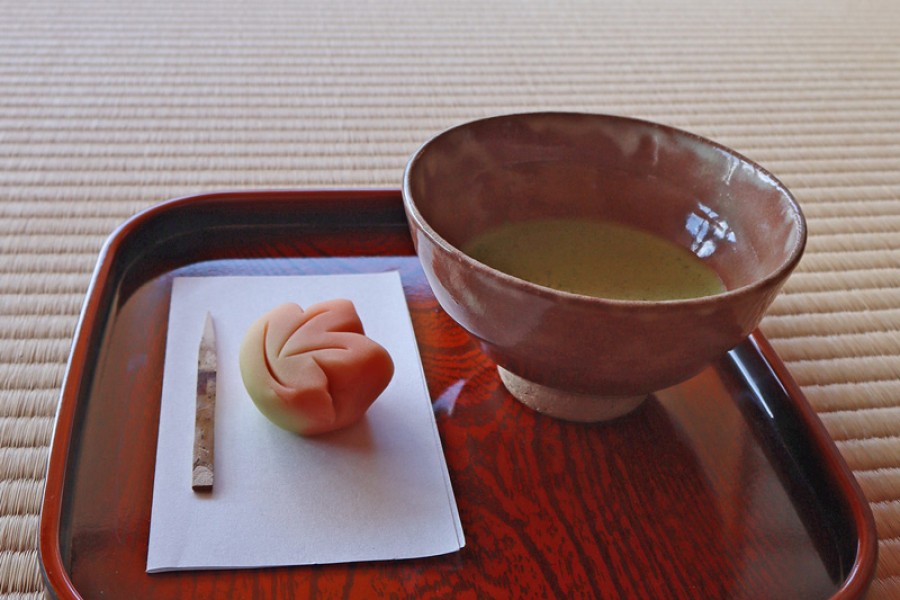
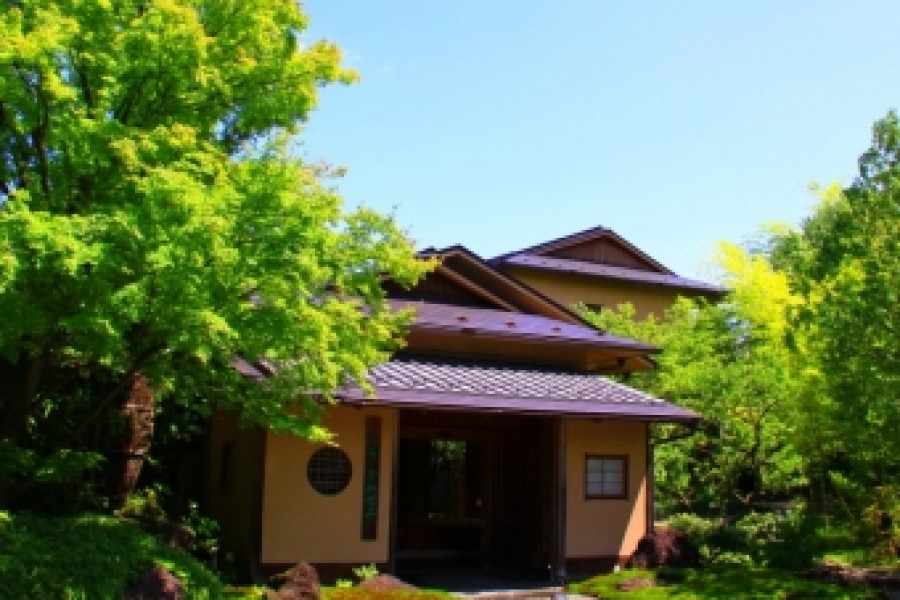
Try matcha green tea in a traditional tea house in Suirakuen Garden, located inside Nanko Park. Suirakuen Garden is also a popular place to visit for its fall foliage.

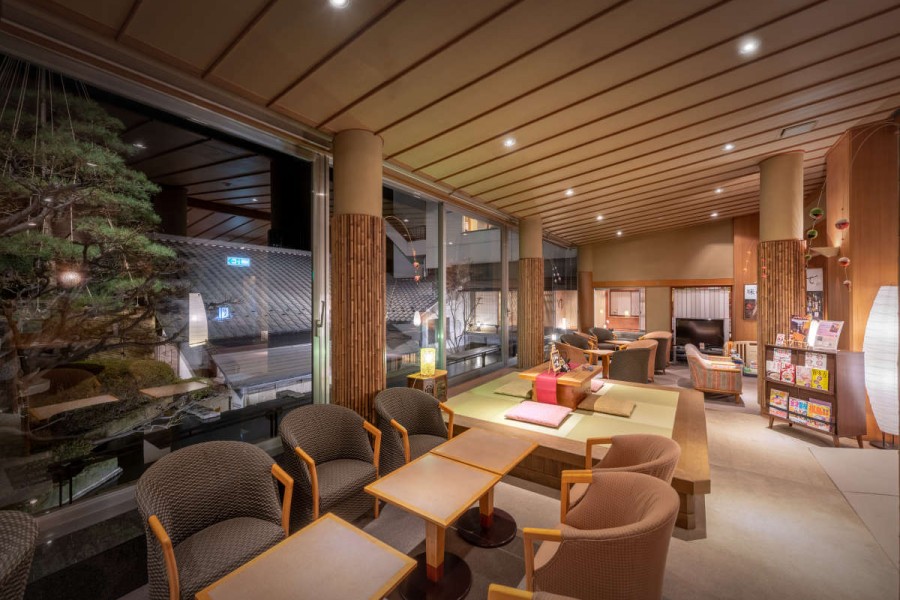
Mukaitaki Ryokan, originally owned by the Aizu domain, is now entrusted to the Hirata family, who have carefully preserved its legacy for generations. They continue to honor the ryokan's history while maintaining its traditional charm.
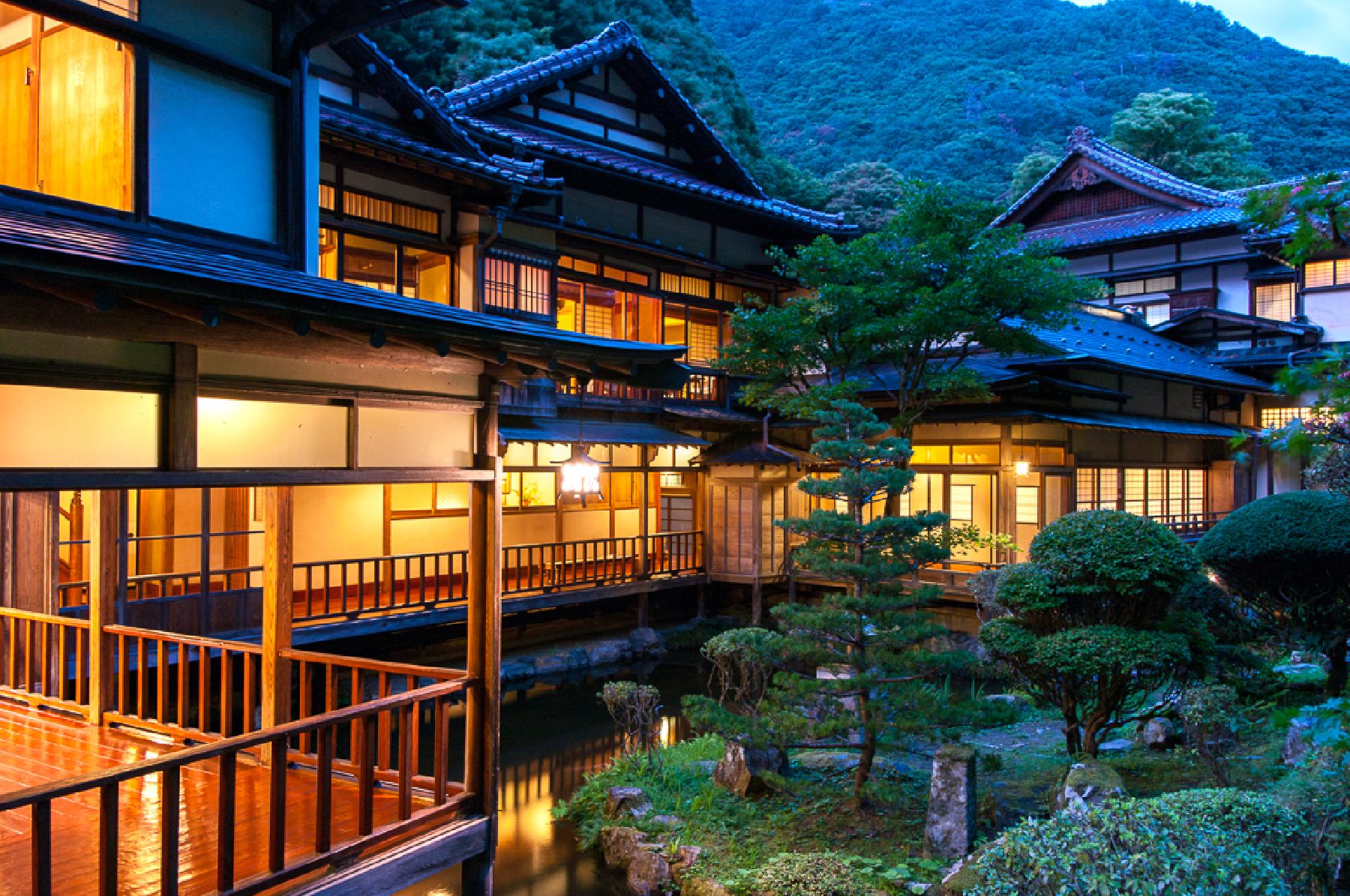
All guest rooms at Mukaitaki are housed in a wooden structure that is registered as a National Cultural Property, offering guests a rare opportunity to stay in a building considered a national treasure. Despite its historic significance, the ryokan provides a relaxed and welcoming atmosphere, allowing visitors to experience authentic Japanese culture.
The ryokan’s hospitality focuses on creating a unique traditional Japanese space, offering a rare experience not found in everyday life.
The Higashiyama Onsen Candle Festival, an event featuring illuminated candles in a snowy vista, takes place here from mid-December through to the end of February. The candles are illuminated for 90 minutes every evening, making for a pleasant atmosphere.
Candles are lit 16:30-18:00 in December and January, 17:00-18:30 in February. Please note the event is only for overnight guests, so a reservation at Mukaitaki is required.
| Website | http://www.mukaitaki.co.jp/(Japanese) |
|---|---|
| Contact | 024-595-2121 |
| Accommodation details | Capacity: 24 rooms Room styles: 21 regular, two with onsen attached, one with special onsen room Check in / Check out: 15:00 / 10:00 Meals: Halal, vegetarian, gluten-free possible Hot springs: Sulfate hot springs |
| Related info | Tattoo-friendly |
| Access | Suginoshita-63 Tsuchiyuonsenmachi, Fukushima, 960-2157 View directions |
|---|---|
| Getting there | By Car: 30min drive from Fukushima Station
|
Try matcha green tea in a traditional tea house in Suirakuen Garden, located inside Nanko Park. Suirakuen Garden is also a popular place to visit for its fall foliage.
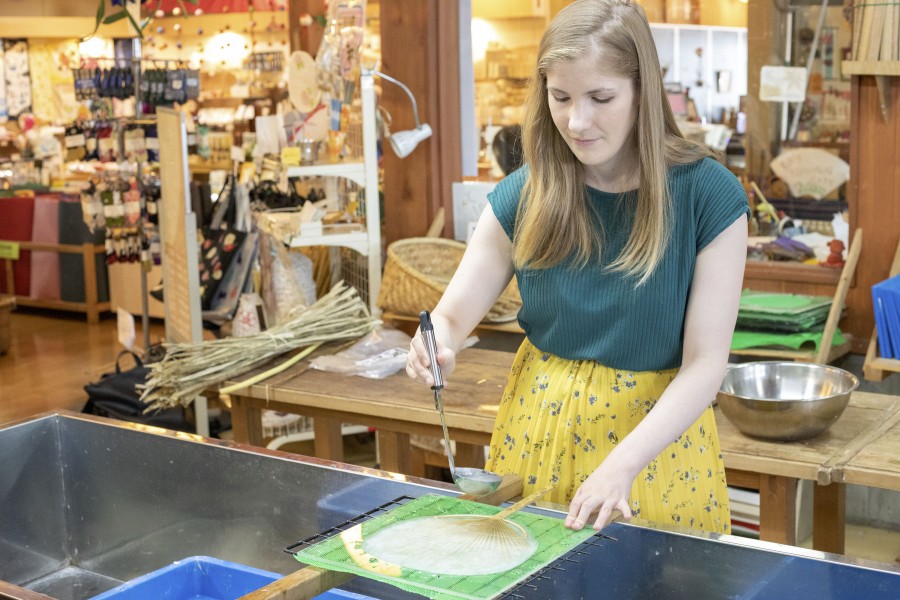
Kami-Kawasaki Washi paper has a history of over 1,000 years. It was given the name "Kami-Kawasaki Washi" because of its origin in Nihonmatsu City's Kami-Kawasaki district. Since the name of districts changes with the years, during Japan's Heian Period, it was known as "Michinoku-gami "("paper made in Michinoku").Kami-Kawasaki Washi paper has been used regularly as shoji paper (paper for sliding doors). Many people are charmed by the warmth and simple beauty of Kami-Kawasaki Washi. Paper mulberry, a type of tree used for making the paper, is grown locally. The traditional production method, from producing the raw ingredients to making the paper, is continued in Nihonmatsu City even today.Sticking to traditional production methods ensures that the finished paper has a luxuriant warmth and refinement, and is strong and durable. At present, a variety of products, such as dyed paper, folkcraft paper, and paper crafts, are produced, all of which maintain the paper's original texture. Although the demand for shoji paper is declining, there is still demand for products such as wallpaper and lamp shades. In this way, Kami-Kawasaki Washi remains important to us everyday. At the Washi Traditional Crafts Gallery - located at Michi-no-Eki Adachi (Roadside Station) - visitors can make washi postcards, paper fans, and other items.
Established in 1836, the Yoshinoya family has been continuing the production of Enobori banners using traditional techniques. Originally the family business was a kimono shop, however, the side business of painting Enobori banners began to grow until is eventually became their main business.These banners typically feature images of warriors and can be quite complex with their designs. They are made by painting on banners with a type of calligraphy ink.To create clean and uniform design, stencils are made from various materials to be used as a guide for the design. Once the basic design is painted with a stencil, you connect the lines and add fine details by hand.As a nod to a famous Sukagawa person, they began creating a design of Ultraman posing as a samurai warrior! You can try out the traditional banner making method explained above to create tote bags and small banners featuring a variety of samurai and Ultraman samurai designs.©円谷プロ
A rural landing field located 10 km Northwest of central Fukushima City. Starting with the Azuma Mountain range, the beautiful mountain vistas surrounding this massive location will leave you mesmerized. In addition to aircraft take-off and landing practice, it is possible to use the Fukushima Sky Park for various events. It is widely used for music events, automobile and motorcycle test drives, and a test venue for public organizations.
Kirakuya Inn has friendly, English speaking owners. The inn is conveniently located for travel from Tokyo and rooms have reasonable prices, making it an ideal stop for visitors from abroad. A stay at Kirakuya will also give you the opportunity to experience bathing in a natural hot spring. The springs are available for private hire for those who are a little shy about bathing in public.
Azumaya is a cosy ryokan hotel located in Takayu Onsen town, Fukushima City. This onsen town is famous for the blue, milky waters of its hot springs, and guests at Azumaya can truly make the most of Takayu Onsen's high-quality hot spring water.
Shikisai Ichiriki Hotel is located in the Bandai Atami Onsen area in the center of Fukushima Prefecture. It is accessible from Koriyama City in about 20 minutes by train. Shikisai Ichiriki Hotel has been providing guests with a luxurious place to relax in the Bandai Atami Onsen area since 1918. Here, you can see both traditional and modern Japanese architecture in one location. The hotel also boasts its own traditional Japanese garden, which is irrigated by a clear stream from the Gohyaku-gawa River, flowing down from Lake Inawashiro. The onsen water that fills the hot spring baths is known to have a beautifying quality. Enjoy Japanese food prepared by skilled chefs, and experience the changing of the seasons in a relaxing atmosphere at Shikisai Ichiriki.
Yado Yoshikawaya is a long-established onsen ryokan founded in the 12th year of the Tenpo era. Since its establishment, the ryokan has maintained a warm spirit of hospitality.Visitors can enjoy spacious, open-air baths that allow them to connect with nature, and barrier-free private baths. The ryokan offers a relaxing atmosphere, where guests can gaze at the changing scenery of Katakurayama throughout the seasons and listen to the soothing sound of the Surigami River. The hot springs are renowned for their skin-enhancing qualities, providing a rejuvenating experience for both body and soul.