Daiwa Link Aizu-Tajima

Daiwa Link Aizu-Tajima

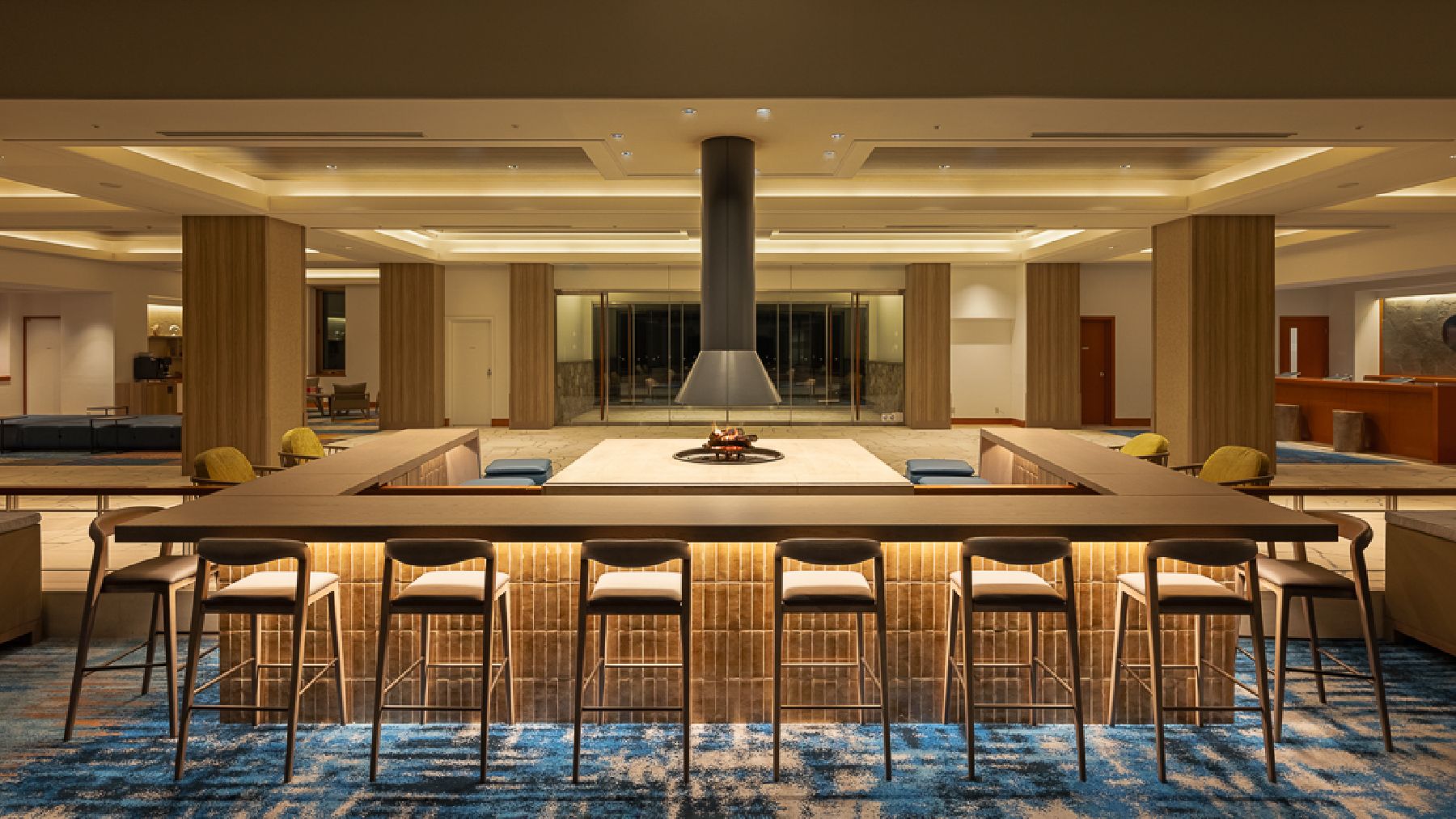
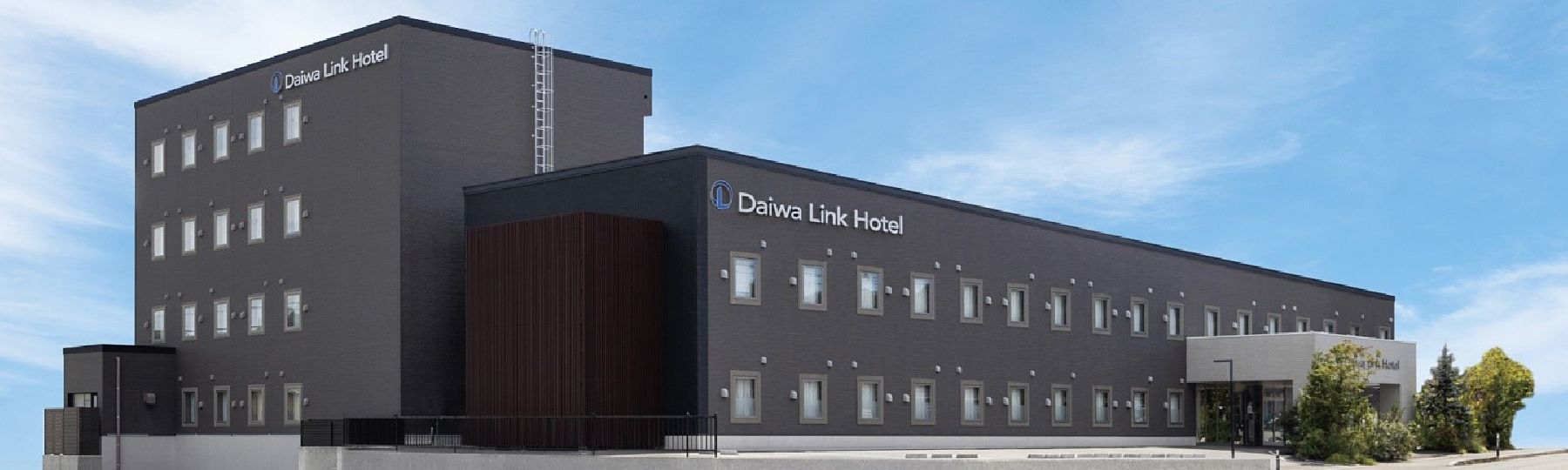
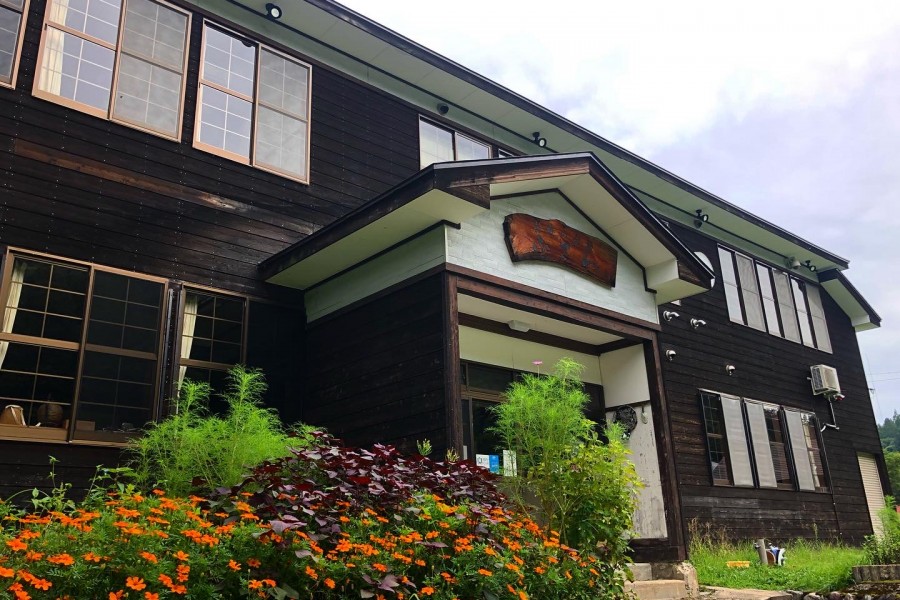
Daiwa Link Aizu-Tajima offers a relaxed and welcoming atmosphere, making it an ideal choice for both business and leisure stays, including extended visits. The hotel offers a variety of room types, including single, twin, and double options to suit different needs.

Guests can start their day with a hearty breakfast buffet in the spacious dining café, which is available free of charge. The café serves as a versatile space, suitable not only for meals but also for a range of other activities.

Venue Details

Venue Details
Websitehttps://www.daiwalinkhotels.com/aizutajima/(Japanese)
Contact

0241-64-8777

Accommodation details

Room styles: 67 deluxe single rooms, 4 double rooms, 15 twin rooms, 4 premium rooms

Check in / Check out: 15:00 / 10:00

Hot springs: Bath facilities (no hot spring)

Related infoWorking space
Smoking area
Vending machines
Water dispenser
Concierge service
English and Chinese available via machine checkout
Access Details
AccessOtsubo-9 Tajima, Minamiaizu, Minamiaizu District, Fukushima 967-0004
View directions
Getting there

By Car: 1hr drive from Aizu-Wakamatsu Station

Mapcode for Car GPS:433 123 123*24

Nearby

The World Glassware Hall
Cultural Experiences

Tsukimigaoka Chomin Center

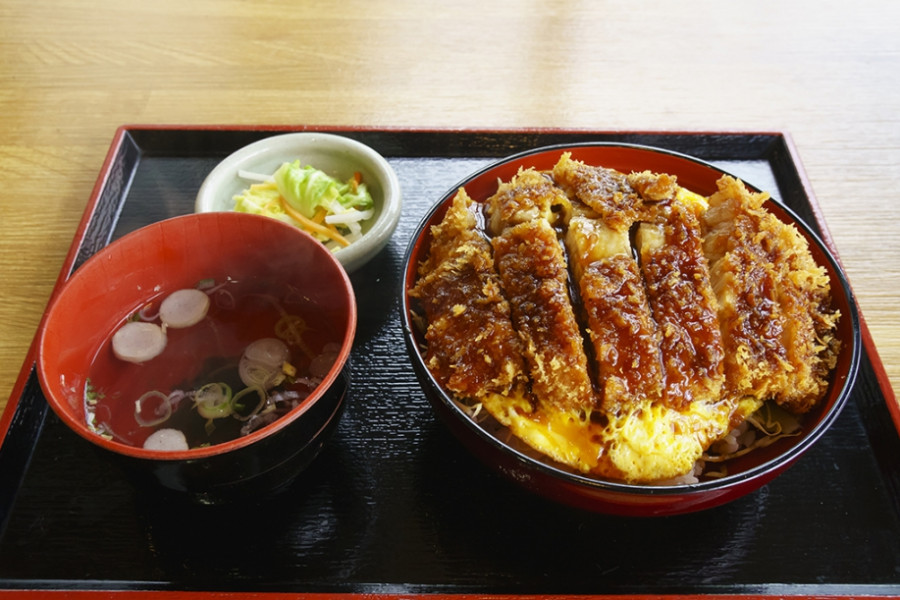
Tsukimigaoka Chomin Center (a town hall-turned-hotel which is only a 20-minute walk from Aizu Yanaizu Station) is known for their famous sauce katsudon lunch. This dish contains fried pork cutlet and a simple egg omelet on rice which is covered with a savory sauce that simply melts in your mouth. There are other places in Yanaizu that serve the katsudon dish as well, but according to local opinion, the katsudon at Yanaizu Chomin Center is hard to beat. Why not stop by and fill your stomach before taking in the other local sights? There are even some great shared hot spring baths, which can be enjoyed as day visit onsen. There are plenty of nearby attractions. Enjoy your time hiking or fishing or at the nearby Kiyoshi Saito Museum of Art or the beautiful and serene Enzoji Temple. Kiyoshi Saito Museum of Art houses works by esteemed woodblock artist Kiyoshi Saito and the beautiful works he created throughout his lifetime. At the Enzoji Temple experience tranquility and nature, also learn about the origin legend of the akabeko, the nodding red cow famous in the area. And only a 15-minute drive away you can look at the No. 1 Tadami River Bridge View Spot; this bridge offers a spectacular sight of the Tadami River and the surrounding nature.
The World Glassware Hall
Cultural Experiences

Kimono Experience in Aizu-Wakamatsu City

You can now try on yukata or kimono at Tsuruga Kimono Rental Shop, which opened in April 2019. Tsuruga Kimono Rental Shop is located on the second floor of Tsurugajo Kaikan, which is right next to Tsurugajo Castle in Aizu-Wakamatsu City. Rent a kimono or yukata and take photos with friends and family in front of the castle, or venture a bit further to the historical Nanokamachi-dori Street to feel like you have stepped back in time. Come and make some great memories in Aizu-Wakamatsu City!

The World Glassware Hall
Cultural Experiences

Mitsuishi Shrine (Three Stones Shrine)

The Mitsuishi Shrine (Three Stones Shrine) is located a short 10-minute walk from Tadami Station in Tadami Town. Ichinoiwa, Ninoiwa and Saniwa are the three large stones that have spritual significance.  Ichinoiwa (the first stone) is thought to improve intelligence, Ninoiwa (the second stone) is thought to improve eyesight, and Saniwa (the third stone) is thought to improve connections with others, particularly romantic love. The Saniwa is a popular place to visit for those who are hoping to get married someday. To reach the shrine there is a short hike through dense forest, so it is recommended that visitors wear shoes that are easy to walk in.

The World Glassware Hall
Cultural Experiences

Paint Your Own Akabeko

Bookings for the akabeko painting can be made on the official reservation page.What is 'Akabeko'?The akabeko legend started at Enzoji Temple in Yanaizu Town, in the Aizu region. The construction of this temple began in the year 807, but due to a huge earthquake at the end of the seventeenth century, it had to be repaired in 1617. It was during the reconstruction of the temple that the akabeko became a folk legend.It is said that moving the wood and other supplies necessary for the reconstruction work was incredibly difficult because materials had to be transported from various villages upstream of the Tadami River. The materials were heavy and the journey to the temple was long. Cattle were used to transport materials, but many struggled to bear their loads.Then, out of nowhere, appeared a cow with a red coat. (It should be noted that, in the past, the word ‘red’ was used to describe the color ‘brown’, so it is likely that it was a brown cow.) The red cow supported the other cows and helped the priests who were constructing the temple until it was completed. Then, it suddenly vanished.'Akabeko' means 'red cow' in the local dialect.A number of statues of the cow were built inside the temple grounds so that the people of Yanaizu could express their gratitude to the akabeko.In the years following, there was a range of legends about the akabeko, with stories such as families who owned akabeko being rid of sickness upon stroking the cows. They continued to hold their status of bringers of good luck and strength. Families bought or made akabeko toys for their young children to play with.Akabeko Painting ExperiencesIn recent history, the Aizu tradition of painting akabeko began. It is said that this tradition started as something to do for children visiting Aizu-Wakamatsu City as part of school trips. This was when the story of the Akabeko evolved once more, into its newest papier-mâché form. The stripes on the face and back of the papier-mâché Akabeko are said to represent strength and perseverance.There are a number of workshops in Aizu-Wakamatsu City where you can paint your own Akabeko. Most workshops offer the standard red, white, and black paint. These talismans for good health make very cute and lightweight souvenirs to take home for family and friends – or keep for yourself! Those who prefer to buy a ready-painted Akabeko will be able to find it at most souvenir shops.BookingIf you would like to book an akabeko painting experience at the Tsurugajo Kaikan (a shopping complex located next to Tsurugajo Castle), please access this page.

You might also like

Villa Inawashiro
Hotels

Villa Inawashiro

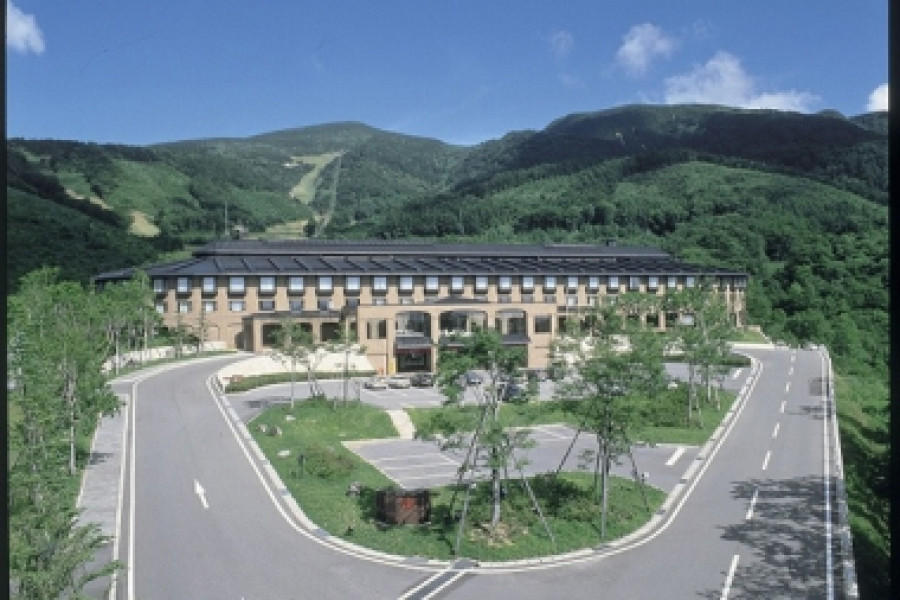
Villa Inawashiro is a hot spring resort hotel, located in Inawashiro Town, at the foot of Mt. Bandai. It's possible to bathe in the onsen baths at Village Inawashiro each day until midnight. The spring flows from Mt. Bandai, and is called a "beautifying hot spring" and a "fertility hot spring." In the winter, visitors can enjoy winter sports at the ski resort located next to the hotel. Visitors can dine on original dishes made from the best ingredients grown on Villa Inawashiro's private farm. Located less than one hour from Aizu-Wakamatsu and Kitakata, and close to Urabandai, Villa Inawashiro makes an excellent hub for sightseeing in the Aizu area.

Ookawaso
Hotels

Ookawaso

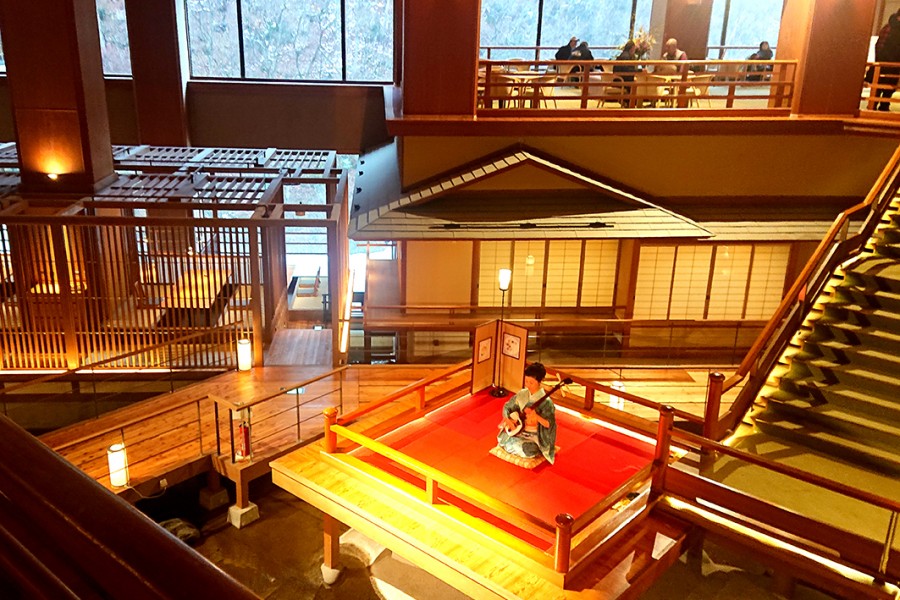
Ookawaso is located in the Ashinomaki Onsen resort nestled along the beautiful valley of Okawa River.As you step into this inn, you will be welcomed by a live performance on the shamisen, a traditional Japanese stringed instrument.Attentive service is provided by female attendants (called nakai-san) dressed in kimono, which is another of the charms of this old-fashioned Japanese inn.For dinner, you can enjoy a Japanese-style set menu rich in locally produced ingredients.The open-air hot spring facility Shiki Butai Tanada consists of multi-level baths set up like terraced rice fields overlooking the valley. Here you can enjoy basking amid the beautiful nature of the valley.Ookawaso also has large baths and lie-down saunas, both of which are perfect for relaxing and soothing the body. Another open-air bath Kuchu Roten Buro looks similar to the famous stage of Kiyomizu Temple in Kyoto and commands a magnificent view.After enjoying dinner and hot spring bathing, guests can experience a mochi (rice cake) pounding event, which is a typically Japanese traditional communal activity.When the pounding is completed, freshly-made mochi will be served to the participants on the spot. Please enjoy to the full everything that a Japanese-style hot spring resort hotel has to offer.  

Guest House Inawashiro Hanbog
Hotels

Guest House Inawashiro Hanbog

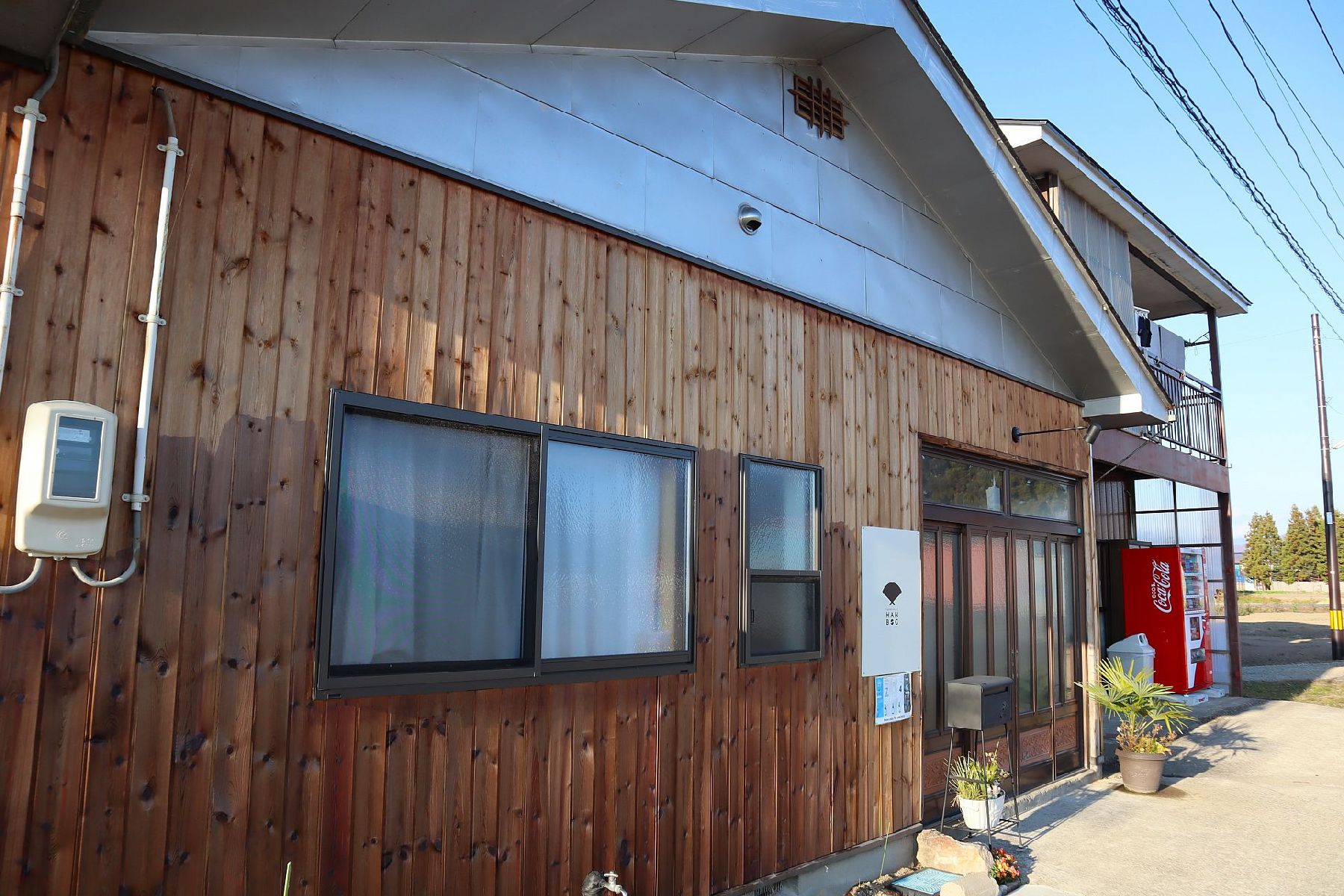
Guest House Inawashiro Hanbog is an accommodation facility located 14 km away from Mt. Bandai, close to Lake Inawashiro and the Hideyo Noguchi Memorial Museum.Some foreign visitors favor this modern guest house for its cozy wooden atmosphere, reasonable price, convenient location and privileged views of the mountains.But most choose it for what it stands for.The owner of this guesthouse, originally from Fukushima, lived some time in Korea and decided to come back to his hometown to promote tourism in his hometown and replicate the unique hospitality he received in guesthouses during his time abroad.Guest House Inawashiro Hanbog is a foreign-friendly guesthouse that offers more than a place to stay—it’s really a place to connect. Travelers wanting to explore outside of the box and make new friends over a few beers after a day out sightseeing should consider staying at Hanbog.Its amenities include free parking, a bar serving some of Fukushima’s local specialties, free Wi-Fi, an outdoor bonfire area, and Asian-style meals.Guest House Inawashiro Hanbog has three shared rooms: One for female guests, one for male guests, and a mixed room. Each room has two bunk beds and capacity for four people, for a total capacity of 12 people. It has two shower rooms and two washbasins.

Top