Villa Inawashiro

Villa Inawashiro

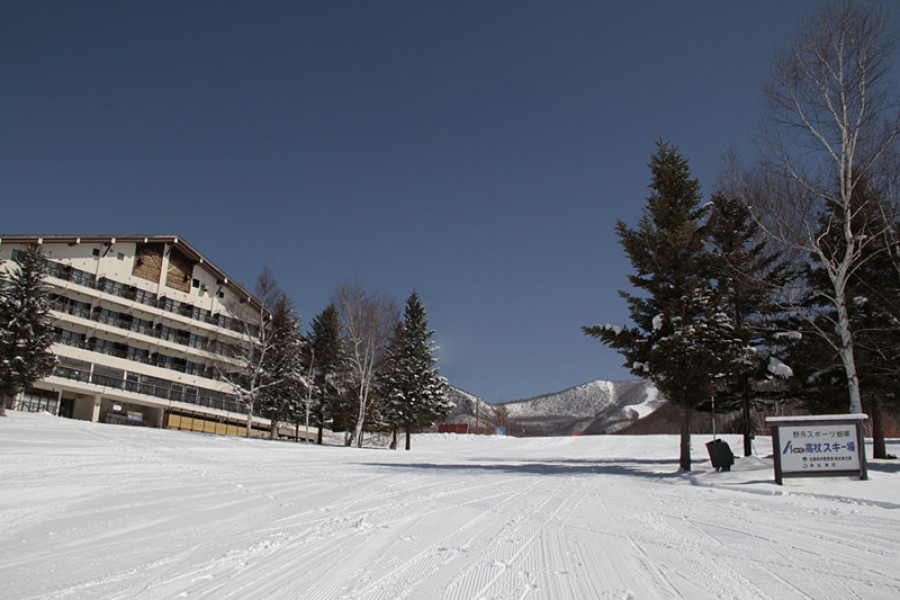
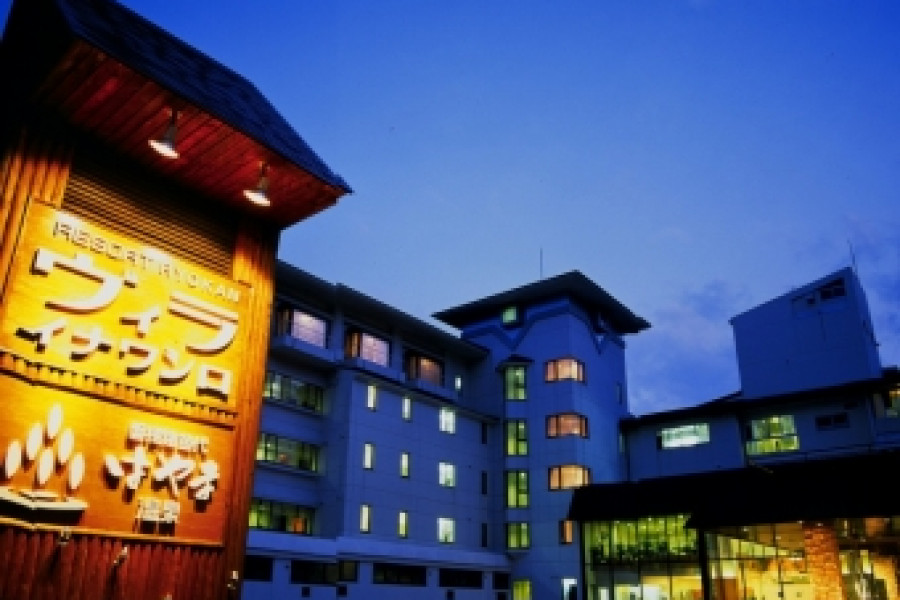
Villa Inawashiro is a hot spring resort hotel, located in Inawashiro Town, at the foot of Mt. Bandai. It's possible to bathe in the onsen baths at Village Inawashiro each day until midnight. The spring flows from Mt. Bandai, and is called a "beautifying hot spring" and a "fertility hot spring." In the winter, visitors can enjoy winter sports at the ski resort located next to the hotel. Visitors can dine on original dishes made from the best ingredients grown on Villa Inawashiro's private farm. Located less than one hour from Aizu-Wakamatsu and Kitakata, and close to Urabandai, Villa Inawashiro makes an excellent hub for sightseeing in the Aizu area.

Venue Details

Venue Details
Websitehttp://www.villa.co.jp/(Japanese)
Contact

Villa Inawashiro

(+81) 242-62-4111

Accommodation details

Capacity: 87 rooms (Accommodates 350 guests)

Room styles: Mostly Japanese-style rooms, some western-style twin rooms

Room charge: One night with two meals: From 9,600 yen (Tax incl.)

Check in / Check out: From 3:00 PM / Until 10:00 AM

Meals: Breakfast: Japanese-style or Buffet | Dinner: Japanese-style

Hot springs: Sodium chloride hot spring

Pets: Not allowed in guest rooms. They may be kept at the front.

Related infoFacilities: Karaoke / Credit Card Payment OK / Shop / Internet
Book a roomTripAdvisor.com
Access Details
AccessHayama 7105, Inawashiro Town, Yama District, Fukushima Pref. 969-3102
View directions
Getting there

By Car: 15 min from the Inawashiro-Bandaikogen I.C. exit off the Ban-etsu Expressway

By Train: 15 min taxi ride from JR Inawashiro Station. Pick-up shuttle bus is available for overnight guests.

Mapcode for Car GPS:413 266 408*77

Nearby

The World Glassware Hall
Cultural Experiences

Makie Painting at Suzutake Workshop

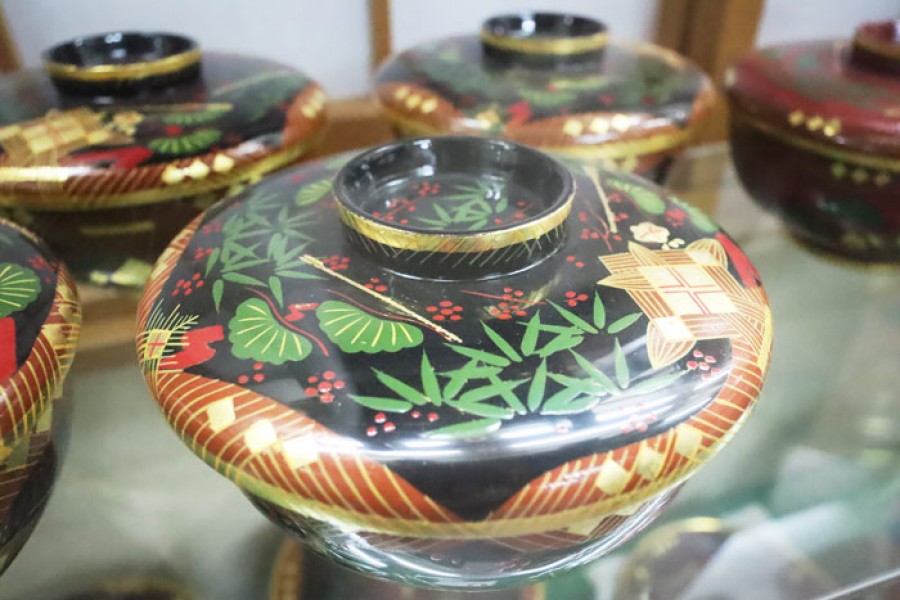
Suzutake workshop tours began in the 1950s as a way of providing families with a chance to learn about the history and artistry of lacquerware. Even today, visitors are able to actually see artisans at work at three key stages of the Aizu lacquerware making process: 1) applying a base layer of unrefined lacquer or astringent liquid to wood; 2) adding additional layers of lacquer in a desired style, and 3) adding hand-drawn delicate designs ('makie') using either colored lacquer or gold and silver power (a technique called 'Sunken gold makie'). Visitors can also take part in a makie-painting experience.

The World Glassware Hall
Cultural Experiences

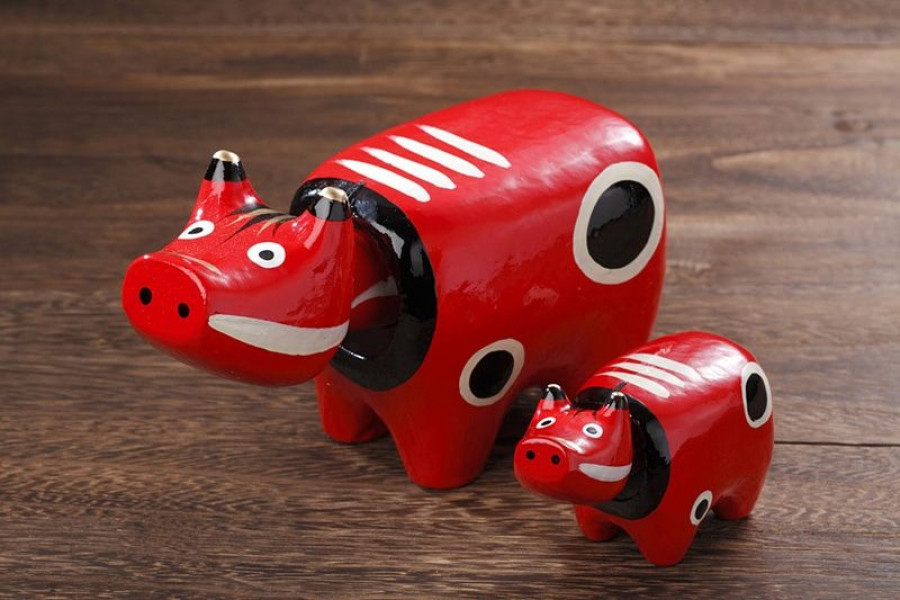
Paint Your Own Akabeko

Bookings for the akabeko painting can be made on the official reservation page.What is 'Akabeko'?The akabeko legend started at Enzoji Temple in Yanaizu Town, in the Aizu region. The construction of this temple began in the year 807, but due to a huge earthquake at the end of the seventeenth century, it had to be repaired in 1617. It was during the reconstruction of the temple that the akabeko became a folk legend.It is said that moving the wood and other supplies necessary for the reconstruction work was incredibly difficult because materials had to be transported from various villages upstream of the Tadami River. The materials were heavy and the journey to the temple was long. Cattle were used to transport materials, but many struggled to bear their loads.Then, out of nowhere, appeared a cow with a red coat. (It should be noted that, in the past, the word ‘red’ was used to describe the color ‘brown’, so it is likely that it was a brown cow.) The red cow supported the other cows and helped the priests who were constructing the temple until it was completed. Then, it suddenly vanished.'Akabeko' means 'red cow' in the local dialect.A number of statues of the cow were built inside the temple grounds so that the people of Yanaizu could express their gratitude to the akabeko.In the years following, there was a range of legends about the akabeko, with stories such as families who owned akabeko being rid of sickness upon stroking the cows. They continued to hold their status of bringers of good luck and strength. Families bought or made akabeko toys for their young children to play with.Akabeko Painting ExperiencesIn recent history, the Aizu tradition of painting akabeko began. It is said that this tradition started as something to do for children visiting Aizu-Wakamatsu City as part of school trips. This was when the story of the Akabeko evolved once more, into its newest papier-mâché form. The stripes on the face and back of the papier-mâché Akabeko are said to represent strength and perseverance.There are a number of workshops in Aizu-Wakamatsu City where you can paint your own Akabeko. Most workshops offer the standard red, white, and black paint. These talismans for good health make very cute and lightweight souvenirs to take home for family and friends – or keep for yourself! Those who prefer to buy a ready-painted Akabeko will be able to find it at most souvenir shops.BookingIf you would like to book an akabeko painting experience at the Tsurugajo Kaikan (a shopping complex located next to Tsurugajo Castle), please access this page.
The World Glassware Hall
Outdoor Activities

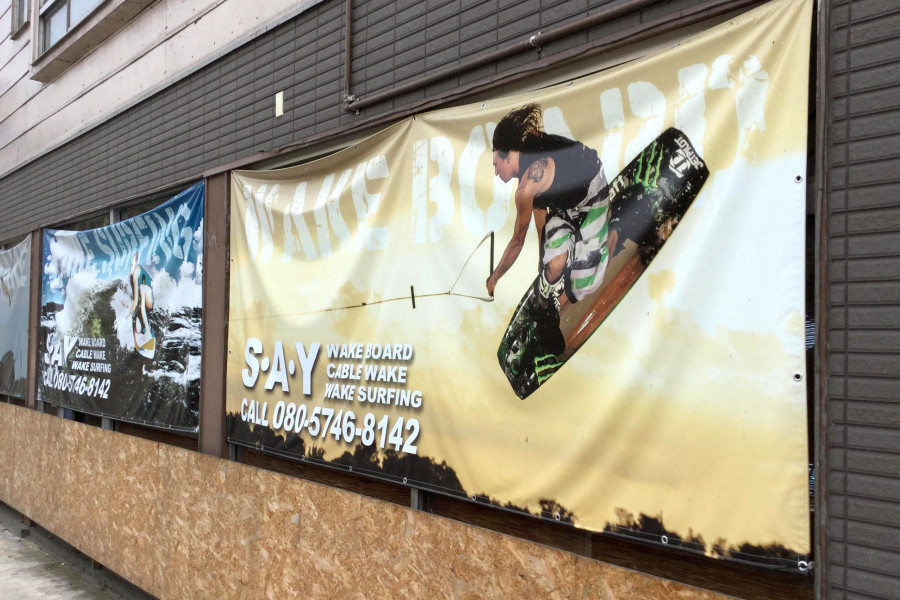
Watersports at S.A.Y (Lake Inawashiro)

A wakeboard shop located on the northwest shore of Lake Inawashiro in Fukushima Prefecture. It offers easy access from the Kanto region, bypassing major traffic congestion. Individuals and beginners are welcome. A specialized beginner's course is available, allowing even first-timers to enjoy their time on the water, and all necessary equipment can be rented. Bookings can be made even for 1 person. Why not spend a day enjoying the beautiful, clear waters of Lake Inawashiro, one of the most breathtaking lakes in Japan?

You might also like

Guest House Inawashiro Hanbog
Hotels

Guest House Inawashiro Hanbog

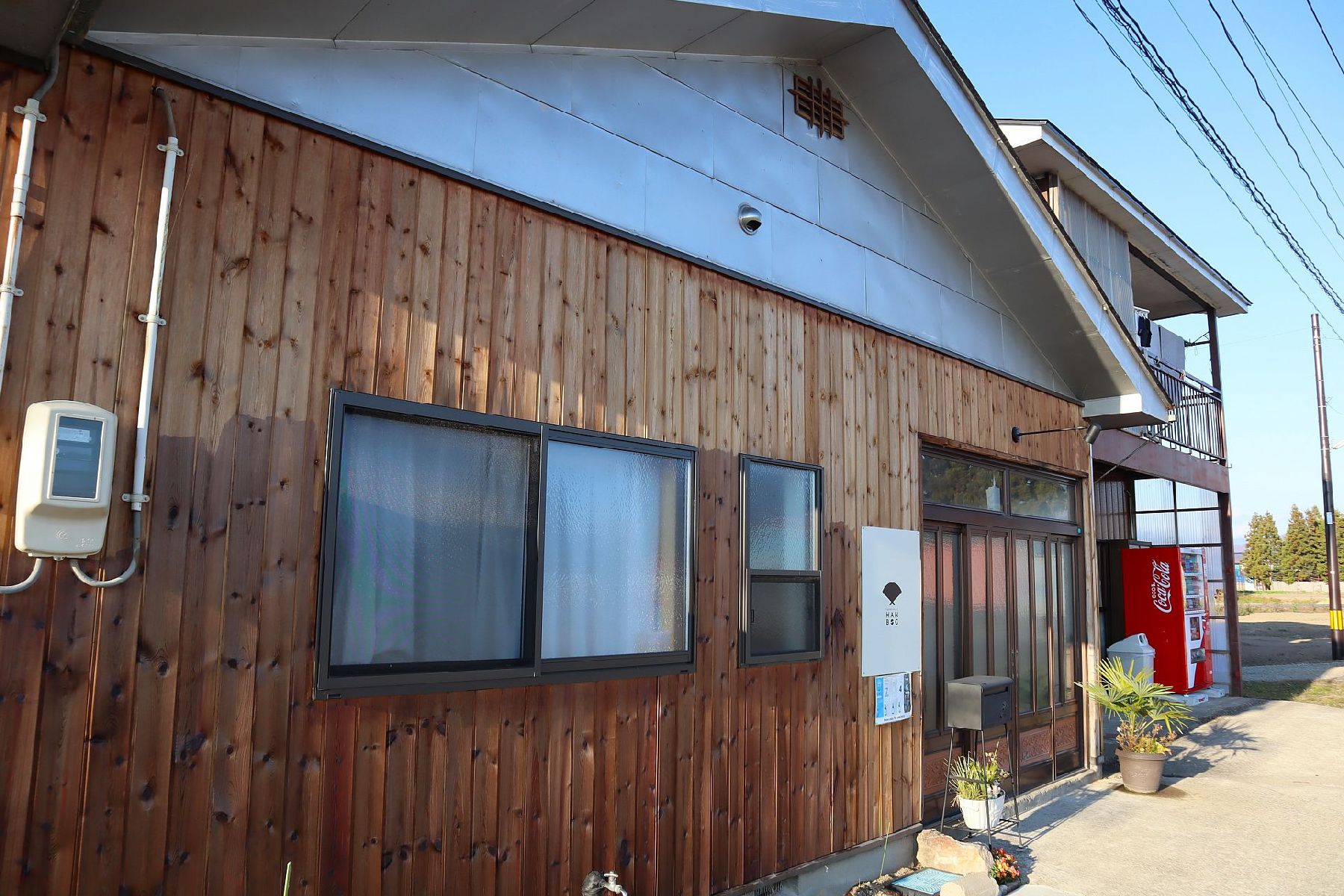
Guest House Inawashiro Hanbog is an accommodation facility located 14 km away from Mt. Bandai, close to Lake Inawashiro and the Hideyo Noguchi Memorial Museum.Some foreign visitors favor this modern guest house for its cozy wooden atmosphere, reasonable price, convenient location and privileged views of the mountains.But most choose it for what it stands for.The owner of this guesthouse, originally from Fukushima, lived some time in Korea and decided to come back to his hometown to promote tourism in his hometown and replicate the unique hospitality he received in guesthouses during his time abroad.Guest House Inawashiro Hanbog is a foreign-friendly guesthouse that offers more than a place to stay—it’s really a place to connect. Travelers wanting to explore outside of the box and make new friends over a few beers after a day out sightseeing should consider staying at Hanbog.Its amenities include free parking, a bar serving some of Fukushima’s local specialties, free Wi-Fi, an outdoor bonfire area, and Asian-style meals.Guest House Inawashiro Hanbog has three shared rooms: One for female guests, one for male guests, and a mixed room. Each room has two bunk beds and capacity for four people, for a total capacity of 12 people. It has two shower rooms and two washbasins.

Lake Side Hotel Minatoya
Hotels

Lake Side Hotel Minatoya

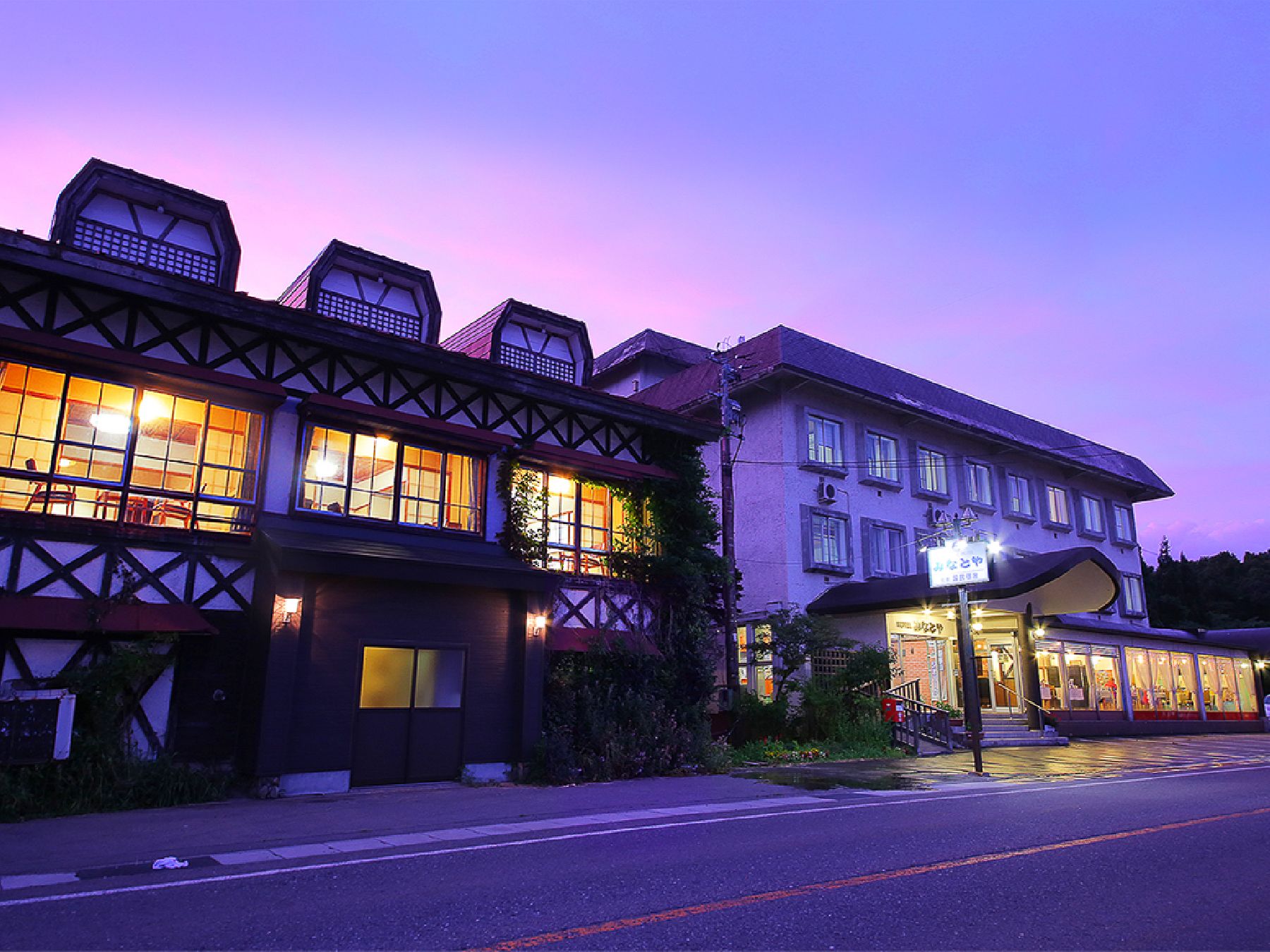
Lake Side Hotel Minatoya is located near Lake Inawashiro, known for its clear waters, often referred to as 'Heaven's Mirror.' It is also connected to Dr. Hideyo Noguchi and is situated within Bandai-Asahi National Park, offering a range of outdoor activities such as summer marine sports and winter views of swan migrations.Guests can experience Fukushima's first Finnish-style tent sauna, located on the sandy shores of Lake Inawashiro. The hotel also features a rooftop BBQ terrace that doubles as a beer garden, with indoor seating available during bad weather or in the winter months.The hotel is located close to the dock for the Lake Inawashiro Sightseeing Boat.

EN RESORT Grandeco Hotel
Hotels

EN RESORT Grandeco Hotel

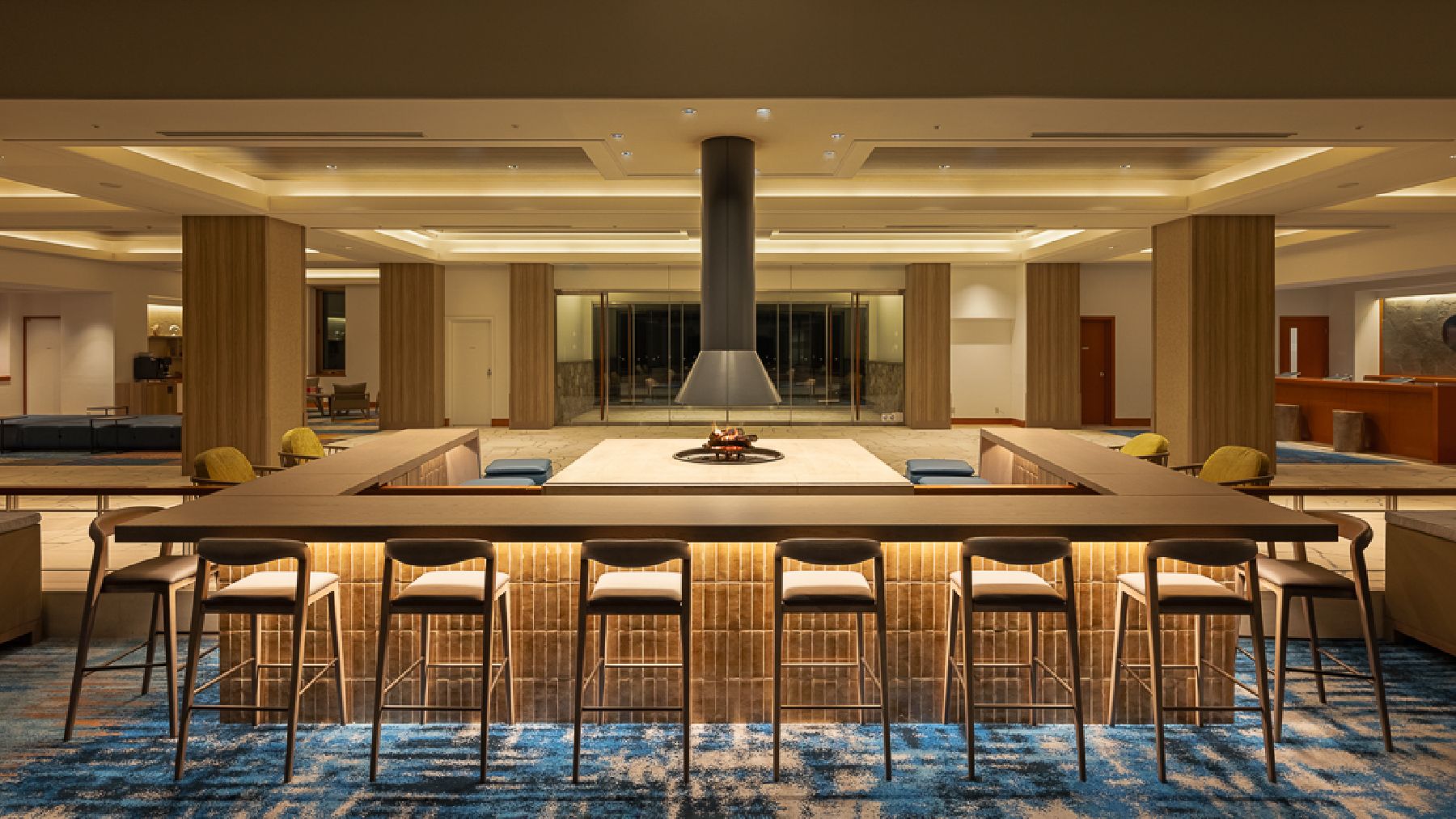
EN Resort Grandeco Hotel is located in Urabandai, a region known for its natural beauty and the Ono River spring, which feeds into the local environment. The hotel is situated in a unique spot that offers guests access to the area's scenic landscapes.The outdoor hot springs at the hotel offer seasonal views, including lush greenery in the summer, peaceful snow-covered vistas in the winter, and starry skies at night.The hotel offers 12 room types, designed to accommodate different travel styles and group sizes. Each room, with a minimum area of 33 square meters, includes a balcony and features natural spring water from the Ono River, recognized as one of Japan's Top 100 Waters. The spacious rooms provide a comfortable space to relax and enjoy the surrounding natural beauty of Urabandai.

Top