Hideyo Noguchi Memorial Museum

Hideyo Noguchi Memorial Museum

Most people probably don’t know who Hideyo Noguchi (1876-1928) is by name but just look at a 1,000-yen note and you’ll know his face. A renowned bacteriologist, Noguchi made great advances in the research of a vaccine for yellow fever. He’s also credited with the discovery of the agent which causes syphilis.

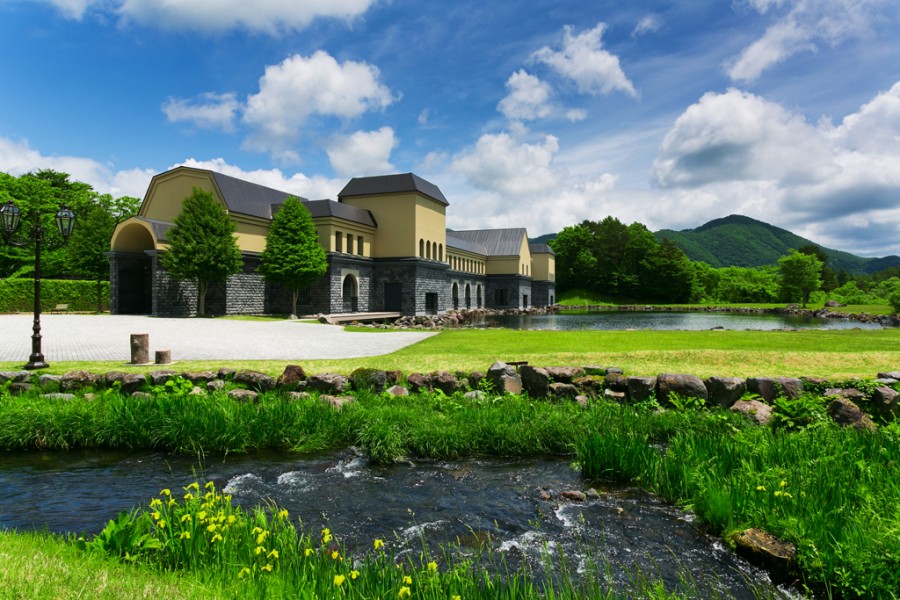
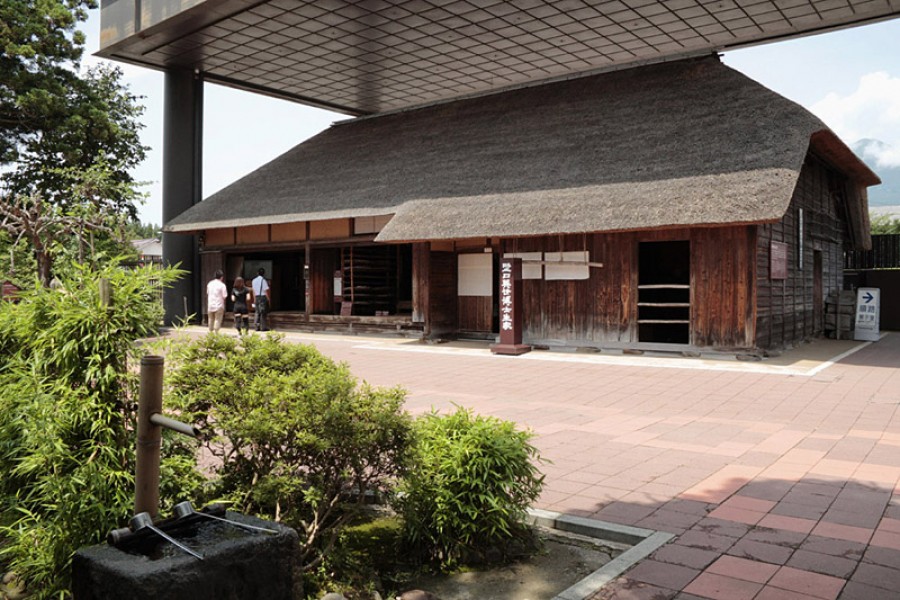
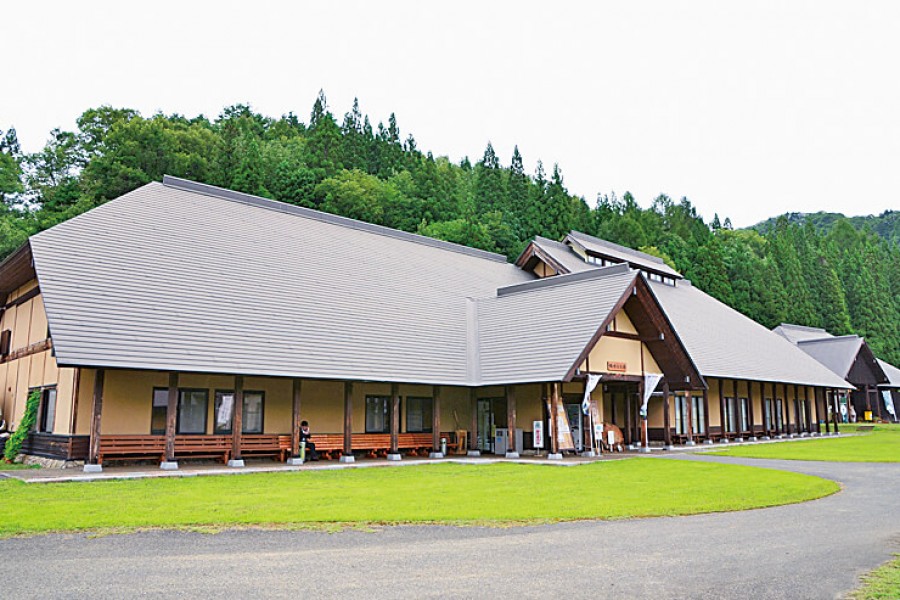
This memorial museum was established to honor the Nobel-nominated bacteriologist, and to introduce his life achievements. The house where Noguchi was born stands within the museum grounds. Visitors to the house can see the fireplace where he fell as a child, leading to him seriously burning his left hand. The alcove post of the house has carved into it the words of resolution Noguchi made before he went to Tokyo.

The exhibition room contains many resources that introduce Noguchi's life and accomplishments, including his favorite articles, letters, and photographs. In Noguchi's laboratory, which was recreated for the memorial museum, visitors can interact with a robot designed in the image of Noguchi. The robot answers questions from visitors and gives them encouraging messages.

Though the house retains its Meiji Period charm, the hall and facilities were renovated in April 2015, during which time the experience-based corner was added. Here, guests can learn about bacteriology through videos and interactive games.

Aizu-Ichiban Café, a café which renovated from the clinic where Hideo Noguchi received treatment for the burns he suffered to his left hand, is located nearby. Once named Kaihiyo Clinic, this is where he spent much of his youth and acquired his motivation to study and ambition to help others. There are also a number of his belongings on display, making it an interesting place to visit after a trip to the museum.

Venue Details

Venue Details
Websitehttps://www.noguchihideyo.or.jp/(Japanese)
Contact

Hideyo Noguchi Memorial Hall

(+81) 242-65-2319

Best SeasonAll Year
Opening Hours

Apr. - Oct.: 9:00 am - 5:30 pm | Nov. - Mar.: 9:00 am - 4:30 pm

Closed: Dec. 29 to Jan. 3

ParkingAvailable. Disabled Parking Available.
Entrance FeeAdults: 600 yen | Primary and junior high school students: 300 yen | Groups of over 20 people: 550 yen per adult
Accommodation details

Pets: Not allowed

Related infoWheelchair-accessible toilet and ostomate toilet available inside the exhibition hall.

Wheelchair rental available.
Access Details
AccessSanjogata, 81 Maeda, Mitsuwa, Inawashiro Town, Fukushima Pref. 969-3284
View directions
Getting there

By Car: 5 min drive from Inawashiro-Bandai Kogen I.C. exit off the Ban-etsu Expressway

By Train: 10 min by bus or 7 min by taxi from Inawashiro Station on the JR Ban-etsu West Line

Nearby

The World Glassware Hall
Museums & Galleries

Fukushima Prefectural Museum

The Fukushima Prefectural Museum (Fukushima Museum) [福島県立博物館] is in Aizu-Wakamatsu City, about a ten-minute walk (750 m) from Tsurugajo Castle. The museum covers the history of Fukushima prefecture from the primitive age through modern times with exhibitions of historical items, relics, scale models, and replicas of objects of historical significance.Its general exhibition is divided into six parts and explains the history of the area in chronological order. Starting with archaeological findings from the Glacial Age, the formation of the Japanese islands, and the first settlements (all covered in the Primitive Age section), the exhibits show the cultural developments and the evolving way of life through to modern times. The last exhibit, ‘Fukushima and its Nature’, details the prefecture’s ecosystems and how they have been impacted by natural disasters through the years.The museum also has departmental exhibition rooms that focus on Fukushima’s geological features and folk culture.Visitors can ask for an English guidebook at the entrance, which contains explanations of most items on exhibit. Information in English, Chinese, and Korean is displayed on some screen panels at the museum.The museum also houses a tea room, the Prefectural Museum Tea Room ‘Tsukinai’, that serves lunch and a variety of drinks. To the right of the main entrance is a recreational room for children. The room has a tatami area, children’s books, wooden toys, and decorations in traditional Aizu momen (cotton) textiles, which give it a unique, warm feel. Throughout the year, several special events and activities for children are hosted in this space.
The World Glassware Hall
History & Culture

Ouchi-juku

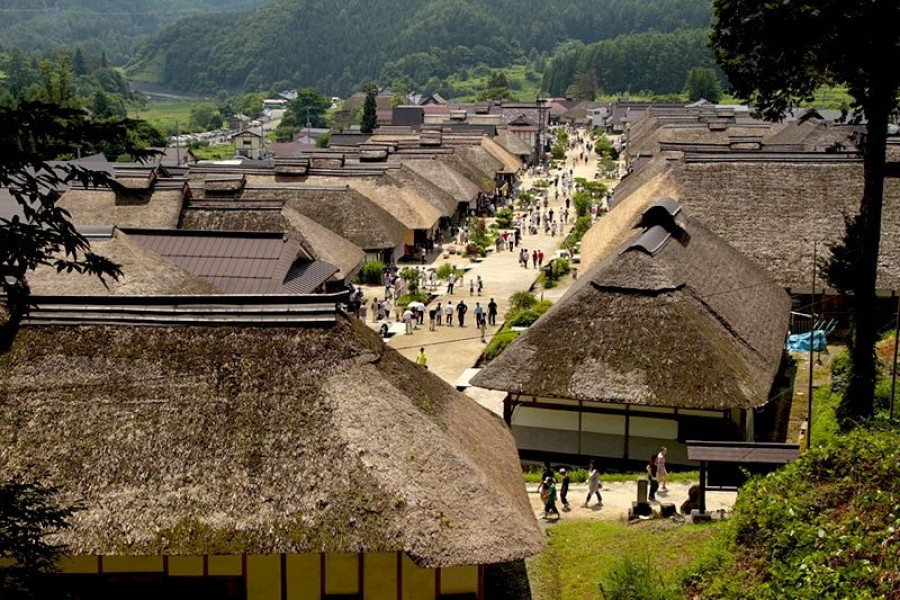
Take a journey to the past in Fukushima Prefecture’s Ouchi-juku area. This isolated village boasts thatched-roof houses and natural streets making you feel at one with the people who lived here hundreds of years ago.Nestled in the southwestern mountains of Fukushima, Ouchi-juku is a great spot to visit thanks to its unique charm and history. This village was established under the post station system of the Edo period, and played a vital role as a rest stop for travelers.In 1981, the well-preserved streets of Ouchi-juku led to it being designated as an Important Preservation District for a Group of Traditional Buildings. It isn’t difficult to see why—the village looks as it did during its heyday. And with no telephone or electric wires above ground, the view from the top of the hill overlooking the village is marvelous.It is a picturesque village where you can lose yourself to the flow of time. The traveler’s road that used to run through this village was called the Shimotsuke Kaido Route, or the Aizu Nishi Kaido Route.Ouchi-juku not only connected Aizu to Nikko, it also connected Aizu-Wakamatsu to Imaichi, a post town on the Nikko Kaido Route in Tochigi Prefecture. This road was frequented by many travelers as well as by the processions of feudal lords who had to travel to and from Edo periodically.Travelers of the Edo Period rested at the inns of Ouchi-juku to relieve their fatigue. Nowadays, festivals and events help draw in new visitors. The annual Snow Festival in February turns Ouchi-juku into a pretty candlelit scene.Visit in July to see a procession of dancers dressed in traditional Edo Period costumes, and you might even get to wear a happi (festival attire jacket) and join the locals in their celebrations!And when you’re feeling hungry be sure to try some of the local specialties, which include negi soba (fresh buckwheat noodles eaten using a green onion), stick-roasted char fish, and more.Please be aware that some restaurants are closed on Wednesdays, so lunch availability may be reduced.

The World Glassware Hall
Nature & Scenery

Inawashiro Herb Garden

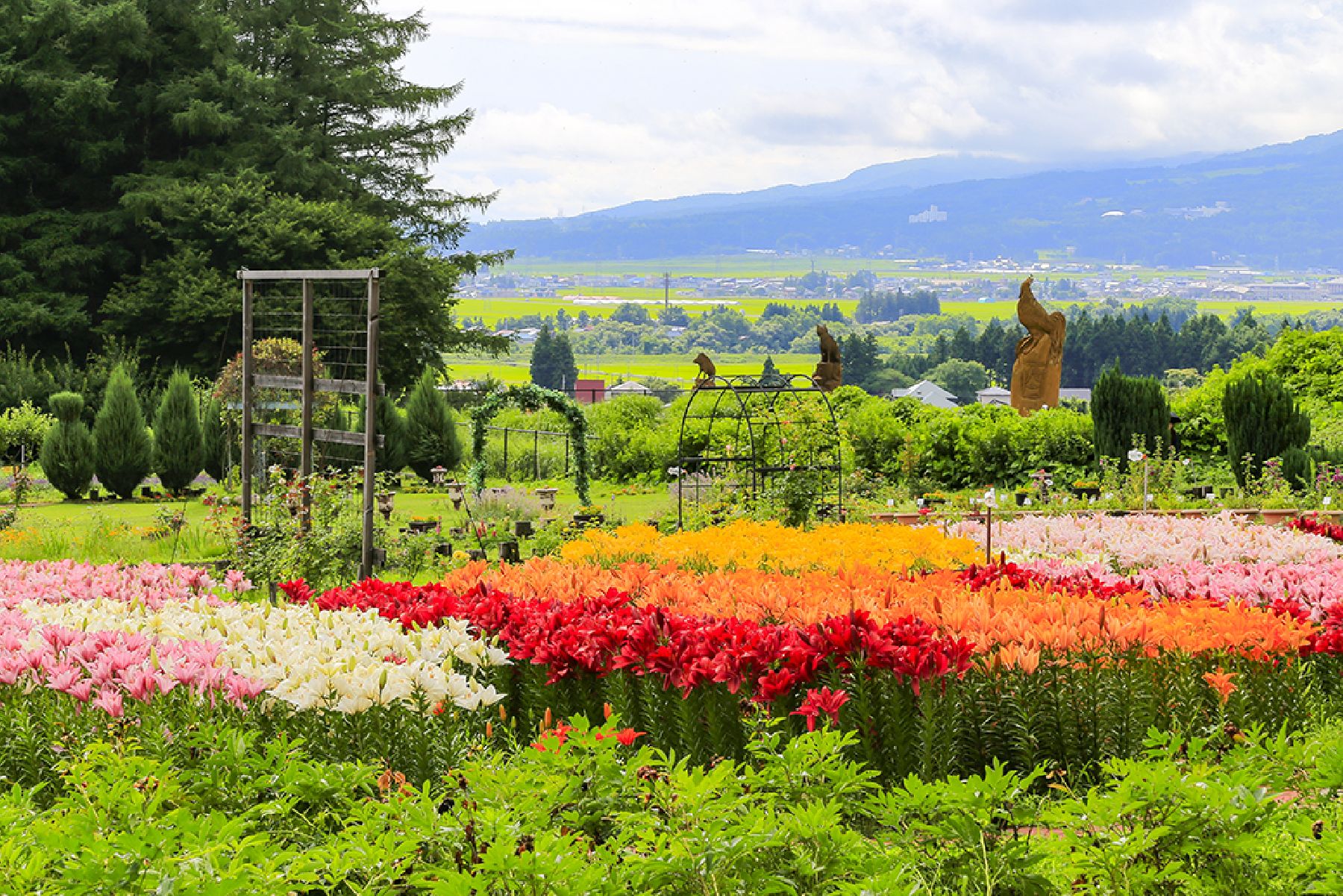
The breeze from the nearby Lake Inawashiro, seasonal flowers, and art displays of the Inawashiro Herb Garden await your visit!The outdoor garden area is around 100,000 square meters and is filled with various herbs, flowers, and plants that bloom at different times on the year, creating a unique visitor experience that changes with the seasons. The park has around 500 varieties or herbs, flowers, and plants including lavender, mint, chamomile, nanohana blossoms, poppies, sunflowers, cosmos, and kochia! There is an indoor greenhouse area, so, even on rainy days, visitors have plenty of greenery and flowers to see! In addition to the herbs, flowers, and plants you will also find seasonal decorations and original art displays that are created and updated for guests to enjoy.The outdoor garden area of the Inawashiro Herb Garden also features 5 m-tall wooden statues carved by a Canadian artist, Glen Greenside. The 12 statues, one for each zodiac sign, were carved over the course of twelve years as part of a now-discontinued annual chainsaw festival that took place at the garden.Inside, at the shop, visitors can find products and snacks that are made from various herbs and flowers.

You might also like

Morohashi Museum of Modern Art
Museums & Galleries

Morohashi Museum of Modern Art

This museum, which opened in June 1999, is located a short walk from the Goshiki-numa Ponds, which is one of the most scenic spots in Fukushima Prefecture.Morohashi Museum of Modert Art houses a collection of about 350 of the works of Salvador Dali, the master Spanish surrealist artist, including paintings, prints, and sculptures, as well as about 40 works by such impressionist and post-impressionist artists as Cézanne, Renoir, Chagall, Picasso, and Van Gogh. About 100 works out of this collection are on permanent exhibition, including 37 works of sculpture by Dali. The scale of this collection is unparalleled in the world and really is worth seeing.

Mishima Town Local Crafts Museum
Museums & Galleries

Mishima Town Local Crafts Museum

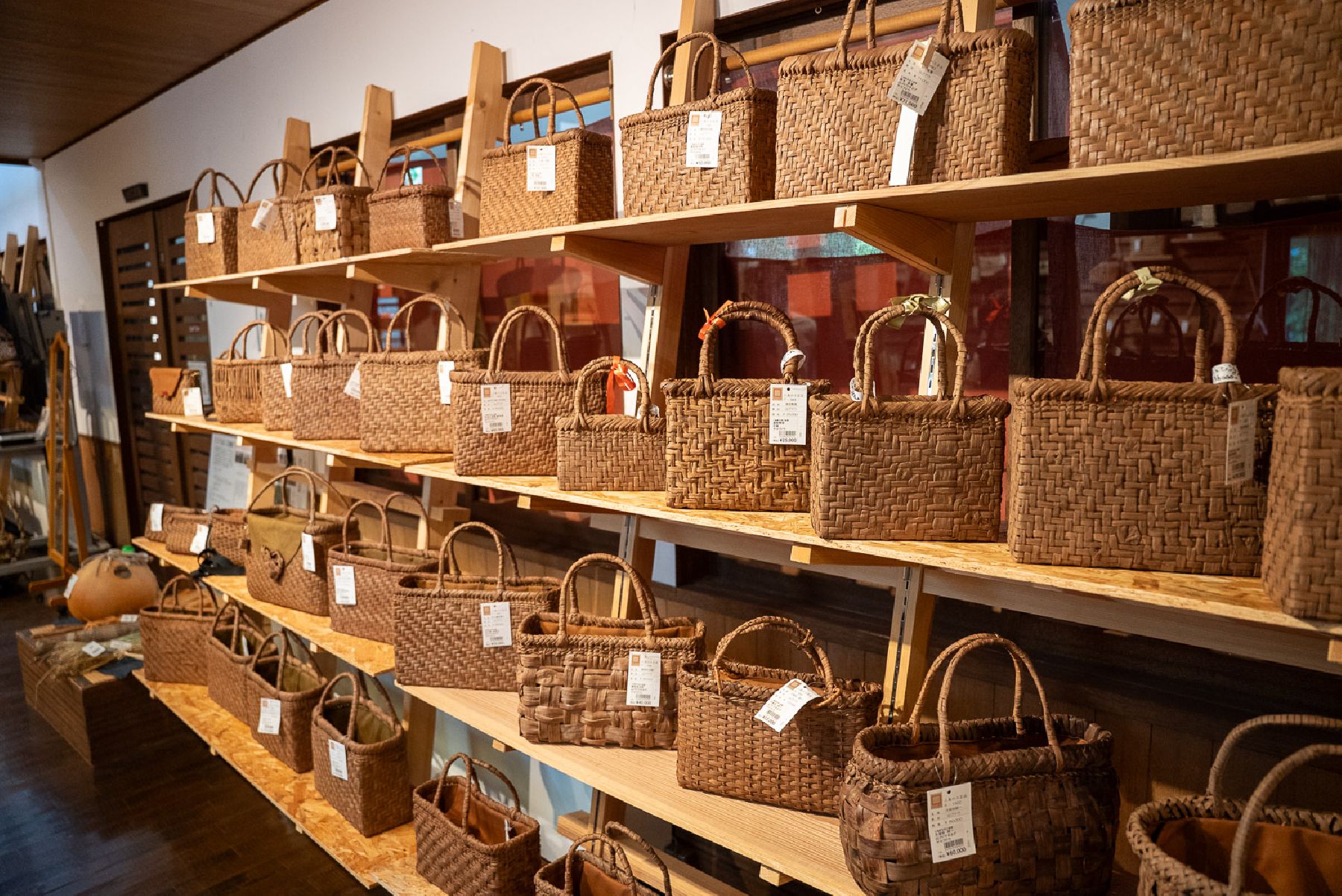
This crafts museum, deep in the heart of the beautiful Oku-Aizu region, specialises in braided wicker crafts that have been a staple of the area for centuries. The local people have a strong affinity for handmade crafts, passing techniques down from generation to generation. In addition to learning about the history of the crafts here, visitors can try their hand at it themselves, making a small strap souvenir to take home (1,000 yen per person; reservations required).There's also an expansive shop on site where visitors can buy baskets, bags, home ornaments and so on.A trip to Mishima combines well with seeing a passing train at one of Japan's most scenic railway bridges, the Tadami River Bridge No.1, accessible by parking at the Mishima roadside station.

The World Glassware Hall
Museums & Galleries

The World Glassware Hall

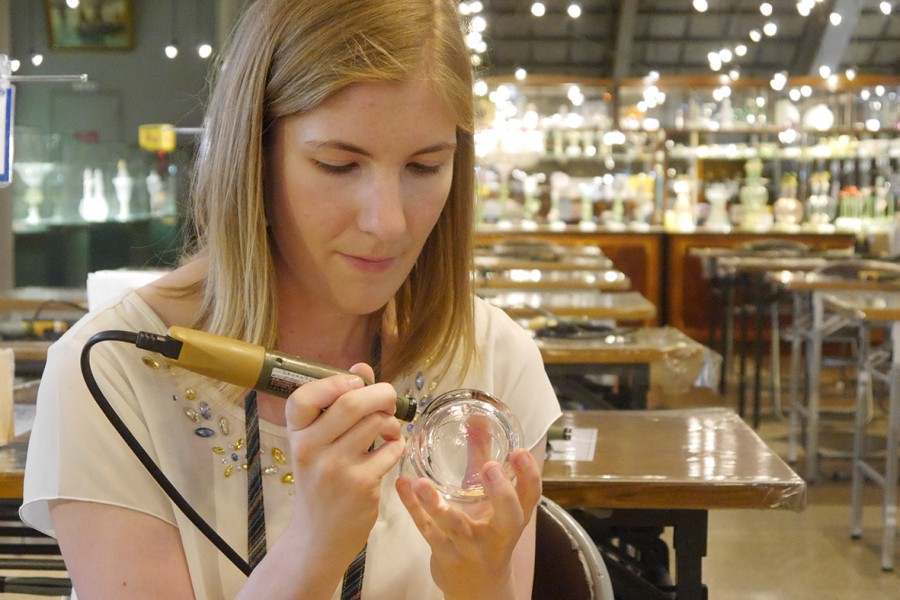
The World Glassware Hall is located at the foot of Mt. Bandai, by the side of Lake Inawashiro.About 25,000 handmade glassware items, imported directly from countries all over the world, are exhibited and sold at the World Glassware Hall. You can even try your hand at glass etching, or glass blowing.Next to the Glassware Hall is the Inawashiro Original Beer Brewery and a sweets shop. Local Inawashiro beer has received the gold prize in an international beer competition, and can be purchased on site. In the sweets shop, you can try a line up of famous local delicacies.

Top