Nanokado Hadaka Mairi Festival

Nanokado Hadaka Mairi Festival

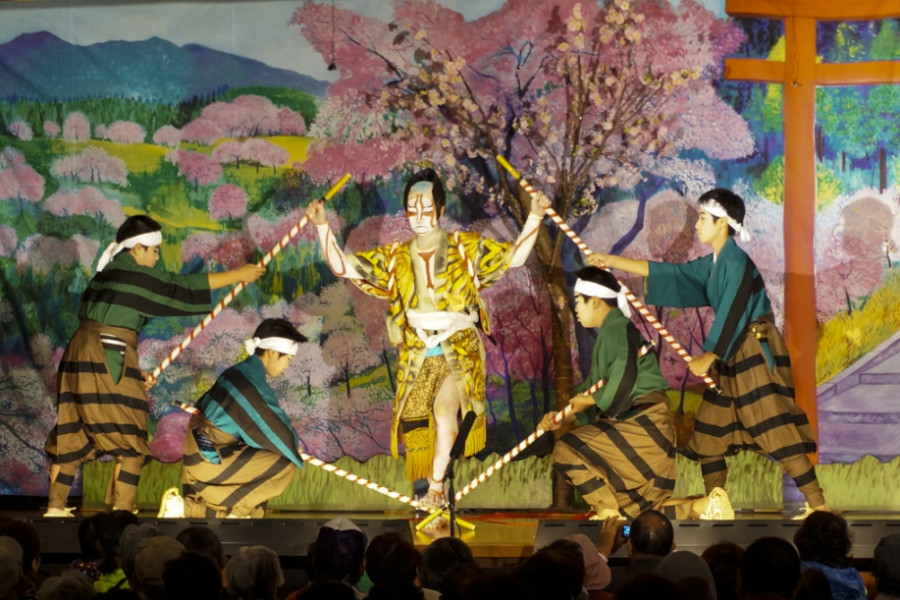
Every year on January 7, the Naked Man Festival (Nanokado Hadaka Mairi) is held at Enzoji Temple, Yanaizu Town. During this traditional event - which draws many tourists every year - local men clad in loincloths make the challenging climb of 113 steps to Enzoji Temple, where they climb to the top of the temple via a long rope. Members of the public can participate, although registration in advance is required.

The festival traces its roots back to an ancient legend, telling of a princess who received a wish-granting jewel from a river dragon to tide against crop failures and illness, and a community who banded together on the night of the 7th to prevent the dragon spirit from taking it back. To this day the festival is a rowdy display of hope and community.

Venue Details

Venue Details
Websitehttps://inbound.aizu-yanaizu.com/en/event/
Contact

Yanaizu Tourism Association
(+81) 241-42-2346
utochan@aizuyanaizu.sakura.ne.jp

(+81) 241-42-2346

Best Season
  • Winter
Related infoBest Season
Winter
Access Details
AccessEnzoji Temple, Jikemachi-ko 176, Yanaizu Town, Kawanuma District, Fukushima Pref. 969-7201
View directions
Getting there

By Car: 10 min drive from the Aizubange I.C. exit off the Ban-etsu Expressway (via Route 252)

By Train: 10 min walk from Aizu-Yanaizu Station on the JR Tadami Line

Related Links

Fukushima’s Winter Festivals: Details and Dates for 2025

Nearby

The World Glassware Hall
Cultural Experiences

Makie Painting Lacquerware Experience at Suzuzen

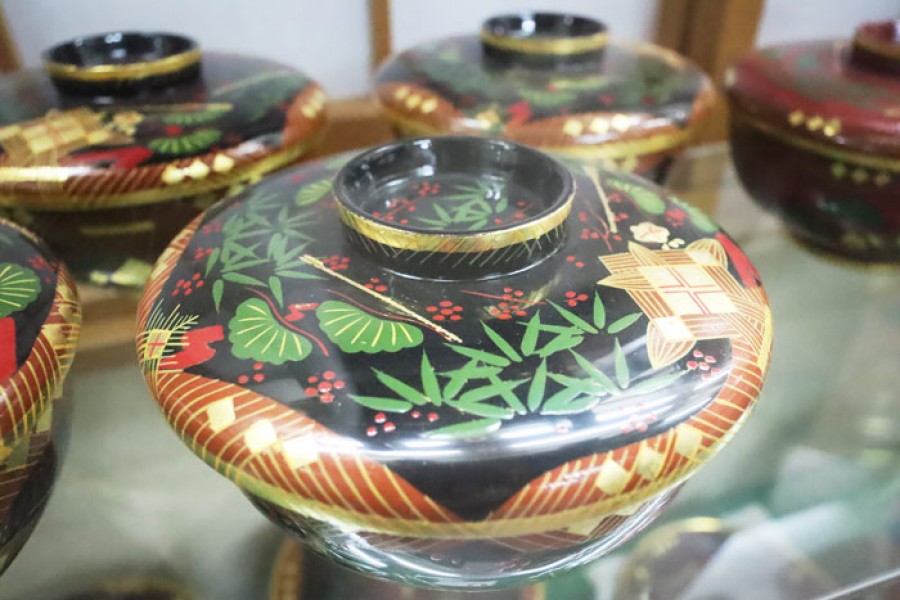
Suzuzen was established in 1832 as a lacquerware wholesale shop. Not only can visitors see process of lacquerware being finished using gold and silver dusted designs called 'Makie', but visitors can also have the opportunity to design their own lacquered product using Makie design techniques, which is perfect to take home as a souvenir. Booking & More InformationSuzuzen is made up of 6 kura (Japanese-style warehouses), which have been renovated. The Suzuzen warehouses include a gallery featuring pieces by contemporary artists who use lacquer in their work, and a cafe which is open for lunch. English-language signs also make the history of lacquer in Aizu accessible for overseas visitors.

The World Glassware Hall
Cultural Experiences

Ride the Oza-Toro-Tembo Train

The Oza-Toro-Tembo Train is a limited-service sightseeing train which is operated during selected days of the peak tourist seasons. The train has three carriages - the oza carriage (which has a tatami-floor), the torokko (tram) carriage, and the tembo (observation deck) carriage. Stretch out and relax in the tatami carriage with its sunken kotatsu (heated table) in autumn, take in Aizu's nature and air from the tram carriage, and revel in the fantastic scenery that await you through the expansive windows of the observation deck carriage. The train runs along the Aizu Railway tracks, meaning you can hop off at various points to visit places such as Ouchi-juku (a 15 minute taxi ride from Yunokami Onsen Station), and To-no-Hetsuri Crags, among others. For information about when this train runs this year, please check out this link (Japanese).

The World Glassware Hall
Cultural Experiences

Tsukimigaoka Chomin Center

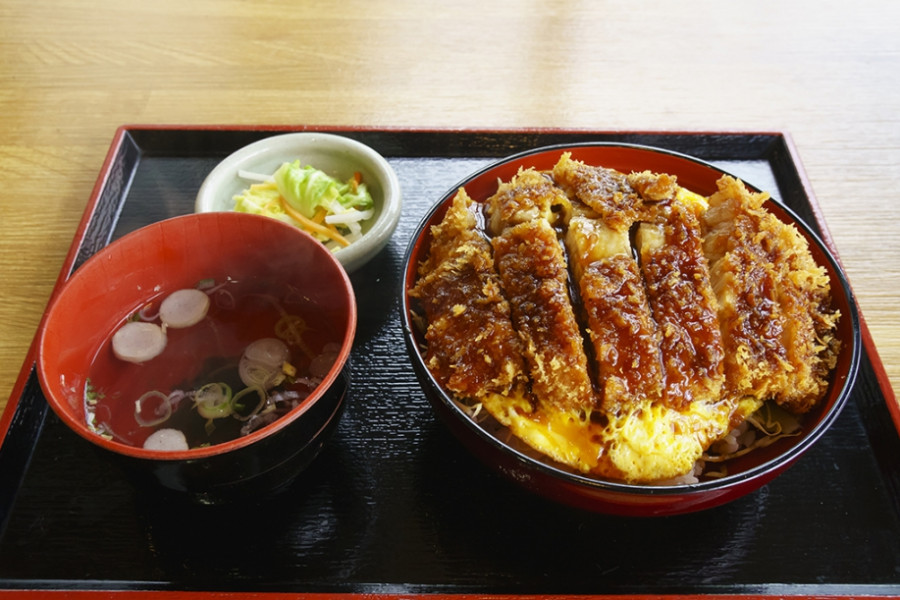
Tsukimigaoka Chomin Center (a town hall-turned-hotel which is only a 20-minute walk from Aizu Yanaizu Station) is known for their famous sauce katsudon lunch. This dish contains fried pork cutlet and a simple egg omelet on rice which is covered with a savory sauce that simply melts in your mouth. There are other places in Yanaizu that serve the katsudon dish as well, but according to local opinion, the katsudon at Yanaizu Chomin Center is hard to beat. Why not stop by and fill your stomach before taking in the other local sights? There are even some great shared hot spring baths, which can be enjoyed as day visit onsen. There are plenty of nearby attractions. Enjoy your time hiking or fishing or at the nearby Kiyoshi Saito Museum of Art or the beautiful and serene Enzoji Temple. Kiyoshi Saito Museum of Art houses works by esteemed woodblock artist Kiyoshi Saito and the beautiful works he created throughout his lifetime. At the Enzoji Temple experience tranquility and nature, also learn about the origin legend of the akabeko, the nodding red cow famous in the area. And only a 15-minute drive away you can look at the No. 1 Tadami River Bridge View Spot; this bridge offers a spectacular sight of the Tadami River and the surrounding nature.

You might also like

Lake Numazawa Festival
Events & Festivals

Lake Numazawa Festival

Lake Numazawa Festival is held on the first Saturday and Sunday of August every year at Lake Numazawa in Kaneyama Town. It is said that over 800 years ago, a man killed a giant snake (dragon) that lived at the bottom of Lake Numazawa in order to protect Kaneyama Town. Over the course of the 2 days, local people act out this folktale at the lakeside. Come and visit to enjoy some local shows, watch firework displays on the Saturday night, and swim in the lake!As a rough framework, fireworks typically launch around 8pm on the Saturday night, coinciding with the arrival of the great snake, and the samurai warriors arrive to perform around 12pm (noon) on the Sunday.Visitors arriving by car should park according to instructions from staff in the large auxiliary car park - this is close enough to the lake to be a short walk, but shuttle buses also run regularly between the two locations, the journey taking about 2-3mins.

Otawara Hiki (Bale Pulling Festival)
Events & Festivals

Otawara Hiki (Bale Pulling Festival)

Held in the town of Aizu-Bange to the northwest of Aizu-Wakamatsu City, Otawara Hiki is a fierce display of community spirit and competitive energy that traces its roots back to the Edo period. It's the main attraction of the so-called 'Strange Festival', which takes place on 14 January every year.There is a children's event, featuring local students, before the main bout is fought over a large bale between teams representing the west (the white team) and the east (the red team). Despite the cold, the male participants take part largely in loincloths, while female participants wear a traditional festival light coat. It's said that if the east team wins, business will prosper in the coming year, while if the west team wins, it means there will be a bountiful harvest.The festival was first founded over 400 years ago in the Warring States Period, but was abolished by the Imperial government after the Aizu Domain's loss under the shogun in the Boshin War (civil war) of 1868. The tradition was restarted roughly a century later in 1956, and has continued to this day.Before the tug-of-war, there are taiko drum performances, and afterwards visitors can enjoy a dramatic display of the pounding of mochi by local experts, cheered on by the crowd, and receive a miniature bale said to bring good luck.Members of the public can also join the tug-of-war if they apply in advance. Please contact us for more details.A similar Strange Festival takes place in nearby Aizu-Misato on 11 January, also featuring a tug-of-war over a large bale, albeit wearing more layers than their counterparts in Aizu-Bange.

Top