Sabakoyu

Sabakoyu

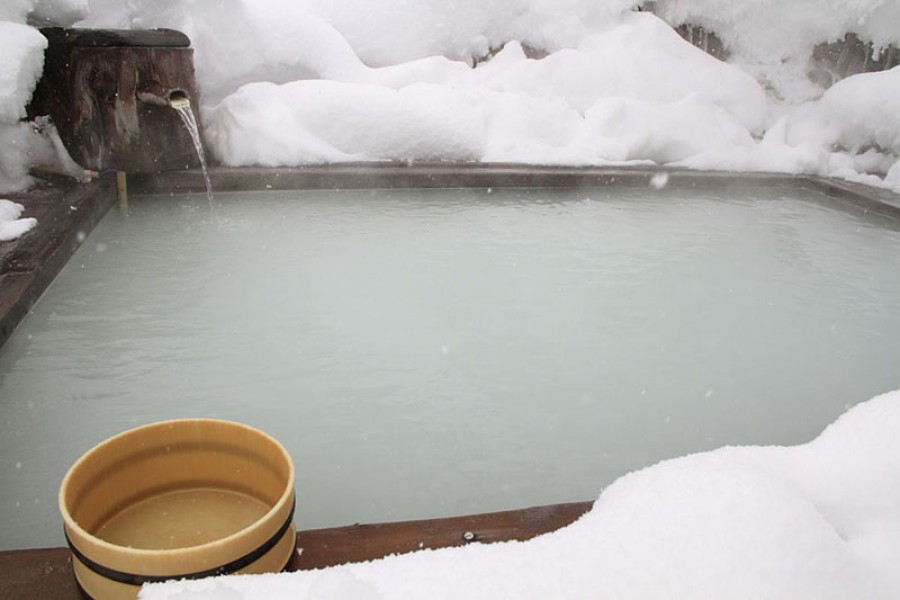
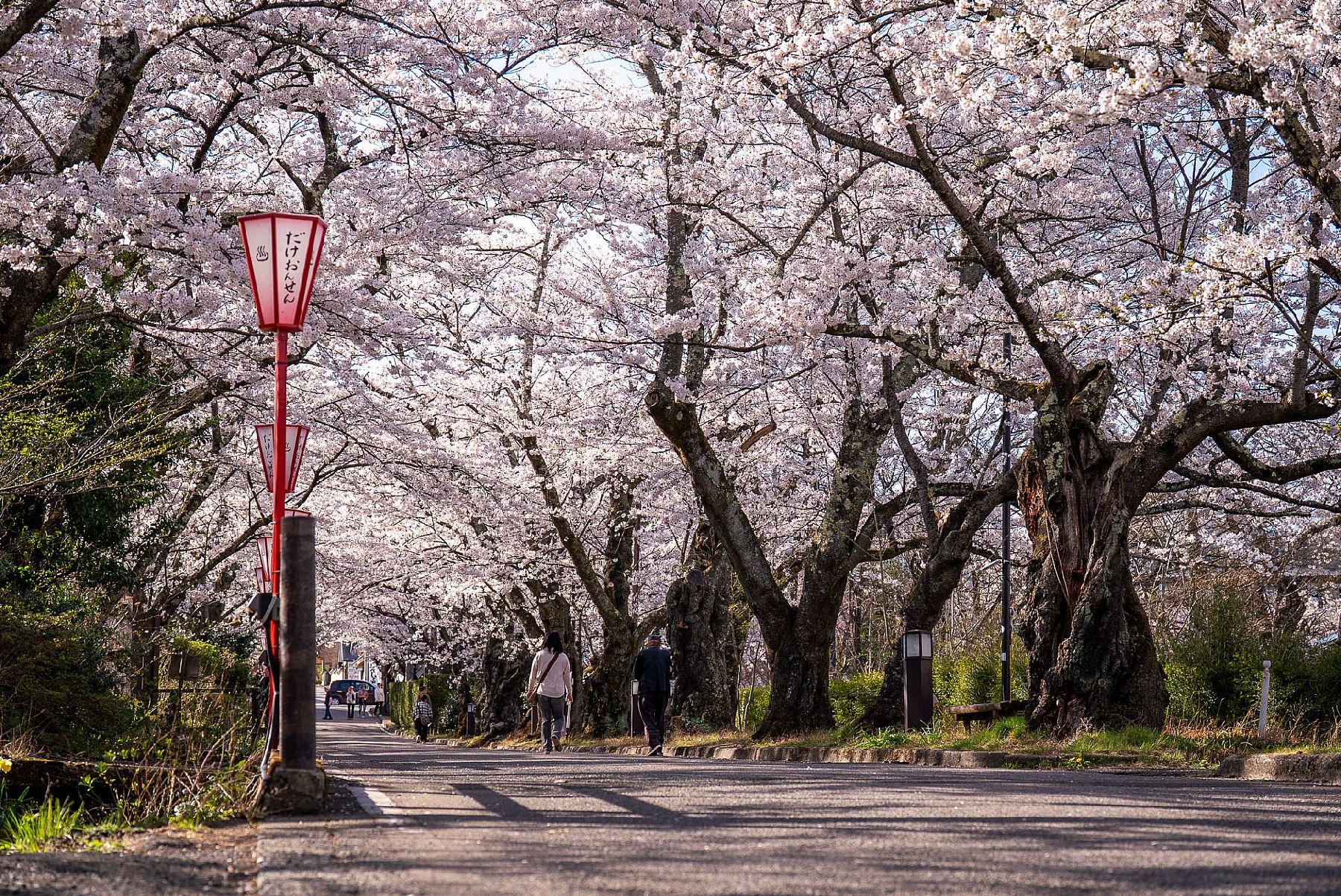
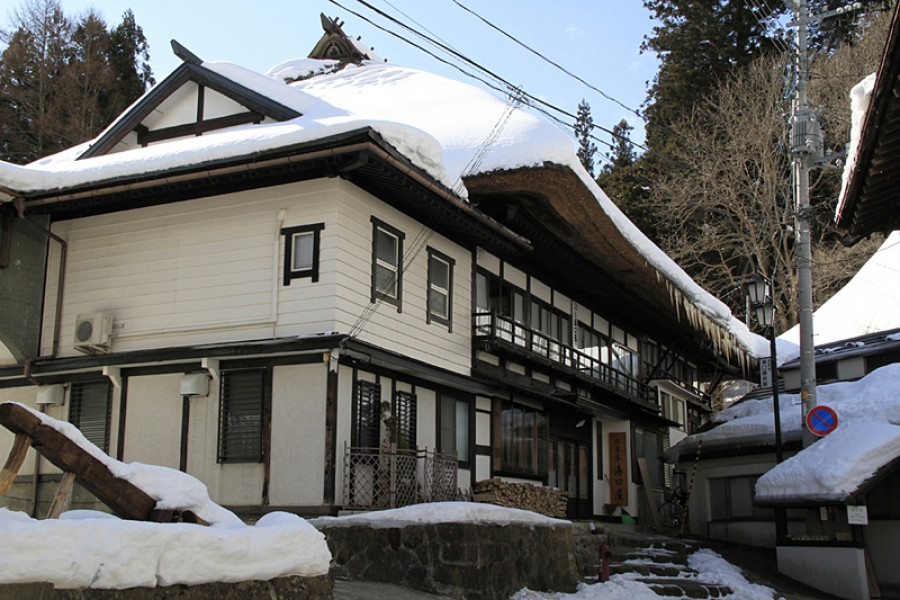
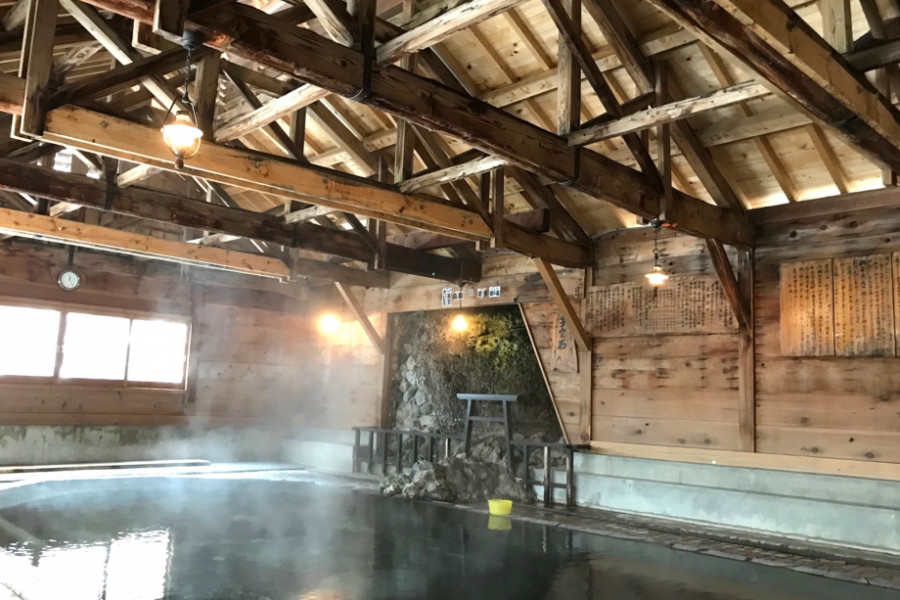
One of the defining sights of the charming Iizaka Onsen resort, the wooden frontage of Sabakoyu was famous for long being Japan's oldest wooden public bathhouse, before being renovated in 1993. The bath facilities are open to the public, giving visitors the chance to enjoy the authentic hot spring water straight from the source. The water here can reach temperatures of up to 50 degrees Celsius, giving it something of a reputation amongst the locals as too hot for first-timers to handle.

The bathhouse is closed on Mondays, excepting public holidays. Guests should buy a ticket from the machine inside the entrance, and soap / shampoo are not provided, so bathers should bring their own.

Venue Details

Venue Details
Opening Hours

6:00 to 21:00 (last entry 20:40)

Entrance FeeAdults: 400 yen / Children: 200 yen
Access Details
AccessYuzawa-32 Iizaka, Fukushima, 960-0201
View directions
Getting there

By Car: 25min from Fukushima City

By Train: 5min walk from Iizaka Onsen Station (20min on the Iizaka Line from Fukushima Station)

Nearby

The World Glassware Hall
Nature & Scenery

Mt. Azuma-Kofuji

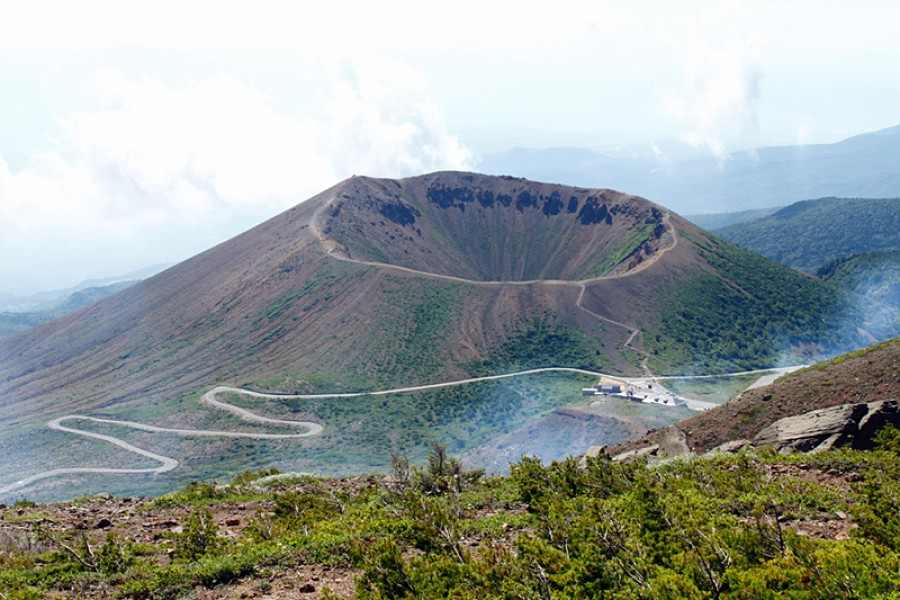
There is a special bus running from Fukushima Station to the Jododaira plateau while the mountain is open. Please visit the Jododaira Sky Access page for more details.Every year in spring, as the snow melts away, it leaves behind the shape of a giant white rabbit on the side of Mt. Azuma-Kofuji. This is called the “seeding rabbit”, and it signals to the people of Fukushima that the farming season has come.From April to November each year, you can experience the beauty of the awe-inspiring natural landscape of Mt. Azuma-Kofuji.Mt. Azuma-Kofuji is an active volcano with an appealing symmetry to it and a soft conical shape; because of these classic features, it was named Kofuji ('little Fuji'), after the iconic Japanese mountain.Thanks to its volcanic ground, the area has given birth to many nearby onsen areas perfect for relaxing, such as Tsuchiyu Onsen and Takayu Onsen.Mt. Azuma-Kofuji is a great destination for those who decide to drive through the area as the Bandai-Azuma Skyline happens to pass just below the crater of Mt. Azuma-Kofuji. Along the roadway is the Jododaira Visitor Center, which offers visitors a place to park, rest up, get a snack, and maybe even buy souvenirs. It is the perfect spot to take a break and explore one of the many short hiking routes to stretch out your muscles after a long car ride. From there, it is just a short hike up to the crater, and there are plenty of other great trails. Circle the crater of Mt. Azuma-Kofuji on a relaxed 40-minute walk and—if you are lucky—enjoy gorgeous views of Fukushima City, Mt. Bandai, and the Urabandai area. But do watch your step as the ground can be uneven and even slippery on grey days. The mountain is open from spring to autumn every year.
The World Glassware Hall
Nature & Scenery

Isshikikanei Shrine

Tucked away in a cedar grove in Tanagura Town, the moss-covered rocks and statues of Isshikikanei Shrine make you feel like you’ve stepped into a Ghibli movie.The shrine is well-known in the area for its two koma-inu (lion statue) carvings. These were carved in 1934 by Kobayashi Wahei, a famous stonemason from the region responsible for dozens of statues on shrine grounds, especially in his birthplace of nearby Ishikawa Town. One of them is known as one of Kobayashi’s ‘Great Three Lion Statues’. 

The World Glassware Hall
History & Culture

Yorinji Temple

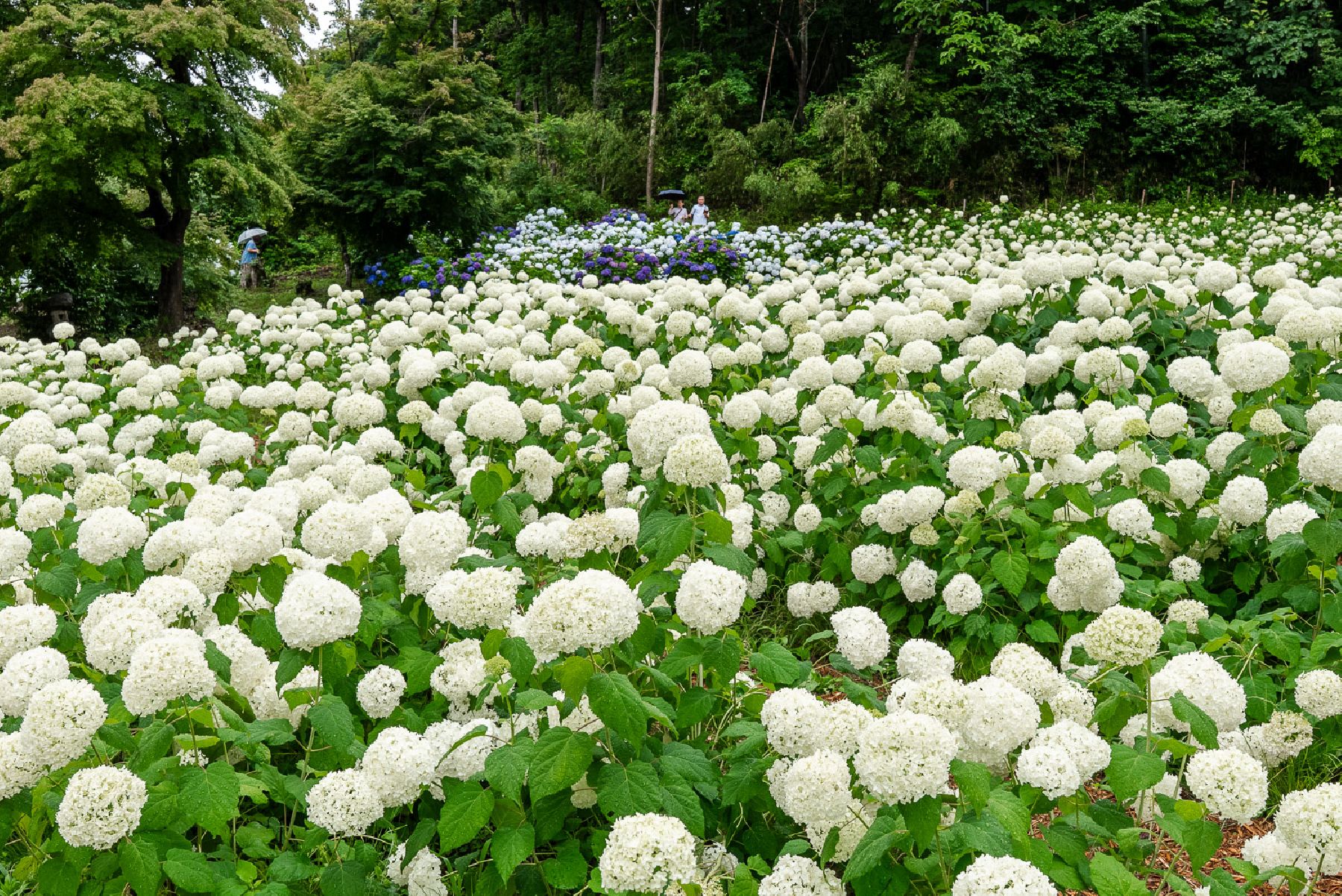
Designated a historic site by Fukushima City, Yorinji Temple is famous not only as a cherry blossom spot but for its abundance of flowers. It’s said there are over 20,000 anabells and 5,000 hydrangeas, making it a popular place to visit during its blooming season (typically mid-June to early July).The purification well here is full of beautiful flowers from the area and watched over by small o-jizo-san - stone statues of a Buddhist deity said to protect children. Larger statues also dot the grounds of the temple, wearing traditional red caps and bibs; these are usually gifts offered by locals as a way of showing respect.There is a cafe on the grounds which sells gluten-free pizza made on site.A trip to the south of Fukushima City pairs well with seeing the Tired Gundam, a short five minute drive away.

The World Glassware Hall
History & Culture

Kyu Horikiri-tei

Kyu Horikiri-tei is a property steeped in history. Built in 1775, the building has been preserved since the Edo Period thanks to wealthy farmers and merchants. The property contains a large kura (storehouse), called Jukken Kura, as well as a traditional Japanese manor house.There is a public footbath located onsite. Use of the footbath - which gets its water from the nearby onsen hot spring source - is accessible for wheelchair users. Japanese-speaking volunteer guides, knowledgeable about the history of Kyu Horikiri-tei and the rest of Iizaka Onsen, are available upon request. 

You might also like

Takayu Onsen
Hot Springs

Takayu Onsen

This famous hot spring area is located at an altitude of approximately 750 meters, which is why it’s called 'taka-yu' ('taka' means 'high-up' and 'yu' means 'hot spring'). Located on the slopes of the Azuma mountain range, Takayu Onsen area was once known as “Shinobu Takayu” and, together with Zao Takayu and Shirabu Takayu, prospered as one of three Takayu in what was once known as the northern Ou region. The waters of Takayu Onsen are a bluish milky color and are thought to have healing properties. Most of the resort facilities of the area neither add water nor adjust the temperature in order to maintain the natural allure of the hot spring waters. After bathing in the waters of this spring, your skin becomes almost slippery from the high acidic and hydrogen sulfide makeup. In the Takayu Onsen area, there are 10 natural hot spring sources, with names such as 'Takinoyu', 'Netsuyu', and 'Senkinoyu'. These sources are named after old public baths. In the olden days, bathtubs were built right next to or directly above the hot spring source. Today, the bathing facilities still receive their water flowing directly from the same source. Nowadays, Takayu Onsen consists of about a dozen ryokan (traditional Japanese inns), all offering their unique charm to travelers. You’ll be pleased to note that many of the ryokan open their hot spring baths to non-staying guests for a small fee. The most famous hot spring facility in Takayu Onsen is Tamagoyu, a wooden bathhouse with a traditional feel. There’s even a foot bath in the center of the town open to the public. If public bathing isn’t something you feel comfortable with, many of the onsen facilities in the area also offer private onsen rooms with a rotenburo (open-air bath) available for your own use. It is a relaxing experience unlike any other to soak in the hot waters and feel your worries melt away.

Bandai Atami Onsen
Hot Springs

Bandai Atami Onsen

It is said that Bandai Atami Onsen was founded about 800 years ago by Princess Hagi Hime, as the waters were thought to cure certain diseases. Now Bandai Atami Onsen has become famous in Japan as an onsen resort town with hot spring water that has beautifying effects. It is also well-known for the fantastic views bathers can enjoy of the Gohyakugawa River valley, which are visible from the town's open-air baths. The soft and gentle quality of the spring water makes your skin amazingly smooth, so please lie back, relax and rest your body, and mind too. Bandai Atami Onsen is popular as Koriyama’s go-to sanctuary for taking a break from the hustle and bustle of everyday life, and the charming ryokan of this town attract people heading for Bandai Kogen sightseeing spots as well as those in Aizu.

Iizaka Onsen
Hot Springs

Iizaka Onsen

Fukushima City's Iizaka Onsen has been used as an onsen town for over 1,000 years, and has been visited by legendary figures in Japanese literature such as Matsuo Basho (1644-1694), the master of haiku poems. Locals in Iizaka Onsen pride themselves on the well-known Japanese phrase “Beppu in the West; Iizaka in the East”, which refers to the best onsen towns in Japan.The Surikami River that passes through the town is lined on either side by 9 high-rise ryokan (Japanese-style inns). More ryokan can be found scattered about Iizaka Onsen. The town is also dotted with a number of communal baths and public foot baths. Some of Iizaka Onsen’s most well-loved local foods include include Enban Gyoza and soft-boiled eggs known as Onsen Tamago. Iizaka Onsen is also close to sightseeing spots such as Hanamomo no Sato, the Fruit Line, and Nakano Fudoson Temple.Iizaka Onsen is the site of the Iizaka Fighting Festival in October, the one night a year where a lively fight atmosphere overtakes the usually sleepy hot spring resort.

Top