Tadami Line Summer Tour
  • Nature
  • Aizu Area
  • Summer

  • 5 destinations
  • One Day

Discover the stunning scenery of the historic Tadami Line on this exclusive, limited-time summer tour. Combining both bus and train travel, this journey gives you a chance to snap photos at the most iconic viewpoints and soak in the beauty of the region from the comfort of a train carriage. Highlights include visits to two of Oku-Aizu’s most breathtaking sights: the dramatic Tadami River Bridge No.1 and the dreamlike river valley of Mugenkyo, where you’ll glide through the landscape on a traditional wooden ferry boat. If ferry seats fill up, or you'd prefer something else, a relaxing soak in the hot spring at Hayato Onsen is offered instead. With the entire region blanketed in lush emerald green during summer, it's the perfect time for unforgettable views and photographs.

The tour also includes a delicious lunch stop at the Yanaizu roadside station ‘Hotto’, where you’ll choose from local specialties like ramen, udon, or katsudon. There’s even a chance to taste or purchase traditional sake from a local shop. A guide will accompany you throughout the day (Japanese language only).

Tickets can be purchased from the Fukushima Travel website.

Please note the tour may be modified or canceled in the event of extreme weather or other unavoidable circumstances.

Adult tickets (junior high school student and above): 7,670 yen (6,900 yen with a 770yen processing fee)
Children (elementary school students or below): 5,450 yen (4,900 yen with a 550yen processing fee)

Tour runs weekends and holidays from late May to end of July, 2026
Note: Some dates and activities may vary – please check details in advance.
Start

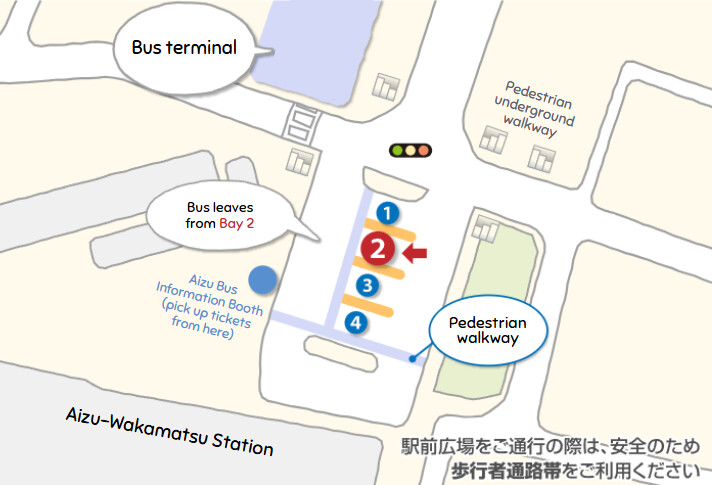
Aizu-Wakamatsu Station

Gonoi Sake Shop

  • 20

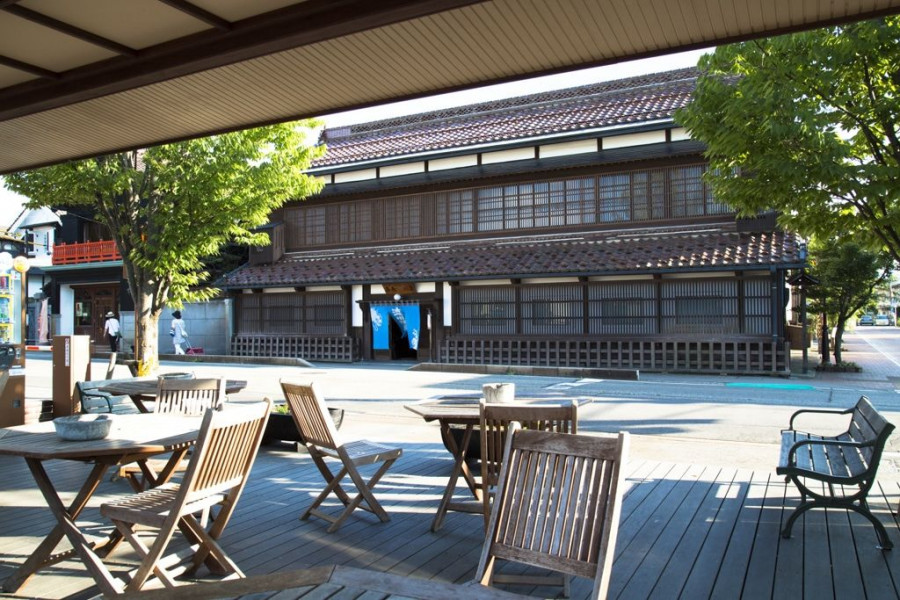
Sample Aizu sake at the traditional shop of Gonoi, which features an array of sakes from across the region.

Hot in Yanaizu

  • Aizu Area
  • 60

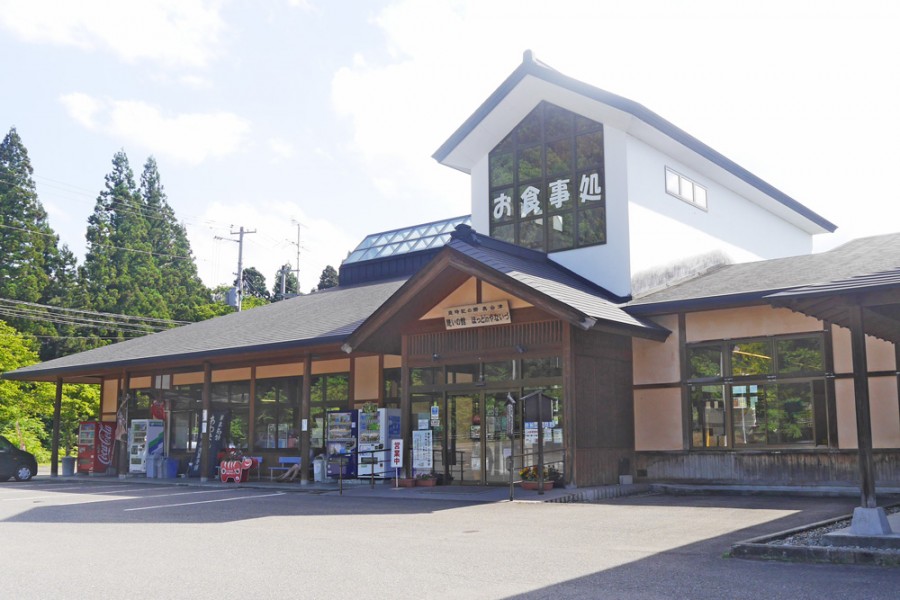
Lunchtime: Choose from one of the local specialties of the area: sauce katsudon, chicken ramen, or refreshing chilled udon noodles. There is also a Chansey Park behind the building.

Tadami River Bridge No. 1 Viewpoint

  • Aizu Area

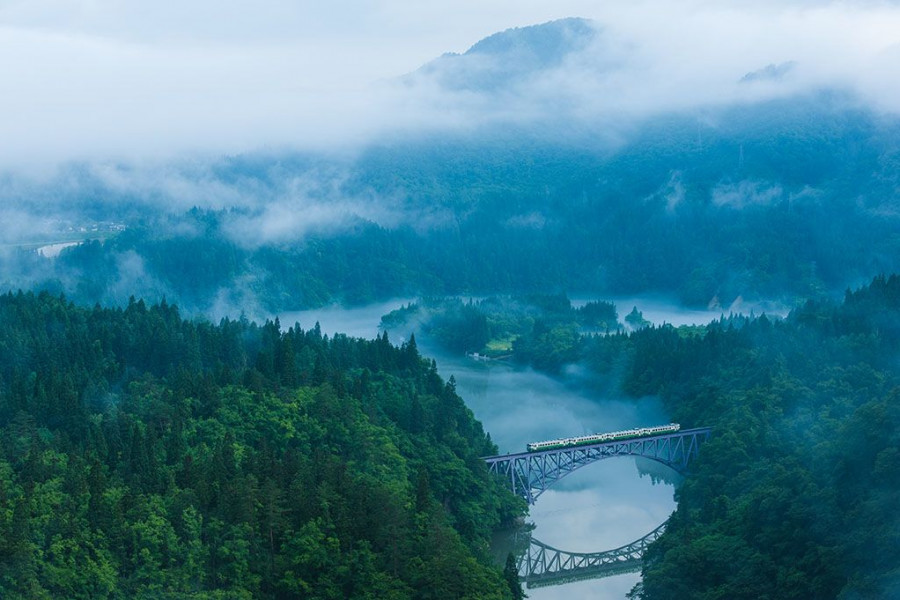
Take photos at one of Japan's most famous railway bridges. You arrive at roughly 12:45, and the Tadami Line train is due to pass at 13.03.

Mugenkyo no Watashi River Crossing

  • Aizu Area
  • 70

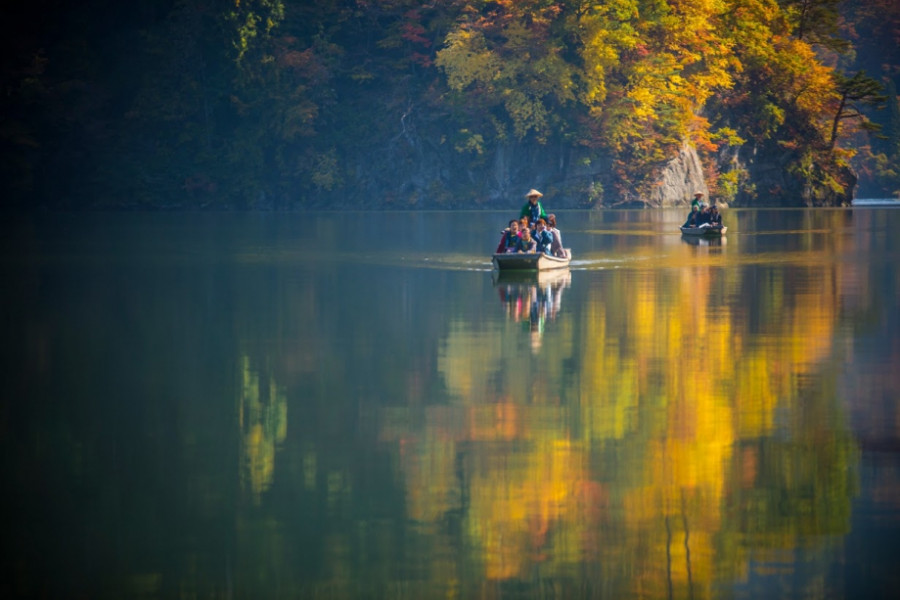
This atmospheric rowboat cruise is well-known for its gorgeous scenery, where sunlight shines off the emerald waters on clear days, or else is cloaked in dramatic fog during inclement weather.
Guests can also choose instead to visit nearby hot spring 'Tsuru no Yu'. (If tickets for the boat cruise are sold out, please visit the hot spring or enjoy the scenery from the dock.)

Board the Tadami Line at Aizu-Kawaguchi Station, the train departing at 15:35. You'll ride the train for roughly an hour, going through several scenic photo spots.

Aizu-Yanaizu Station

  • Aizu Area

The bus will take you the final leg of the journey back to Aizu-Wakamatsu Station for 17:25, with stops at Aizu Roadside Station at 17:00 and Higashiyama Onsen at 17:40.

Finish

Aizu-Wakamatsu Station

Other Trips

Onsen & Sightseeing in Aizu by Train
Nature

Onsen & Sightseeing in Aizu by Train

Jump start your vacation in Fukushima’s Aizu region with this multi-day tour, which can be enjoyed at any time of year. These ideas make for great additions to already existing plans, or as a tour of their own. No matter how you decide to use this itinerary, you won’t be disappointed. Travel by train and local bus, or taxi, to enjoy Aizu to the fullest. Begin your adventure at Aizu-Wakamatsu Station (don’t forget to snap some pics of its bowing red akabeko cow out front) and use the local bus or taxi to make your way for Tsurugajo Castle. Walk through the gardens and grounds of this magnificent castle and marvel at the red-tile roof—the only one of its kind in all of Japan. Inside you can tour the castle keep and see the artifacts of Aizu, let history come to life before your eyes. From the castle, travel to Nanokamachi-dori Street; this quaint area has preserved its early-20th century architecture and is now home to souvenir boutiques and many diners and hidden gems. With that being enough for one day’s excitement, head over to Higashiyama Onsen and soak your travel aches away in the hot springs of Harataki ryokan, which even has its own hot spring source. You’ll love taking a dip in these hot, refreshing, and soothing waters—the outside open-air bath is especially recommended. The next day, why not head over to Ouchi-juku, here you can tour an authentic preserved Aizu village and try local cuisine. The whole area gets really busy in winter and, if you’re brave enough to face the cold, the snow festival is a popular event.  

Fukushima’s Revitalization Educational One-Day Trip
Culture

Fukushima’s Revitalization Educational One-Day Trip

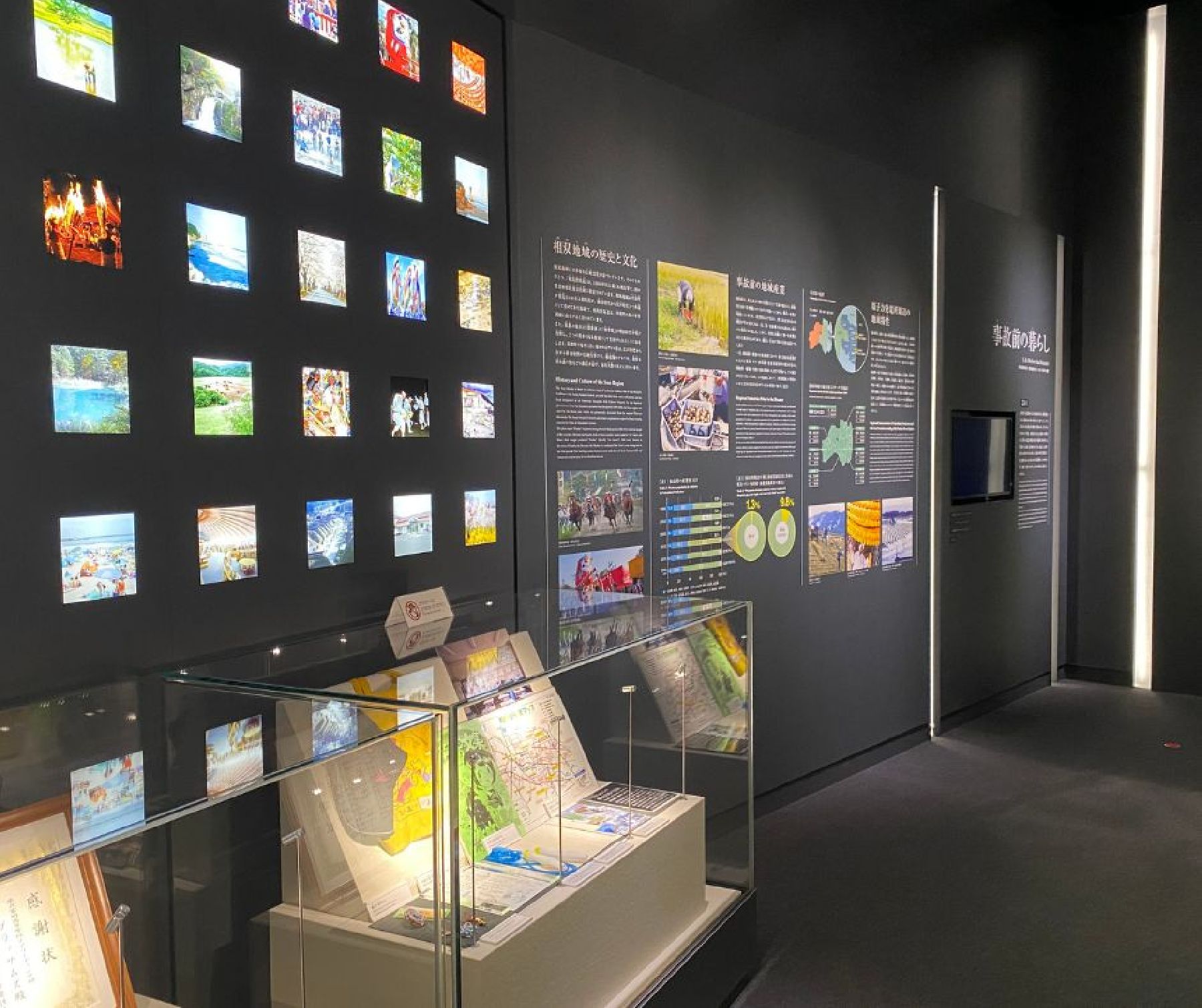
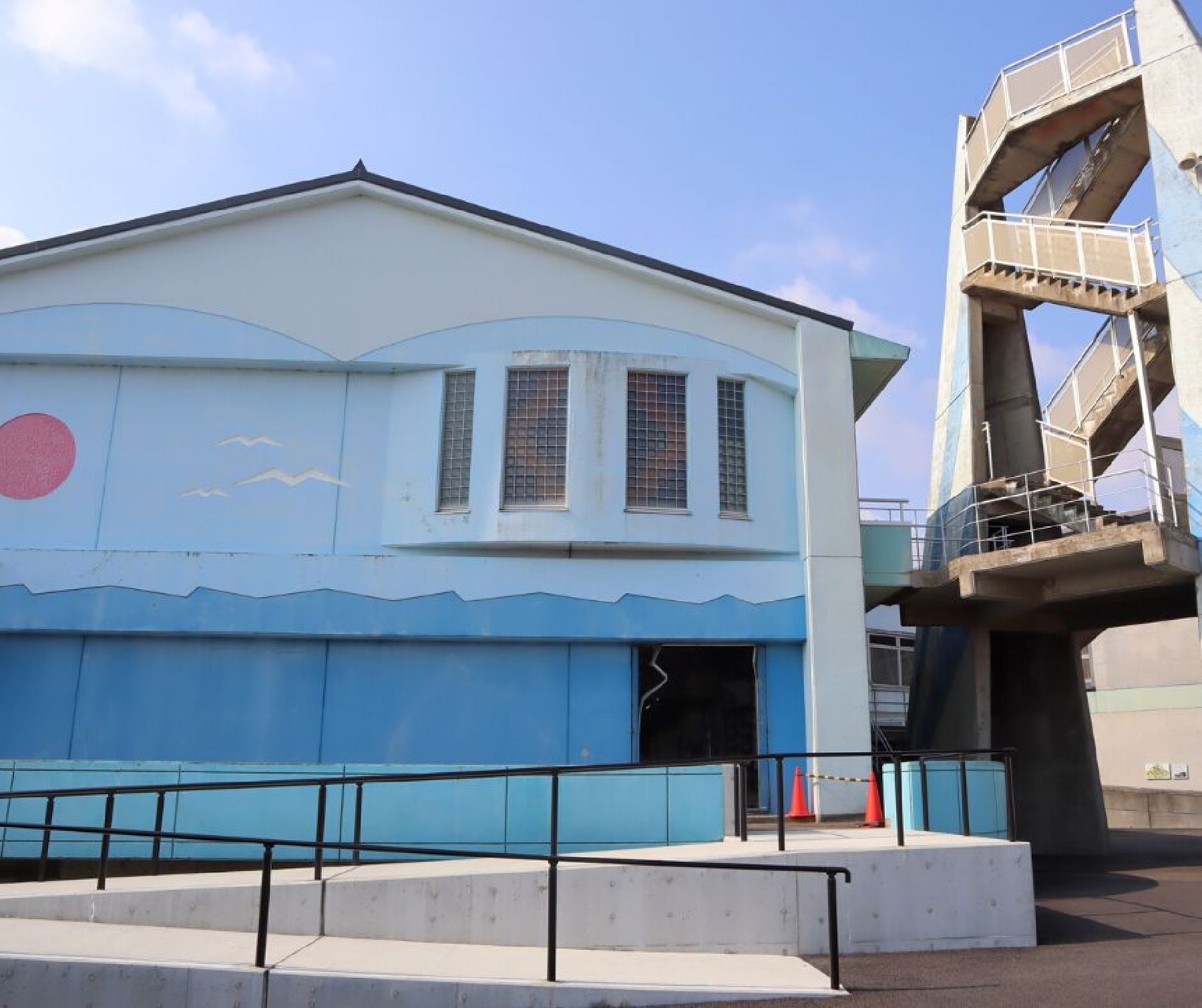
This is a model itinerary for visitors who would like to learn about Fukushima’s revitalization. The coastal area of Fukushima is the only place in the world to have survived a triple disaster: an earthquake, a tsunami and a nuclear disaster. Following extensive decontamination efforts and a great deal of demolition and reconstruction, several areas that were once designated as ‘difficult to return’ have started welcoming both residents and visitors again, with many residents eager to share their stories with the world. This itinerary centers on the towns of Futaba and Namie, both of which were severely affected by the earthquake, tsunami and nuclear accident in 2011.  The first stop is Futaba station and the surrounding Futaba Art District, a mural art initiative that pays homage to the residents and folk art of the town. From there, you’ll visit the Great East Japan Earthquake and Nuclear Disaster Memorial Museum, which has a detailed account of the area before, during, and after the disaster. At the museum, you’ll learn about the stories and testimonies of locals, as well as the plans and ideas for the future of Fukushima. The last stop is the remains of the Ukedo Elementary School in Namie town. Although the school building, located only 300 meters from the sea, sustained great damage from the tsunami, students, teachers and staff were able to evacuate from the school safely, for which it is known as a ‘miracle’ school.  This is a one-day itinerary, but we recommend staying somewhere in the coastal area of Fukushima after your visit.  

Top