Pick-Your-Own Fruit in Fukushima City

Pick-Your-Own Fruit in Fukushima City

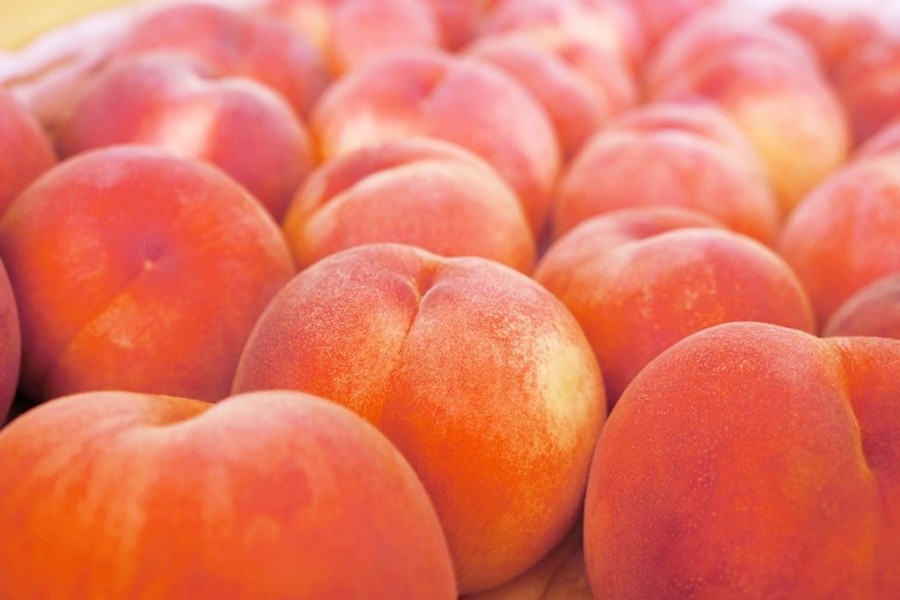
Fukushima is renowned for its delicious fruits, and a wide variety of direct-sale farmer's fruit stalls, 30 minute all-you-can pick tourist orchards, and other fruit attractions can be found among the vast fruit fields and orchards that line the "Fruit Line," which is the nickname for a road that runs for 14 km along the base of Mt. Azuma, and the "Peach Line (National Road 13)," which runs along the train tracks. Come and enjoy the bounty of cherries, peaches, Japanese pears, grapes, and apples of Fukushima City, known as the Fruit Kingdom of Japan!

Check out our full updated guide to Fukushima fruit picking here.

See below for when each fruit is in season:

  • Strawberries....January to May
  • Cherries..........June to July
  • Peaches..........July to September
  • Nashi Pears....August to October
  • Grapes............August to October
  • Apples.............October to December

Fruit Picking at Marusei Orchard: Info & Booking

Venue Details

Venue Details
Websitehttps://www.f-kankou.jp/en/experience/fruit-picking/420/
Contact

Fukushima City Tourist Information Center

(+81) 24-531-6428

Best SeasonAll Year
Opening Hours

Each orchard is open from around 8:30AM to 5PM<br>(Please check with individual orchards for details).

No regular holidays from June through December

ParkingAvailable (The number of parking spaces available varies from one orchard to the next).
Access Details
AccessFukushima City, Fukushima Pref.
View directions
Getting there

Reaching the Various Fruit-Picking Areas by Car:

  • Peach Line: 10 min from Iizaka I.C. exit (Tohoku Expressway)
  • Fruit Line: 10 min from Iizaka I.C. exit (Tohoku Expressway)
  • Kayaba Pear Line: 15 min from Iizaka I.C. exit (Tohoku Expressway)
  • Skyline: 15 min from Fukushima-Nishi I.C. exit (Tohoku Expressway)
  • Tsuchiyu Fruit Line: 10 min ffrom Fukushima-Nishi I.C. exit (Tohoku Expressway)


Coming via Public Transport:

  • Peach Line: Take the Nakamoniwa bus from Fukushima Station's East Exit (Bus Stop No. 8) to the Higashi-ishido bus stop (It will take about 30 min). Peach Line is a 15 min walk from the bus stop.
  • Fruit Line: Take the Nakano (Kayaba) bus from Fukushima Station's East Exit (Bus Stop No. 12) to the Zatou-Machi bus stop (It will take about 30 min). The Fruit Line is a 15 min walk from the bus stop.
  • Kayaba Pear Line: Take the Niwasaka (Uchi-Machi) bus from Fukushima Station's East Exit (Bus Stop No. 12) to the Menkyo Center bus stop (It will take about 30 min). The Pear Line is a 15 min walk from the bus stop.
  • Skyline: Take the Kami-ubado/Takayu Onsen bus from Fukushima Station's East Exit (Bus Stop No. 7) to the Kitabayashi bus stop (It will take about 30 min). Skyline is a 15 min walk from the bus stop.
  • Tsuchiyu Fruit Line: Take the Tsuchiyu Onsen bus from Fukushima Station's East Exit (Bus Stop no. 7) to the Shiki-no-Sato bus stop (It will take about 30 min). Tsuchiyu Fruit Line is a 15 min walk from the bus stop.


Useful Links

How to Enjoy Fruit Picking in Fukushima: The Ultimate Guide

Nearby

The World Glassware Hall
History & Culture

Takashiba Dekoyashiki (Takashiba Craft Village)

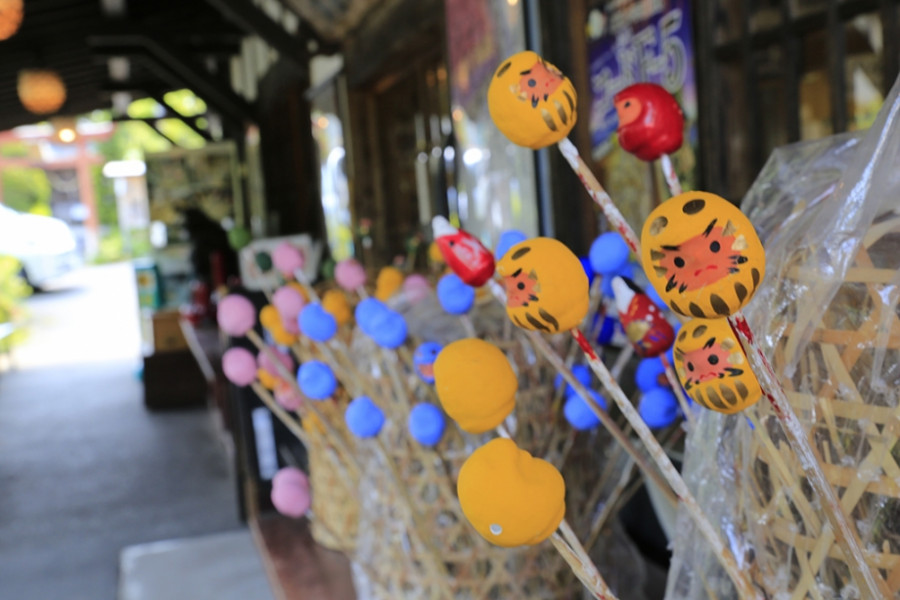
A traditional craftsmen's village bestowing an air of the olde-worlde. The papier-mâché crafts of the town, made lovingly by hand for generations, will bring a smile to your face. Takashiba Dekoyashiki is an historical craftsmen's village, and was at one time under the protection of the Miharu feudal domain. Dating back 300 years to the Edo Period, this community is said to have been born when a traveller from Kyoto taught the people how to craft papier-mâché dolls using a special paint called 'nikawa'. Take a walk through the nikawa-scented streets of Takashiba Dekoyashiki and step into the Japan of old. Visitors can try their hand at painting various traditional crafts, including the Miharu-koma horse wooden doll.
The World Glassware Hall
Nature & Scenery

Mt. Issaikyo

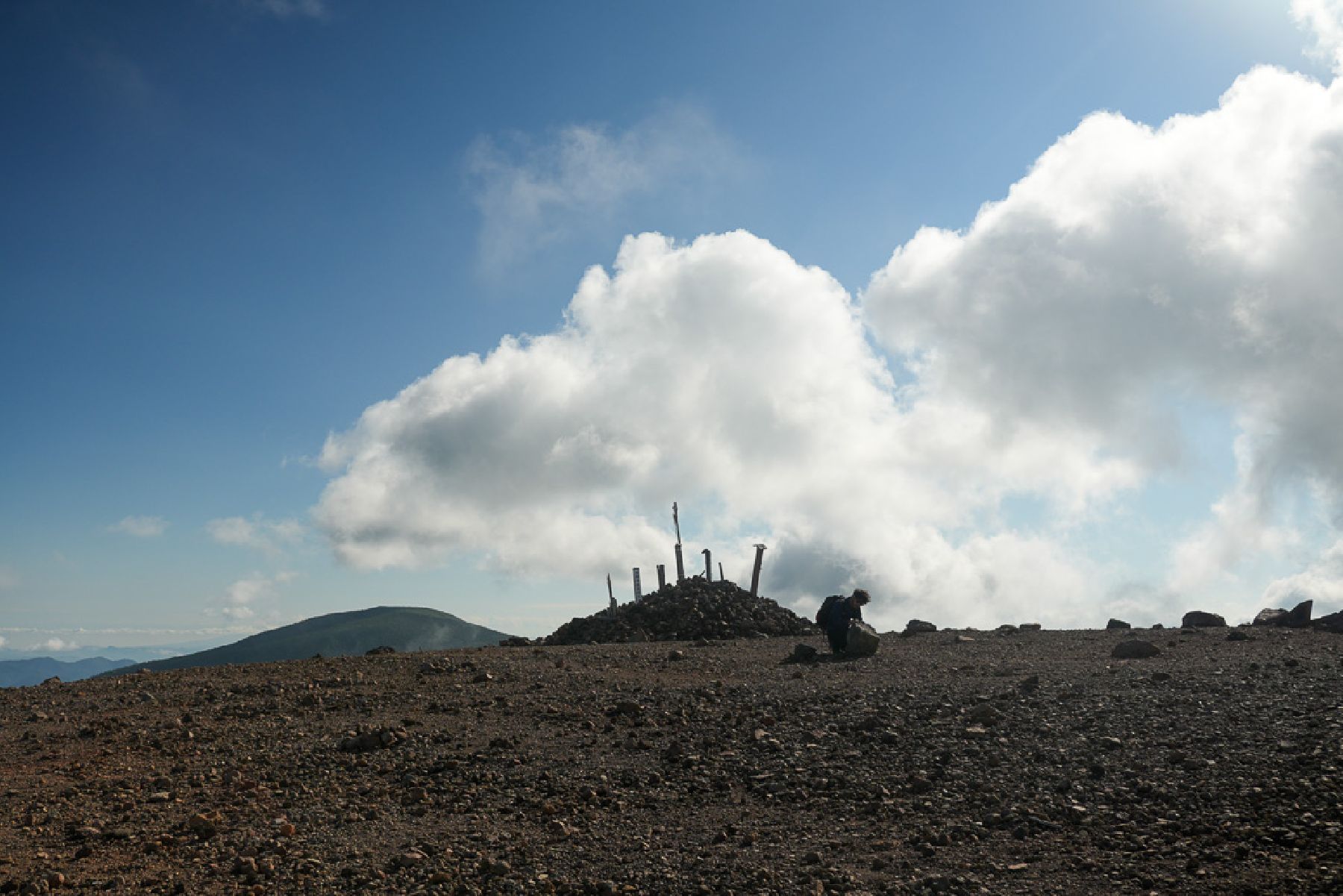
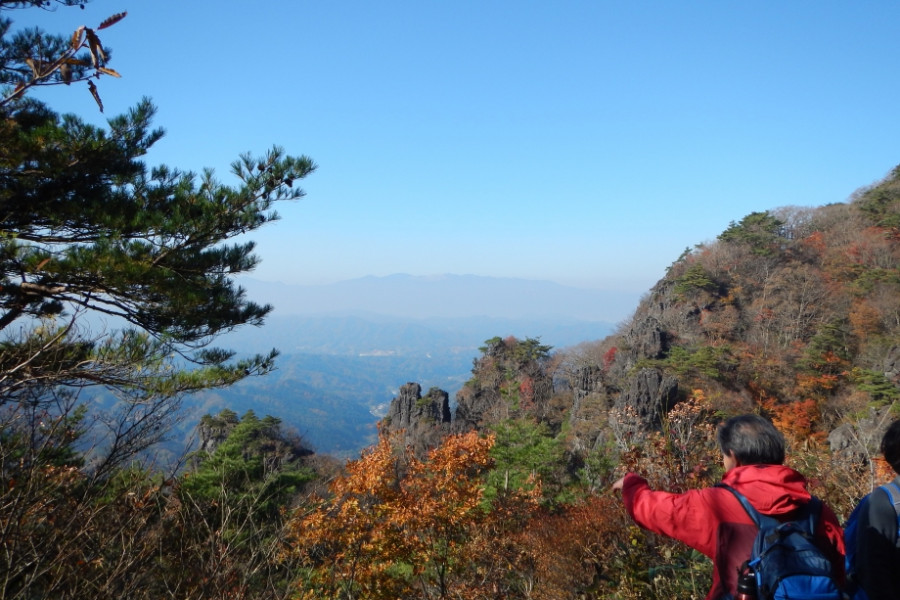
One of the mountains climbable from the Jododaira Plateau, Mt. Issaikyo is a robust several-hour hike suitable for intermediate-level hikers.In addition to spectacular views of the surrounding area, the mountain is also one of the main pathways to, and viewpoints for, the ‘Witch’s Eye’ lake at Goshikinuma, which stretches out in a valley visible from the Issaikyo summit. (The lake is reachable from the summit, although the terrain is relatively steep.)Visitors to the area typically park at the Jododaira Visitor Center, from which they have a choice of options: Kamanuma lake due west, Okenuma Pond to the south, and the Azuma-Kofuji crater with its panoramic views over Fukushima City to the east.To the north, however, stands Mt. Issaikyo. With a summit of 1,949m and rugged terrain on the climb, it may not be suitable for absolute beginner hikers, but nor is it a whole-day slog like climbing Mt. Fuji. Views from the top of the mountain are spectacular and well worth the climb – a blanket of immaculate white clouds spreads out in all directions. Likewise, the ascent gives great views of the Azuma-Kofuji crater with its iconic inverted shape.The Jododaira Plateau is typically best accessed by car, a journey which takes travellers from Fukushima City up the Bandai-Azuma Skyline sightseeing road and offers fantastic views, especially in autumn.Please be aware that the Mt. Issaikyo trail, and the Jododaira Plateau in general, is closed to visitors during winter due to heavy snowfall.

The World Glassware Hall
Nature & Scenery

Bandai-Azuma Lake Line

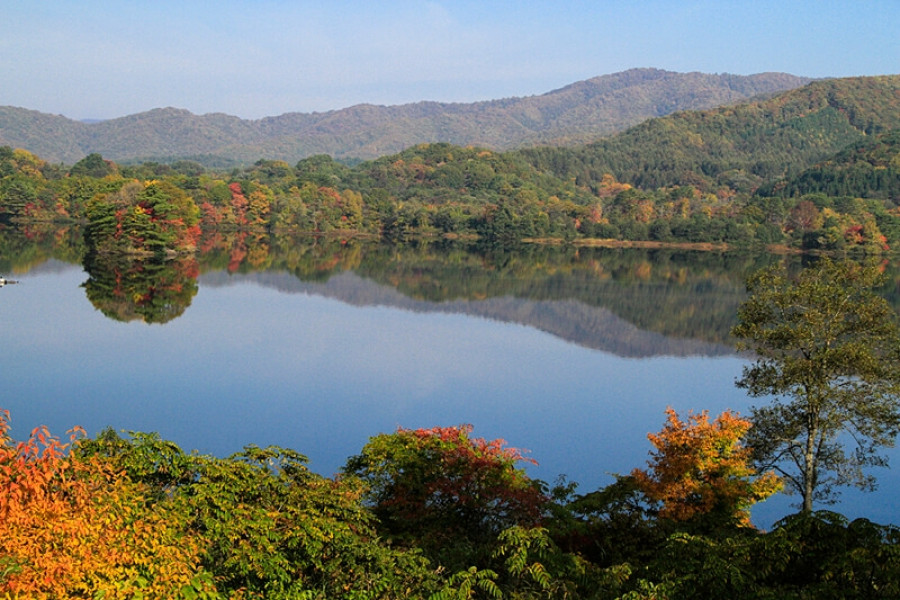
Bandai-Azuma Lake Line is a sightseeing road that runs for 13.1 km, connecting Inawashiro Town and Kitashiobara Village. Outstanding backdrops of hundreds of lakes, including Lake Akimoto, Lake Onogawa, and Lake Hibara can be seen from along the road. The Nakatsugawa Valley, which lies half-way along the route, offers a wonderful view of a combination of rock surfaces polished by strong water currents and woodland greenery. A rest-house area with washrooms stands near the valley and visitors can enjoy trekking along the walking trails from the season of fresh green leaves through to the end of the season of red and yellow foliage. The valley is particularly famous as one of the most scenic foliage-viewing spots in Japan with many photographers visiting from both inside and outside of the prefecture. Enjoy a beautiful drive through this landscape when the new leaves of spring are fresh and green or when the autumn beauty of the valley glistens with red and yellow foliage of beeches, buckeyes, and maples.

You might also like

Niida Honke Sake Brewery
Gourmet & Shopping

Niida Honke Sake Brewery

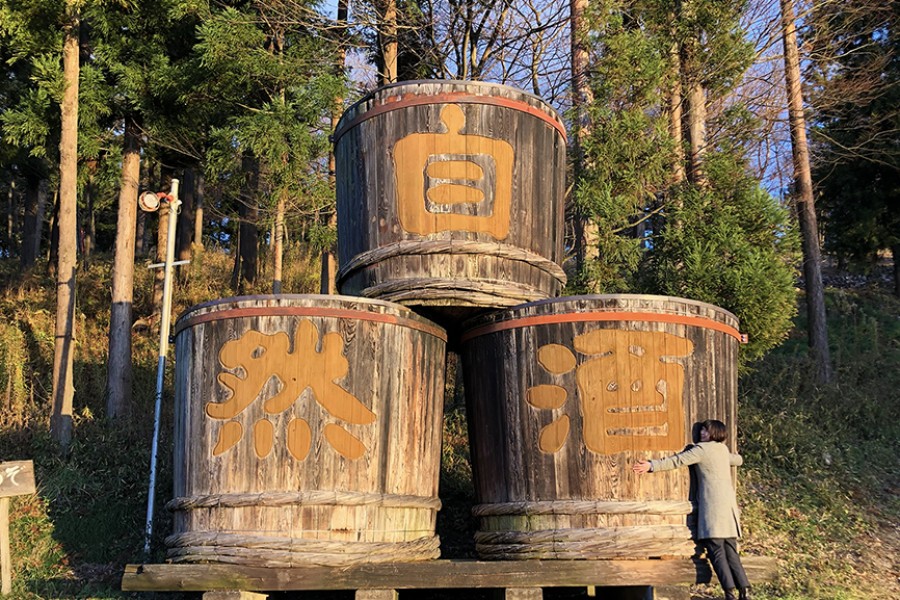
Located in the sleepy village of Tamura-machi, and surrounded by sprawling rice fields is the Niida-Honke brewery. Since its founding in 1711, Niida Honke has seen eighteen generations of head brewers, each bringing their own personality and subtle changes to the company and its sake. The current head brewer is Yasuhiko Niida, an incredibly nice person with an awe inspiring passion for making Sake.Under Mr. Niida’s supervision, Niida Honke has seen many changes. In 2011 the brewery celebrated its 300th anniversary and the achievement of using 100% natural rice in its brewing process. Unfortunately, this was the same year as the Great East Japan Earthquake and the following nuclear disaster. Despite the difficulties, Niida Honke worked hard to return the health of the rice fields.After the fields were cleaned and returned to their healthy status, a decision was made to move the company into a more sustainable and natural direction with the goal of creating its sake with 100% natural and organic ingredients. They currently grow much of the rice used to create their sake in the fields that surround the brewery. Working with local farmers to create healthy, high quality rice that is grown without the use of pesticides or harmful chemicals.In the future Niida Honke aims to brew all of its sake in natural wooden tanks, switch entirely to solar power, and grow 100% of its own rice. For each bottle that you buy, Niida Honke takes one step closer to these goals.Read more about the sake brewing process at Niida Honke!

Michi-no-Eki Fukushima (Roadside Stop)
Gourmet & Shopping

Michi-no-Eki Fukushima (Roadside Stop)

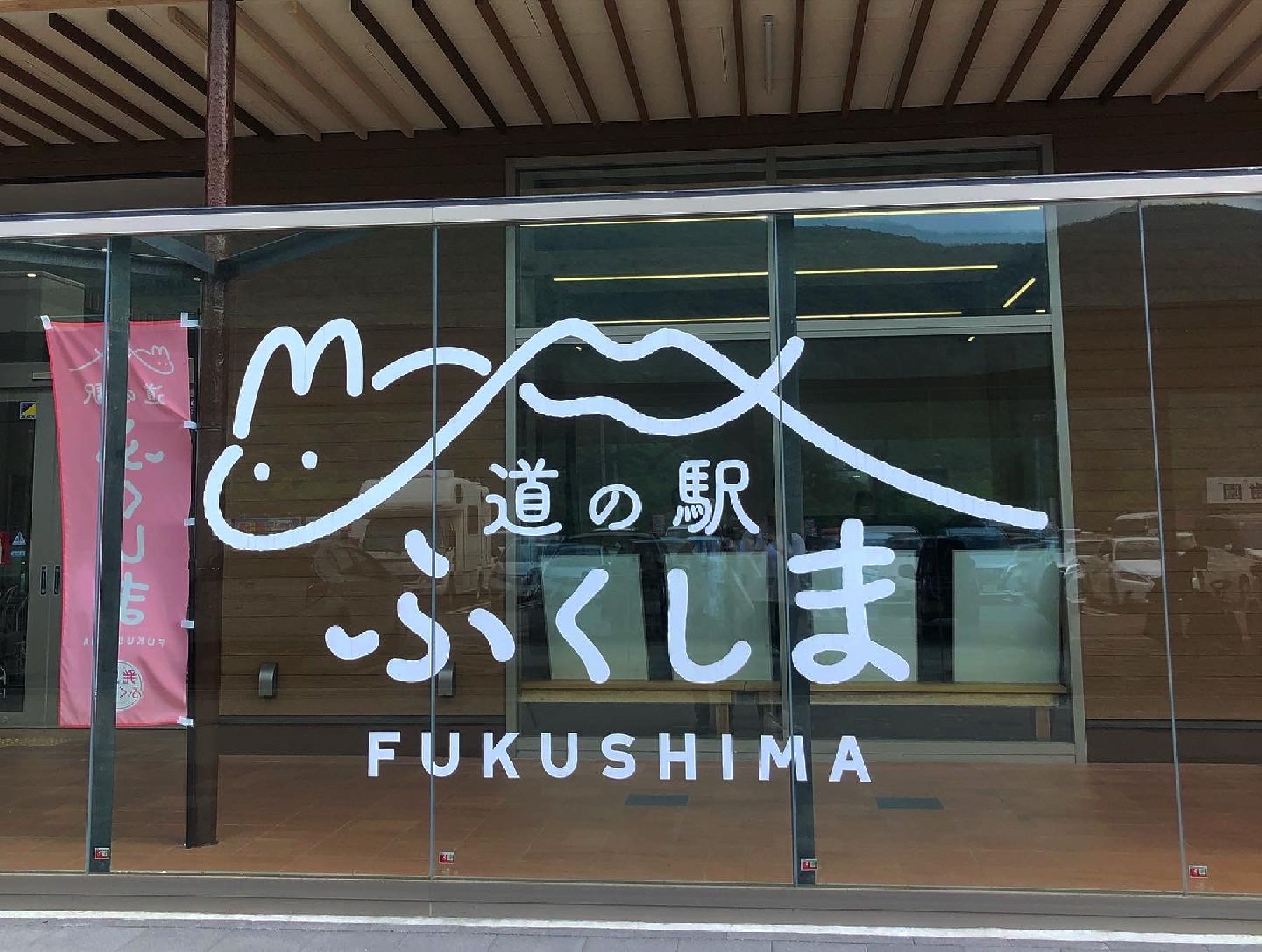
Newly opened in 2022, Michi-no-Eki Fukushima (道の駅ふくしま)is a great place to buy local produce, souvenirs, and eat delicious Fukushima foods! Or even just to pause for a break along your road trip.It is located near the Fukushima Fruit line, so you’ll find a good assortment of delicious fresh fruit on display. You can also go fruit-picking to the nearby orchards using the rental bicycles available.Click here for more information on fruit picking in Fukushima!There is a dog park and an indoor play area for children called Momo Rabi Kids Park, which has many cute wooden toys and structures for children to play at as well as an indoor sandpit.We recommend trying the unusual ice-cream flavors at ‘yukiusagi’, a sweets shop that sells delicious parfaits and desserts using local produce. They sell rice-flavored ice-cream, as well as a special flavor called “Fukushima’s Sky Milk”(ふくしまの空ミルク), which has a salty milk flavor! 

Daruma Land
Gourmet & Shopping

Daruma Land

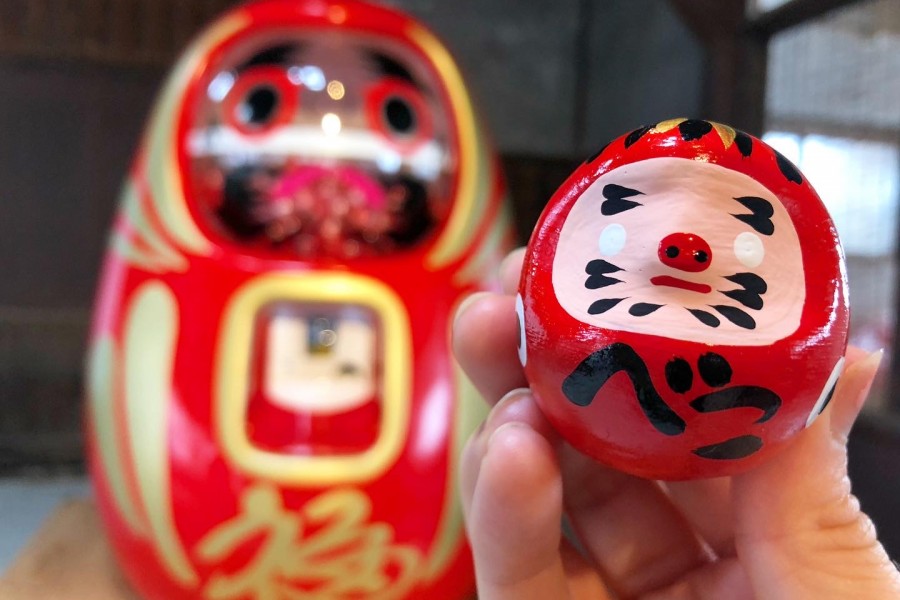
Newly opened on July 8th, 2021, this is a place where visitors can learn about Daruma, the symbol of Shirakawa city!  Much of the structure of the main building is the structure of a restored old Japanese home, so the structure is beautiful and minimalistic. Inside, an elegantly restored tatami room showcases a work shop where you can watch artists expertly hand paint daruma dolls.  There is also a display that explains the process of making a daruma doll, and a showcase room where you can take a look at a collection of unique daruma that are designed by various artists. There is also a daruma shrine and a warehouse where you can purchase daruma, paint your own, or try out the huge daruma gacha gacha machine for a surprise daruma!   

Fukushima Product Promotion Center
Gourmet & Shopping

Fukushima Product Promotion Center

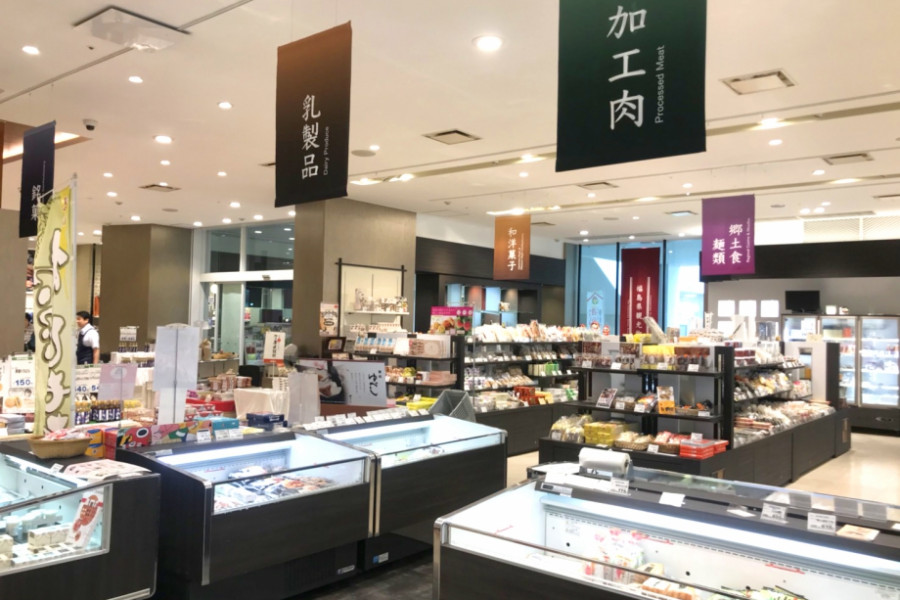
The Fukushima Product Promotion Center (also known as the ‘Bussankan’) is a short walk from the west exit of Fukushima Station and is the best spot to buy unique souvenirs from your trip to Fukushima.Enjoy a delicious lunch, and even do a sake tasting, at the Fukushima Lounge. All food and sake has been grown and produced locally in Fukushima.Browse locally-made items – which have been designed over generations in response to Fukushima’s rich history and culture, and have become representative of various areas of Fukushima Prefecture – displayed and sold in the ‘Local Products’ section.Great food, dried goods, local products and traditional crafts – the best from all over the prefecture can all be found at Fukushima Prefecture Souvenir Shop.As well as displaying and selling delicious local produce and locally-made folk crafts from a wide range of areas across the prefecture, the Fukushima Product Promotion Center also provides information on local products and sightseeing opportunities in Fukushima. Local artisans, farmers and performers also regularly visit the shop to display and sell their work.

Top