Irori no Yado Ashina

Irori no Yado Ashina

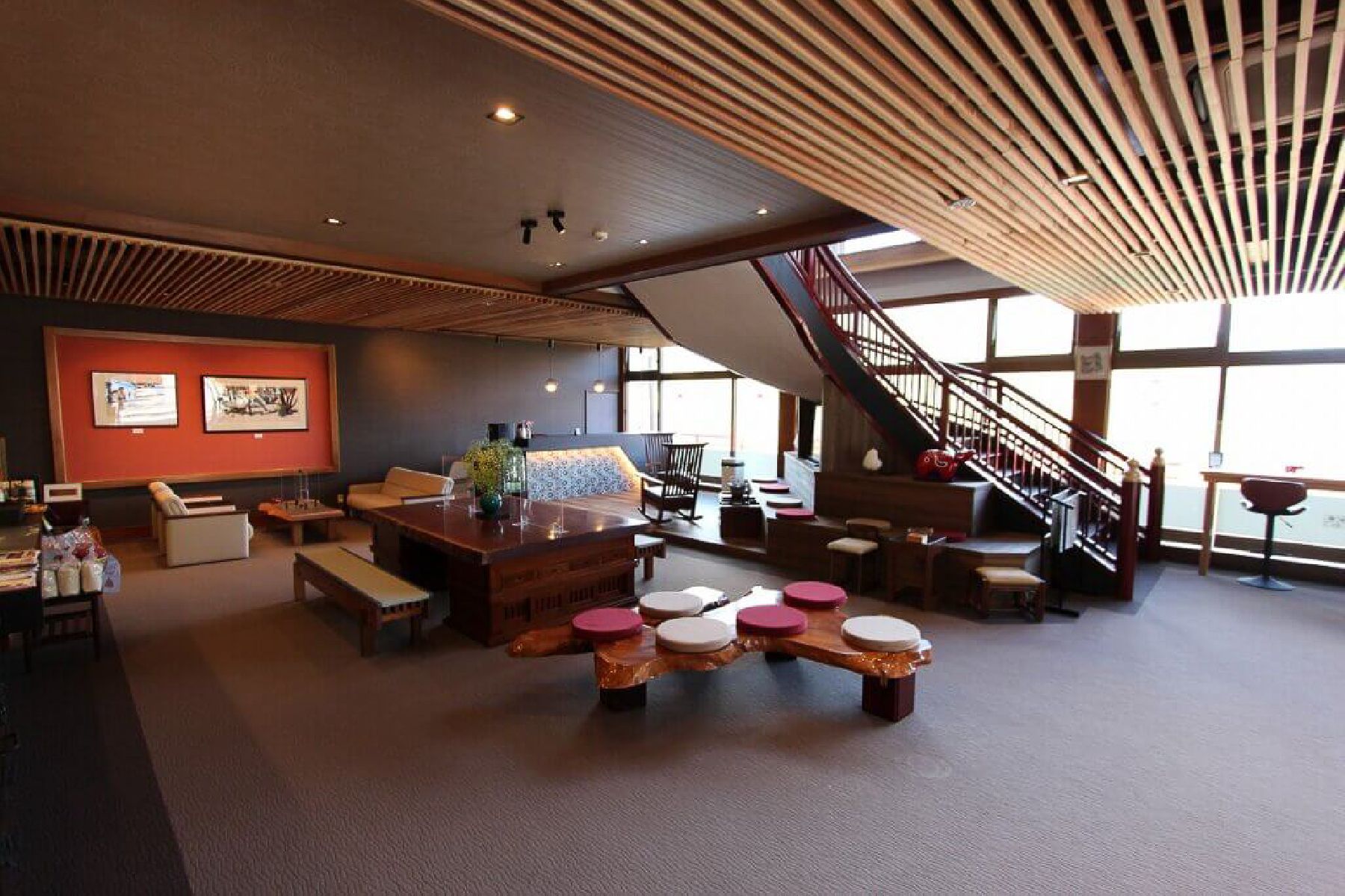
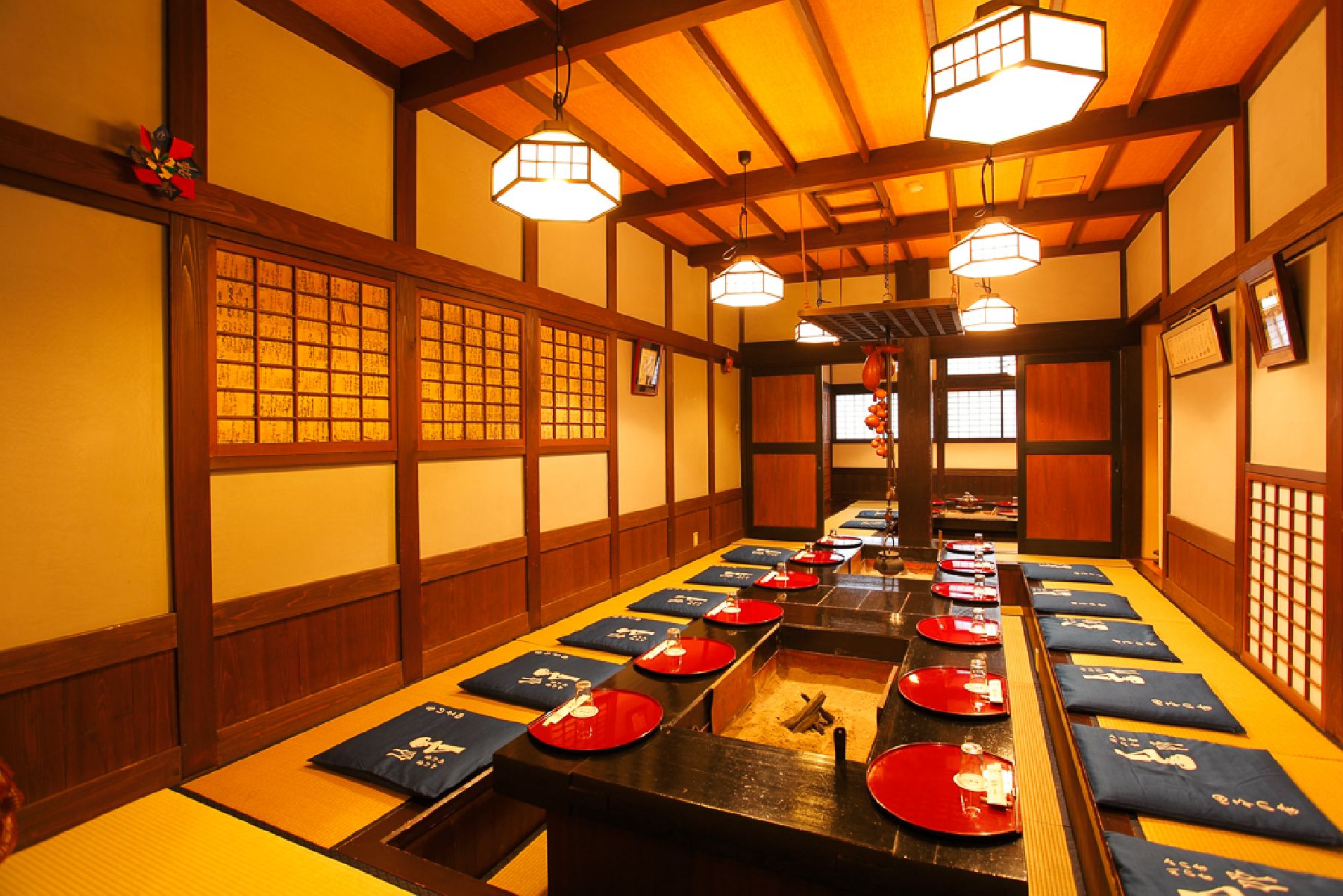
Ashina is a Japanese-style inn that preserves an atmosphere of old-style living in the Tohoku Region. The facility used to be part of a 120-year-old private residence, which was taken apart, moved and then rebuilt at its present location. An overnight stay at this inn will allow guests to experience several different aspects of traditional Aizu culture, including local cuisine and local sake that can be enjoyed nowhere else. Dinner is served around an irori (sunken hearth), which is a very memorable feature of this inn.

Venue Details

Venue Details
Websitehttp://www.ashina.co.jp/en.html
Contact

Irori no Yado Ashina
(+81) 242-26-2841
info@ashina.co.jp

(+81) 242-26-2841

ParkingAvailable
Accommodation details

Capacity: 8 rooms (Accommodates 25 guests)

Room styles: Japanese-style rooms only

Room charge: 1 night stay with two meals: 16,800 yen - 24,150 yen (Tax incl.)

Check in / Check out: From 4:00 PM / Until 10:00 AM

Meals: Charcoal-grilled dishes served around a sunken hearth in the inn's dining room

Hot springs: Simple thermal spring

Pets: Not allowed

Book a roomTripAdvisor.com
Access Details
Access232-1 Shimohara, Yumoto, Higashiyama-machi, Aizu-Wakamatsu City, Fukushima Pref. 965-0814
View directions
Getting there

By Car: 15 min from Aizuwakamatsu I.C. exit off the Ban-etsu Expressway

By Train: 20 min bus ride from Aizuwakamatsu Station (JR Ban-etsu West Line) via sightseeing loop bus.

Mapcode for Car GPS:97 205 628*46

Nearby

The World Glassware Hall
Cultural Experiences

Mitsutaya

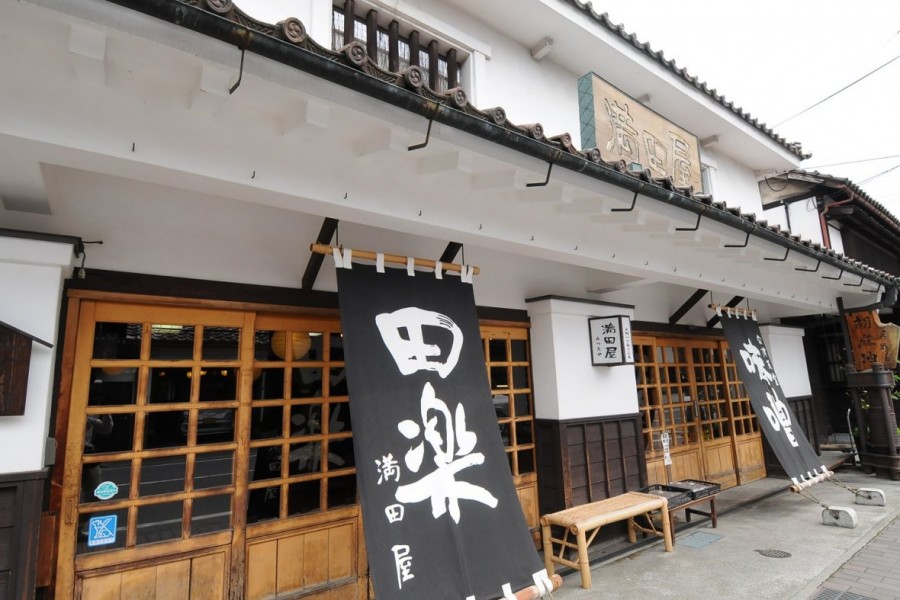
Mitsutaya is a speciality restaurant with roots dating back to the end of the Edo Period (around 1835). The restaurant is situated in a renovated miso storehouse. It is therefore fitting that the restaurant is famous for a local Aizu meal called 'miso dengaku'. Miso dengaku refers to skewered vegetables and meat which are topped with a miso paste before being cooked over an open flame. The skewers are cooked one by one. Skewer ingredients include konjac, deep-fried tofu, sticky, savory rice balls called 'shingoro mochi', and more. Each small dish is coated in miso for an unforgettable and savory flavor.  

The World Glassware Hall
Cultural Experiences

Makie Painting at Suzutake Workshop

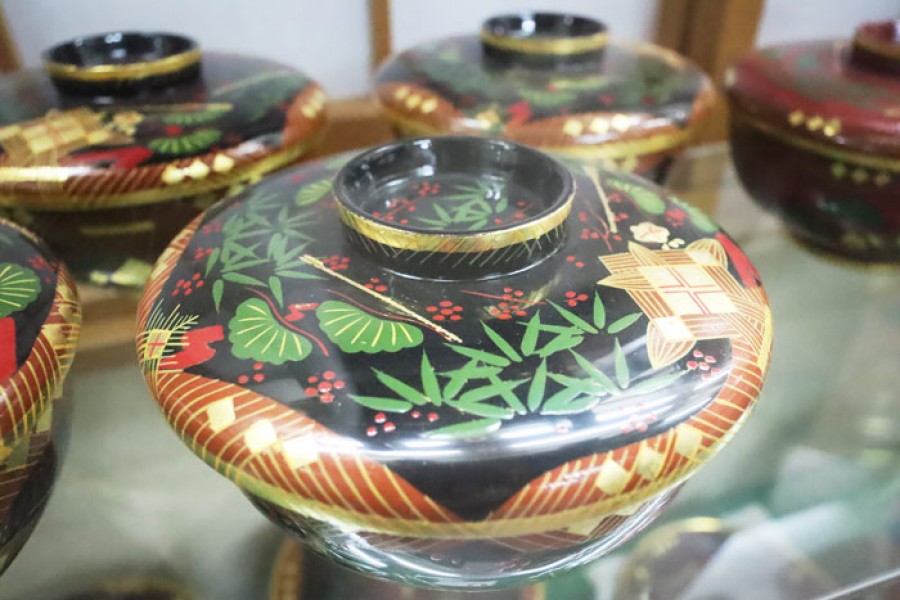
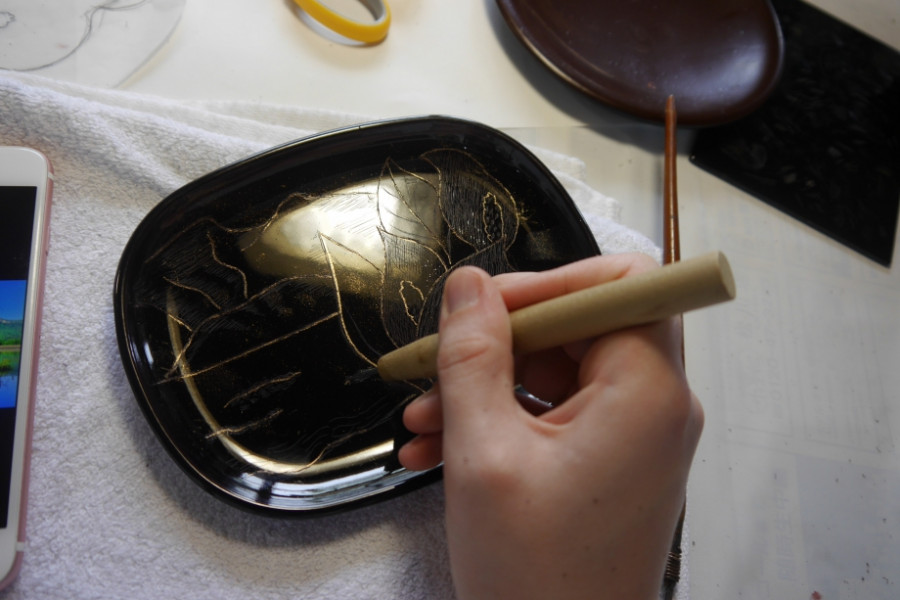
Suzutake workshop tours began in the 1950s as a way of providing families with a chance to learn about the history and artistry of lacquerware. Even today, visitors are able to actually see artisans at work at three key stages of the Aizu lacquerware making process: 1) applying a base layer of unrefined lacquer or astringent liquid to wood; 2) adding additional layers of lacquer in a desired style, and 3) adding hand-drawn delicate designs ('makie') using either colored lacquer or gold and silver power (a technique called 'Sunken gold makie'). Visitors can also take part in a makie-painting experience.

The World Glassware Hall
Cultural Experiences

Paint Your Own Akabeko

Bookings for the akabeko painting can be made on the official reservation page.What is 'Akabeko'?The akabeko legend started at Enzoji Temple in Yanaizu Town, in the Aizu region. The construction of this temple began in the year 807, but due to a huge earthquake at the end of the seventeenth century, it had to be repaired in 1617. It was during the reconstruction of the temple that the akabeko became a folk legend.It is said that moving the wood and other supplies necessary for the reconstruction work was incredibly difficult because materials had to be transported from various villages upstream of the Tadami River. The materials were heavy and the journey to the temple was long. Cattle were used to transport materials, but many struggled to bear their loads.Then, out of nowhere, appeared a cow with a red coat. (It should be noted that, in the past, the word ‘red’ was used to describe the color ‘brown’, so it is likely that it was a brown cow.) The red cow supported the other cows and helped the priests who were constructing the temple until it was completed. Then, it suddenly vanished.'Akabeko' means 'red cow' in the local dialect.A number of statues of the cow were built inside the temple grounds so that the people of Yanaizu could express their gratitude to the akabeko.In the years following, there was a range of legends about the akabeko, with stories such as families who owned akabeko being rid of sickness upon stroking the cows. They continued to hold their status of bringers of good luck and strength. Families bought or made akabeko toys for their young children to play with.Akabeko Painting ExperiencesIn recent history, the Aizu tradition of painting akabeko began. It is said that this tradition started as something to do for children visiting Aizu-Wakamatsu City as part of school trips. This was when the story of the Akabeko evolved once more, into its newest papier-mâché form. The stripes on the face and back of the papier-mâché Akabeko are said to represent strength and perseverance.There are a number of workshops in Aizu-Wakamatsu City where you can paint your own Akabeko. Most workshops offer the standard red, white, and black paint. These talismans for good health make very cute and lightweight souvenirs to take home for family and friends – or keep for yourself! Those who prefer to buy a ready-painted Akabeko will be able to find it at most souvenir shops.BookingIf you would like to book an akabeko painting experience at the Tsurugajo Kaikan (a shopping complex located next to Tsurugajo Castle), please access this page.

You might also like

Ryokan Kashiwaya
Ryokan

Ryokan Kashiwaya

Nestled in the tranquil mountains of Fukushima, Futamata Onsen Kashiwaya Ryokan is a serene onsen retreat known for its five distinct natural hot springs. Each bath is supplied with fresh, pure spring water directly from the source, providing guests with an exceptional onsen experience. The high-quality water, sourced directly from the earth, ensures a truly rejuvenating soak.One of the standout features of Kashiwaya Ryokan is its self-flowing stone bath, a rare sight even in Japan. This bath is fed directly from the spring beneath the floor, with fresh, untouched water emerging naturally from the ground. Guests can experience the soothing sensation of bathing in mineral-rich hot spring water, with fresh "yu-dama" (bubbles of water) rising from the bottom of the tub, offering an authentic and refreshing onsen experience.The culinary experience at Kashiwaya is deeply rooted in the local culture, with the ryokan using only the freshest local ingredients prepared with traditional regional seasonings and cooking methods. Guests can enjoy dishes featuring Fukushima Beef, known for its tender texture and marbling, as well as basashi (horse sashimi), a popular local delicacy. Every meal reflects the essence of the region's flavors, offering a true taste of Fukushima.Beyond the relaxing onsen, there are plenty of opportunities to explore the natural beauty of the Aizu region. Guests can join guided nature walks led by local experts to discover the area's diverse flora and fauna. Depending on the season, various outdoor activities are also available nearby, allowing guests to fully immerse themselves in the scenic surroundings.Futamata Onsen Kashiwaya Ryokan offers a perfect blend of relaxation, regional flavors, and outdoor exploration, making it an ideal destination for those looking to experience the warmth of the onsen and the beauty of the Aizu region.
Kawachi
Ryokan

Kawachi

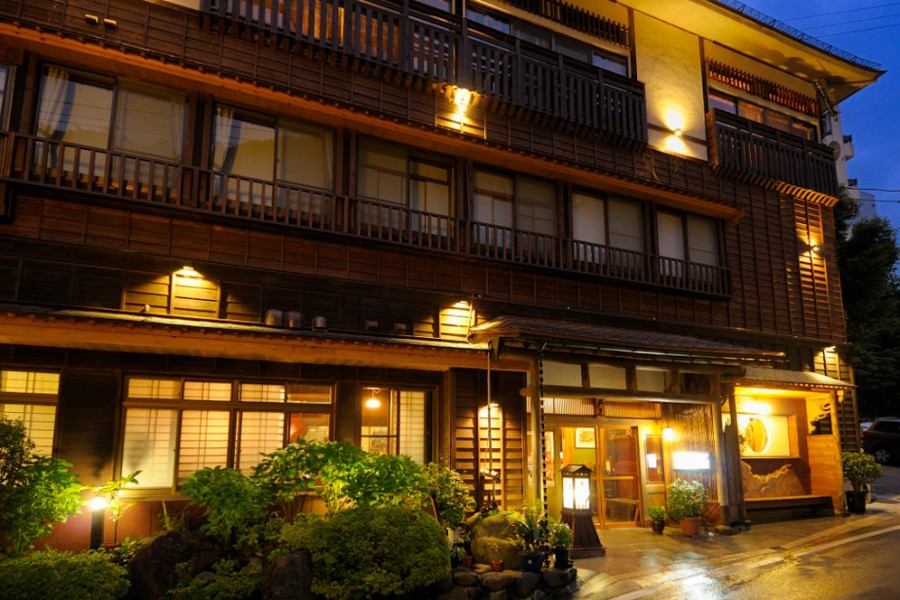
Located in Yanaizu Town, the gateway to the Oku-Aizu area, Seryu no Yado Kawachi is situated in a region rich in history. Yanaizu has long been known as the temple town of Fukuman Kokuzo Enzoji Temple, which boasts a history of over 1,200 years. The town is also renowned for its abundant hot springs, attracting visitors throughout the year.The ryokan is positioned alongside the gently flowing Tadami River, offering guests stunning views of both the river and the iconic red bridge from their room windows. The changing scenery of Oku-Aizu throughout the seasons provides a unique experience year-round.The hot spring water, sourced from Enzoji Temple in Yanaizu, is known for its soothing properties, leaving skin soft and retaining warmth, allowing for deep relaxation of both body and mind.Seryu no Yado Kawachi also offers seasonal activity tours, providing guests with the opportunity to enhance their stay with memorable experiences.

Harataki
Ryokan

Harataki

Among hot springs, this inn is rare for possessing their own spring source. You’ll enjoy the luxurious open-air baths to the fullest. They’re 100% “kakenagashi” (continuously flowing), which is the highest quality of hot spring water in Japan. Whether it’s spring, summer, or fall, you’ll love the natural beauty of the area with open-air waterside dining. If you’re looking for a delightful private hot spring bath, they have four separate reservable baths with a view. Harataki also boasts an open-air bath filled with water from its very own hot spring source.The dinner is another popular attraction: you can enjoy both Otemae-ryori, a traditional Japanese course meal served at the table, as well as a buffet with rice cooked on a traditional kamado kitchen stove, charcoal-grilled dishes, and the local specialties of Aizu. Meals served at the Waterside Dining Kawadoko (a restaurant with outdoor decks built along the bank of the Yukawa River) are very popular during the summer season.Make the most of your time unwinding and soak away your worries.

Cuisine Inn Tagoto
Ryokan

Cuisine Inn Tagoto

Located in the historic Nanokamachi district of Aizu-Wakamatsu, Ryori Ryokan Tagoto has been a cherished stop for travelers for nearly 100 years. Originally a traditional lodging along the old Echigo, Yonezawa, and Shimotsuke (Nikko) highways, the inn still retains a "Resting Stone" at its entrance—a spot where weary travelers once paused, offering a glimpse into the past.Tagoto is renowned for its seasonal kaiseki cuisine, made with the finest ingredients from Aizu, as well as its signature "Wappa-Meshi" rice dish. These meals are popular among locals, visitors from afar, and even famous personalities.Guests are welcomed with warm hospitality, enjoying exquisite dishes in the refined atmosphere of this historic ryokan.

Top