Abukuma Cave

Abukuma Cave

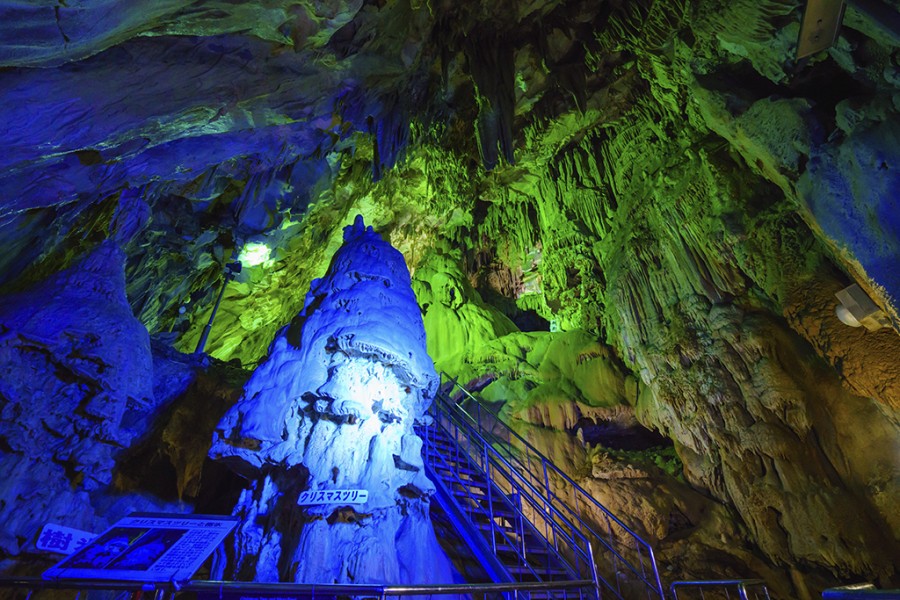
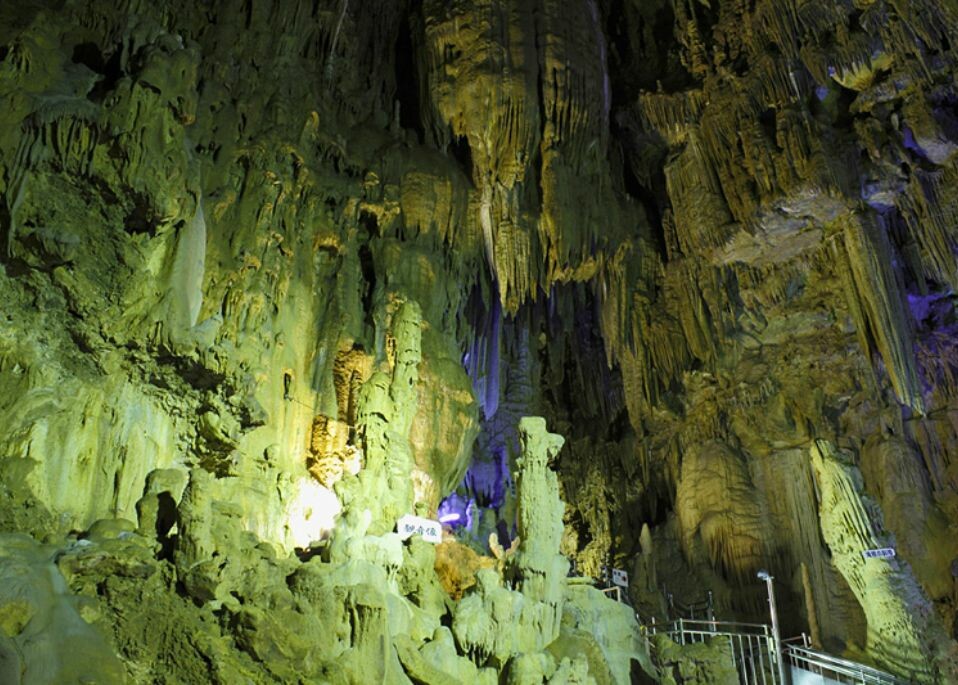
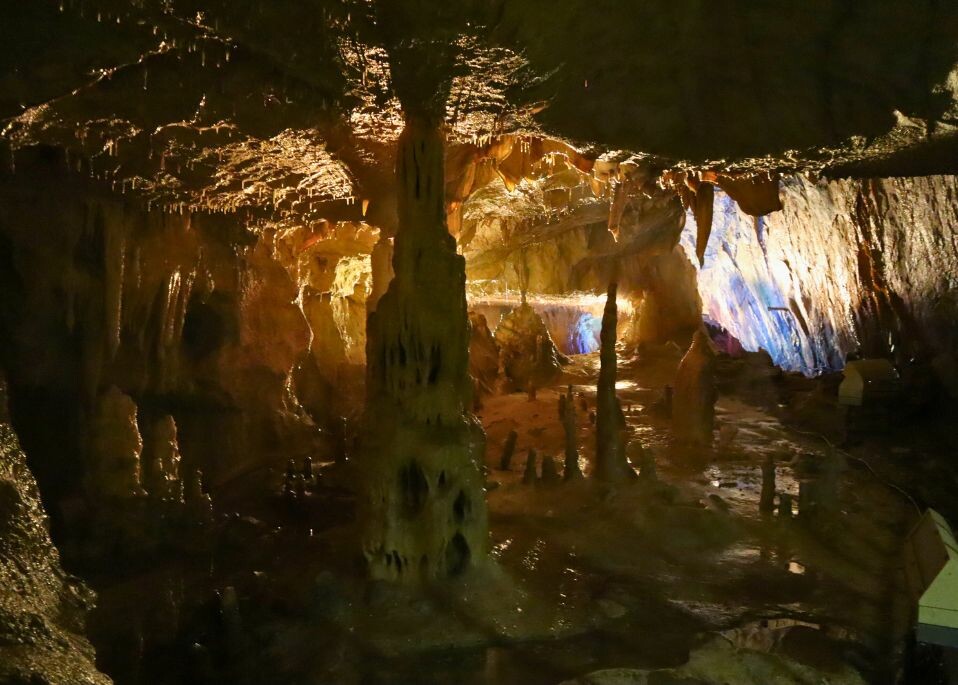
A world of mystical beauty created over millions of years, Abukuma Cave is said to have the greatest variety and the largest number of stalactites in the whole of Asia. It takes about an hour to explore the inner world of the cave and the terrain is easy to navigate on foot.

Abukuma Cave is a limestone cave that was discovered in 1969. Inside, visitors can walk the 600-meter-long path to explore and view the beautiful cave formations. Visitors can’t help but be impressed by the beauty of these natural creations formed over the course of 80 million years. The largest hall in the cave, called Takine Goten (Takine Hall), and Tsuki no Sekai (The Moon World), is illuminated with dramatic stage lighting and is particularly impressive.

Also not to be missed are the rare cave formations called boxwork, you can identify them by their unique shape; thin blades of minerals coming off the walls and ceilings forming a honeycomb or box-like pattern. Abukuma Cave is the only cave in Japan with boxwork that is open to the public. Another notable stop along the cave path is the Christmas Tree and Silver Frost; both are impressive stalagmites that resemble festive holiday trees. The Christmas Tree is over two meters tall and said to be the largest example in all of Asia.

There is an additional thrilling adventure course; experience crawling through narrow passages and climbing a ladder to spectacular views over the cave! This 120-meter-long course runs parallel to the main passage, but please note that visitors may have to crawl on their hands and knees at times.

When you have finished exploring the mysterious depths and come back to the surface you can find plenty of restaurants and souvenir shops. Visit from mid-June to July to see the neighbouring hillside covered in 50,000 lavender plants.

Venue Details

Venue Details
Websitehttps://abukumado.com/en/
Contact

Abukuma Cave Administration Office

(+81) 247-78-2125

Best SeasonAll Year
Opening Hours

Apr.01–Jun.22: 8:30am–5:00pm | Jun.23–Sep.30: 8:30am–5:30pm | Oct.01–Nov.15: 8:30am–5:00pm | Nov.16–Mar.06: 8:30am–4:30pm | Mar.07–Mar.31: 8:30am–5:00pm

ParkingFree. Disabled Parking Available
Entrance FeeAdults: 1,200 yen | 13 - 15 years old: 800 yen | 7 - 12 years old: 600 yen | Adventure course is available for an extra 200 yen.
Related infoMulti-purpose accessible toilet available.
Access Details
Access1 Higashikamayama, Sugaya, Takine-Machi, Tamura City, Fukushima Pref.
View directions
Getting there

By Car: 20 min from Ono I.C. exit off the Ban-etsu Expressway. After exiting the Ban-etsu Expressway, take Route 349, then Prefectural Route 36, before passing onto Prefectural Route 19. Then turn right after 7-Eleven.

By Train: Approx. 10 min from Kanmata Station on the Ban-etsu East Line.  

Useful Links

Irimizu Limestone Cave (Irimizu Shonyudo)

10 things to do at Abukuma Cave

Nearby

The World Glassware Hall
Nature & Scenery

Yuyu Land Hanawa Dahlia Park

Yuyu Land Hanawa Dahlia Park is located within Yuyu Land Hanawa hot spring and accommodation facility. 300 kinds of 5000 dahlias bloom in approximately 7000 ㎡ site from summer to autumn at the Dahlia Park. Hanawa Town is home to 18 small dahlia gardens including 4 located in elementary and junior high schools. The best time to visit in order to see these flowers is between August and October. An annual dahlia festival is held in Hanawa Town every year to celebrate these vibrant flowers.

The World Glassware Hall
History & Culture

Sukagawa Tokusatsu Archive Center

The Archive Center was opened on November 3rd, 2020 in order to share the unique artistry of Tokusatsu (Japanese special effects) with the world. Early Tokusatsu creator and Sukagawa Native, Eiji Tsuburaya came to be known as the “Father of Tokusatsu” due to his incredible Tokusatsu special effects in films such as Godzilla (1954) and television series such as the Ultra-series.Prior to the development of advanced digital and cgi special effects, science fiction films heavily relied on Tokusatsu techniques to create captivating live-action scenes where enormous monsters or Kaijyu wreak havoc upon cities. Smashing and exploding miniature models of cities allowed film makers to create incredible scenes for films and television.The Archine Center stores and displays many historic pieces that were used in or otherwise are related to the production of Tokusatsu films. There is even a special where visitors can watch Tokusatsu artists in action!©円谷プロ

The World Glassware Hall
Nature & Scenery

Isshikikanei Shrine

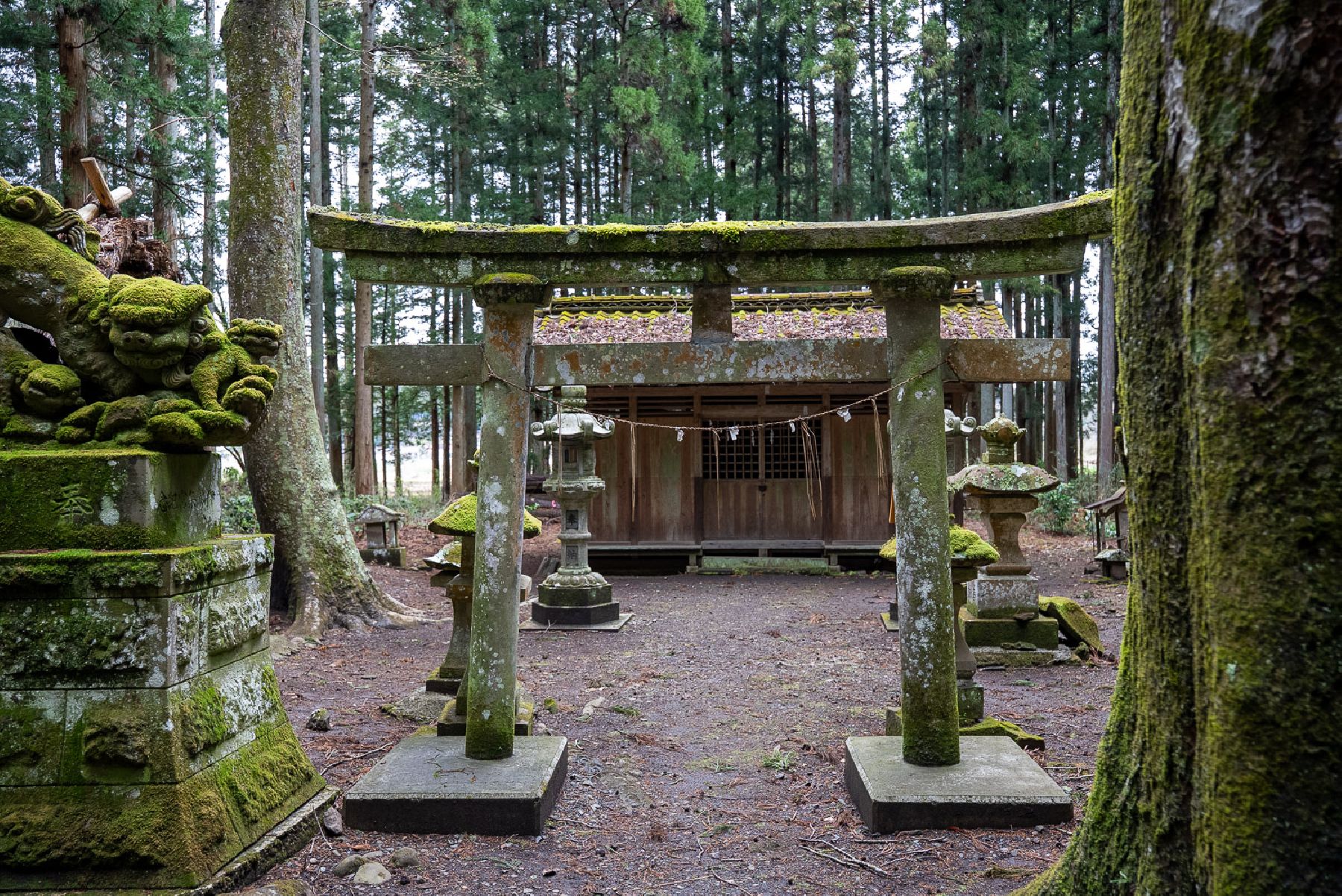
Tucked away in a cedar grove in Tanagura Town, the moss-covered rocks and statues of Isshikikanei Shrine make you feel like you’ve stepped into a Ghibli movie.The shrine is well-known in the area for its two koma-inu (lion statue) carvings. These were carved in 1934 by Kobayashi Wahei, a famous stonemason from the region responsible for dozens of statues on shrine grounds, especially in his birthplace of nearby Ishikawa Town. One of them is known as one of Kobayashi’s ‘Great Three Lion Statues’. 

You might also like

Doaidate Park
Nature & Scenery

Doaidate Park

Approximately 5,000 colorful hydrangeas bloom here every summer. Nicknamed by locals as 'Hydrangea Alley', this is a great place for relaxing or taking photos. Doaidate Park routinely makes lists of best places to see hydrangeas in Tohoku every year thanks to its sheer number of bushes and tranquil atmosphere.There is also a play park for children and an old shrine within the park grounds, while the west side of the park offers excellent views over Mt. Adatara.Parking is available for roughly 40-50 cars by the slope leading to the park entrance.In an average year, the best time to see hydrangeas fully in bloom is between the end of June and beginning of July.

Irimizu Limestone Cave (Irimizu Shonyudo)
Nature & Scenery

Irimizu Limestone Cave (Irimizu Shonyudo)

Visitors looking for a cool and adventurous experience should consider visiting the Irimizu Limestone Cave (入水鍾乳洞) in Tamura City.Perhaps less known than the nearby Abukuma Cave, the Irimizu Limestone Cave offers visitors the opportunity to venture into its depths—the narrow cave is 900 m in total and is divided into three courses (A, B and C), each more extreme than the previous one.Visitors should bring adequate clothing and shoes, as the inside of the cave is wet and slippery with irregular rocky ground and gushing streams.Course A is the least extreme, and the way into the cave is lit, although there are puddles and wet spots, and you will need to duck in some places since there are short and narrow spots. Course A is 150 m long and takes approx. 30 minutes to complete.Courses B and C go through an area of the cave where there is less conditioning. Visitors have to walk while having water up to their knees and go through slippery and narrow gaps by candlelight or flashlight.Course B is 450 m and takes about 60 minutes to complete, while course C is 300 m and takes about 90 m to complete. Visitors hoping to undertake course C, the most difficult of the three, have to make a reservation before their visit, as the course can only be completed alongside an experienced guide. *Course C is not available and is not taking reservations as of May 2023.The temperature inside the cave is typically between 10 and 15 degrees regardless of the season.There are candles, rubber shoes, flashlights and other items available for renting at the entrance.Prices are as of March 2023.The cave has been designated as a National Natural Treasure, and it’s easy to see why. You’re bound to become a geology enthusiast after experiencing the charms of the cave.

Koriyama Nunobiki Kaze-no-Kogen (Koriyama Nunobiki Wind Farm)
Nature & Scenery

Koriyama Nunobiki Kaze-no-Kogen (Koriyama Nunobiki Wind Farm)

These windy highlands are located at the plateau summit of Mt. Aizu-Nunobiki. It’s location to the south of Lake Inawashiro provides ample breeze to power the 33 windmills that stand majestically atop the highland plateau. Nunobiki Kogen Wind Farm is one of Japan's largest wind farms. It's location at an altitude of about 1,000 meters, makes for a truly fantastic view of the surrounding scenery.From early August to early September, visitors can enjoy amazing vistas of the beautiful himawari batake (sunflower fields). The sunflowers here are planted at 3 different intervals, meaning that visitors can enjoy seeing them throughout the summer months.Sunflowers aren’t all that Koriyama Nunobiki Kaze-no-Kogen has to offer flower lovers:  - from August to September - you can see cosmos blooming. Of course, visitors are always greeted with superb views of Lake Inawashiro and Mt. Bandai.There are walking courses along the plateau, so visitors can explore the area and snap some great photos. One really amazing photo spot can be found at the observatory. Depending on the timing of your visit, you might be able to purchase some local vegetables at temporary stalls. We recommend trying the region’s famous Nunobiki Plateau daikon radish.   

Mogi Station
Nature & Scenery

Mogi Station

Mogi Station is a small, unassuming train stop that transforms drastically in spring. Every year around mid-April, the bank of over 30 cherry trees south of the station bursts into full bloom, turning the area into a picturesque array of pink, white and blue. The blossoms are illuminated at night once darkness falls, drawing visitors and photographers from across the region.Only the final train of the day, arriving at 21:30 from the direction of Miharu, pulls into platform two, with the background of the blooming cherry trees. For many photographers and train enthusiasts, this is the shot they visit to get. Despite its modest size, Mogi Station has quietly earned its place as one of the most photogenic, if lesser-known, hanami spots in the region.

Top