Onsen & Sightseeing in Aizu by Train

  • 6 destinations
  • Multi day

Jump start your vacation in Fukushima’s Aizu region with this multi-day tour, which can be enjoyed at any time of year. These ideas make for great additions to already existing plans, or as a tour of their own. No matter how you decide to use this itinerary, you won’t be disappointed. Travel by train and local bus, or taxi, to enjoy Aizu to the fullest.

Begin your adventure at Aizu-Wakamatsu Station (don’t forget to snap some pics of its bowing red akabeko cow out front) and use the local bus or taxi to make your way for Tsurugajo Castle. Walk through the gardens and grounds of this magnificent castle and marvel at the red-tile roof—the only one of its kind in all of Japan. Inside you can tour the castle keep and see the artifacts of Aizu, let history come to life before your eyes. From the castle, travel to Nanokamachi-dori Street; this quaint area has preserved its early-20th century architecture and is now home to souvenir boutiques and many diners and hidden gems. With that being enough for one day’s excitement, head over to Higashiyama Onsen and soak your travel aches away in the hot springs of Harataki ryokan, which even has its own hot spring source. You’ll love taking a dip in these hot, refreshing, and soothing waters—the outside open-air bath is especially recommended. The next day, why not head over to Ouchi-juku, here you can tour an authentic preserved Aizu village and try local cuisine. The whole area gets really busy in winter and, if you’re brave enough to face the cold, the snow festival is a popular event.
 

Start

Aizu-Wakamatsu Station

From Aizu-Wakamatsu Sta., it takes 30 min to reach Tsurugajo Castle by sightseeing loop bus, or around 12 min by taxi.

View directions
Tsurugajo Castle

  • Aizu Area
  • 80

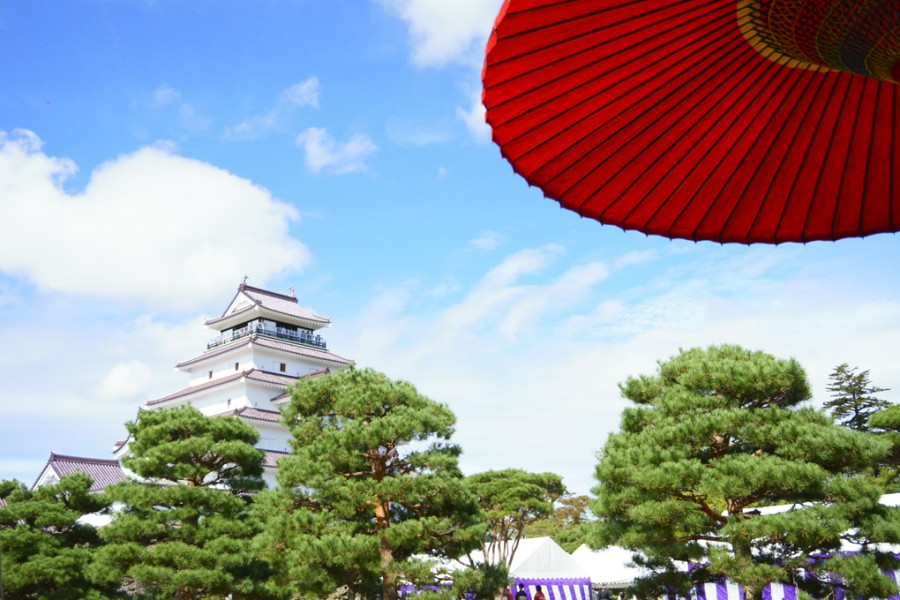
Tsurugajo Castle, also known as Aizu-Wakamatsu Castle, is arguably Tohoku’s most impressive castle. It's remembered for its role in Japan’s civil war, when it was one of the last remaining samurai strongholds. The castle was fully rebuilt in the 1960s and houses an interesting history museum within the keep. The grounds of Tsurugajo Castle are an excellent place to catch Tohoku’s cherry blossoms in mid-April, and the view from atop the outer walls is particularly impressive.

Tsurugajo Castle to Nanokamachi-dori Street takes 20 min by sightseeing loop bus, or 10 min by taxi.

View directions
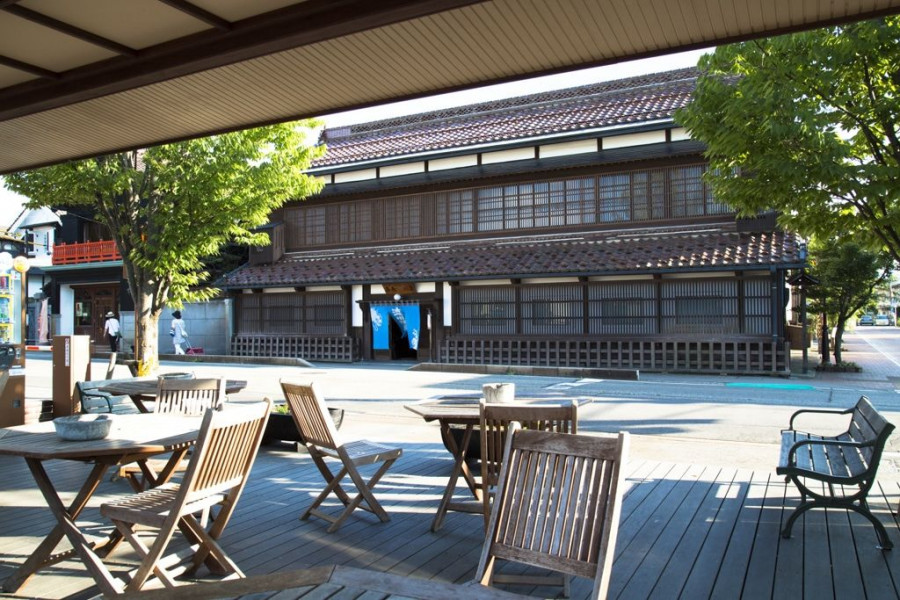
Nanokamachi-dori Street

  • Aizu Area
  • 60

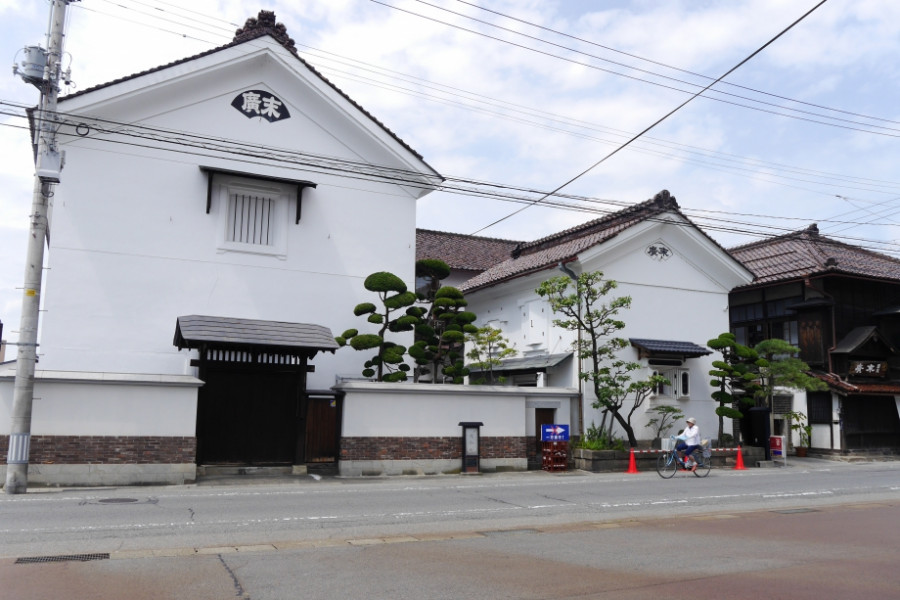
This historic street in Aizu-Wakamatsu City is known for its traditional buildings, local crafts, and Japanese antique goods. This is a highly recommended location for souvenir shopping (yukata, kimono, etc.) and for those looking to get involved, you can paint your own candles or lacquerware, both popular crafts in the region.

From Nanokamachi-dori Street, reach Higashiyama Onsen in 40 min by sightseeing loop bus, or around 15 min by taxi.

View directions
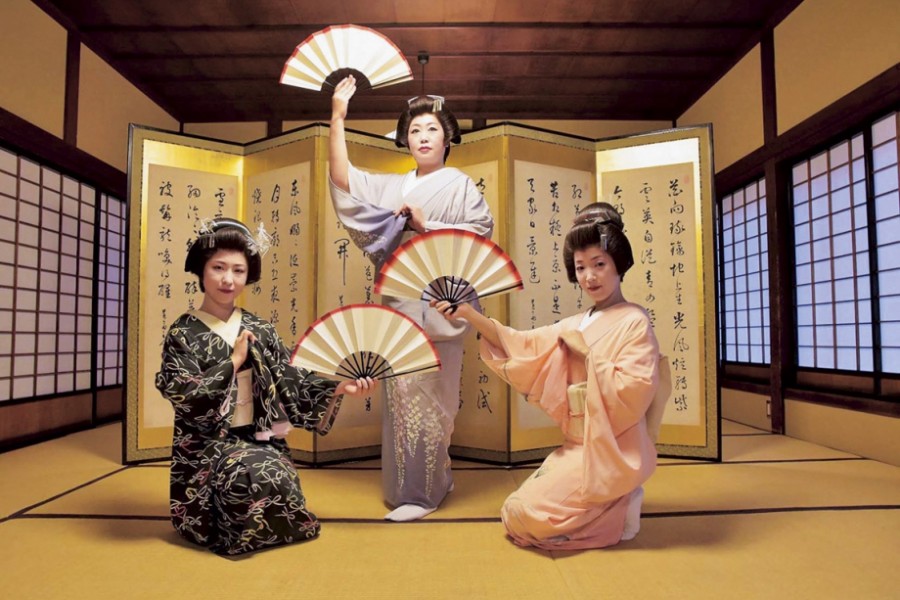
Harataki sits along the main road of the Higashiyama Onsen area.

View directions
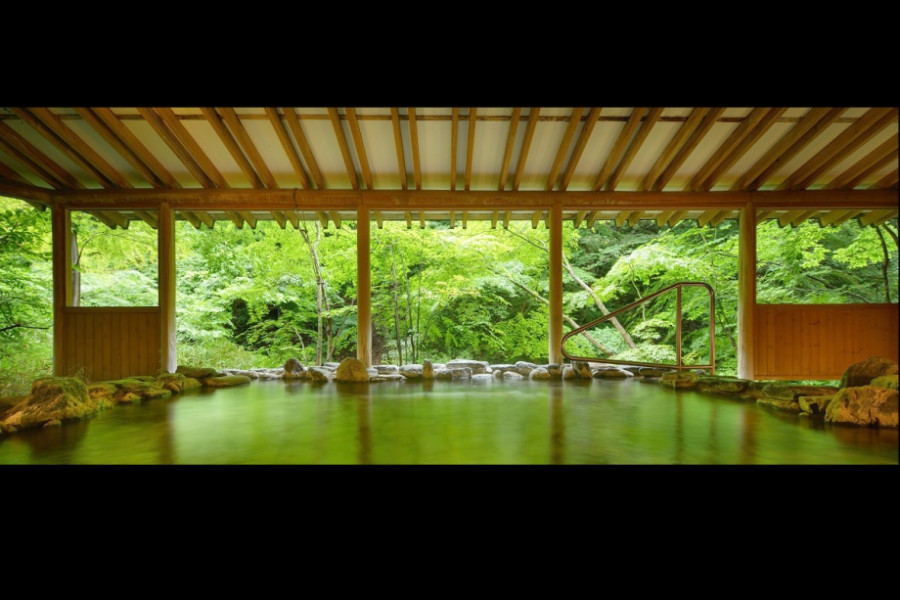
Harataki

  • Aizu Area

Take a bus from Higashiyama Onsen back to Aizu-Wakamatsu Sta. and travel to Yunokami Onsen Sta.; from there take the sightseeing bus to Ouchi-juku. The trips takes 2 hours.

View directions
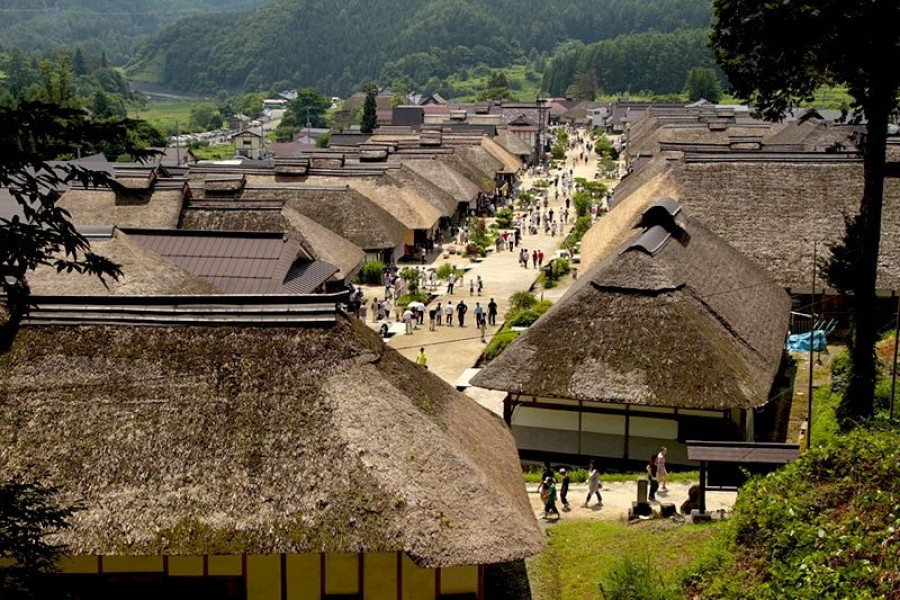
Ouchi-juku

  • Aizu Area
  • 90

Ouchi-juku’s rows of thatched-roof houses make up a rural backdrops that has been preserved since the Edo Period. Ouchi-juku Snow Festival takes place every February. Bright white snow falls and slowly builds up, as candles burn bright in snow lanterns, bathing the old post town in warm light.

Get back to Yunokami Onsen town from Ouchi-juku by bus (takes around 20 min).

View directions
Yunokami Onsen

  • Aizu Area
  • 30

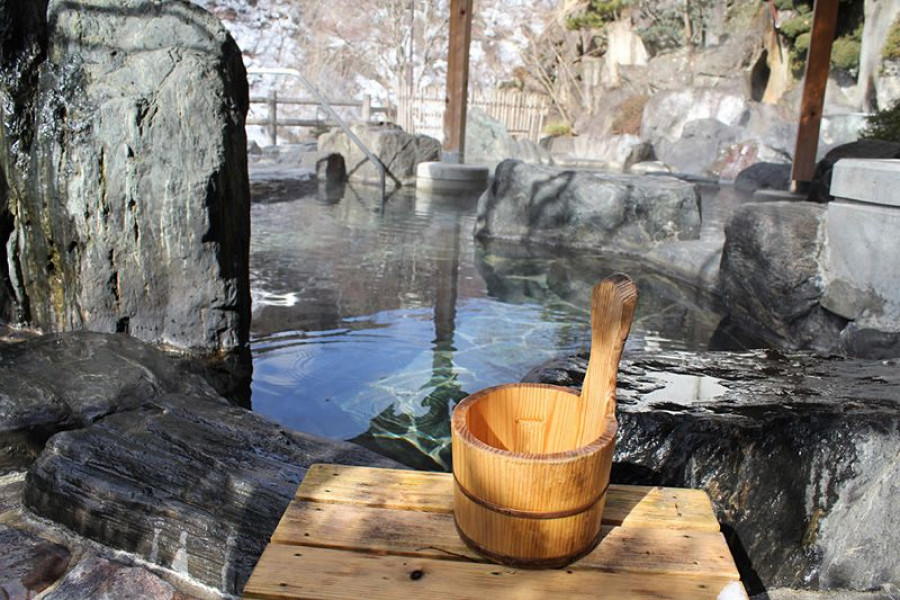
Yunokami Onsen is famous for having one of the only thatched roof station buildings in Japan. The hot spring area is fed from 8 source springs. Each ryokan (traditional Japanese inn) in the town draws its hot water directly from the source. The clear, transparent water is beloved for being soft and gentle on the skin.

It takes around 60 min to reach Aizu-Wakamatsu Sta. from Yunokami Onsen by train.

View directions
Finish

Aizu-Wakamatsu Station

Other Trips

Fukushima’s Revitalization Educational One-Day Trip
Culture

Fukushima’s Revitalization Educational One-Day Trip

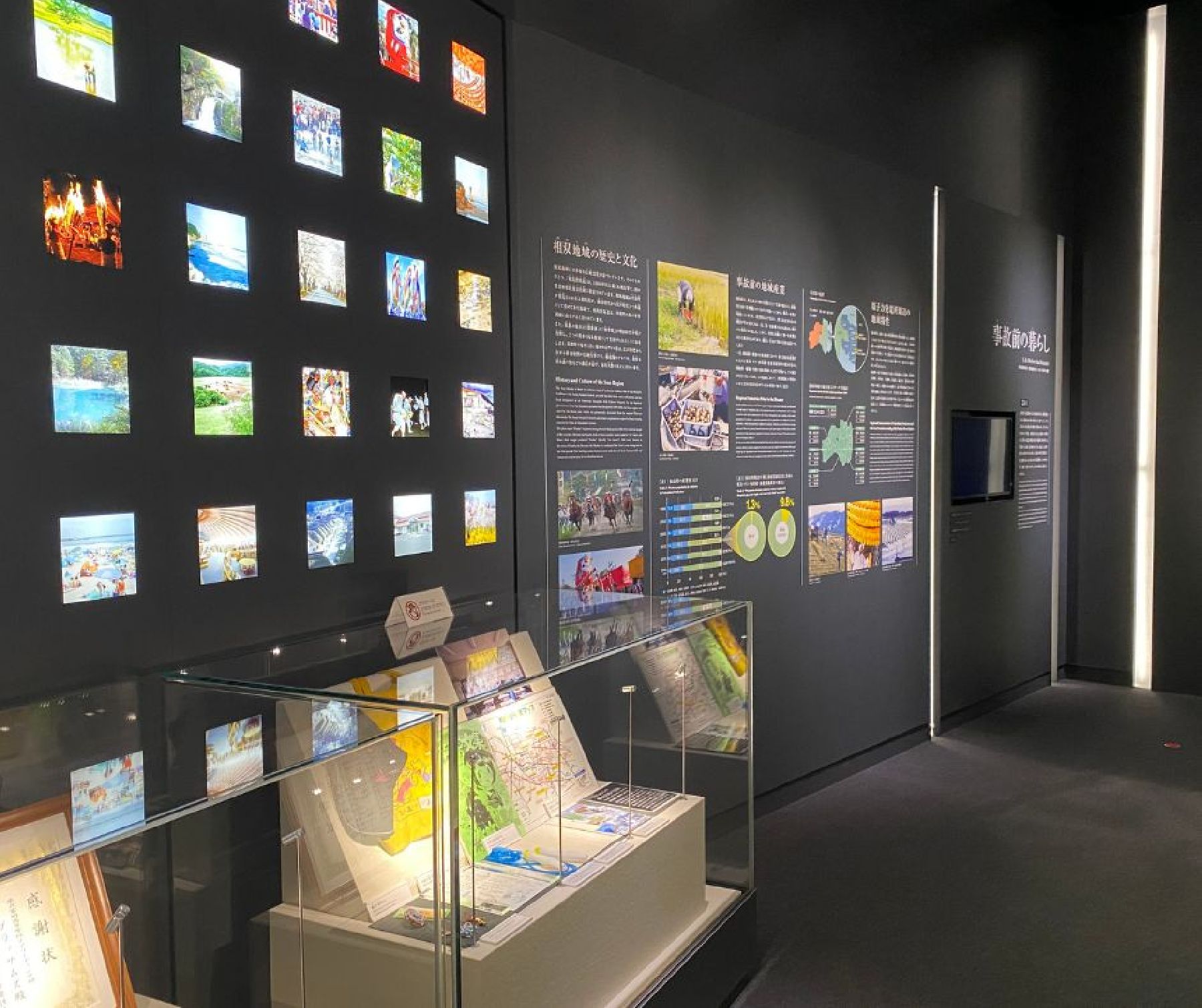
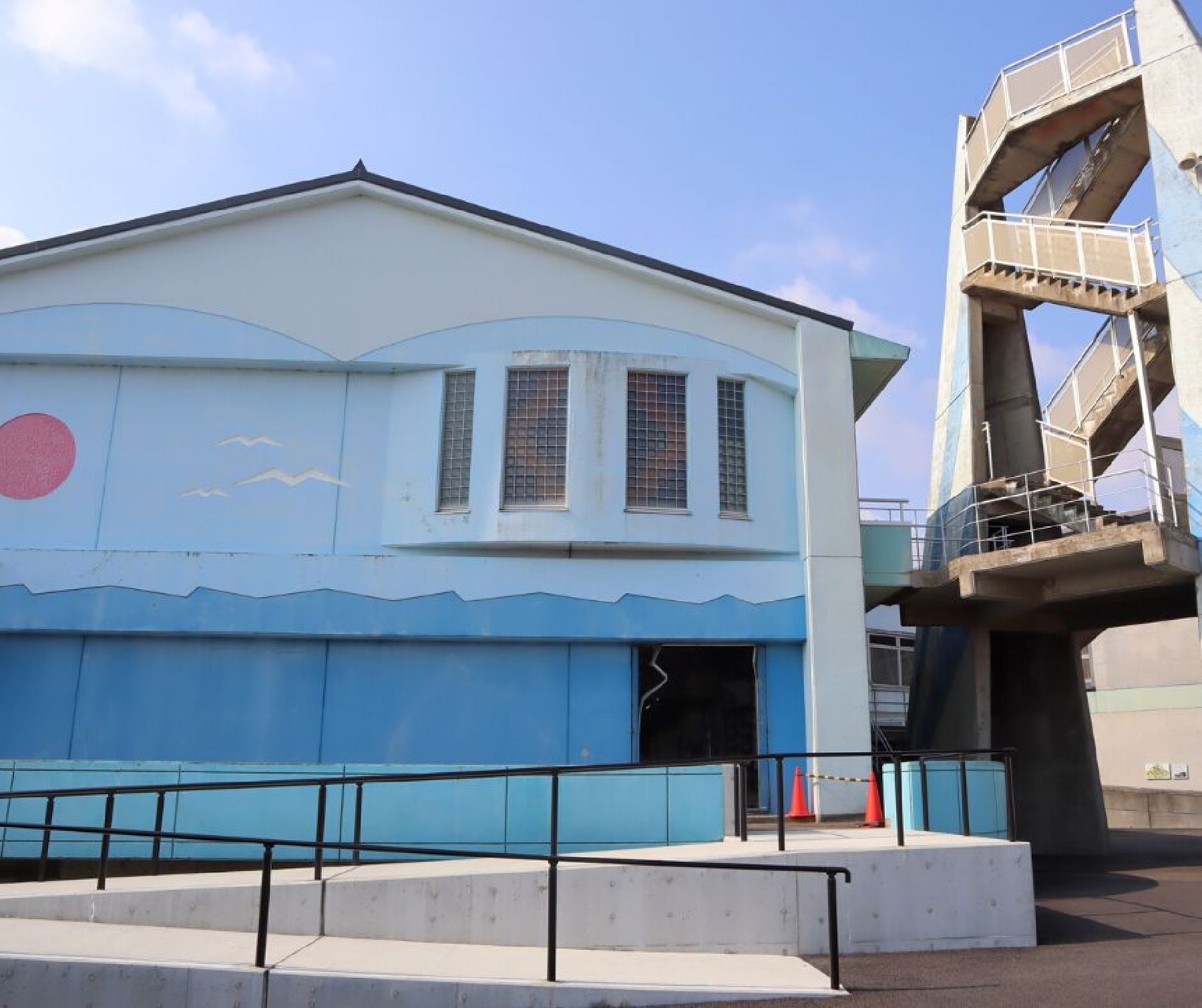
This is a model itinerary for visitors who would like to learn about Fukushima’s revitalization. The coastal area of Fukushima is the only place in the world to have survived a triple disaster: an earthquake, a tsunami and a nuclear disaster. Following extensive decontamination efforts and a great deal of demolition and reconstruction, several areas that were once designated as ‘difficult to return’ have started welcoming both residents and visitors again, with many residents eager to share their stories with the world. This itinerary centers on the towns of Futaba and Namie, both of which were severely affected by the earthquake, tsunami and nuclear accident in 2011.  The first stop is Futaba station and the surrounding Futaba Art District, a mural art initiative that pays homage to the residents and folk art of the town. From there, you’ll visit the Great East Japan Earthquake and Nuclear Disaster Memorial Museum, which has a detailed account of the area before, during, and after the disaster. At the museum, you’ll learn about the stories and testimonies of locals, as well as the plans and ideas for the future of Fukushima. The last stop is the remains of the Ukedo Elementary School in Namie town. Although the school building, located only 300 meters from the sea, sustained great damage from the tsunami, students, teachers and staff were able to evacuate from the school safely, for which it is known as a ‘miracle’ school.  This is a one-day itinerary, but we recommend staying somewhere in the coastal area of Fukushima after your visit.  

Top