TATAMI VILLAGE

TATAMI VILLAGE

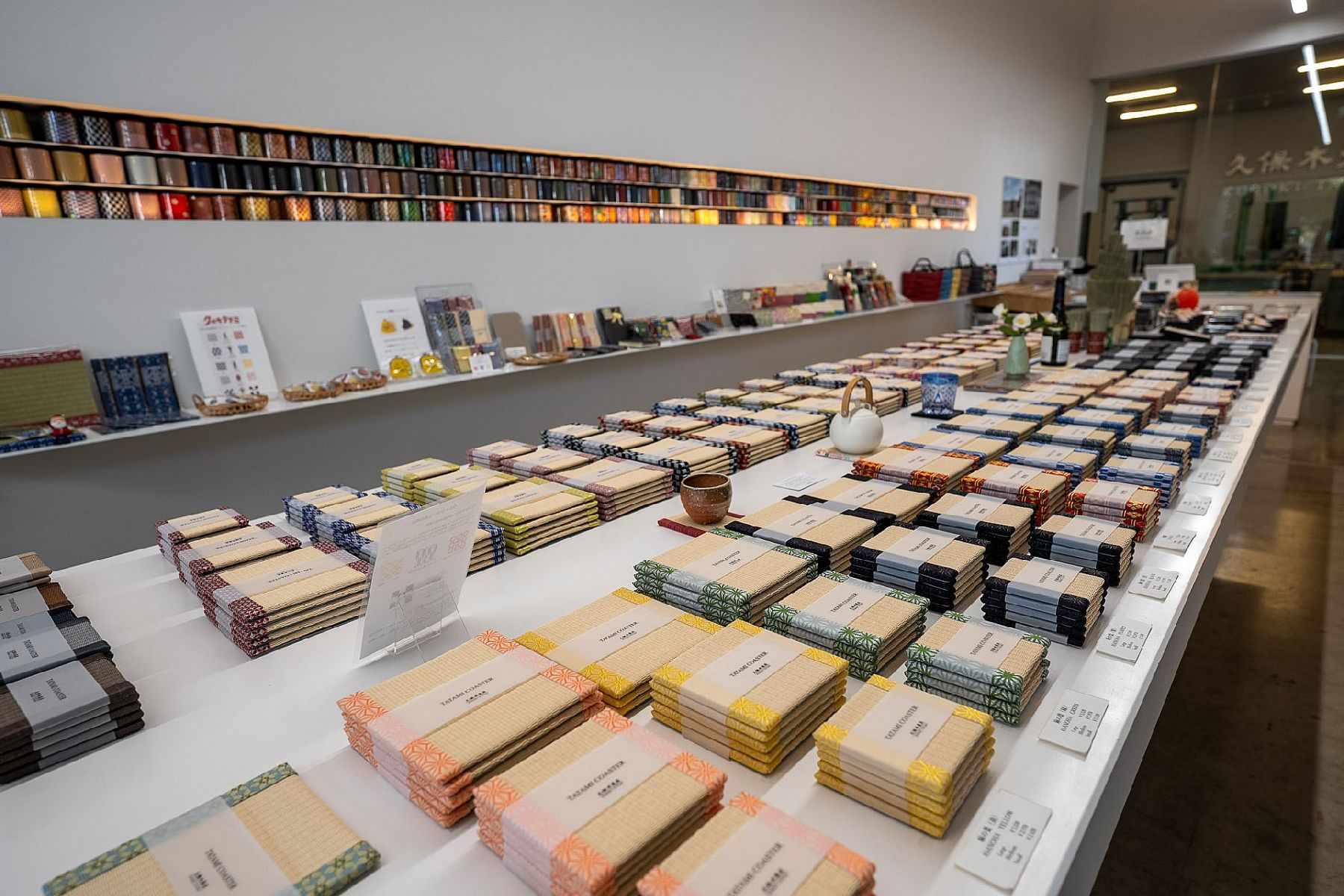
TATAMI VILLAGE (Kuboki Tatami Shop) is a shop, cafe, and workshop in Sukagawa City in Southern Fukushima prefecture. The Kuboki Tatami business was founded in 1740 in Sukagawa and is currently run by the 15th generation of the same family.

‘Tatami’ is a kind of woven mat made with rush grass frequently used as flooring in traditional Japanese-style rooms. Kuboki Tatami is not only dedicated to flooring, but also makes tatami coasters, smartphone mats, and accessories made with tatami-heri (a kind of ribbon used to fasten the sides of a tatami mat).

At Tatami Village, visitors can make a tatami coaster to take home as a souvenir (reservations here), with the experience and tour taking about an hour to ninety minutes. Additionally, the cafe on site serves matcha and seasonal sweets, and features a modern, bright space that uses tatami elegantly.

Venue Details

Venue Details
Websitehttps://tatami-jp.com/
Contact

Kuboki Tatami Village
0248-72-8989

Best SeasonAll Year
Opening Hours

10:00 a.m. - 5:00 p.m.

Closed: Tuesdays & Wednesdays

Access Details
Access55 Nakanomachi, Sukagawa, Fukushima 962-0852
View directions
Getting there

By train: Approx. 15 minutes walk from the JR Sukagawa Station (JR Tohoku Line)

By car: Approx. 30 minutes drive from Koriyama Station via Prefectural Road No. 54

Useful Links

Sukagawa City: Fireworks, Tatami, Fire Festivals & Sci-fi Heroes

Eiji Tsuburaya Museum

Nearby

The World Glassware Hall
Gourmet & Shopping

Fukushima Product Promotion Center

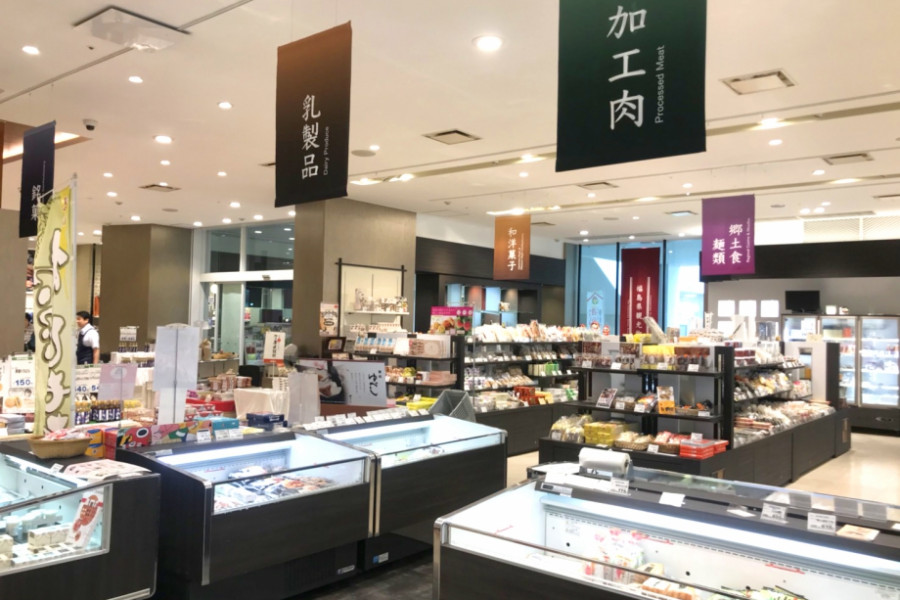
The Fukushima Product Promotion Center (also known as the ‘Bussankan’) is a short walk from the west exit of Fukushima Station and is the best spot to buy unique souvenirs from your trip to Fukushima.Enjoy a delicious lunch, and even do a sake tasting, at the Fukushima Lounge. All food and sake has been grown and produced locally in Fukushima.Browse locally-made items – which have been designed over generations in response to Fukushima’s rich history and culture, and have become representative of various areas of Fukushima Prefecture – displayed and sold in the ‘Local Products’ section.Great food, dried goods, local products and traditional crafts – the best from all over the prefecture can all be found at Fukushima Prefecture Souvenir Shop.As well as displaying and selling delicious local produce and locally-made folk crafts from a wide range of areas across the prefecture, the Fukushima Product Promotion Center also provides information on local products and sightseeing opportunities in Fukushima. Local artisans, farmers and performers also regularly visit the shop to display and sell their work.

The World Glassware Hall
Nature & Scenery

Mt. Azuma-Kofuji

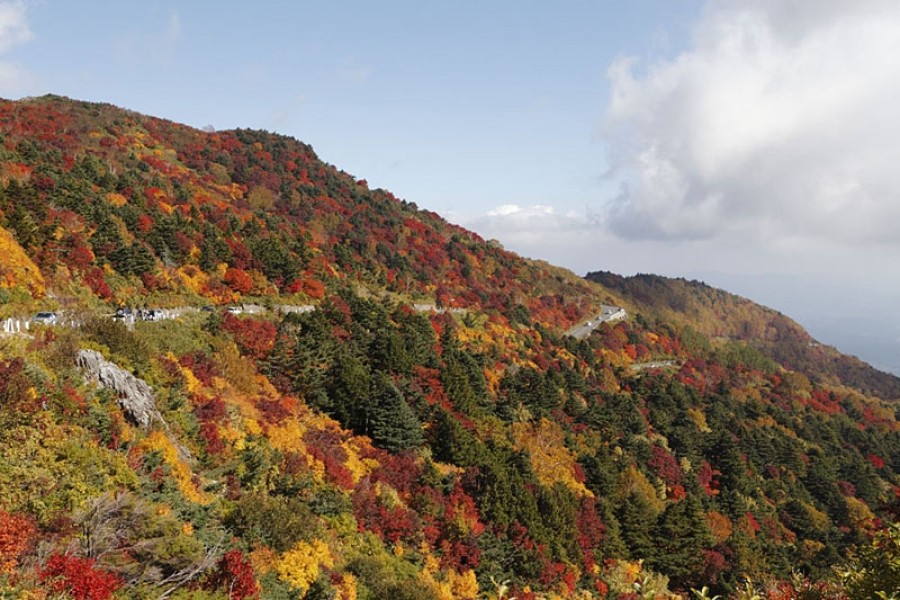
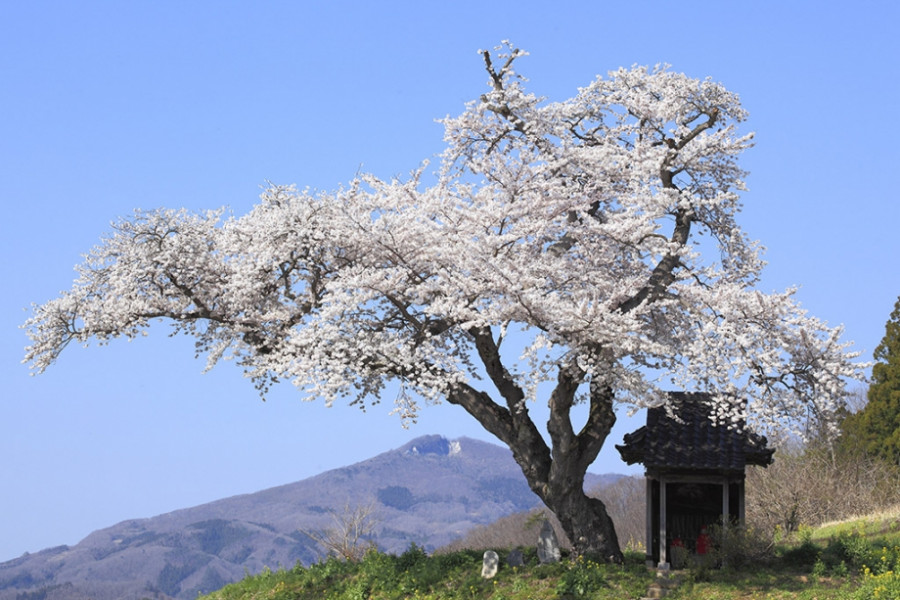
There is a special bus running from Fukushima Station to the Jododaira plateau while the mountain is open. Please visit the Jododaira Sky Access page for more details.Jododaira and the Bandai-Azuma Skyline mountain road are open from April 21, 2026.Every year in spring, as the snow melts away, it leaves behind the shape of a giant white rabbit on the side of Mt. Azuma-Kofuji. This is called the “seeding rabbit”, and it signals to the people of Fukushima that the farming season has come.From April to November each year, you can experience the beauty of the awe-inspiring natural landscape of Mt. Azuma-Kofuji.Mt. Azuma-Kofuji is an active volcano with an appealing symmetry to it and a soft conical shape; because of these classic features, it was named Kofuji ('little Fuji'), after the iconic Japanese mountain.Thanks to its volcanic ground, the area has given birth to many nearby onsen areas perfect for relaxing, such as Tsuchiyu Onsen and Takayu Onsen.Mt. Azuma-Kofuji is a great destination for those who decide to drive through the area as the Bandai-Azuma Skyline happens to pass just below the crater of Mt. Azuma-Kofuji. Along the roadway is the Jododaira Visitor Center, which offers visitors a place to park, rest up, get a snack, and maybe even buy souvenirs. It is the perfect spot to take a break and explore one of the many short hiking routes to stretch out your muscles after a long car ride. From there, it is just a short hike up to the crater, and there are plenty of other great trails. Circle the crater of Mt. Azuma-Kofuji on a relaxed 40-minute walk and—if you are lucky—enjoy gorgeous views of Fukushima City, Mt. Bandai, and the Urabandai area. But do watch your step as the ground can be uneven and even slippery on grey days. The mountain is open from spring to autumn every year.

You might also like

Michi-no-Eki Fukushima (Roadside Stop)
Gourmet & Shopping

Michi-no-Eki Fukushima (Roadside Stop)

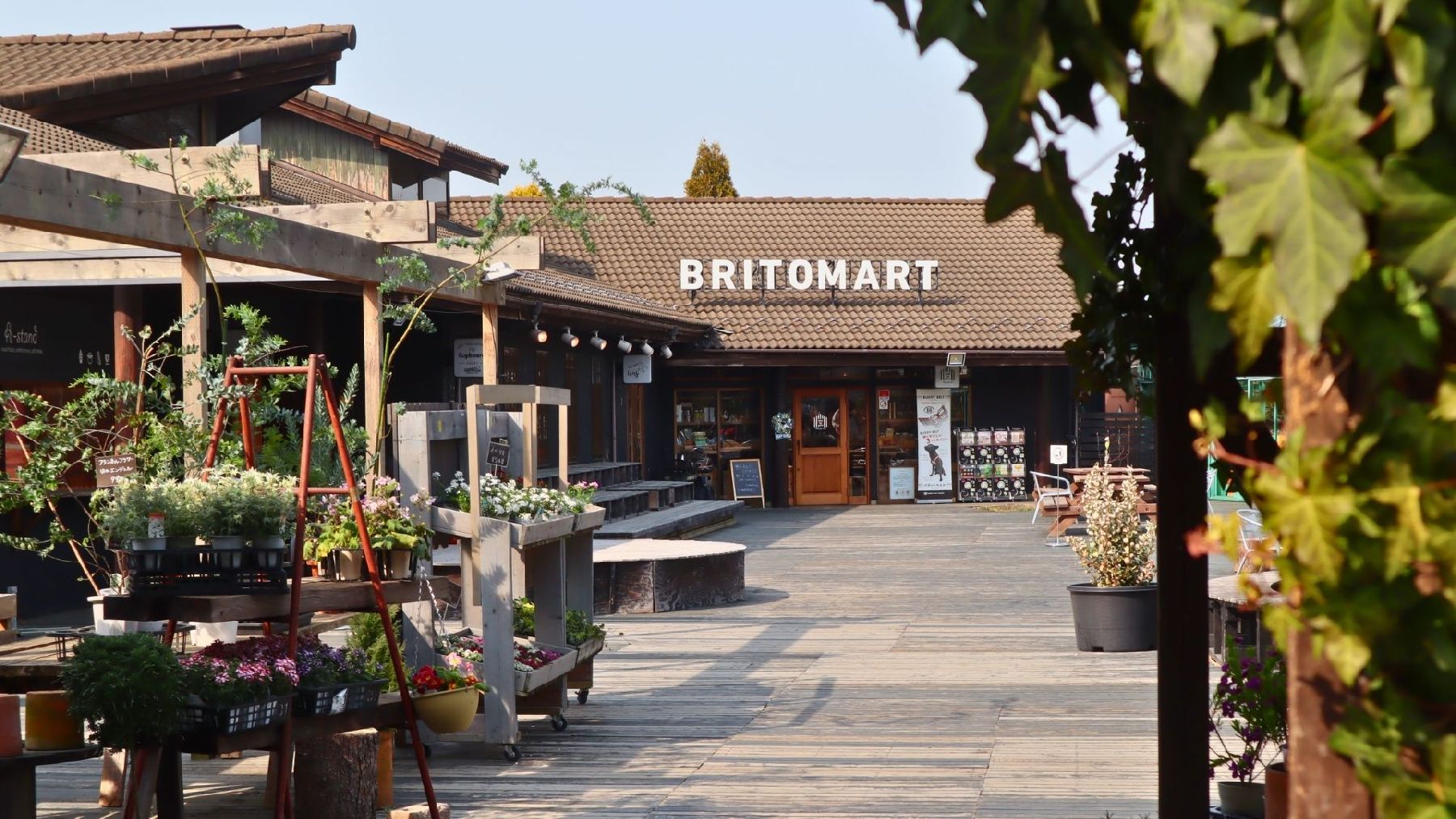
Newly opened in 2022, Michi-no-Eki Fukushima (道の駅ふくしま)is a great place to buy local produce, souvenirs, and eat delicious Fukushima foods! Or even just to pause for a break along your road trip.It is located near the Fukushima Fruit line, so you’ll find a good assortment of delicious fresh fruit on display. You can also go fruit-picking to the nearby orchards using the rental bicycles available.Click here for more information on fruit picking in Fukushima!There is a dog park and an indoor play area for children called Momo Rabi Kids Park, which has many cute wooden toys and structures for children to play at as well as an indoor sandpit.We recommend trying the unusual ice-cream flavors at ‘yukiusagi’, a sweets shop that sells delicious parfaits and desserts using local produce. They sell rice-flavored ice-cream, as well as a special flavor called “Fukushima’s Sky Milk”(ふくしまの空ミルク), which has a salty milk flavor! 

Kunitaya Miso Factory
Gourmet & Shopping

Kunitaya Miso Factory

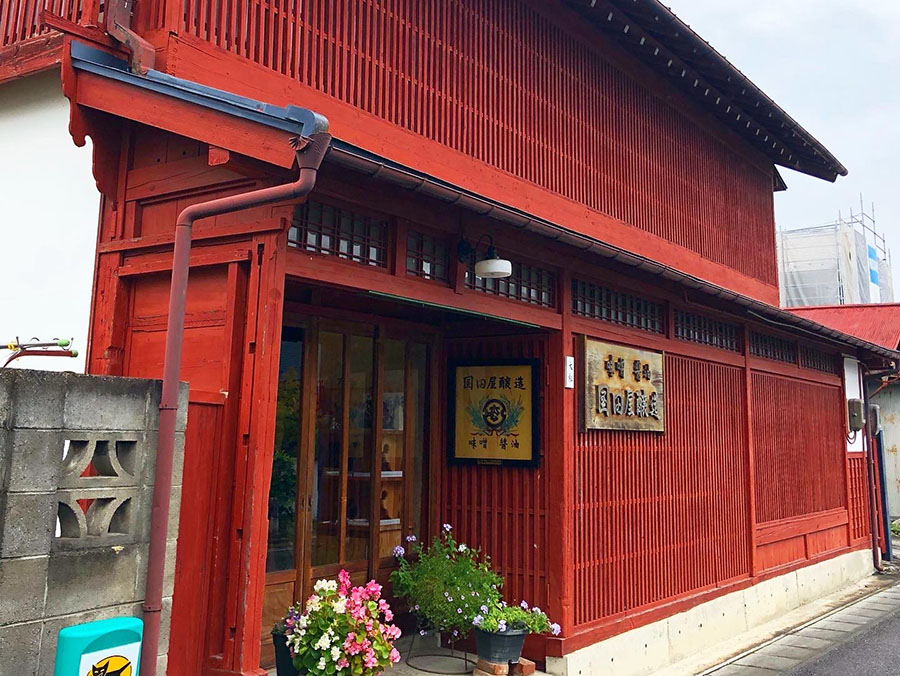
The Kunitaya Miso Factory is a small shop that was founded in 1777 to produce miso paste for the local community. Miso is one of the most (if not the most) popular flavor for foods in Japan. Many people drink miso flavored soup at least once a day and it isn’t uncommon to find miso soup present in every meal of the day. Before grocery stores and convenience stores were as widespread as they are today, people would go to their neighborhood miso shops to source this kitchen staple Today, many of these small shops have disappeared, however at Kunitaya Miso Factory, the owners want to preserve their small business and the unique culture of small batch local miso makers.The small scale operation allows for more freedom and diversity in flavors. At the café next door, “Kura Café,” you can try different variations and flavors of the miso that they produce at the Kunitaya Miso Factory.The brewery is housed in an old fashioned Japanese ware-house style building with a red lattice front. Years ago, during festivals, the red lattice front was removed to make the building more open to the street and the public. If you are interested in getting a more in depth experience, consider joining a tour of the brewery! Contact us if you are interested.

Niida Honke Sake Brewery
Gourmet & Shopping

Niida Honke Sake Brewery

Located in the sleepy village of Tamura-machi, and surrounded by sprawling rice fields is the Niida-Honke brewery. Since its founding in 1711, Niida Honke has seen eighteen generations of head brewers, each bringing their own personality and subtle changes to the company and its sake. The current head brewer is Yasuhiko Niida, an incredibly nice person with an awe inspiring passion for making Sake.Under Mr. Niida’s supervision, Niida Honke has seen many changes. In 2011 the brewery celebrated its 300th anniversary and the achievement of using 100% natural rice in its brewing process. Unfortunately, this was the same year as the Great East Japan Earthquake and the following nuclear disaster. Despite the difficulties, Niida Honke worked hard to return the health of the rice fields.After the fields were cleaned and returned to their healthy status, a decision was made to move the company into a more sustainable and natural direction with the goal of creating its sake with 100% natural and organic ingredients. They currently grow much of the rice used to create their sake in the fields that surround the brewery. Working with local farmers to create healthy, high quality rice that is grown without the use of pesticides or harmful chemicals.In the future Niida Honke aims to brew all of its sake in natural wooden tanks, switch entirely to solar power, and grow 100% of its own rice. For each bottle that you buy, Niida Honke takes one step closer to these goals.Read more about the sake brewing process at Niida Honke!

Himonoya Sake Brewery
Gourmet & Shopping

Himonoya Sake Brewery

Fukushima’s sake is renowned across Japan, and Nihonmatsu is known in particular as a region with great sake production and high-grade sake producers. Using water from Mt. Adatara, the sake of the area is characterized by a mellow taste and is popular with sake lovers around the world. Himonoya Sake Brewery was established in 1874 and specializes in Senkonari sake; Senkonari is named after the battle standard "Sennari Hyotan (1000 Gourds)" of Toyotomi Hideyoshi, the famous military leader and one of the great unifiers of Japan.The sake at Himonoya is a local secret that many outsiders, even Japanese, don’t know about. To get real sake-brewing experience, be sure to visit on a winter morning, when the sake brewing art begins and most of the day’s tasks are performed. Because Himonoya Sake Brewery operates in a traditional and artisanal manner, it only makes sake during the winter season (a centuries-old rule). The tours and sake tasting offered at this old-fashioned brewery are available by reservation and are a treat to anyone with a taste for Japanese sake, or Nihonshu. These sake brewery tours are free for groups of one to ten people and take only 30 minutes to experience the brewing process. Guests should be legal Japanese drinking age (20 years of age or older) in order to enjoy the free tasting. There are four types of sake to be sampled along the tour - Kinpyo is the most highly recommended, with its sweet aftertaste making it an excellent match for Japanese snacks.

Top