Inawashiro Ski Resort

Inawashiro Ski Resort

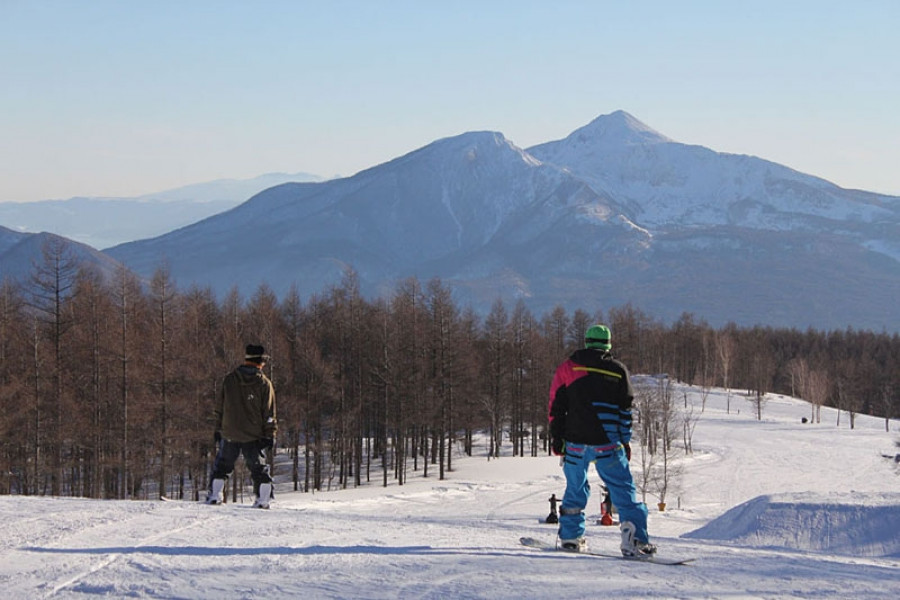
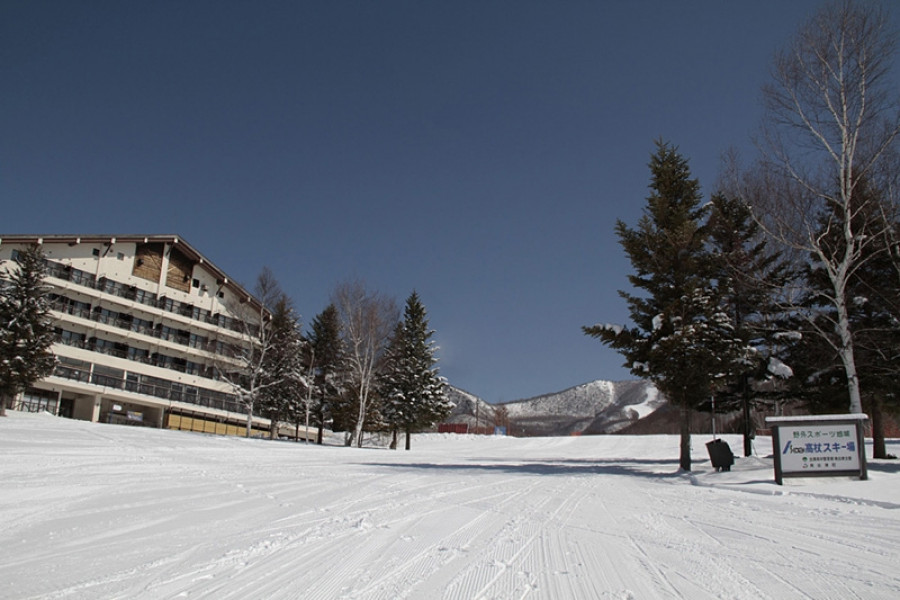
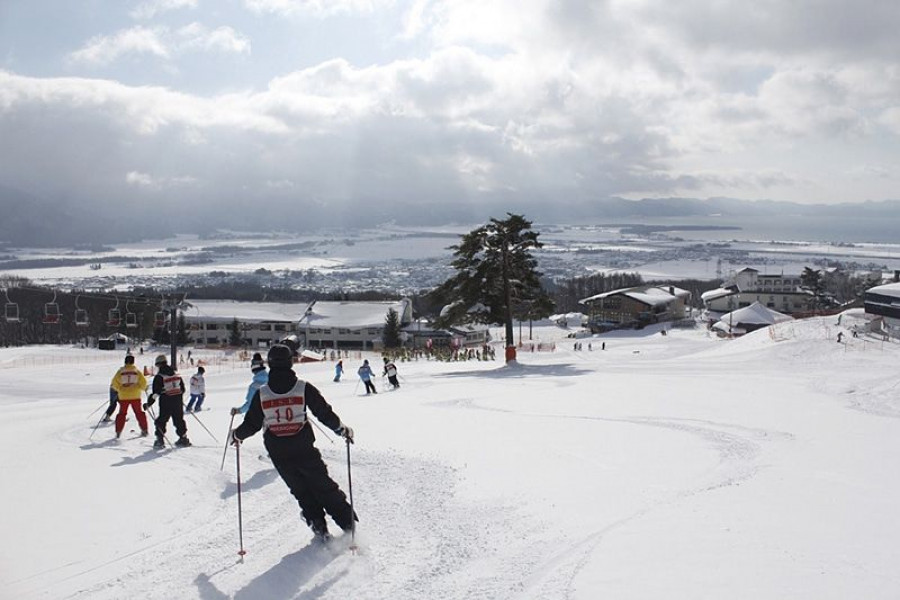
Inawashiro Snow Paradise offers 17 courses across 2 expansive areas, each tailored around a different skiing style. Its convenient access is also a major draw for tourists.

The resort is well-known for being free on weekdays, with half price tickets (2,800 yen for an adult, 1,400 yen for elementary school students) on weekends. This is available via a free membership program where guests sign up using a QR code. The process takes roughly 10 minutes. This allows guests to experience high-quality skiing while saving money on lift tickets.

Venue Details

Venue Details
Websitehttps://www.inawashiro-ski.com/?locale=en
Contact

Inawashiro Ski Resort

(+81) 242-62-5100

Best Season
  • Spring
  • Winter
ParkingFree
Related infoGeneral Information:

Season: Dec. - Mar.

No. of Courses: 18

No. of Lifts: 8

Longest run: 3550 m

Vertical drop: 580 m

Height at the Summit: 1255 m


Difficulty Levels of Slopes
50% Beginner; 35% Intermediate; 15% Advanced


Aizu Ski page on Inawashiro:
https://aizuski.jp/blog/resorts/inawashiro/
Access Details
AccessHayama 7105, Inawashiro Town, Yama District, Fukushima Pref. 969-3102
View directions
Getting there

By Car: 10 min from the Inawashiro-Bandaikogen I.C. exit off the Ban-etsu Expressway

By Train: 15 min by shuttle bus (or taxi) from Inawashiro Station on the JR Ban-etsu West Line

Mapcode for Car GPS: 413 266 622*76

Nearby

The World Glassware Hall
Cultural Experiences

Aizu Hongo Pottery Workshops

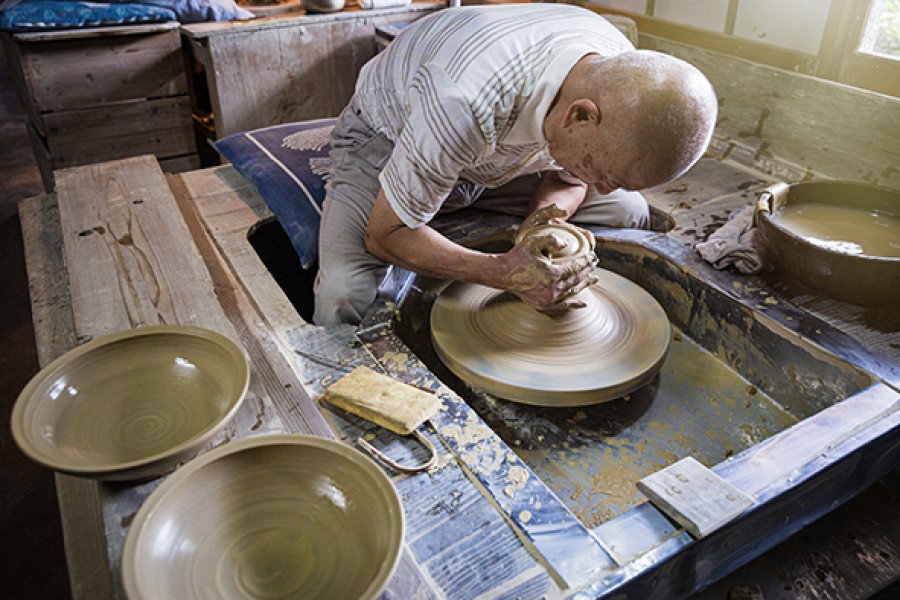
A little-known treasure, Aizu Hongo pottery (known in Japanese as 'hongo-yaki') is the oldest type of pottery in the Tohoku region. Aizu Hongo pottery's history dates back to the Warring States Period (1467 – 1615), when Ujisato Gamo, leader of the Aizu clan, ordered renovations be made to Tsurugajo Castle. The production of ceramic tiles for the castle roof kick-started the tradition of making pottery in Aizu-Misato Town. During the early 1600s, Masayuki Hoshina (who founded the Matsudaira house) invited ceramic craftsmen to Aizu-Misato from Owari - a region famous for its pottery - in order to increase the skills of locals.It was from this time that Aizu Hongo-yaki production began in earnest. At the peak of its popularity, there were more than 100 potteries in the town. There are currently 13 left, which are centered around Setomachi in Aizu-Misato. The rich variety of wares produced from workshop to workshop is just one of the fascinating things about visiting the area. Aizu-Misato Town is also known for the area's unusual ability to produce both great-quality earthenware and delicate porcelain.Please enjoy taking a look around the various shops, workshops, and kilns, and try making pottery for yourself!
The World Glassware Hall
Cultural Experiences

Paint Your Own Akabeko

Bookings for the akabeko painting can be made on the official reservation page.What is 'Akabeko'?The akabeko legend started at Enzoji Temple in Yanaizu Town, in the Aizu region. The construction of this temple began in the year 807, but due to a huge earthquake at the end of the seventeenth century, it had to be repaired in 1617. It was during the reconstruction of the temple that the akabeko became a folk legend.It is said that moving the wood and other supplies necessary for the reconstruction work was incredibly difficult because materials had to be transported from various villages upstream of the Tadami River. The materials were heavy and the journey to the temple was long. Cattle were used to transport materials, but many struggled to bear their loads.Then, out of nowhere, appeared a cow with a red coat. (It should be noted that, in the past, the word ‘red’ was used to describe the color ‘brown’, so it is likely that it was a brown cow.) The red cow supported the other cows and helped the priests who were constructing the temple until it was completed. Then, it suddenly vanished.'Akabeko' means 'red cow' in the local dialect.A number of statues of the cow were built inside the temple grounds so that the people of Yanaizu could express their gratitude to the akabeko.In the years following, there was a range of legends about the akabeko, with stories such as families who owned akabeko being rid of sickness upon stroking the cows. They continued to hold their status of bringers of good luck and strength. Families bought or made akabeko toys for their young children to play with.Akabeko Painting ExperiencesIn recent history, the Aizu tradition of painting akabeko began. It is said that this tradition started as something to do for children visiting Aizu-Wakamatsu City as part of school trips. This was when the story of the Akabeko evolved once more, into its newest papier-mâché form. The stripes on the face and back of the papier-mâché Akabeko are said to represent strength and perseverance.There are a number of workshops in Aizu-Wakamatsu City where you can paint your own Akabeko. Most workshops offer the standard red, white, and black paint. These talismans for good health make very cute and lightweight souvenirs to take home for family and friends – or keep for yourself! Those who prefer to buy a ready-painted Akabeko will be able to find it at most souvenir shops.BookingIf you would like to book an akabeko painting experience at the Tsurugajo Kaikan (a shopping complex located next to Tsurugajo Castle), please access this page.

The World Glassware Hall
Cultural Experiences

Chinkin Taiken (Sunken-Gold Design Experience)

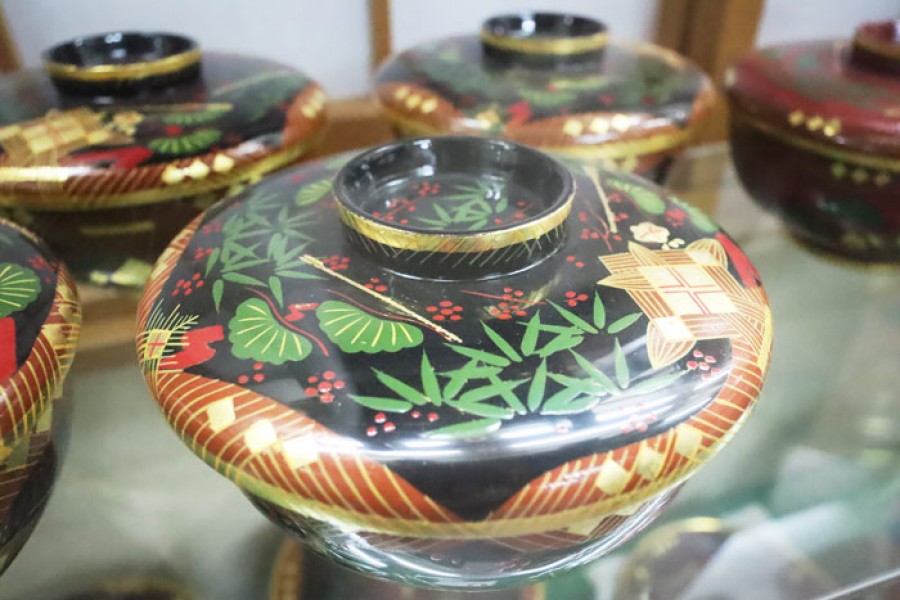
The Tradition of Aizu lacquerware in Fukushima Prefecture has continued for 400 years. Try out creating a design on Aizu Lacquerware with a technique called Chinkin ("Sunken-gold") at Tsunoda Lacquer Art Studio. Sketch your design on tracing paper, and then mark it onto the lacqerware with a needle. Tsunoda san will help you fill the grooves created by your needle with gold and silver powder to create your design. Alternatively, try painting your own design on Aizu lacquerware at the studio. Either experience will create a great souvenir of your trip in Japan. These experiences take about an hour.

You might also like

Listel Ski Fantasia
Snow Activities

Listel Ski Fantasia

Despite its modest size, Listel Ski Fantasia - located within the grounds of Hotel Listel Inawashiro - has been a FIS Freestyle Ski World Cup host since 1988, and was chosen as the mogul and aerial venue for the 2009 FIS Freestyle World Championship.Listel Ski Fantasia's main ski slope has an average gradient of 8 degrees, making it popular with beginners and family skiers. The "Kids' Land" ski area for children, onsite nursing rooms, and ski lessons available for children, make Listel Ski Fantasia a great choice for families.  

Ashinomaki Snow Park
Snow Activities

Ashinomaki Snow Park

Ashinomaki Snow Park is a great place to experience Fukushima's fluffy snow with the whole family. The snow park is set in a picturesque field that is bordered by a lovely forest and river.Activities such as snowmobile driving, banana boat riding, tubing, snowball fights are all possible here! You can even hang out in Japanese igloos -- or “kamakura” -- and roast mochi over a fire. Riding on the banana boat and being pulled in snow boats are especially popular activities at the snow park. It's also a popular destination for snowy photoshoots!If you want to visit on a weekday, reservations must be made by 5:00 p.m. the day before. For weekend visitors, no reservation is required.Dates of operation are dependent on snowfall;  in general, dates are roughly mid-to-late January until late February. Please be aware that prices are subject to change.

Smelt Ice Fishing
Snow Activities

Smelt Ice Fishing

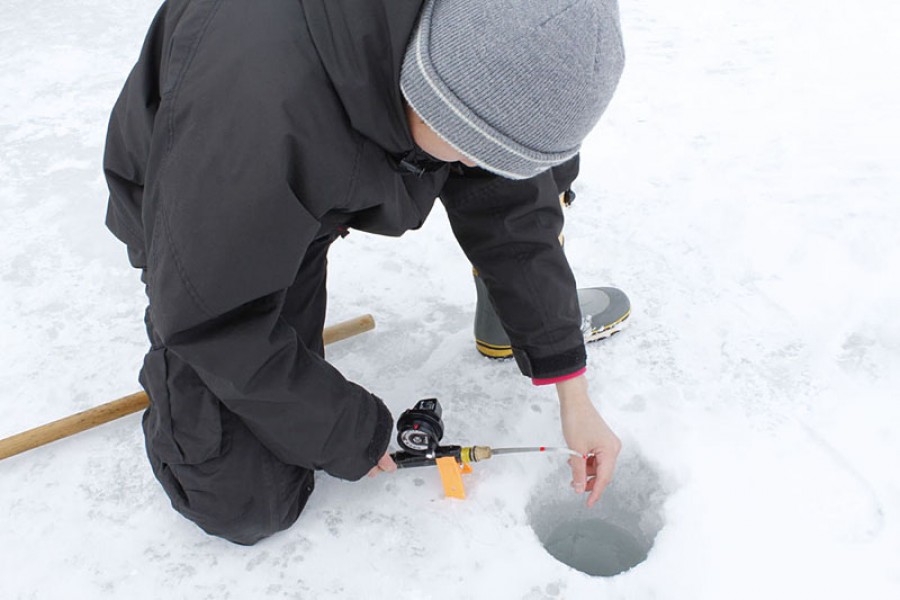
Come be surrounded by Mother Nature, enjoy ice fishing, and eat delicious, fresh smelt in Urabandai!During November and December, smelt fishing is done from on board a traditional Japanese houseboat. From January through March, it can be enjoyed atop the ice. The houseboats and the rental houses available for ice fishing allow you to fish in warmth and comfort. A one-day, 700 fishing permit is required and can be purchased at convenience stores in Urabandai. For information about smelt fishing, please contact the Urabandai Tourism Association.

Top