Aizu Gourmet Day Tour

  • 3 destinations
  • One Day

Bring an empty stomach to this one-day tour of Aizu cuisine and drink! This wonderful tour can be enjoyed any time of the year, making it an exceptional choice to add into your existing travel plans for the area. Travel by train, local bus, and taxi to reach your destinations and let your appetite lead you to your goal! How many new foods will be added to your favorites?

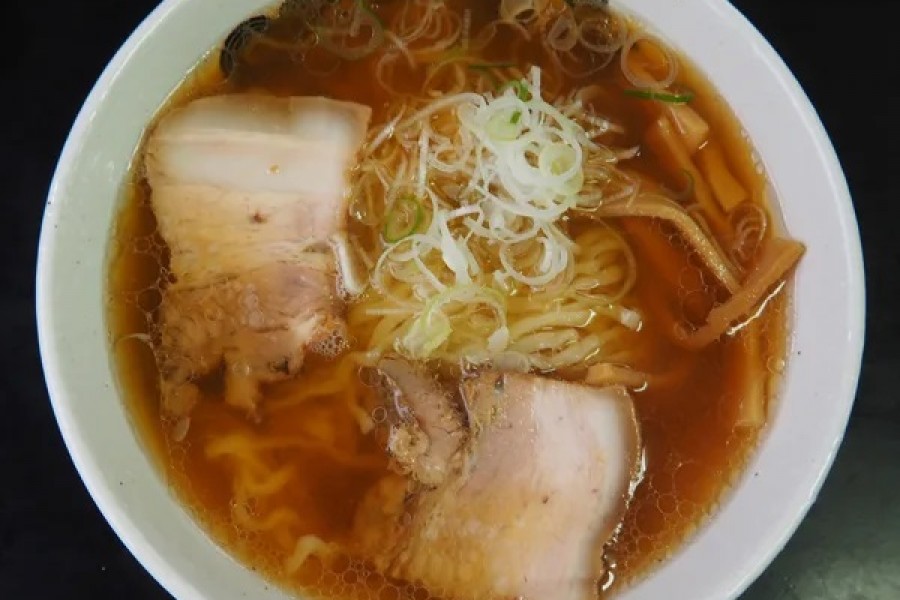
Leave from Kitakata Station to try Fukushima’s famous Kitakata ramen for an early lunch at the popular Shokudo Hasegawa. The gentle flavor of the broth lends itself especially well to the ramen’s toppings and the texture of the homemade noodles. Kitakata Ramen is one of the most famous types of ramen in Japan, and Kitakata City is crowded with shops and diners, with Hasegawa being a popular spot to dine!

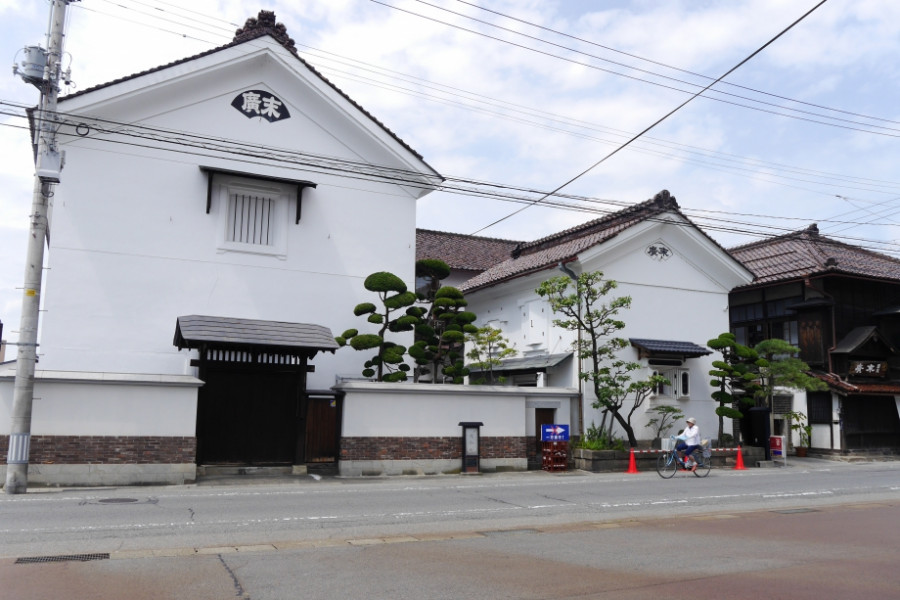
From there, travel to Aizu-Wakamatsu Station, where you will have easy access to many of the most wonderful sightseeing spots of the region—but you’re here for food and drink! You’ll go on to Suehiro Sake Brewery where you can learn how the drink is made and—at the end of the tour—enjoy a wide variety of free samples (so long as you aren’t driving). 

Finally, head over to Mitsutaya and treat yourself to some of their delicious hearth-roasted skewers. The flavors will melt in your mouth and warm you up should it prove a cold day. Finish off back at Aizu-Wakamatsu Station with a full stomach and plenty of memories.

Start

Kitakata Station

From Kitakata Sta., get to Shokudo Hasegawa in 10 min by taxi (or 30 min by local bus).

View directions
Shokudo Hasegawa

  • Aizu Area
  • 60

This ramen shop has the characteristically simple flavors of Kitakata Ramen with their curly noodles. The Shokudo Hasegawa is one of the oldest ramen shops in Kitakata City. They use an original plump curly noodle with a satisfactory broth with flavors including soy sauce, salt, miso, and spicy miso.

From Shokudo Hasegawa, take a taxi for 10 min to Kitakata Sta. From there, take the Ban-etsu West Line to Aizu-Wakamatsu Sta. (15 min). From Aizu-Wakamatsu Sta., take a taxi for 10 min to Suehiro Sake Brewery. (Or drive there in 35 min)

View directions
Suehiro Sake Brewery Kaeigura

  • Aizu Area
  • 60

Come observe sake brewing at Suehiro Sake Brewery, established in 1850. This experience is highly recommended. After you’ve gained an understanding of nihonshu (Japanese sake) from their experts, you’ll be able to apply your new knowledge at a tasting and select your souvenirs.

Mitsutaya is a 3 min from Suehiro Sake Brewery.

View directions
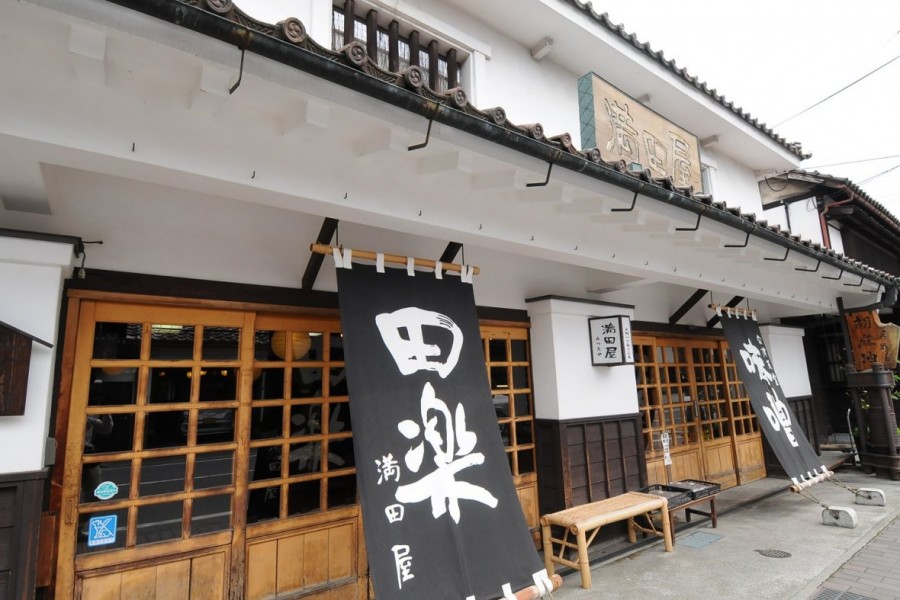
Mitsutaya

  • Aizu Area
  • 60

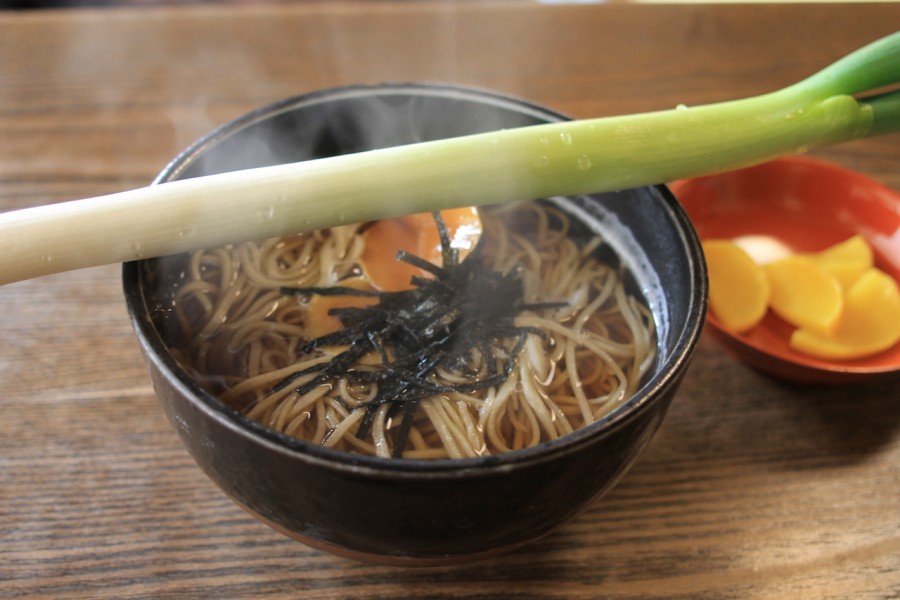
Mitsutaya is a speciality shop with roots starting from the end of the Edo Period (around 1835). The store interior is a renovated miso storehouse, which gives you the opportunity to enjoy a local Aizu meal called 'Miso Dengaku'. This is a deeply desirable meal taken simply by a charcoal hearth. Each skewer is cooked one at a time, with delicious foods like konjac, deep-fried tofu, round mochi, and a speciality called 'Shingoro Mochi' on the ends. Each is coated in miso for an unforgettable and savory flavor.

Reach Aizu-Wakamatsu Sta. in 8 min by taxi.

View directions
Finish

Aizu-Wakamatsu Station

Other Trips

Fukushima’s Revitalization Educational One-Day Trip
Culture

Fukushima’s Revitalization Educational One-Day Trip

This is a model itinerary for visitors who would like to learn about Fukushima’s revitalization. The coastal area of Fukushima is the only place in the world to have survived a triple disaster: an earthquake, a tsunami and a nuclear disaster. Following extensive decontamination efforts and a great deal of demolition and reconstruction, several areas that were once designated as ‘difficult to return’ have started welcoming both residents and visitors again, with many residents eager to share their stories with the world. This itinerary centers on the towns of Futaba and Namie, both of which were severely affected by the earthquake, tsunami and nuclear accident in 2011.  The first stop is Futaba station and the surrounding Futaba Art District, a mural art initiative that pays homage to the residents and folk art of the town. From there, you’ll visit the Great East Japan Earthquake and Nuclear Disaster Memorial Museum, which has a detailed account of the area before, during, and after the disaster. At the museum, you’ll learn about the stories and testimonies of locals, as well as the plans and ideas for the future of Fukushima. The last stop is the remains of the Ukedo Elementary School in Namie town. Although the school building, located only 300 meters from the sea, sustained great damage from the tsunami, students, teachers and staff were able to evacuate from the school safely, for which it is known as a ‘miracle’ school.  This is a one-day itinerary, but we recommend staying somewhere in the coastal area of Fukushima after your visit.  

Top