Oku-Aizu Area Day Trip

  • 5 destinations
  • One Day

This one-day trip in Oku-Aizu departs from Aizu-Wakamatsu Station, and features a visit to the No.1 Tadami River Bridge View Point and Enzoji Temple, so you can enjoy a full day out in Oku-Aizu! 


Please note, the times below are correct as of the December 2022 Tadami Line timetable. See here for more information about visiting the No. 1 Tadami River Bridge View Point.

Start

Aizu-Wakamatsu Station

Take the 6:08 AM JR Tadami Line train departing from Aizu-Wakamatsu Sta. and get off at Aizu-Miyashita Sta. (arrival at 7:38). From Aizu-Miyashita Sta., take the 8:10 AM commuter bus to Michi-no-Eki Ozekaido Mishima-juku (The commuter bus doesn’t run on Sundays or Japanese National Holidays).

View directions
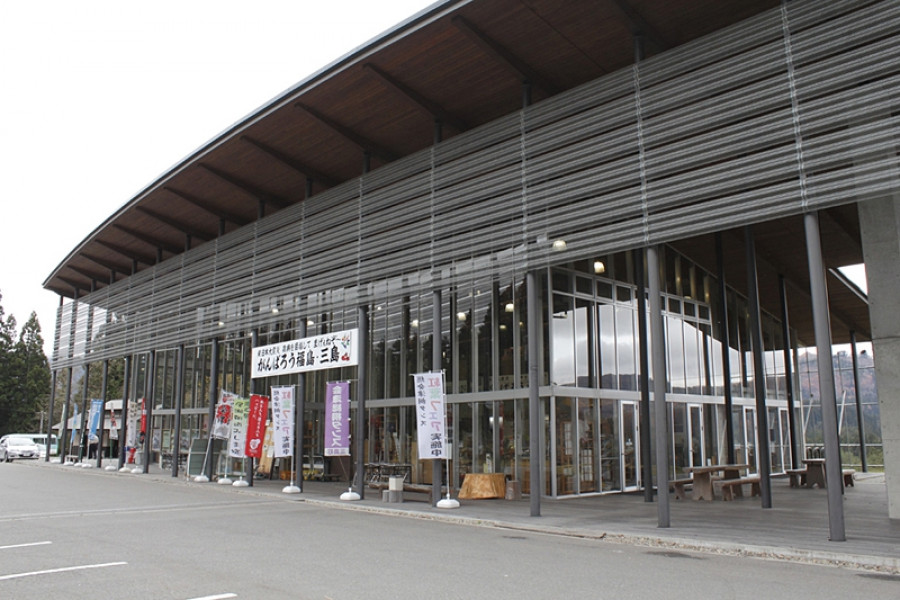
Michi-no-Eki Ozekaido Mishima-juku (Roadside Station)

  • Aizu Area
  • 25

The commuter bus will arrive at Michi-no-Eki Ozekaido Mishima-juku around 8:15 AM. Spend some time checking out what the roadside station shop has on display before heading up to the viewpoint.

The viewpoint is about a 10 min walk from Michi-no-Eki Ozekaido Mishima-juku.

View directions
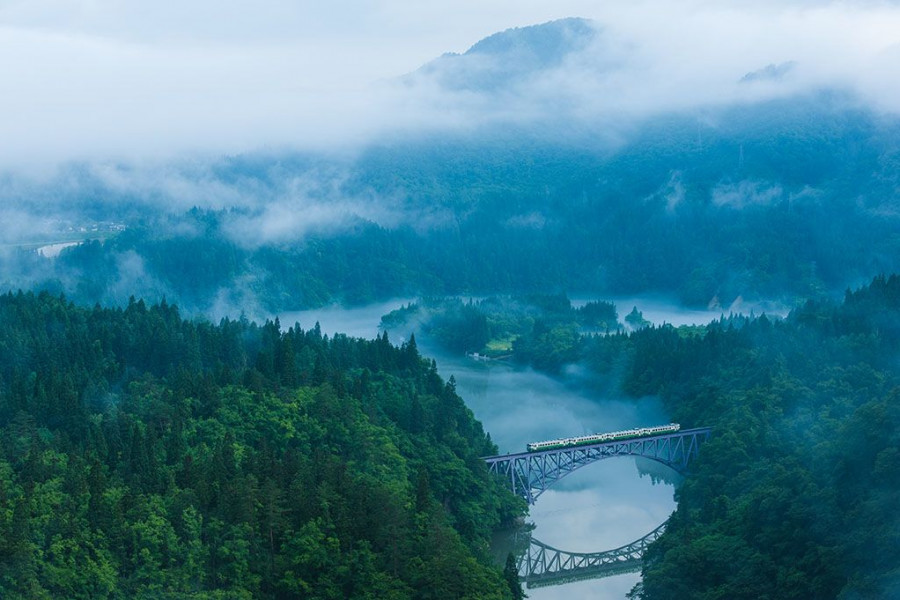
Tadami River Bridge No. 1 Viewpoint

  • Aizu Area
  • 20

Snap photos of the trains passing by at this marvelous lookout point at 8:59 AM and 9:18 AM! 8:45 AM arrival at the Viewpoint. 8:59 AM Snap a photo of the train passing from right to left. 9:18 AM Snap a photo of the train passing from left to right.

Return to Aizu-Miyashita Sta. from Michi-no-Eki Ozekaido Mishima-juku by reservable bus at 10:20 AM. From there, take a taxi to Enzoji Temple. Alternatively, take a taxi straight from Ozekaido Mishima-juku. Getting from Ozekaido Mishima-juku to Enzoji Temple takes between 15 and 30 min.

View directions
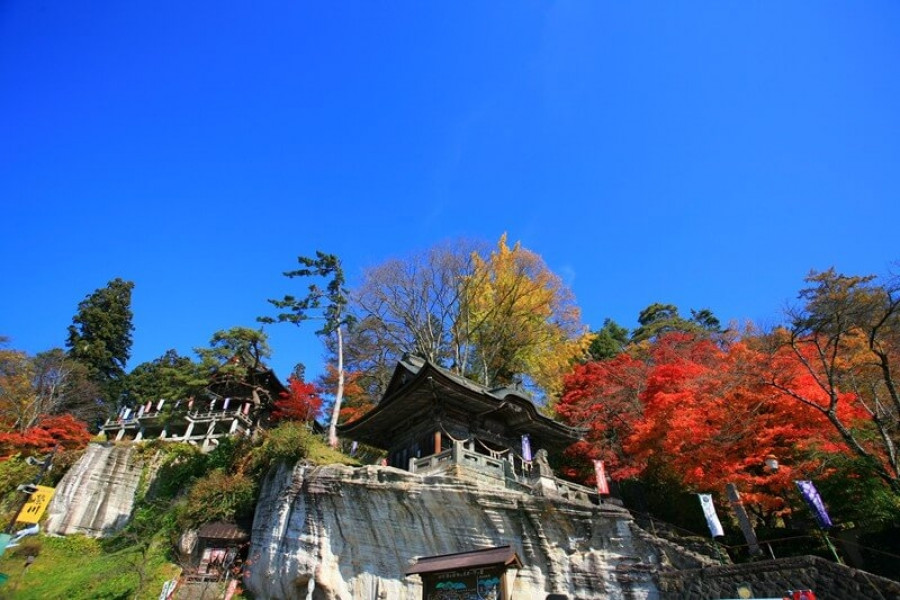
Enzoji Temple

  • Aizu Area
  • 60

Enzoji is a symbolic temple of Aizu and has stood for over 1000 years. Experience the rich natural scenery and the legends surrounding its creation before exploring Yanaizu Town by foot.

It takes between 10 and 20 min to walk from Enzoji Temple to Tsukimigaoka Chomin Center.

View directions
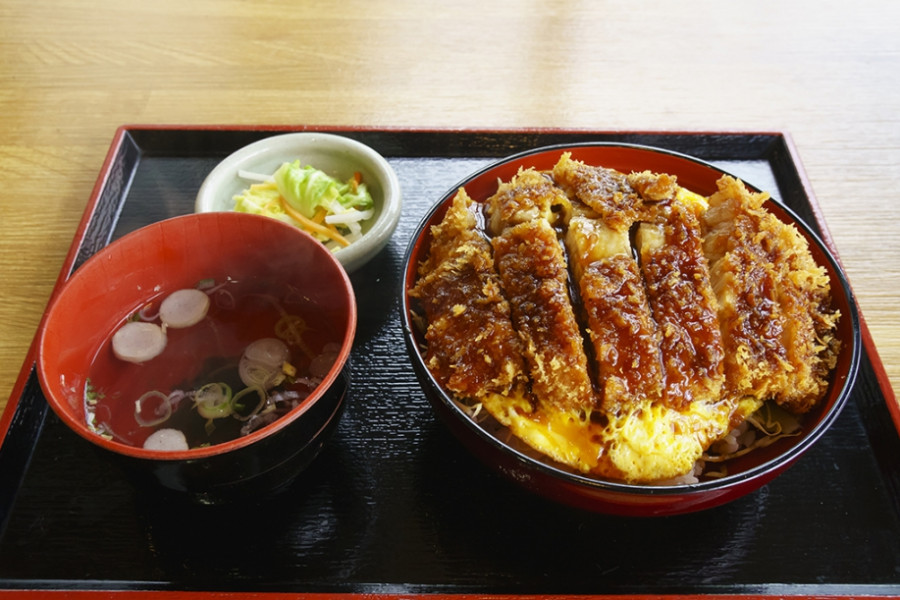
Tsukimigaoka Chomin Center

  • Aizu Area
  • 60

Yanaizu Chomin Center is famous for its sauce katsudon lunch. So dig in and let the rich flavors fill you up. This center also has a day-visit onsen available for the public, so do check this out before or after your lunch!

It takes 5 min to walk from Tsukimigaoka Chomin Center to Hot in Yanaizu.

View directions
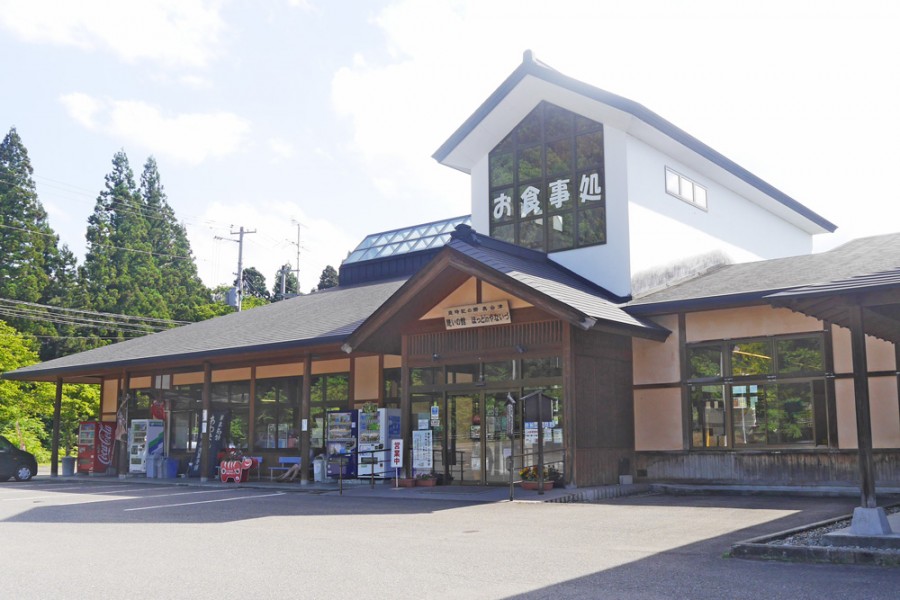
Hot in Yanaizu

  • Aizu Area
  • 30

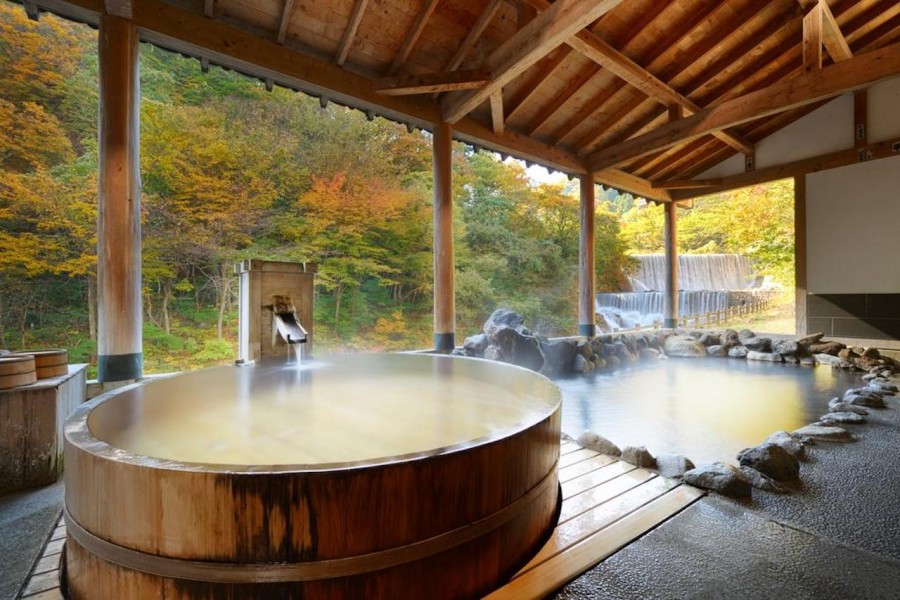
Enjoy the afternoon with a Yanaizu Awa Manju-making experience, Akabeko painting experience, onsen foot baths, or shopping.

Depart from Aizu-Yanaizu Sta. (JR Tadami Line) at either 1:23 PM or 4:22 PM (depending on how much time you spend in the town) and head back to Aizu-Wakamatsu Sta. (this journey takes about 1 hour). Stay the night at Higashiyama Onsen or at a hotel in central Aizu-Wakamatsu City.

View directions
Finish

Aizu-Wakamatsu Station

Other Trips

Two Days, One Night in Fukushima Prefecture
Culture

Two Days, One Night in Fukushima Prefecture

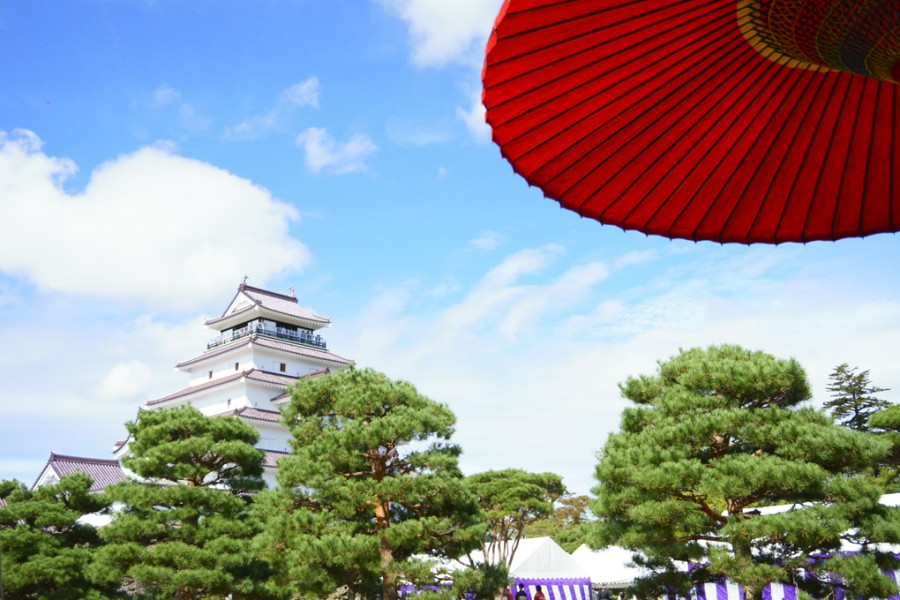
Looking to visit the best of Fukushima Prefecture in only a short time? This itinerary aims to cover some of the prefecture's most popular spots in the space of a two day, one night stay, including lunch options and potential activities. The transport hub of Koriyama, served by both shinkansen (bullet train) services from Tokyo and local trains, is an excellent place to start your trip. The journey from Tokyo Station to Koriyama Station takes as little as 1 hour and 15 minutes on the shinkansen. On this trip, you'll visit, among others: The ethereal thatched-roof village of Ouchi-juku Tsurugajo Castle, samurai fortress of the Aizu clan The double-helix architecture at Sazaedo Temple Goshikinuma Ponds, one of northern Japan's most beautiful natural areas The astonishing colours along the Bandai-Azuma Skyline sightseeing road The Fukushima 'Fruit Line' with dozens of orchards This itinerary can also be combined with a beautiful cherry blossom spot like Hanamiyama or the thousand-year-old cherry tree Miharu Takizakura, if your trip falls in mid-April. These spots are most easily traversed by car, so this article recommends renting a car at Koriyama Station. There are four rent-a-car spots near the station with English support and online bookings available:  Toyota Times Car Rental ORIX JR Rent-A-Car However, much of the course can be accessed by public transport. The sights towards the mountainous Inawashiro region (Goshikinuma Ponds, Bandai-Azuma Skyline etc.) can be more difficult without a car.

Fukushima’s Revitalization Educational One-Day Trip
Culture

Fukushima’s Revitalization Educational One-Day Trip

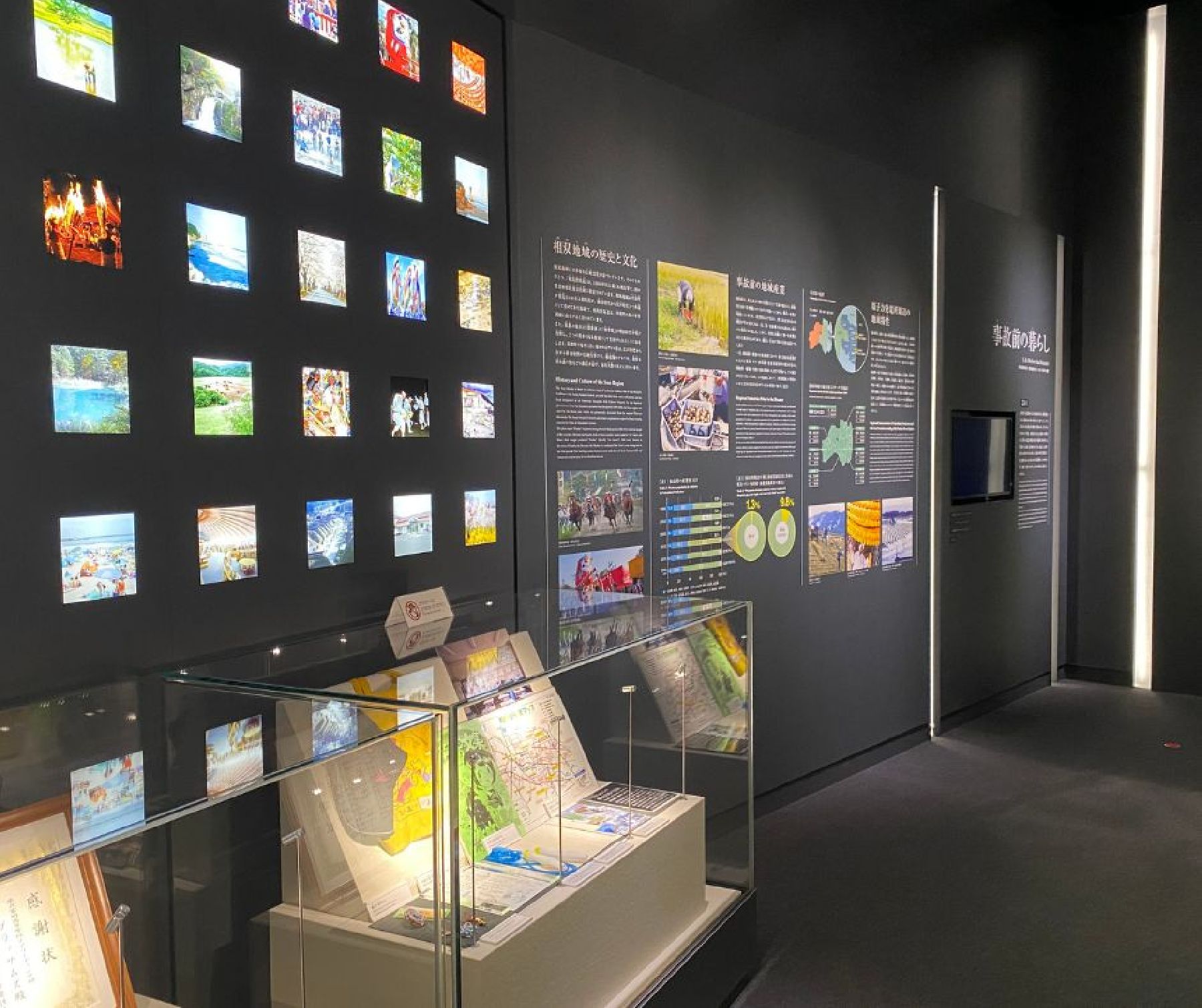
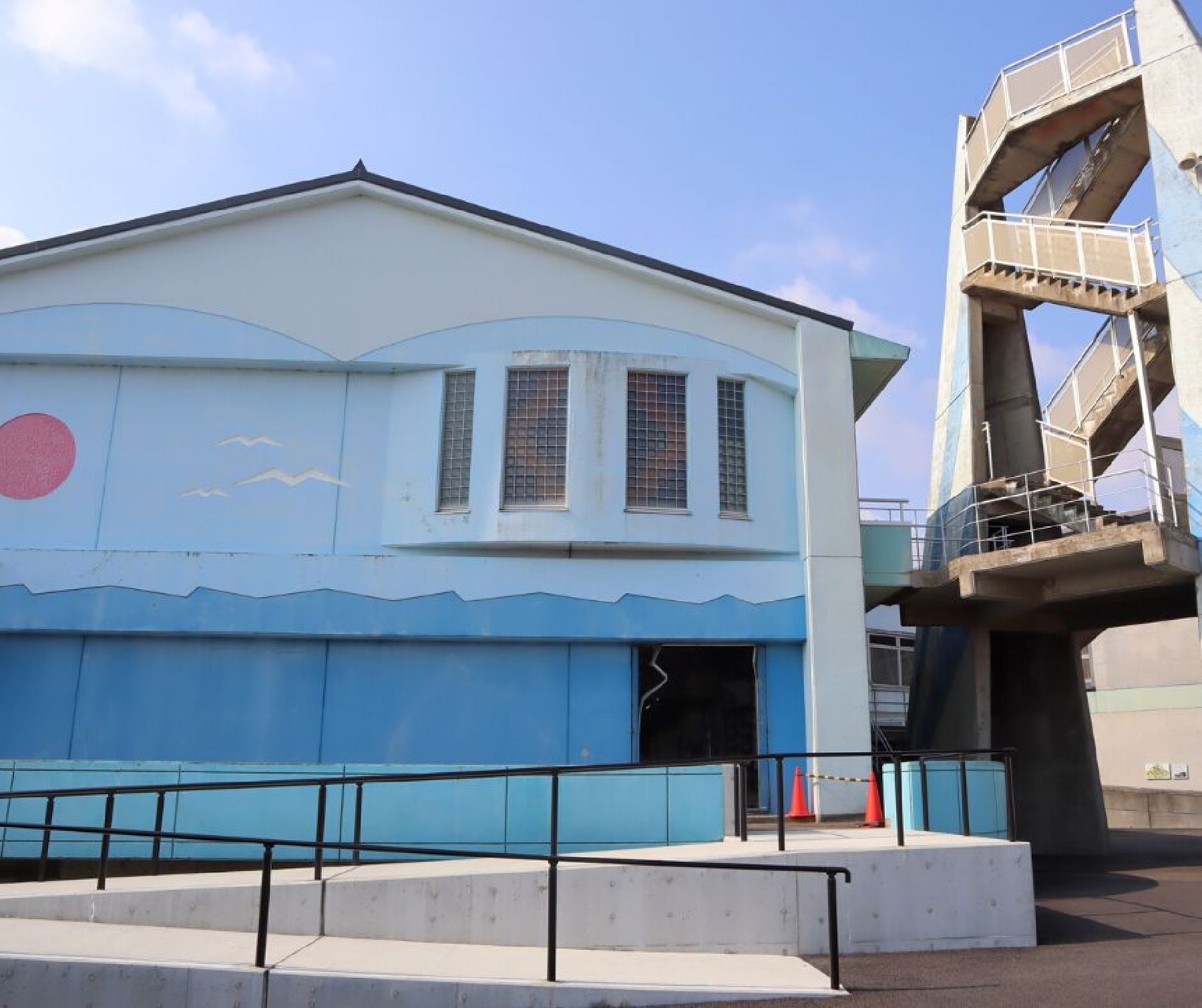
This is a model itinerary for visitors who would like to learn about Fukushima’s revitalization. The coastal area of Fukushima is the only place in the world to have survived a triple disaster: an earthquake, a tsunami and a nuclear disaster. Following extensive decontamination efforts and a great deal of demolition and reconstruction, several areas that were once designated as ‘difficult to return’ have started welcoming both residents and visitors again, with many residents eager to share their stories with the world. This itinerary centers on the towns of Futaba and Namie, both of which were severely affected by the earthquake, tsunami and nuclear accident in 2011.  The first stop is Futaba station and the surrounding Futaba Art District, a mural art initiative that pays homage to the residents and folk art of the town. From there, you’ll visit the Great East Japan Earthquake and Nuclear Disaster Memorial Museum, which has a detailed account of the area before, during, and after the disaster. At the museum, you’ll learn about the stories and testimonies of locals, as well as the plans and ideas for the future of Fukushima. The last stop is the remains of the Ukedo Elementary School in Namie town. Although the school building, located only 300 meters from the sea, sustained great damage from the tsunami, students, teachers and staff were able to evacuate from the school safely, for which it is known as a ‘miracle’ school.  This is a one-day itinerary, but we recommend staying somewhere in the coastal area of Fukushima after your visit.  

Top