Aizu Nisshinkan Samurai Academy

Aizu Nisshinkan Samurai Academy

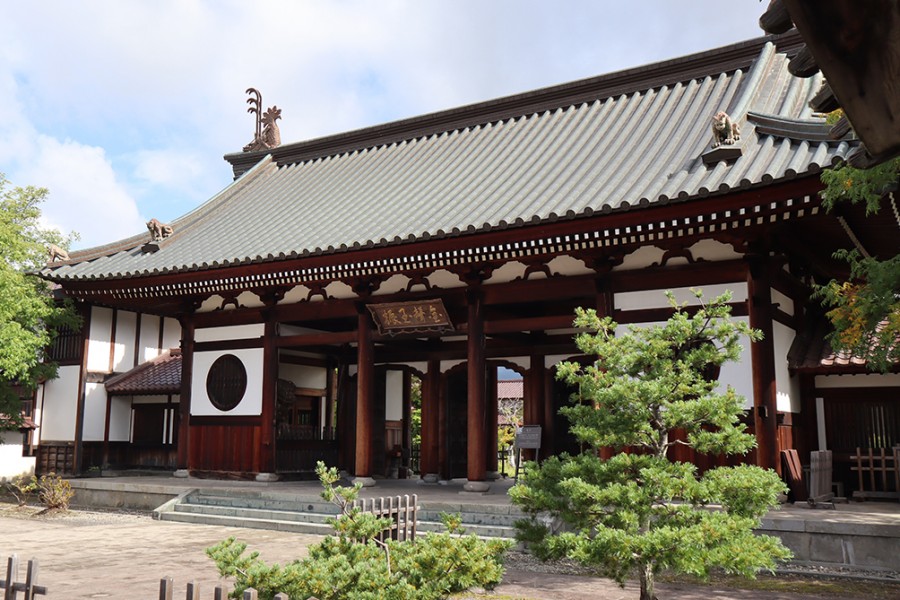
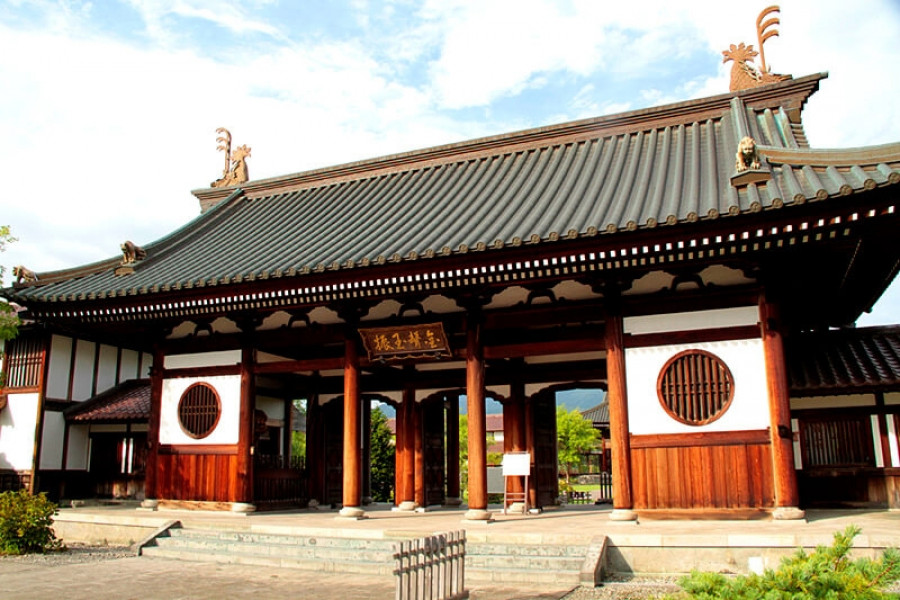
The Aizu Nisshinkan samurai academy, or Aizu Hanko Nisshinkan, was the highest-level learning institution of its time. It was established in 1803 by the Aizu Domain to foster Japan's next generation of talented samurai.

Children of samurai families entered this school at the age of ten and worked on academic studies and physical exercises to instill both physical and mental discipline.

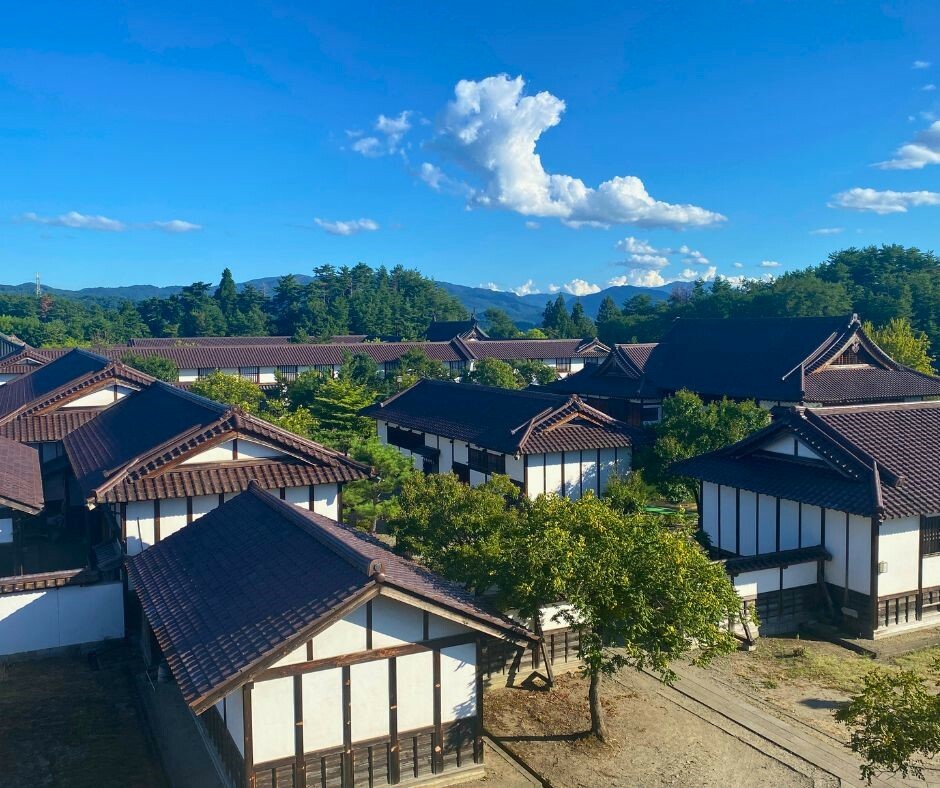
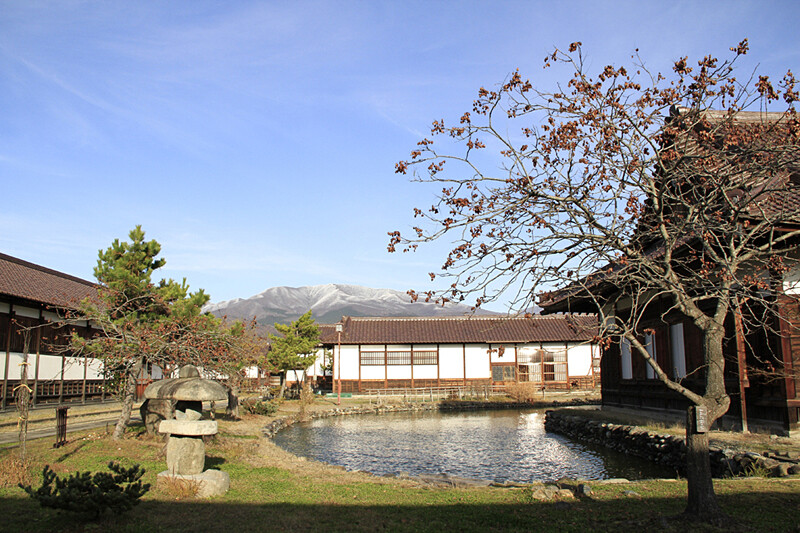
The property, covering about 26,500 square meters in area, used to house such facilities as a martial arts training hall, an astronomical observatory, and Suiren-Suiba Ike, Japan's oldest swimming pool.

During the late Edo Period, the school turned out a great deal of excellent talent, including the legendary group of young warriors, the Byakkotai. The facilities, which were burned down during the Boshin War, have been rebuilt faithful to their original design. They now function as a hands-on museum that features exhibits of the magnificent architecture of the Edo Period and dioramas of school life as it used to be.

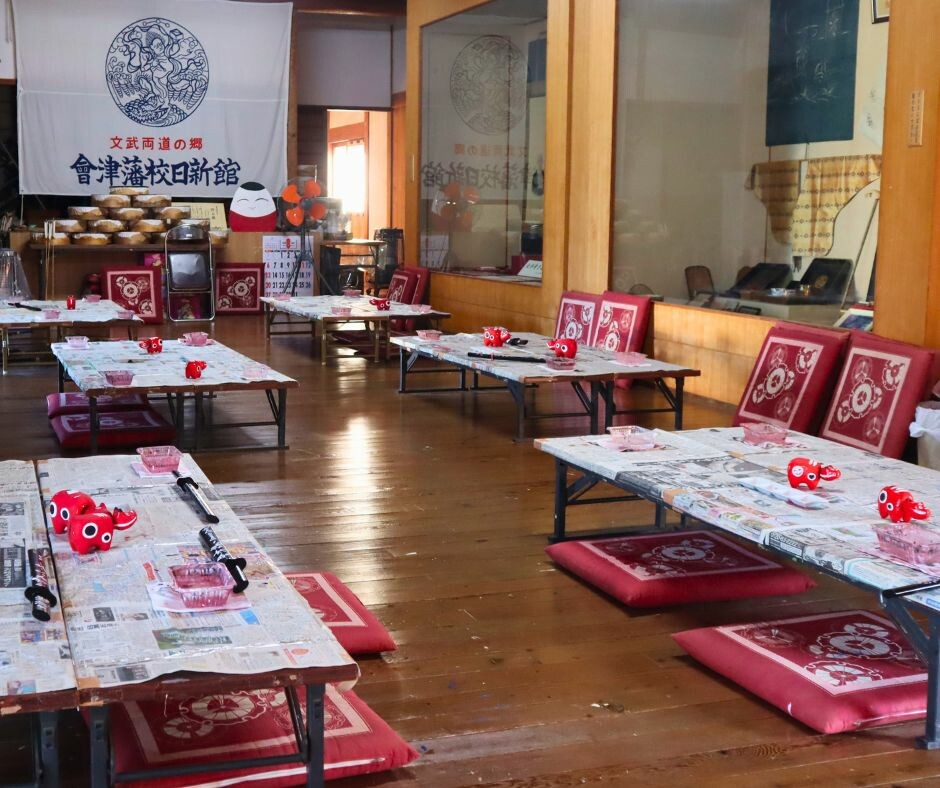
Visitors can enjoy practicing some of the essential disciplines of the samurai, including tea ceremony, Japanese archery, meditation, and horseback riding, as well as experiencing hand painting an akabeko (red cow), a traditional good-luck charm of Aizu.

Please see the official website for updated entry and reservation fees. Discounted combination tickets are offered for those who book experiences with admission.

Venue Details

Venue Details
Websitehttps://www.nisshinkan.co.jp/en/
Contact

Aizu Hanko Nisshinkan

(+81) 242-75-2525

Best SeasonAll Year
Opening Hours

9:00 AM - 5:00 PM (Admittance until 4:00 PM)

None

Parking200 cars, 50 coaches
Entrance FeeAdults: 1,800 yen / Junior high & high school students: 900 yen / Primary school students: 800 yen
Accommodation details

Pets: Allowed if carried in a cage or held in the arms (No walking allowed)

Access Details
Access10 Takatsukayama, Minami-Takano, Kawahigashi-machi, Aizu-Wakamatsu City, Fukushima Pref. 969-3441
View directions
Getting there

By Car: 5 min from Bandai-Kawahigashi I.C. exit off the Ban-etsu Expressway

By Train: 15 min by taxi ride (or 35 min by the city's sightseeing loop bus) from Aizuwakamatsu Station (JR Ban-etsu West Line)

Useful Links

6 Things to Do at the Aizu Hanko Nisshinkan Samurai School

2 Days in Aizu-Wakamatsu

Feel the Samurai Spirit at Nisshinkan & Aizu Bukeyashiki

Related trips

Nearby

The World Glassware Hall
Museums & Galleries

The World Glassware Hall

The World Glassware Hall is located at the foot of Mt. Bandai, by the side of Lake Inawashiro.About 25,000 handmade glassware items, imported directly from countries all over the world, are exhibited and sold at the World Glassware Hall. You can even try your hand at glass etching, or glass blowing.Next to the Glassware Hall is the Inawashiro Original Beer Brewery and a sweets shop. Local Inawashiro beer has received the gold prize in an international beer competition, and can be purchased on site. In the sweets shop, you can try a line up of famous local delicacies.

The World Glassware Hall
Museums & Galleries

Hideyo Noguchi Memorial Museum

Most people probably don’t know who Hideyo Noguchi (1876-1928) is by name but just look at a 1,000-yen note and you’ll know his face. A renowned bacteriologist, Noguchi made great advances in the research of a vaccine for yellow fever. He’s also credited with the discovery of the agent which causes syphilis.This memorial museum was established to honor the Nobel-nominated bacteriologist, and to introduce his life achievements. The house where Noguchi was born stands within the museum grounds. Visitors to the house can see the fireplace where he fell as a child, leading to him seriously burning his left hand. The alcove post of the house has carved into it the words of resolution Noguchi made before he went to Tokyo.The exhibition room contains many resources that introduce Noguchi's life and accomplishments, including his favorite articles, letters, and photographs. In Noguchi's laboratory, which was recreated for the memorial museum, visitors can interact with a robot designed in the image of Noguchi. The robot answers questions from visitors and gives them encouraging messages.Though the house retains its Meiji Period charm, the hall and facilities were renovated in April 2015, during which time the experience-based corner was added. Here, guests can learn about bacteriology through videos and interactive games.Aizu-Ichiban Café, a café which renovated from the clinic where Hideo Noguchi received treatment for the burns he suffered to his left hand, is located nearby. Once named Kaihiyo Clinic, this is where he spent much of his youth and acquired his motivation to study and ambition to help others. There are also a number of his belongings on display, making it an interesting place to visit after a trip to the museum.

You might also like

Ouchi-juku
History & Culture

Ouchi-juku

Take a journey to the past in Fukushima Prefecture’s Ouchi-juku area. This isolated village boasts thatched-roof houses and natural streets making you feel at one with the people who lived here hundreds of years ago.Nestled in the southwestern mountains of Fukushima, Ouchi-juku is a great spot to visit thanks to its unique charm and history. This village was established under the post station system of the Edo period, and played a vital role as a rest stop for travelers.In 1981, the well-preserved streets of Ouchi-juku led to it being designated as an Important Preservation District for a Group of Traditional Buildings. It isn’t difficult to see why—the village looks as it did during its heyday. And with no telephone or electric wires above ground, the view from the top of the hill overlooking the village is marvelous.It is a picturesque village where you can lose yourself to the flow of time. The traveler’s road that used to run through this village was called the Shimotsuke Kaido Route, or the Aizu Nishi Kaido Route.Ouchi-juku not only connected Aizu to Nikko, it also connected Aizu-Wakamatsu to Imaichi, a post town on the Nikko Kaido Route in Tochigi Prefecture. This road was frequented by many travelers as well as by the processions of feudal lords who had to travel to and from Edo periodically.Travelers of the Edo Period rested at the inns of Ouchi-juku to relieve their fatigue. Nowadays, festivals and events help draw in new visitors. The annual Snow Festival in February turns Ouchi-juku into a pretty candlelit scene.Visit in July to see a procession of dancers dressed in traditional Edo Period costumes, and you might even get to wear a happi (festival attire jacket) and join the locals in their celebrations!And when you’re feeling hungry be sure to try some of the local specialties, which include negi soba (fresh buckwheat noodles eaten using a green onion), stick-roasted char fish, and more.Please be aware that some restaurants are closed on Wednesdays, so lunch availability may be reduced.

Mitsuya District Warehouses & Climbing Kiln
History & Culture

Mitsuya District Warehouses & Climbing Kiln

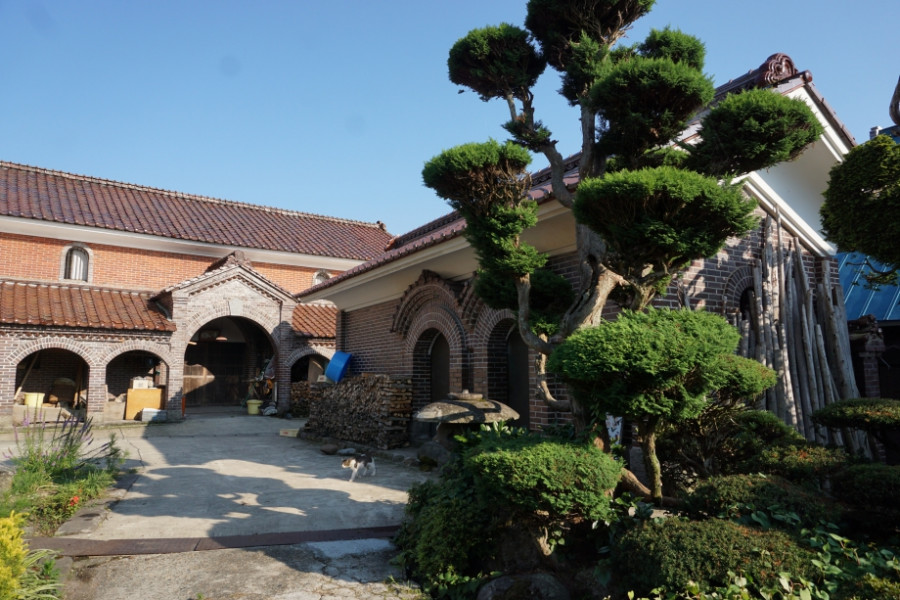
Be transported back to the elegant Taisho Period at Kitakata’s Mitsuya District. Kitakata is famous as being a town of charming red brick kura (Japanese warehouses). The rich texture and distinctive color of the warehouse bricks are an integral part of Kitakata’s townscape. In the year Meiji 23 (1890), the connecting kilns of Mitsuya District were opened. As well as roof tiles, bricks made here were also painted a deep red color, giving the area a unique atmosphere and classic scenery. The area was registered as an Industrial Modernization Heritage Site by the Ministry of Economy, Trade and Industry. The large red brick climbing kiln, located inside the Wakana Family's home, is truly a sight to behold. This district has even been written about on the Michelin Travel website.

Aizu Bukeyashiki (Samurai Residence)
History & Culture

Aizu Bukeyashiki (Samurai Residence)

Aizu Bukeyashiki (Samurai Residence) is a historical open-air museum where visitors can learn about the history of Aizu and sample some of the specialty products of Fukushima.Stroll around the residences to take in traditional Japanese architecture, including the residence of Tanomo Saigo, the Aizu Domain's chief retainer, a magistrate's office, a tea ceremony house, a rice mill, and a warehouse (resource center).Visitors can also enjoy local specialty food at the onsite Kuyotei restaurant, and find specialty products from Aizu and other parts of Fukushima at Sato-Kobo Kokon, and enjoy hand-painting traditional toys and practicing Japanese archery, which is perfect for young kids.Besides such cultural enjoyment, the natural beauty of the spring cherry blossoms and the bright autumnal foliage are a major attraction for tourists.

Aizu Urushi Lacquerware
History & Culture

Aizu Urushi Lacquerware

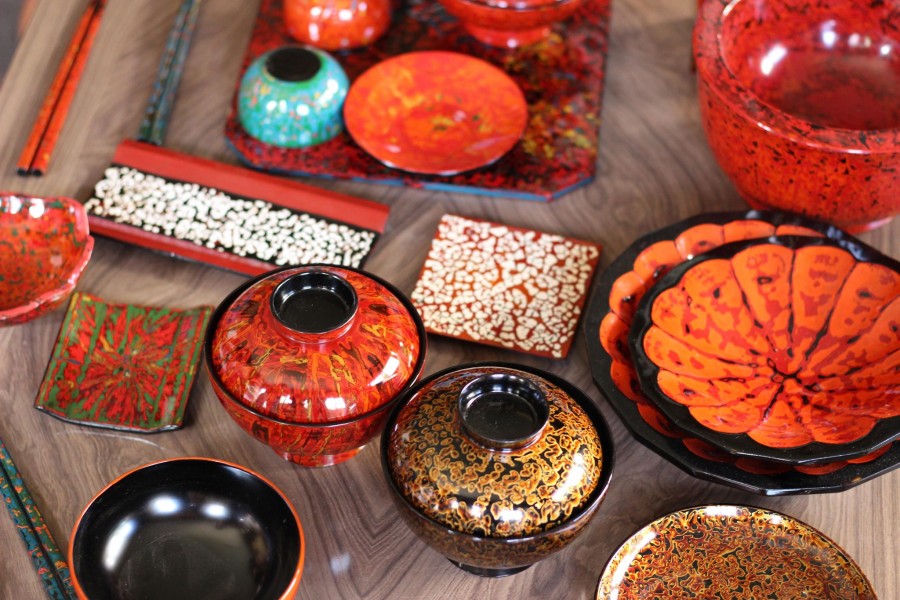
Aizu Urushi Lacquerware has a very long history – predating lacquerware from Wajima or Tsushima. Aizu Lacquerware was originally produced in areas of Aizu that experience very heavy annual snowfall. The industry began to boom about 400 years ago - this development was initiated by feudal lord Gamo Ujisato’s endorsement of Aizu Lacquerware.From then onwards, techniques used in the production of Aizu Lacquerware were refined and Aizu Lacquerware became very famous in Japan.  You can make your paint your own design onto Aizu Lacquerware items, or even try painting with lacquer, in Aizu region.Makie Painting Experience WorkshopsSuzuzen (Aizu-Wakamatsu City) From 1,900 yen Page on Fukushima.Travel Website Suzutake (Aizu-Wakamatsu City) From 1,000 yen Must book in advance Page on Fukushima.Travel Website (Japanese)Bansho (Aizu-Wakamatsu City) From 1,200 yen  Irregular opening hours in winter Website (Japanese)Fukubun (Aizu-Wakamatsu City) From 1,600 yen Irregular opening hours Must book in advance Website (Japanese)Shitsugei Tsunoda (Urabandai Area) From 1,000 yen They also have an experience where you can paint with real lacquer (From 10,000 yen) Must book in advance Website (Japanese)

Top