Marusei Orchard

Marusei Orchard

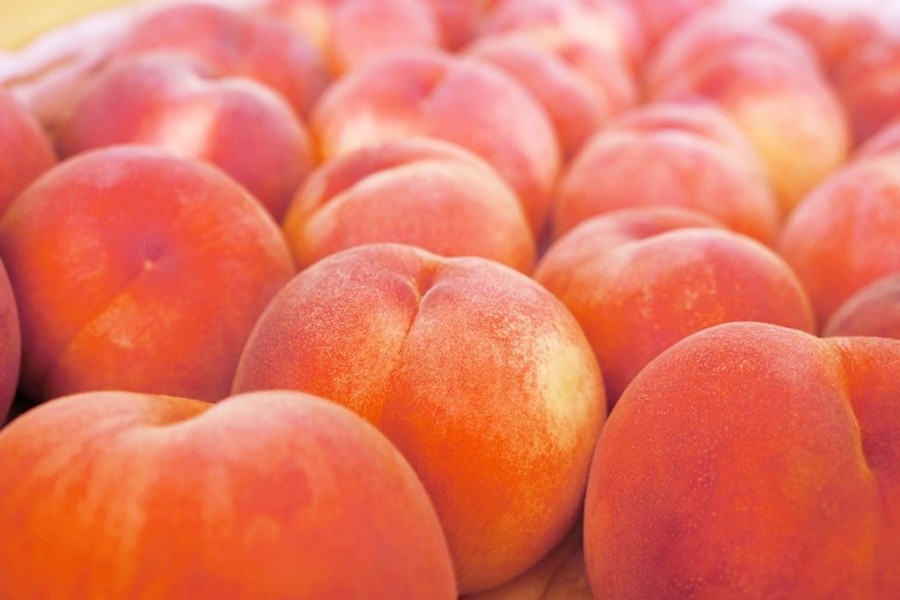
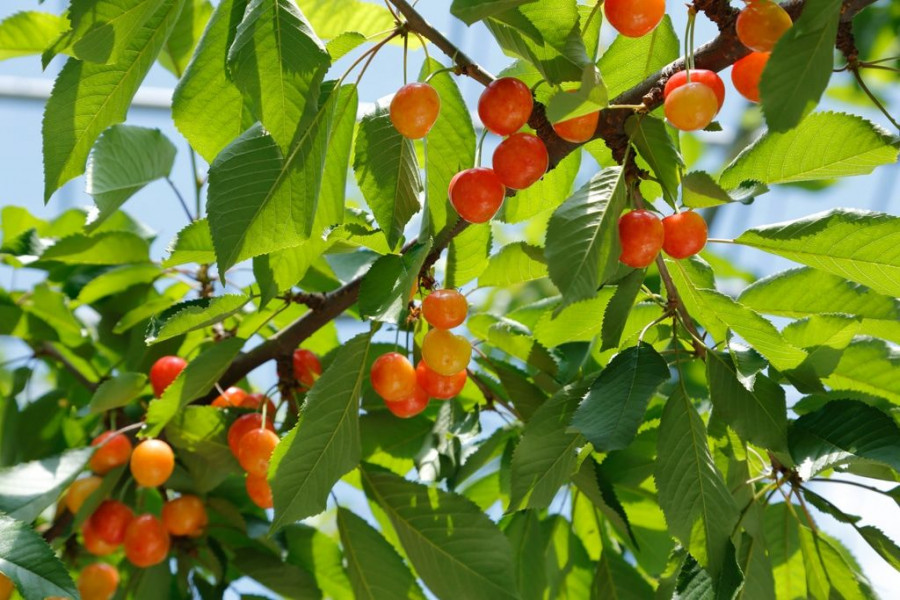
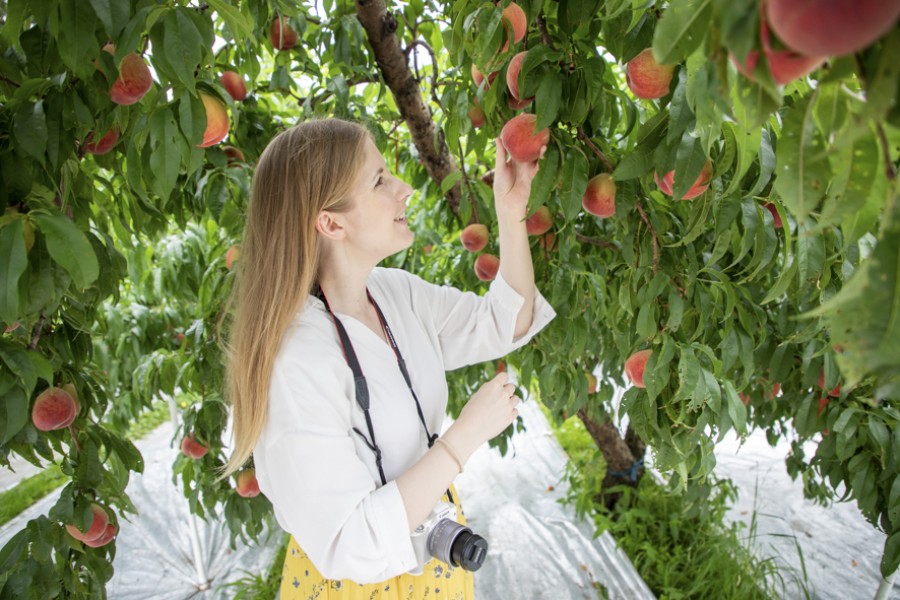
At Marusei Orchard, you can enjoy seasonal fruit picking as well as beautiful rural views. You can even treat yourself to delicious sweet treats made using fresh fruit at their onsite cafe! (The cafe menu changes by season).

Fruit-Picking Experience Info & Booking

See more information about fruit picking in Fukushima City here.

Venue Details

Venue Details
Websitehttps://www.maruseifukushima.com/en/(Japanese)
Contact

Marusei Orchard

(+81) 24-541-4465

Best Season
  • Summer
  • Autumn
Opening Hours

8:00 AM - 5:30 PM (Opens at 9:00 AM on Sundays). <br>Fruit picking from 9:00 AM - 2:00 PM

Closed during winter.

Entrance FeeFruit picking menu is seasonal and is subject to change.
Access Details
AccessMorimae 50-1, Hirano, Iizaka-machi, Fukushima City, Fukushima Pref. 960-0231
View directions
Getting there

By Car: 7 min by car from Fukushima-Iizaka I.C. exit off the Tohoku Expressway

By Train: 25 min by taxi from Fukushima Station (JR Tohoku Main Line)
 
Mapcode for Car GPS: 76 247 215*13
 
Useful Links

Related trips

  1. Culture

    Refreshing Fruits and Waters of Fukushima

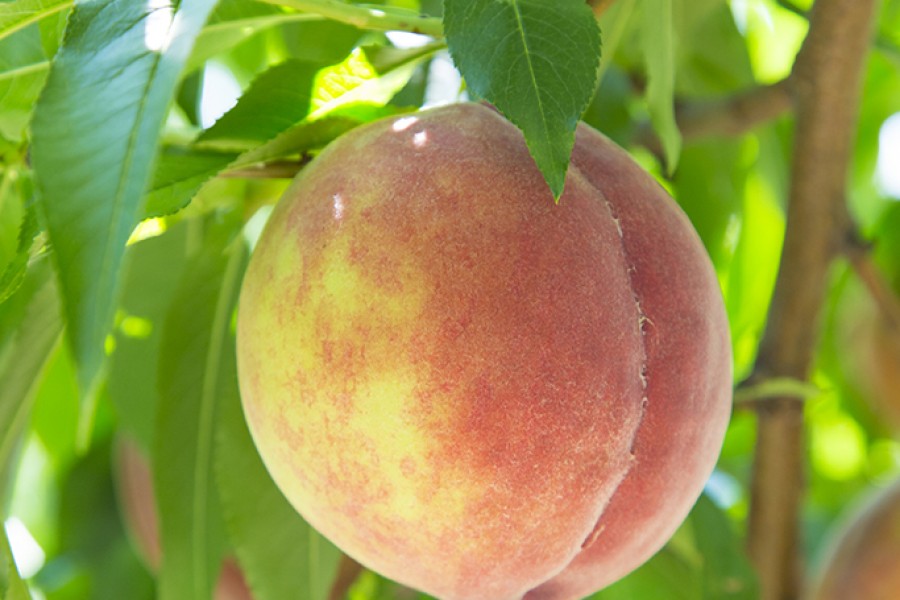
    It’s time to be refreshed by the fresh fruits and hot waters of Fukushima City. This one-day itinerary can be experienced any time of the year. Catch a taxi from Fukushima Station and head out to Marusei Orchard. Here you’ll be able to pick fresh, juicy fruit already ripe for the eating. Eat all you can, and fill up on Fukushima’s best fruits. After you’ve had your fill of fruit, take a taxi to Iizaka Onsen. This hot spring area is famous in Japan for being one of the best in the area. After dipping your feet in the foot bath at Kyu Horikiri-tei, head over to Hanamomo no Yu (Hotel Juraku's onsen facility), soak in the hot, hot waters, and let your stress just melt away. You’re definitely in for a treat at all of these wonderful places and you’ll leave full and satisfied, not to mention warm and relaxed. It’s truly a rejuvenation for mind and body!
    Refreshing Fruits and Waters of Fukushima
    1. Culture

      Two Days, One Night in Fukushima Prefecture

      Looking to visit the best of Fukushima Prefecture in only a short time? This itinerary aims to cover some of the prefecture's most popular spots in the space of a two day, one night stay, including lunch options and potential activities. The transport hub of Koriyama, served by both shinkansen (bullet train) services from Tokyo and local trains, is an excellent place to start your trip. The journey from Tokyo Station to Koriyama Station takes as little as 1 hour and 15 minutes on the shinkansen. On this trip, you'll visit, among others: The ethereal thatched-roof village of Ouchi-juku Tsurugajo Castle, samurai fortress of the Aizu clan The double-helix architecture at Sazaedo Temple Goshikinuma Ponds, one of northern Japan's most beautiful natural areas The astonishing colours along the Bandai-Azuma Skyline sightseeing road The Fukushima 'Fruit Line' with dozens of orchards This itinerary can also be combined with a beautiful cherry blossom spot like Hanamiyama or the thousand-year-old cherry tree Miharu Takizakura, if your trip falls in mid-April. These spots are most easily traversed by car, so this article recommends renting a car at Koriyama Station. There are four rent-a-car spots near the station with English support and online bookings available:  Toyota Times Car Rental ORIX JR Rent-A-Car However, much of the course can be accessed by public transport. The sights towards the mountainous Inawashiro region (Goshikinuma Ponds, Bandai-Azuma Skyline etc.) can be more difficult without a car.

Nearby

The World Glassware Hall
Nature & Scenery

Hanamiyama

Hanamiyama Park is a privately-owned field for flowering and ornamental trees, in southeast Fukushima City.The park is located within a satoyama-type landscape i.e. managed woodland hill country close to human habitat. What originally began more than 60 years ago with local farmers planting flowers and trees, has grown into a beautiful scene. The landowner generously turned the area into a park in 1959 to allow visitors to enjoy the beautiful flowers there.Hanamiyama Park, and the wider Hanamiyama area, is now visited by thousands of admirers every year!Springtime visits see cherry, plum, and forsythia trees paint everything in vivid colors. A gentle pink and purple landscape waving in the breeze with the picturesque snow-capped Azuma Mountains in the distance makes for an amazing sight.The riot of spring colors is spectacular enough to merit calling this park Fukushima's very own paradise.The flowering landscape moves all who see it and has been preserved through the cooperation of the local residents. Enjoy a leisurely one-hour stroll that will take you from the foot of the hill to the summit. Travel through groves of flowering trees and other vibrant flowers in full bloom.Hanamiyama is the perfect getaway for a day for nature lovers, hikers, or people trying to escape for a short time.The best part is that spring isn’t the only beautiful time to visit. Marvel in wonder during the lush green summer foliage or the dappled colors of autumn. When you visit this fairytale-like wonderland, it is recommended that visitors wear comfortable walking shoes as the terrain includes graveled paths, steep slopes, and slippery areas. Mid- through late April is the peak season, so ready your camera and your heart for the beauty that awaits.

The World Glassware Hall
Nature & Scenery

Bandai-Azuma Skyline

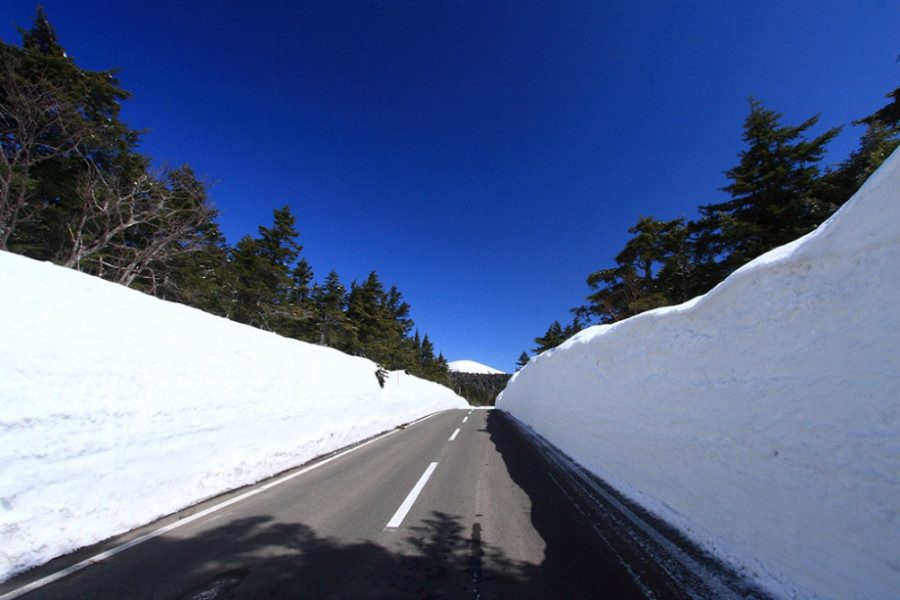
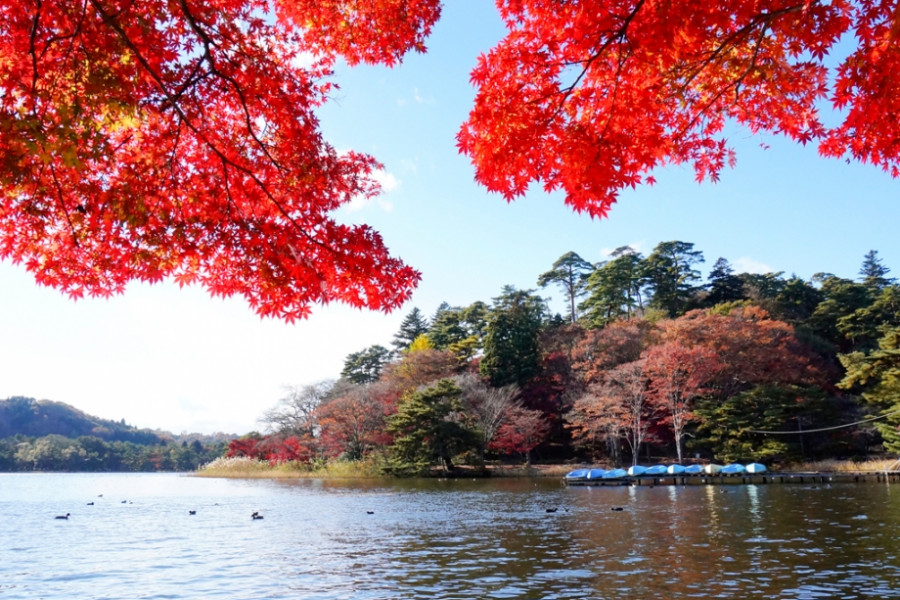
There is a special bus running from Fukushima Station to the Jododaira plateau while the mountain is open. Please visit the Jododaira Sky Access page for more details.This sightseeing road that runs from Fukushima City's Takayu Onsen to the Tsuchiyu Pass, commanding panoramic views of the surrounding landscape.The spectacular views that stretch out at an average altitude of 1,350 meters attract visitors time and time again, and Bandai-Azuma Skyline has been selected as one of the 100 Best Roads in Japan.In spring, tourists can enjoy flower viewing while at the same time taking in the otherworldly winter scenery of the "Snow Corridor".In summer, the Nemoto Shakunage (Rhododendron brachycarpum), a species of alpine rose, and other alpine plants display their colorful flowers and fresh, brilliant green leaves. During autumn, the drive warms as roads become enclosed by fiery seasonal leaves.There are also many hot springs in the vicinity of the Skyline where visitors can enjoy a bath and relax stiff muscles while out on a daytrip.The roadway passes next to the crater of Mt. Azuma-Kofuji. Visitors can easily park their car at the nearby guest center and enjoy a short hike up to the crater’s rim.The Bandai-Azuma Skyline Roadway has been selected as one of the top 100 roads in Japan, and unlike many others, this one is free to use. There are rest stops along the way for the hungry traveler; the most popular is Jododaira, as it’s home to a rest house and an observatory.Be sure to plan ahead though, from mid-November to early April the roadway is closed due to heavy winter snowfall.

The World Glassware Hall
Nature & Scenery

Majyo-no-hitomi (The Witch’s Eye Lake)

Majyo-no-hitomi, or The Witch's Eye Lake, is a volcanic lake that was formed during a volcanic eruption many years ago. Unique minerals in the water cause the lake to appear different colors, giving the lake its official name of Goshiki-numa (Five Colored Lake), but most often it is a bright blue. The nickname of “Witch's Eye” comes from the unique appearance of the lake that is visible in late spring when the snow melts enough so that only a white ring remains around the lake to form the white of what appears to be an enormous single eye.This lake viewpoint can be reached by an intermediate hike up Mt. Issaikyo that begins at the Jododaira Visitors Center, stop by for a map and safety information before hiking.

The World Glassware Hall
Nature & Scenery

Doaidate Park

Approximately 5,000 colorful hydrangeas bloom here every summer. Nicknamed by locals as 'Hydrangea Alley', this is a great place for relaxing or taking photos. Doaidate Park routinely makes lists of best places to see hydrangeas in Tohoku every year thanks to its sheer number of bushes and tranquil atmosphere.There is also a play park for children and an old shrine within the park grounds, while the west side of the park offers excellent views over Mt. Adatara.Parking is available for roughly 40-50 cars by the slope leading to the park entrance.In an average year, the best time to see hydrangeas fully in bloom is between the end of June and beginning of July.

You might also like

Michi-no-Eki Fukushima (Roadside Stop)
Gourmet & Shopping

Michi-no-Eki Fukushima (Roadside Stop)

Newly opened in 2022, Michi-no-Eki Fukushima (道の駅ふくしま)is a great place to buy local produce, souvenirs, and eat delicious Fukushima foods! Or even just to pause for a break along your road trip.It is located near the Fukushima Fruit line, so you’ll find a good assortment of delicious fresh fruit on display. You can also go fruit-picking to the nearby orchards using the rental bicycles available.Click here for more information on fruit picking in Fukushima!There is a dog park and an indoor play area for children called Momo Rabi Kids Park, which has many cute wooden toys and structures for children to play at as well as an indoor sandpit.We recommend trying the unusual ice-cream flavors at ‘yukiusagi’, a sweets shop that sells delicious parfaits and desserts using local produce. They sell rice-flavored ice-cream, as well as a special flavor called “Fukushima’s Sky Milk”(ふくしまの空ミルク), which has a salty milk flavor! 

Himonoya Sake Brewery
Gourmet & Shopping

Himonoya Sake Brewery

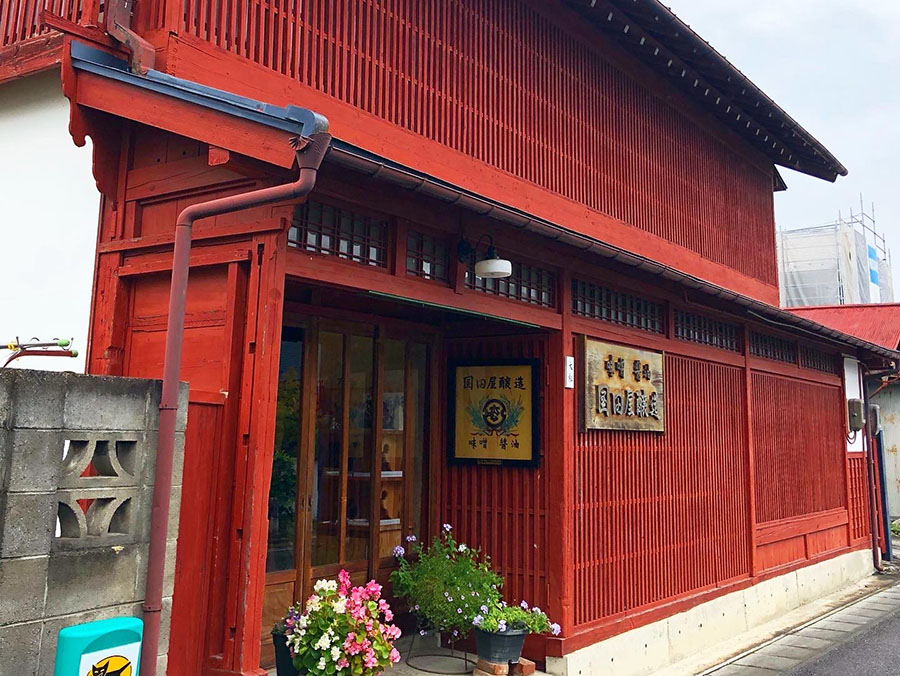
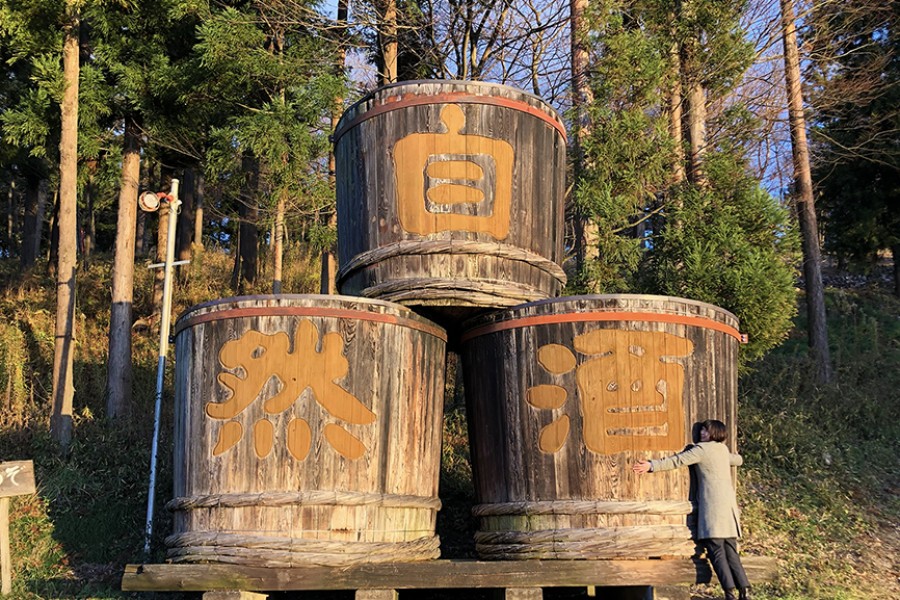
Fukushima’s sake is renowned across Japan, and Nihonmatsu is known in particular as a region with great sake production and high-grade sake producers. Using water from Mt. Adatara, the sake of the area is characterized by a mellow taste and is popular with sake lovers around the world. Himonoya Sake Brewery was established in 1874 and specializes in Senkonari sake; Senkonari is named after the battle standard "Sennari Hyotan (1000 Gourds)" of Toyotomi Hideyoshi, the famous military leader and one of the great unifiers of Japan.The sake at Himonoya is a local secret that many outsiders, even Japanese, don’t know about. To get real sake-brewing experience, be sure to visit on a winter morning, when the sake brewing art begins and most of the day’s tasks are performed. Because Himonoya Sake Brewery operates in a traditional and artisanal manner, it only makes sake during the winter season (a centuries-old rule). The tours and sake tasting offered at this old-fashioned brewery are available by reservation and are a treat to anyone with a taste for Japanese sake, or Nihonshu. These sake brewery tours are free for groups of one to ten people and take only 30 minutes to experience the brewing process. Guests should be legal Japanese drinking age (20 years of age or older) in order to enjoy the free tasting. There are four types of sake to be sampled along the tour - Kinpyo is the most highly recommended, with its sweet aftertaste making it an excellent match for Japanese snacks.

TATAMI VILLAGE
Gourmet & Shopping

TATAMI VILLAGE

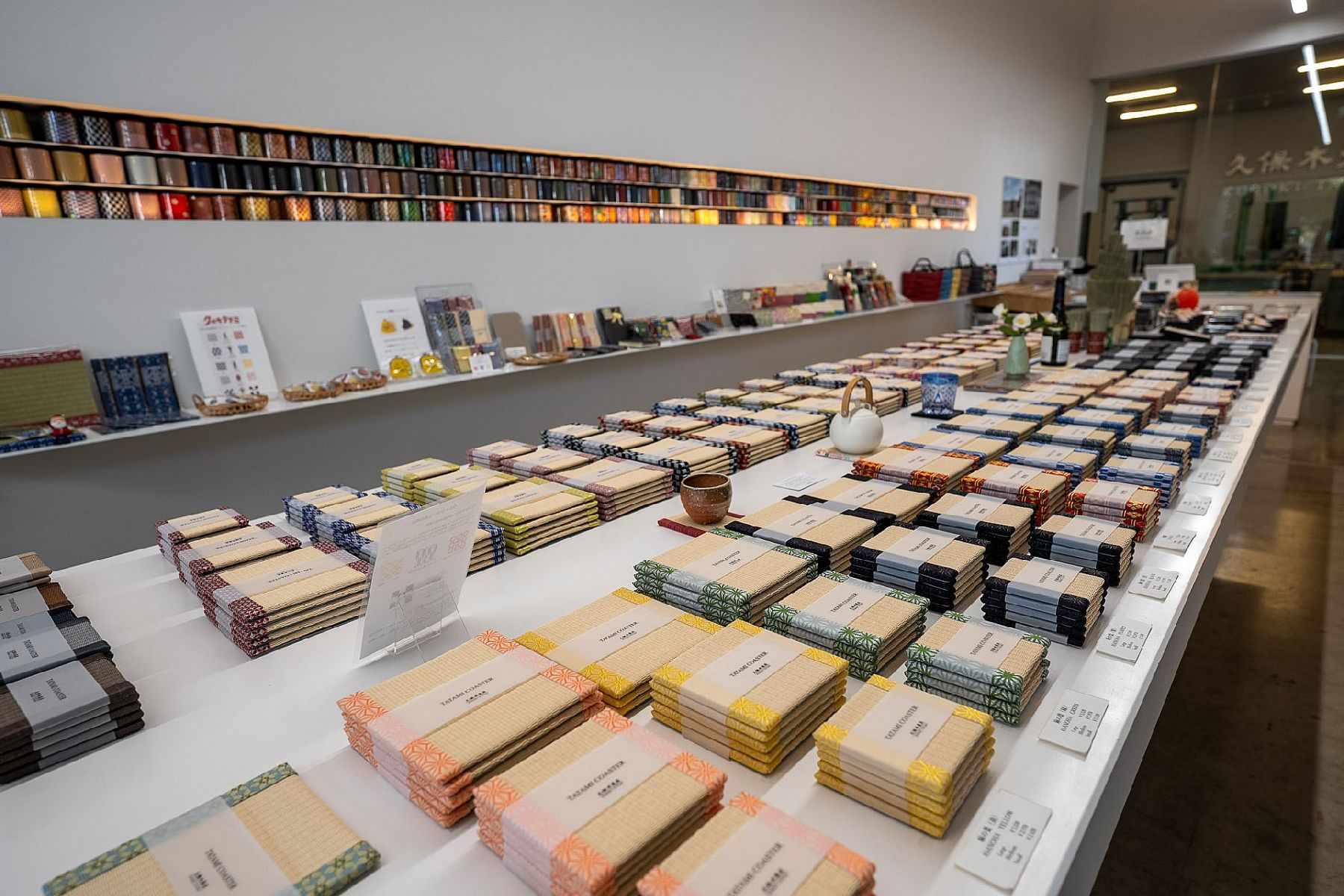
TATAMI VILLAGE (Kuboki Tatami Shop) is a shop, cafe, and workshop in Sukagawa City in Southern Fukushima prefecture. The Kuboki Tatami business was founded in 1740 in Sukagawa and is currently run by the 15th generation of the same family. ‘Tatami’ is a kind of woven mat made with rush grass frequently used as flooring in traditional Japanese-style rooms. Kuboki Tatami is not only dedicated to flooring, but also makes tatami coasters, smartphone mats, and accessories made with tatami-heri (a kind of ribbon used to fasten the sides of a tatami mat).At Tatami Village, visitors can make a tatami coaster or a pouch made of tatami-heri. Both experiences take approximately 30 minutes to complete. Additionally, the cafe on site serves matcha and seasonal sweets, and features a modern, bright space that uses tatami elegantly.

Pick-Your-Own Fruit in Fukushima City
Gourmet & Shopping

Pick-Your-Own Fruit in Fukushima City

Fukushima is renowned for its delicious fruits, and a wide variety of direct-sale farmer's fruit stalls, 30 minute all-you-can pick tourist orchards, and other fruit attractions can be found among the vast fruit fields and orchards that line the "Fruit Line," which is the nickname for a road that runs for 14 km along the base of Mt. Azuma, and the "Peach Line (National Road 13)," which runs along the train tracks. Come and enjoy the bounty of cherries, peaches, Japanese pears, grapes, and apples of Fukushima City, known as the Fruit Kingdom of Japan!Check out our full updated guide to Fukushima fruit picking here.See below for when each fruit is in season: Strawberries....January to May Cherries..........June to July Peaches..........July to September Nashi Pears....August to October Grapes............August to October Apples.............October to DecemberFruit Picking at Marusei Orchard: Info & Booking

Top