Oku-Aizu Hydropower Museum 'Miori'

Oku-Aizu Hydropower Museum 'Miori'

Oku-Aizu Hydraulic Plaza “Miori” is a free public facility in Kaneyama Town that introduces the role of hydroelectric power in the Oku-Aizu region. It was opened in 2020 and is operated by Tohoku Electric Power Company. The center focuses on how the area’s rivers have been used to generate electricity and support everyday life in the region.

Inside, visitors can learn about hydroelectric power through easy-to-understand exhibits that use videos, projection mapping, models, and interactive displays. These explain how electricity is made from water, the structure of dams and power stations, and why renewable energy is important for the future. The displays are designed so that both adults and children can enjoy them.

The facility also introduces the history and culture of Oku-Aizu, showing how local communities developed alongside river and power station projects. There are exhibits about daily life in the region, traditional crafts, and the people who supported the area’s development over time, helping visitors understand the connection between energy and local life.

The name “Miori” refers to a “water path,” symbolizing the rivers that flow through Oku-Aizu. The building is located next to a roadside station and is within walking distance of the nearest train station, making it an easy stop for travelers exploring the Tadami Line area.

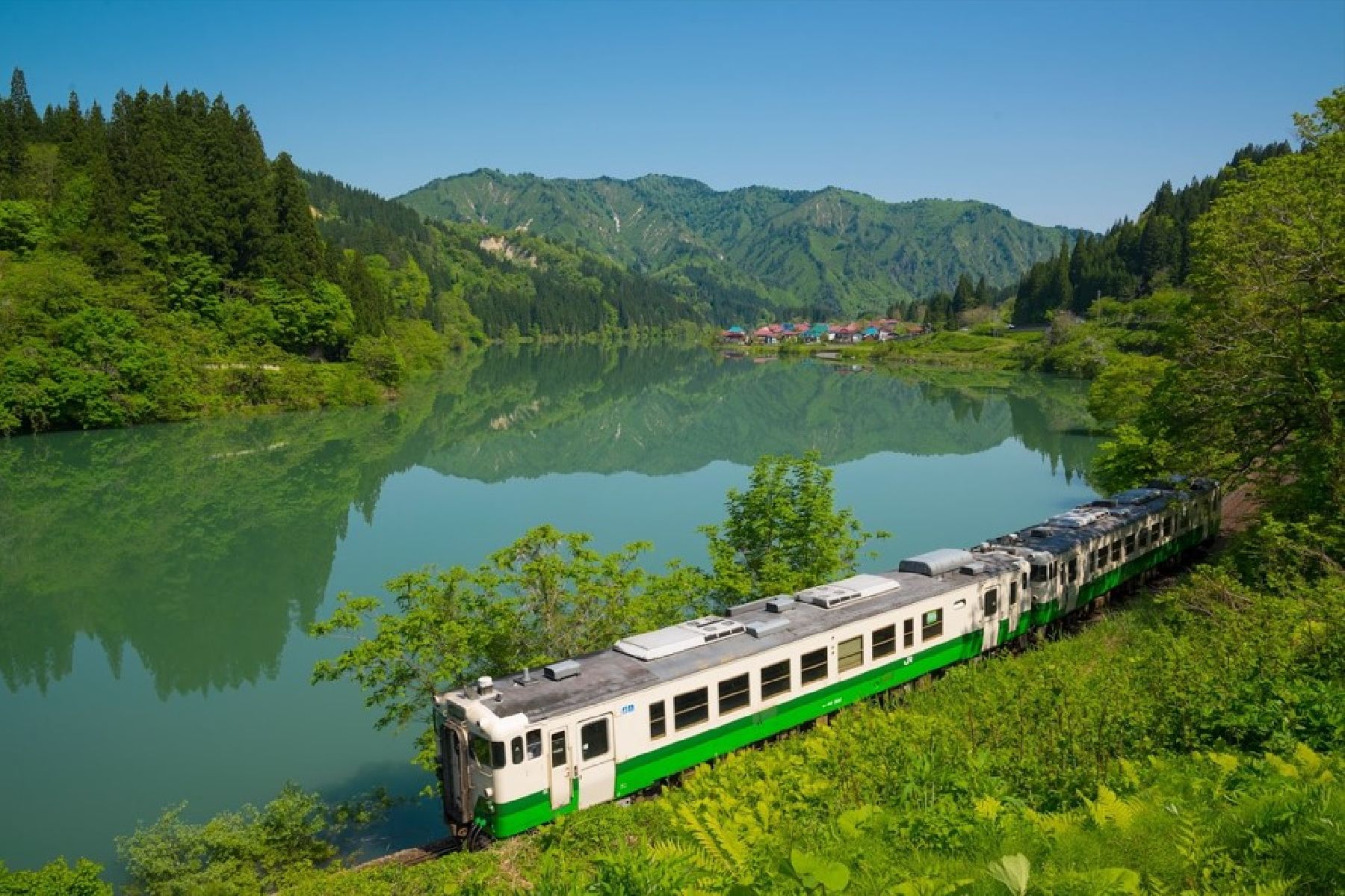
If visiting the Oku-Aizu region, Miori combines well with a visit to the Mishima Town Local Crafts Museum and the Tadami River No.1 Bridge.

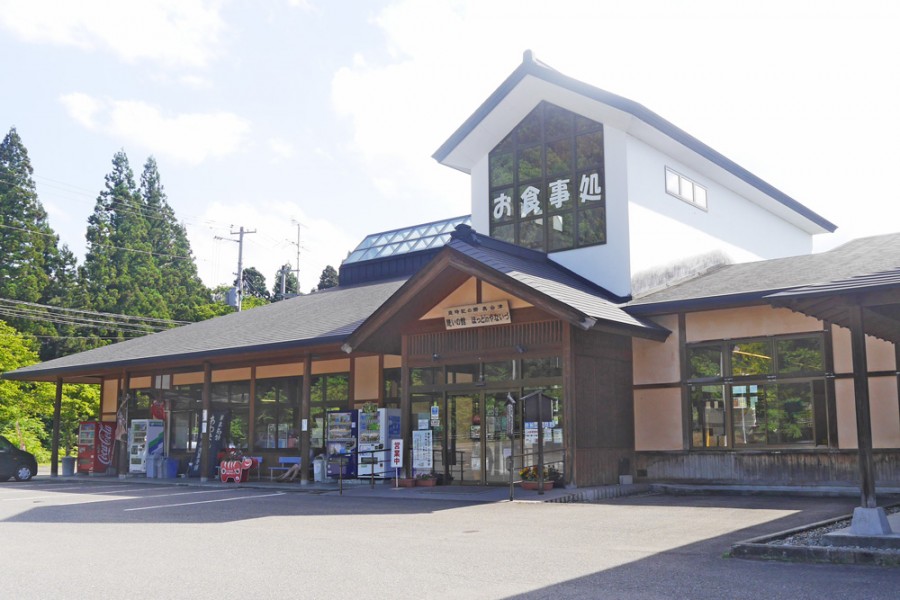
The museum is also located next to the Kaneyama michi no eki or roadside station, which offers local produce, souvenirs and a restaurant.

Venue Details

Venue Details
Websitehttps://okuaizu-suiryokukan.jp/(Japanese)
Best SeasonAll Year
Access Details
Access968-0006 Fukushima, Onuma District, Kaneyama, Nakagawa, 933
View directions
Getting there

By Car: 1hr drive from Aizu-Wakamatsu Station along Route 252

By Train: 1hr 48m from Aizu-Wakamatsu Station on the Tadami Line (then 5min walk from Aizu-Nakagawa Station)

Nearby

The World Glassware Hall
Nature & Scenery

Oze National Park

Oze is home to a plethora of beautiful flowers. These include the Asian skunk cabbage that blossoms in the marshes as the snow melts, and the bright yellow of the Nikko Kisuge, which is reflected in the marshes just when the surrounding mountains become green. The nature of Oze is symbolized by its beautiful flowers, and together with the mountains, lakes, marshes, rivers, forests, and wildlife that lives in this region, create a stunning sight. Chozo Hirano opened up the area around 100 years ago, and because of the protection of its magnificent nature up until now, Oze has become a symbol of nature conservation in Japan. The beautiful nature of Oze presents a different face throughout the seasons, and all continue to charm us. Key points of the sightseeing spot/ recommended points for tours:  In order to both preserve the precious nature of Oze, and to be able to come face-to-face with its splendor, we recommend that you visit on weekdays, and take your time to encounter the nature of Oze. Oze has the Ozenuma Visitor Center and the Oze-Yamanohana Visitor Center as locations from which you can both appreciate Oze's nature, and learn about the environment. At the visitor center, you can learn from displays that explain in an easy-to-understand the formation of the nature in Oze, points to see, and the most up-to-date information about the natural environment. This lets you more fully enjoy the appeal of the nature of Oze.Visits are even more enjoyable when you know more; therefore we recommend visits with a guide who can tell you more about the nature and charm of Oze. We urge visitors to make use of the certified guides who have a wealth of knowledge about Oze's nature, culture, and history, and who can ensure your visit is safe.

The World Glassware Hall
Gourmet & Shopping

Fruit Land Kita-Aizu

Fruit Land Kita-Aizu is the name of the JA Aizu West Agriculture Center. Fruit Land Kita-Aizu serves as a local hub giving information on a number of nearby orchards in Kita-Aizu Town, Aizu-Wakamatsu City. The orchards that make up Fruit Land Kita-Aizu provide visitors with delicious fruit-picking experiences, which can be tried throughout the year. Please enjoy the delicious fruit that Aizu has to offer, and take in the beauty of its nature at the same time.

The World Glassware Hall
History & Culture

Isasumi Shrine

Isasumi Shrine's history is thought to be connected to how the Aizu region got its name - a story that has been recorded in two of Japan’s most legendary books of folklore. According to the tale, around 2000 years ago, four shogun were entrusted with uniting the four areas of land which would become Japan. Two of these shogun happened to be father and son. One was sent to the northeast, and the other to the northwest.When the father and son had completed their work uniting the towns in their respective areas, they met in the middle. They named the area “Aizu” (会津), which can be translated as “The riverbank (津) where we met (会)”. The father and son travelled to Mt. Mikagura-dake, a mountain that borders Niigata Prefecture and Aizu, and prayed to the Shinto god of pioneering new lands to protect Aizu, and the rest of Japan. Isasumi Shrine is thought to be built where they met.In spring, the shrine grounds become decorated with the blossoms of one of the most prized cherry trees in Aizu. It is said that this tree, which is named Usuzumi Sakura (“Diluted-Ink Sakura”), has been the sacred tree of Isasumi Shrine since it was brought down from Mt. Mikagura-dake and planted in the shrine grounds as a way of commemorating the efforts of the father and son. The lovely, light scent of the cherry blossom welcomes visitors each spring.Aizu Misato Town’s historic Isasumi Shrine, known as a great spot for viewing beautiful irises, holds a festival to celebrate the splendor of these flowers every year.

The World Glassware Hall
History & Culture

Mt. Iimoriyama

Located less than 4km from Tsurugajo Castle in Aizu-Wakamatsu, Fukushima, Mt. Iimoriyama has had a difficult and somewhat dark past. But despite it’s history, the natural beauty of the place remains untarnished. There are many local food stalls set up near the base of the hill, so it’s a good idea to have a snack before you begin the ascent up the stone steps. Also at the bottom is the Byakkotai Memorial Hall; it’s located next to the path up the mountain so it’s easy to find. Inside, guests can observe various artifacts of war and learn about some of Aizu's history.Visitors have two choices to get to the top of the hill: hike up the 183 steps to the summit for free; or pay 250 yen to ride the escalator up (150 yen for children). At the summit stand the nineteen graves of the Byakkotai, White Tiger Corps. The story of these young teenage samurai-in-the-making is legendary in Aizu-Wakamatsu City, and all around this prefecture. The Byakkotai boys were part of the defence against the military forces sweeping through the country during the 1868 civil war. They remained loyal to the leader of their domain and Shogun.On an autumn day during the one-month-long siege on their city, the boys had retreated to Mt. Iimoriyama. From the top of this hill, they caught sight of what they assumed to be Tsurugajo Castle set on fire - a sure sign that the war was lost. In response, they did what they had been taught was the honourable course of action, and took their own lives. In fact, the castle had not been set on fire, and the war was not yet lost. One boy was unsuccessful in his attempt, and was saved by a local woman traversing the hills. His life was saved and his story has become the history we know today. Visitors to Mt. Iimoriyama can stand in the same spot as the boys looking out over the city, or pay respects at the various memorials.The gravesite at the top of Mt. Iimoriyama was built in remembrance of those nineteen boys. Their story resonated with the leaders of the Axis Powers of World War II; near the gravesite are two historic landmarks donated by Nazi Germany and Italy. Down the northern side of the mountain are Uga-shindo, a shrine built in the late seventeenth century which deified a white snake as a god of abundance and fertility. There is also a lovely temple shaped like a turban shell, Sazaedo Temple, that visitors can actually go inside.

You might also like

Morohashi Museum of Modern Art
Museums & Galleries

Morohashi Museum of Modern Art

This museum, which opened in June 1999, is located a short walk from the Goshiki-numa Ponds, which is one of the most scenic spots in Fukushima Prefecture.Morohashi Museum of Modert Art houses a collection of about 350 of the works of Salvador Dali, the master Spanish surrealist artist, including paintings, prints, and sculptures, as well as about 40 works by such impressionist and post-impressionist artists as Cézanne, Renoir, Chagall, Picasso, and Van Gogh. About 100 works out of this collection are on permanent exhibition, including 37 works of sculpture by Dali. The scale of this collection is unparalleled in the world and really is worth seeing.

The World Glassware Hall
Museums & Galleries

The World Glassware Hall

The World Glassware Hall is located at the foot of Mt. Bandai, by the side of Lake Inawashiro.About 25,000 handmade glassware items, imported directly from countries all over the world, are exhibited and sold at the World Glassware Hall. You can even try your hand at glass etching, or glass blowing.Next to the Glassware Hall is the Inawashiro Original Beer Brewery and a sweets shop. Local Inawashiro beer has received the gold prize in an international beer competition, and can be purchased on site. In the sweets shop, you can try a line up of famous local delicacies.

Mishima Town Local Crafts Museum
Museums & Galleries

Mishima Town Local Crafts Museum

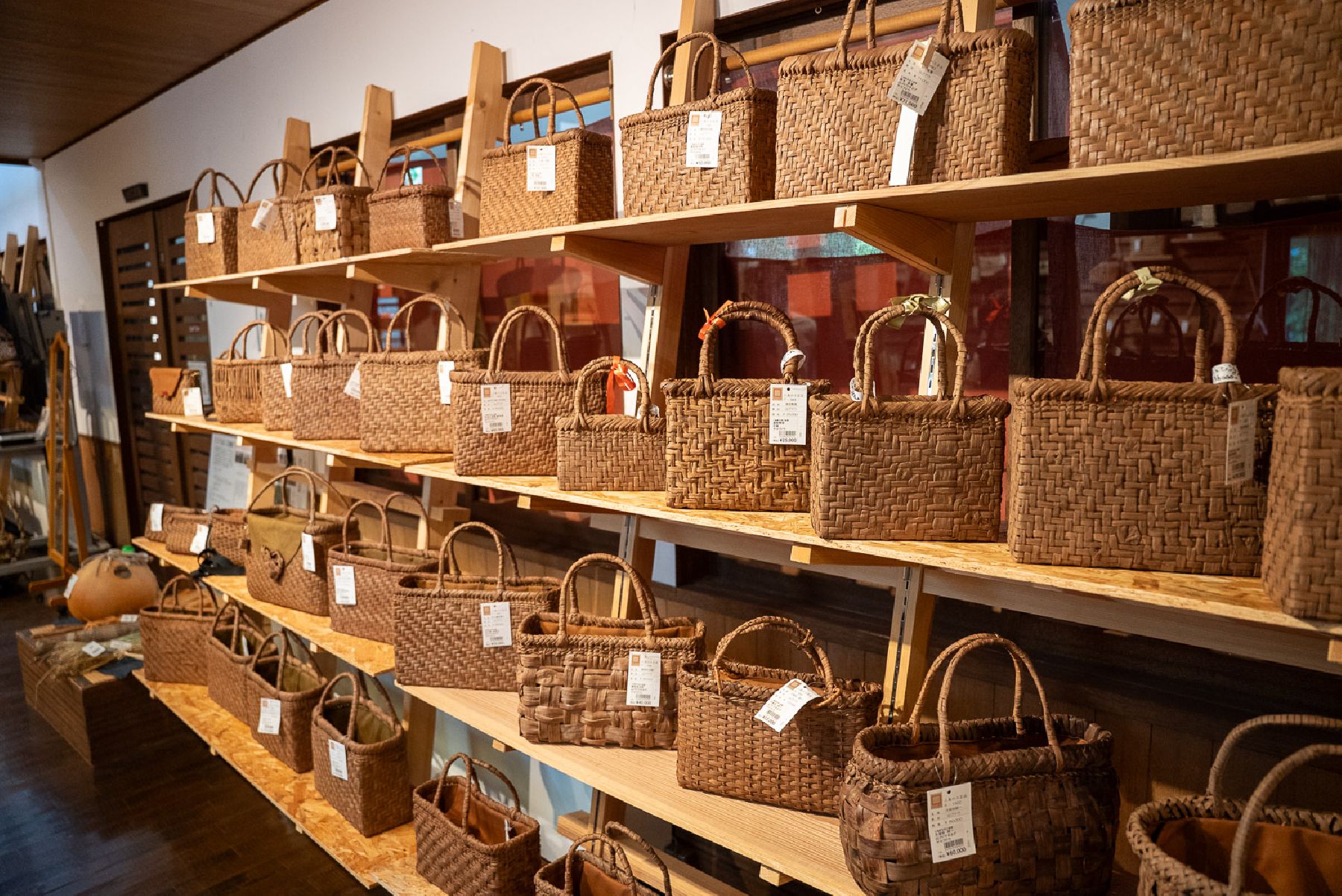
This crafts museum, deep in the heart of the beautiful Oku-Aizu region, specialises in braided wicker crafts that have been a staple of the area for centuries. The local people have a strong affinity for handmade crafts, passing techniques down from generation to generation. In addition to learning about the history of the crafts here, visitors can try their hand at it themselves, making a small strap souvenir to take home (1,000 yen per person; reservations required).There's also an expansive shop on site where visitors can buy baskets, bags, home ornaments and so on.A trip to Mishima combines well with seeing a passing train at one of Japan's most scenic railway bridges, the Tadami River Bridge No.1, accessible by parking at the Mishima roadside station.

Showa Nostalgia Museum
Museums & Galleries

Showa Nostalgia Museum

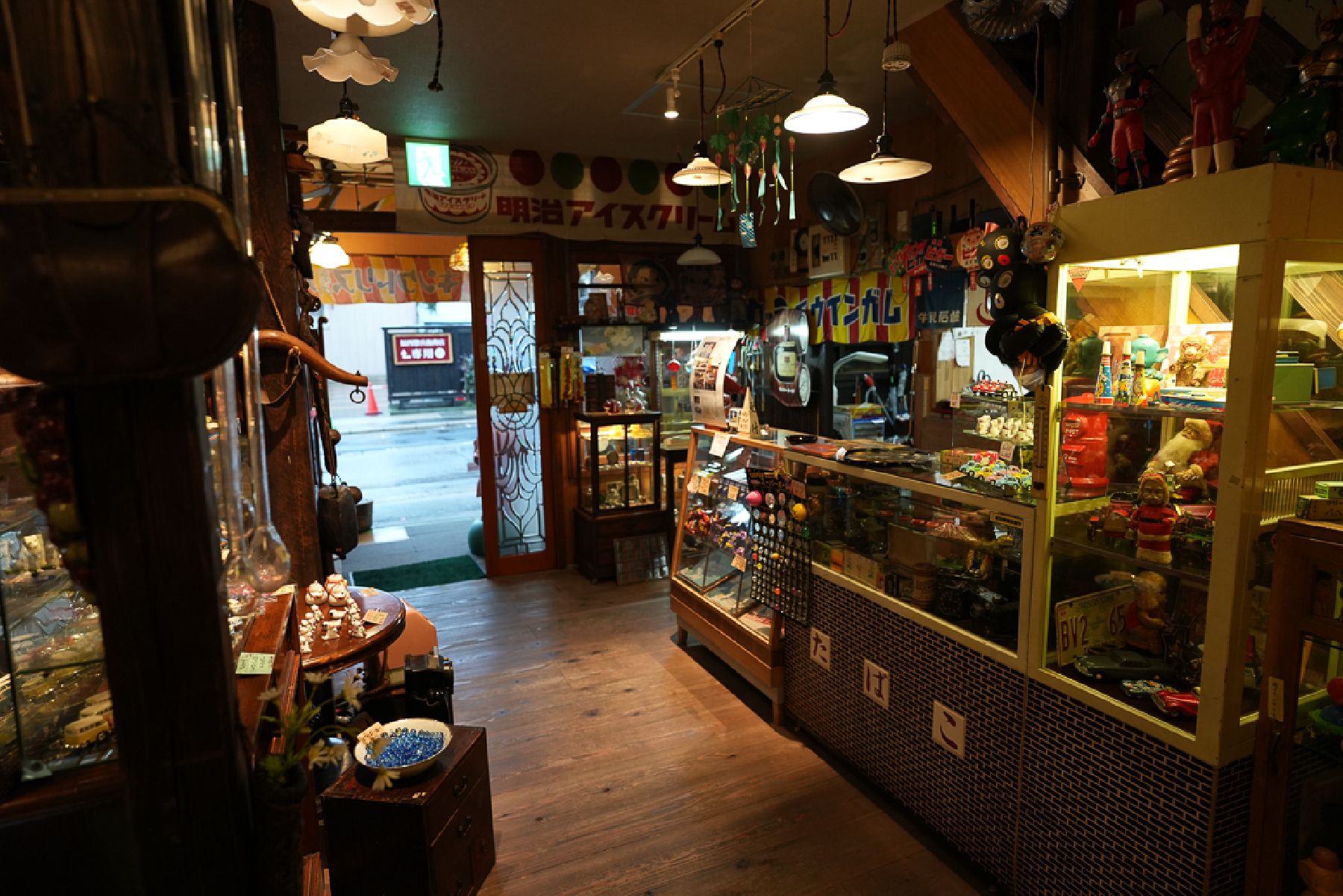
The Showa Nostalgia Museum (or 'Natsukashi-kan') is a museum in Aizu-Wakamatsu dedicated to the Showa period of Japanese history, 1926-1989. The museum features goods spanning the period and includes several rooms perfectly recreating the style that would have been common generations ago.The walls are plastered with classic movie posters and the shelves are heaving with old toys and model figurines. There is also a small shop at the front desk selling snacks and small ornaments.

Top