Kaneyama Fureai Hiroba Viewpoint

Kaneyama Fureai Hiroba Viewpoint

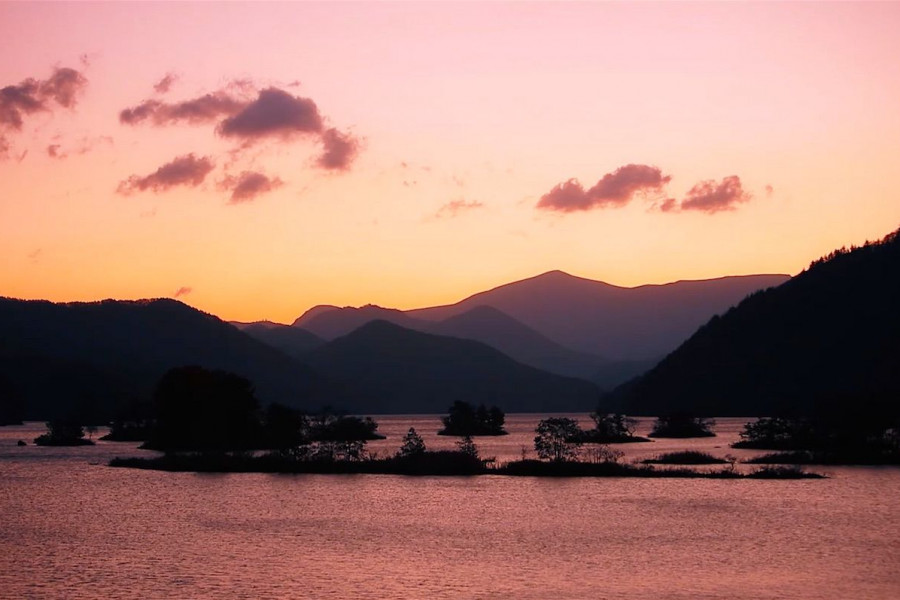
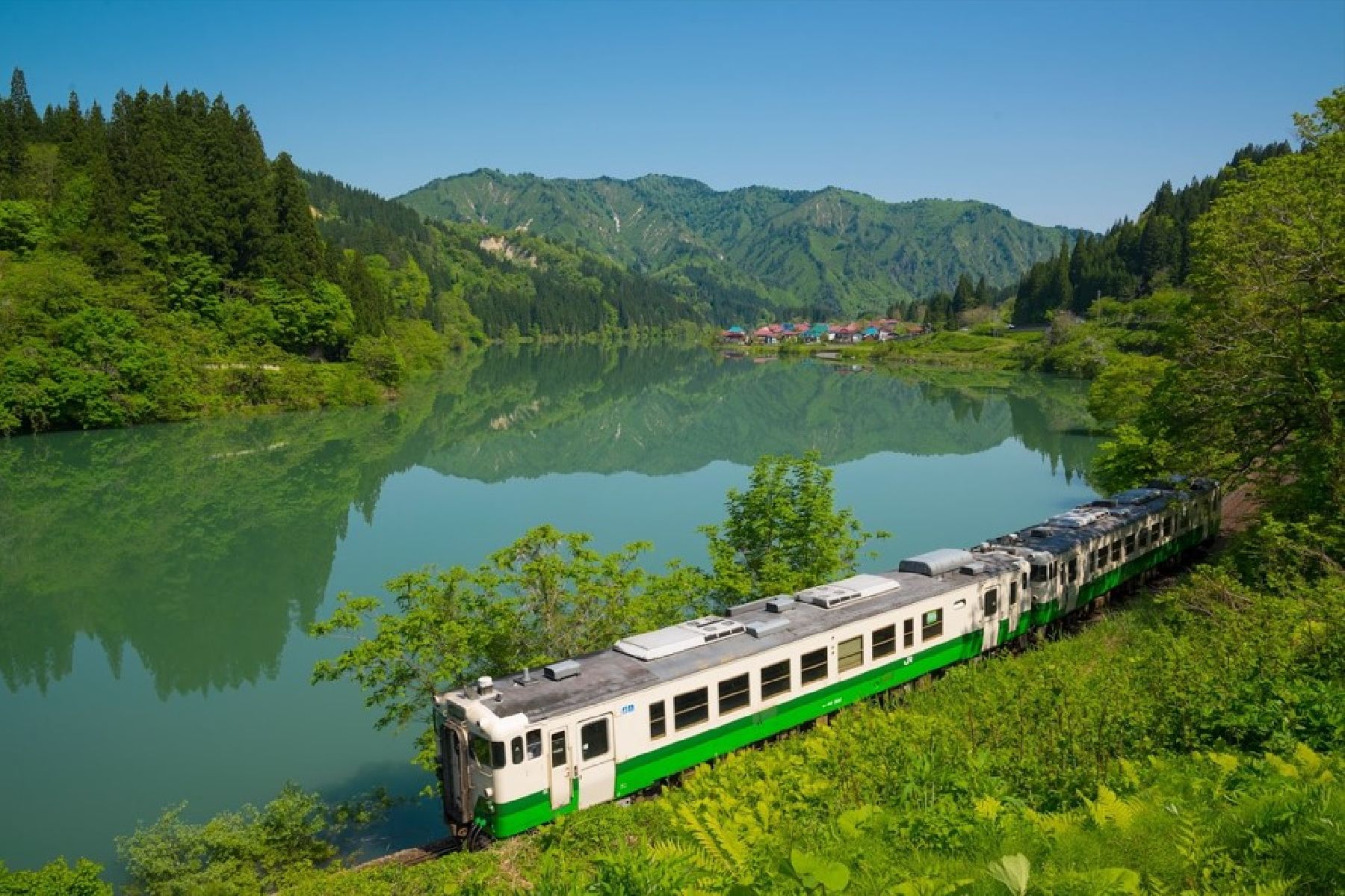
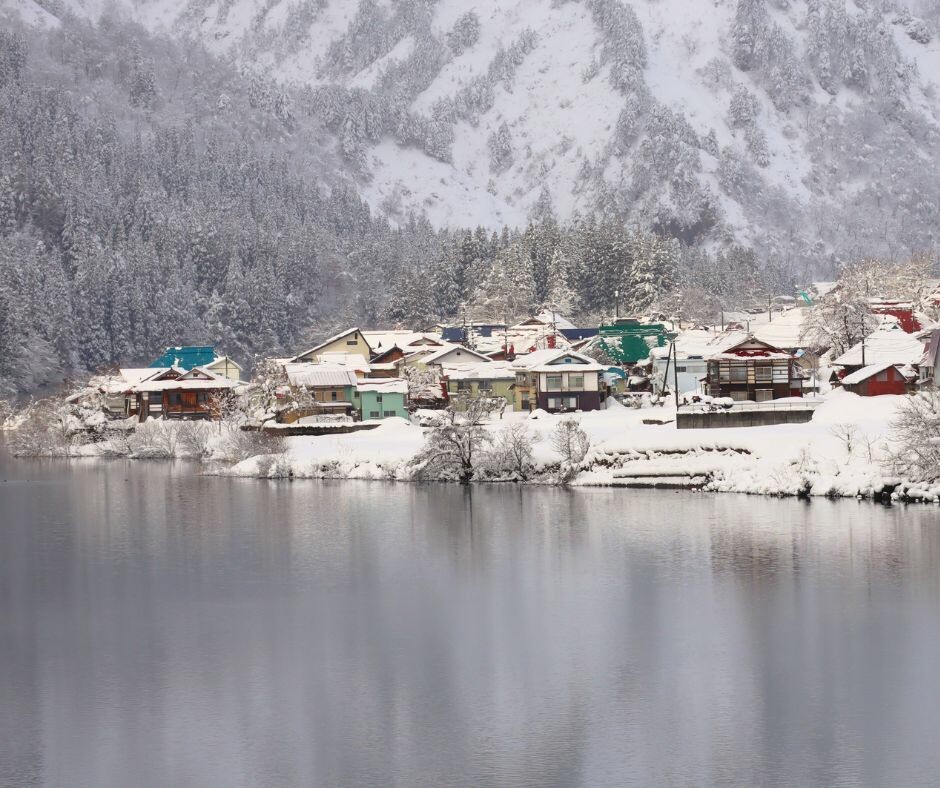
Over the course of the year, Kaneyama Fureai Hiroba Viewpoint greets visitors with views of atmospheric fog rising above the Tadami River, mountains frosted with snow or painted with autumn leaves, all surrounding the Oshi Shuraku district of traditional houses.

Venue Details

Venue Details
Websitehttp://www.kaneyama-kankou.ne.jp/en/
Contact

Kaneyama Town Tourism and Local Products Association
(+81) 241-42-7211

(+81) 241-42-7211

Best SeasonAll Year
Related infoContact Kaneyama Town Tourism and Local Products Association via the inquiry form on their website http://www.kaneyama-kankou.ne.jp/en/inquiry/inquiry.html
Access Details
AccessKawaguchi, Kaneyama, Onuma District, Fukushima 968-0011
View directions
Getting there

By Car: Approx 1 hour drive from Aizu-Wakamatsu City (Via the Aizubange I.C. exit off the Ban-etsu Expressway)

By Train: 7 min walk from Aizu Kawaguchi Station (JR Tadami Line)

Useful Links

Tadami Line: 5 Sights You Shouldn't Miss

Guide to Visiting the Famous Tadami River Bridge Viewpoint

Ideas for Winter Trips in Fukushima

Nearby

The World Glassware Hall
History & Culture

Shingu Kumano Shrine Nagatoko

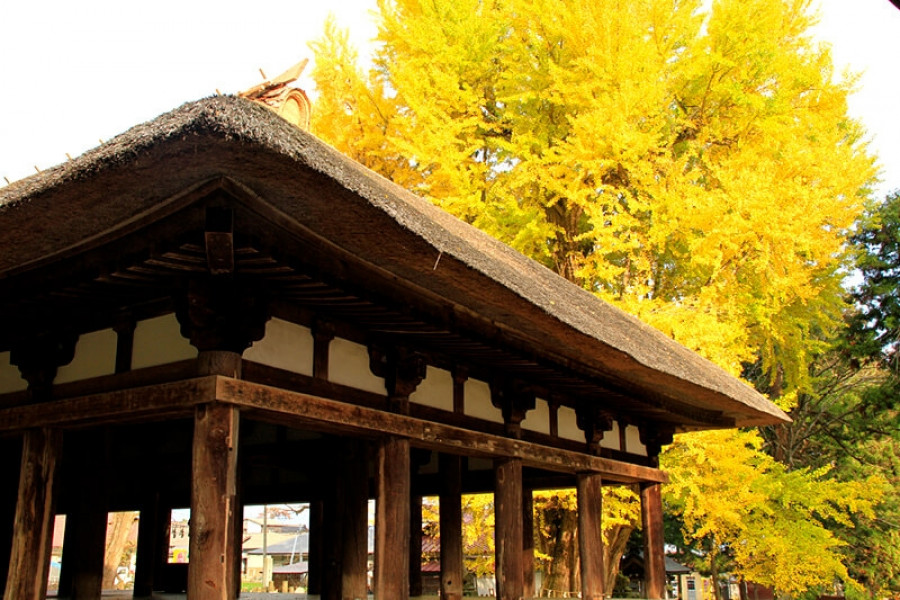
Built in 1055, the Nagatoko is Shingu Kumano Shrine's worship hall and translates to “long floor”. It is designated as a Nationally Important Cultural Asset. Its thatched roof main structure was built between the Heian period and the Kamakura period and is supported by 44 massive pillars, each one 45 cm in diameter. It is a large, open stage with no walls, said to have been used for ascetic training by priests, as well as kagura dance festivals. Housed inside a nearby large wooden frame is the shrine bell, which visitors to the shrine are welcome to hit with a wooden rod. There is also a famous copper pot in which, allegedly, rice was rinsed before being offered to the gods; the pot was designated as an Important Cultural Property in 1959. This treasure is housed at the shrine along with many others and is on display for visitors along with national and prefectural designated cultural assets. Also not to be missed is the lion statue in the center of the treasure hall. It is known as a guardian of wisdom: a local legend says that if you can pass under the belly of the lion, your wisdom will blossom. It is a popular place for students to visit before the exam season and even politicians before election season. Come autumn, the magnificent 800-year-old ginkgo tree at the site is bathed in yellow, contrasting beautifully with the Nagatoko. This ancient tree has also been designated as a Natural Monument of Kitakata City. In November each year, you can even see a special illumination of the ginkgo tree for a limited time.
The World Glassware Hall
Nature & Scenery

Kannonji-gawa River Cherry Trees

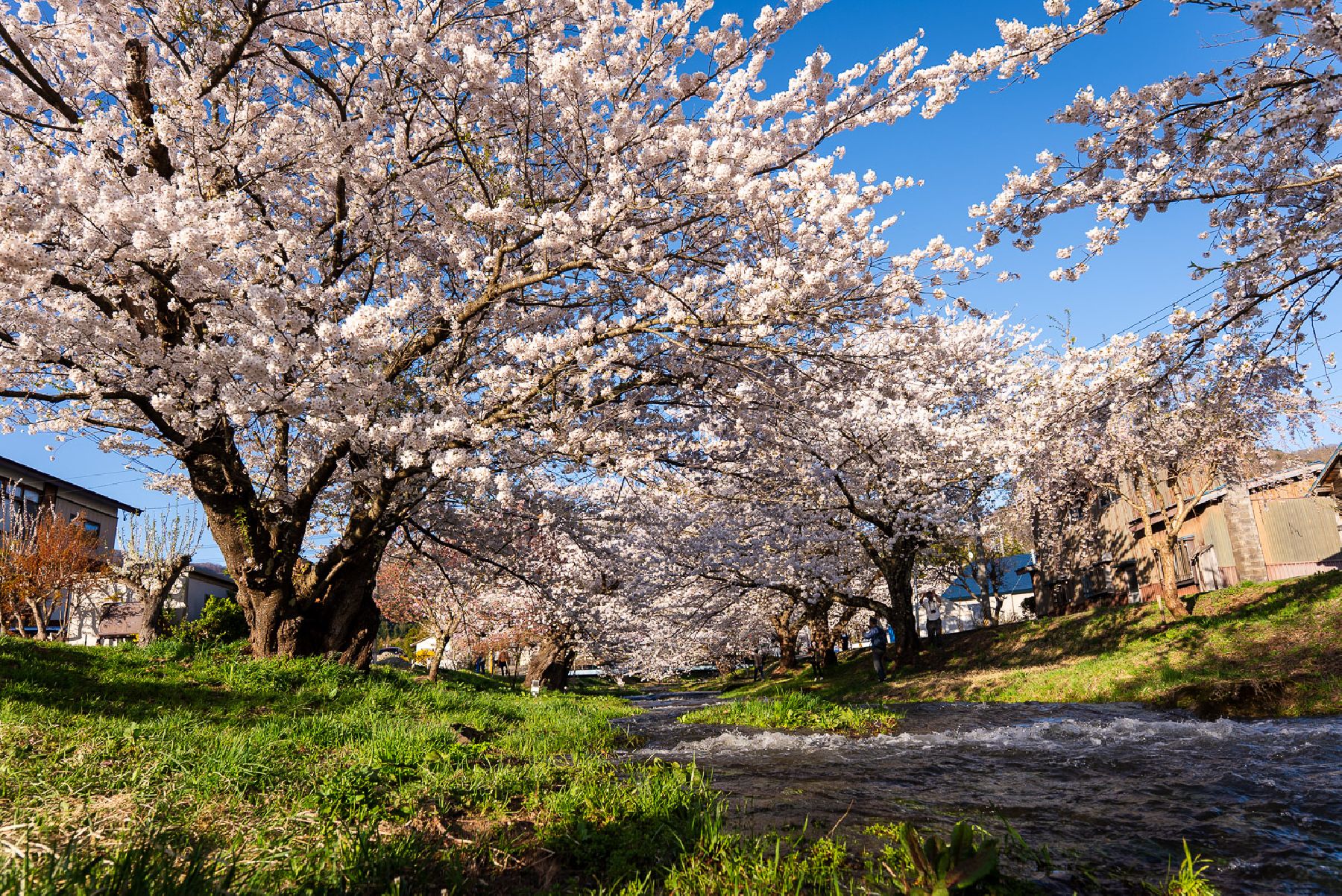
Only a one-minute walk north of Kawageta Station (JR Ban-etsu West Line) is this beautiful 1 km-path along the banks of the Kannonji-gawa River. In the spring the path transforms into a spectacular tunnel of Yoshino cherry trees and weeping cherry trees. Kannonji-gawa River is perhaps the most fantastic place to see cherry blossoms in Fukushima Prefecture; the calming river and the lovely petals falling like snow are a sight that can’t be beat. The lush green bank contrasting with the pale pink blossoms creates an unforgettable scene.Altogether there are about 200 trees growing along the Kannonji-gawa River on both banks. Additionally, the river maintains its natural curves and bends as it hasn’t undergone any work to adapt its shape to the city surrounding it. It’s one of Fukushima’s most splendid and respected natural landscapes. Currently, the Kannonji-gawa River cherry trees rank number 11 of the best places to see cherry blossoms in the entire Tohoku region!While enjoying the delicate blossoms and the sweet, fresh air, visitors to Kannonji-gawa River can also enjoy some of the tasty food from street vendors available only during the cherry blossom season. We’d really recommend a springtime picnic right on the river bank with various yatai (food stand) delicacies. Be sure to come back during the evening when the trees are illuminated, and the river transforms into a magical dreamscape.

The World Glassware Hall
History & Culture

Hanitsu Shrine

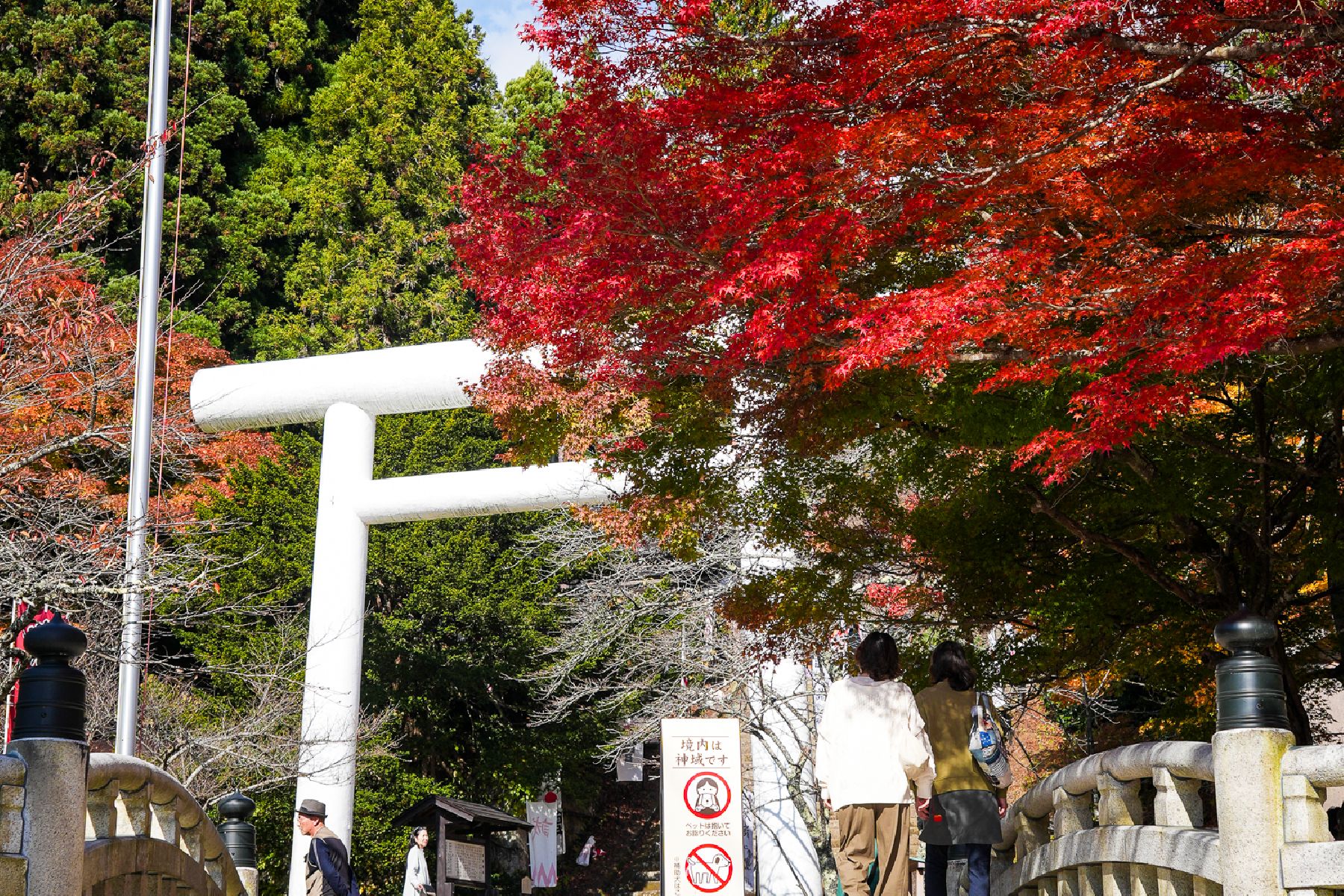
This shrine is dedicated to Masayuki Hoshina, who founded the Aizu Domain during the first half of the Edo Period. During the early Edo Period, Hoshima Masanobu – an ancestor of feudal lords from the Aizu Domain – was enshrined at Hanitsu Shrine.The grounds exude a holy atmosphere that can be felt throughout the shrine precincts. The 400 years of history held by this shrine, starting from the Edo Period, will surely be of interest to history enthusiasts and fans of the Aizu Domain alike.During the autumn, the grounds are covered with a gorgeous carpet of bright red leaves. Many tourists and photographers come to visit Hanitsu Shrine in Autumn to capture this scene in their photos.

The World Glassware Hall
Gourmet & Shopping

Tsurugajo Kaikan

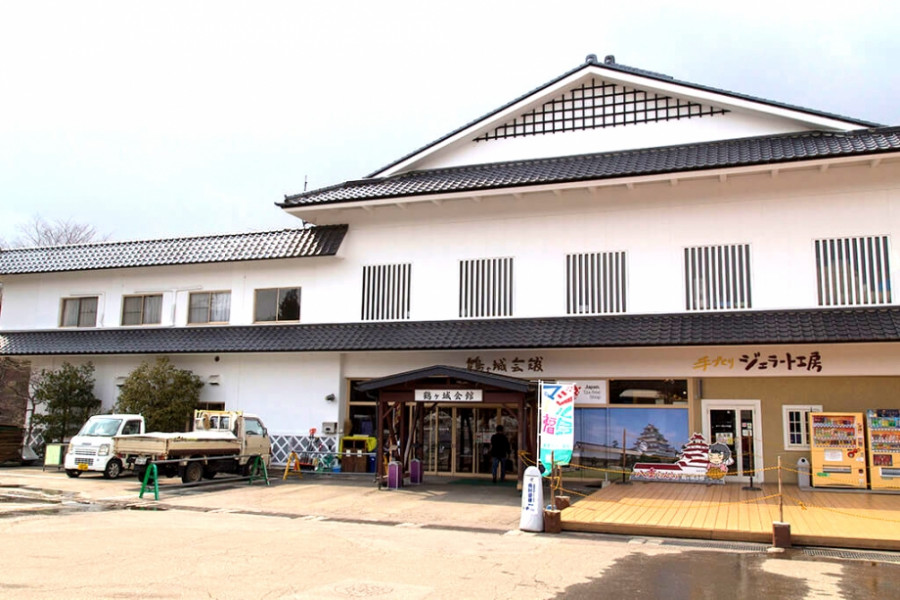
Tsurugajo Kaikan is a shopping complex next to Tsurugajo Castle. Here you can try local cuisine, from Wappa Meshi and Sauce Katsudon, to soba noodles and Kitakata Ramen. The French restaurant "Racines" is also on the premises, so that both Japanese and western-style cuisines can be enjoyed in one location. The restaurants have seating for approximately 1,000 guests.The first floor contains a tax-free shop that sells local Aizu goods and souvenirs, from ready-to-cook Kitakata Ramen, soba noodles, Japanese pickles, and sweet treats, to traditional crafts like Akabeko lucky red cow.You can even try painting your own akabeko cow (a traditional folk toy which is said to bring luck), and take it home as a souvenir of your trip. Painting an akabeko takes about 30 minutes, and a reservation is required for groups. The parking area accommodates full-size buses as well as personal vehicles.  

You might also like

Oze National Park
Nature & Scenery

Oze National Park

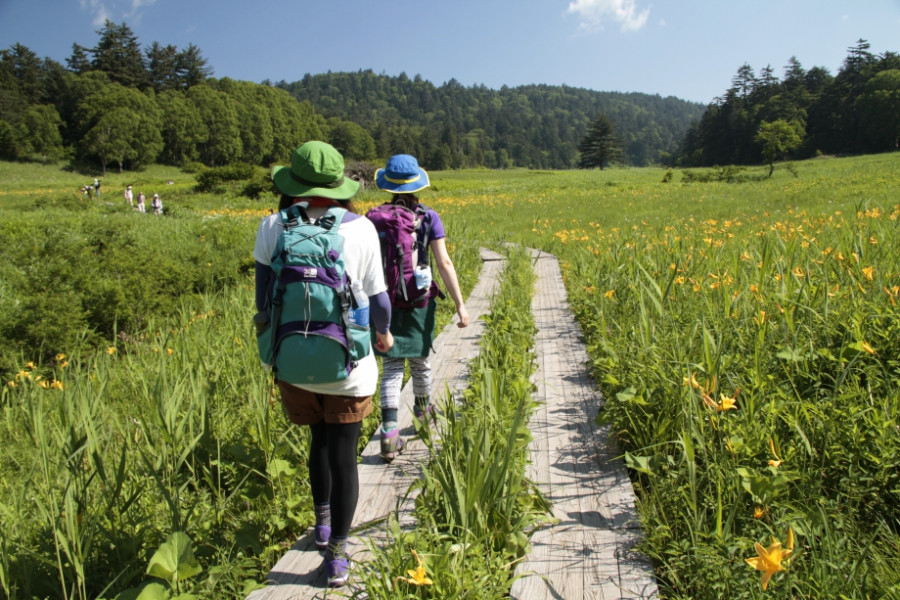
Oze is home to a plethora of beautiful flowers. These include the Asian skunk cabbage that blossoms in the marshes as the snow melts, and the bright yellow of the Nikko Kisuge, which is reflected in the marshes just when the surrounding mountains become green. The nature of Oze is symbolized by its beautiful flowers, and together with the mountains, lakes, marshes, rivers, forests, and wildlife that lives in this region, create a stunning sight. Chozo Hirano opened up the area around 100 years ago, and because of the protection of its magnificent nature up until now, Oze has become a symbol of nature conservation in Japan. The beautiful nature of Oze presents a different face throughout the seasons, and all continue to charm us. Key points of the sightseeing spot/ recommended points for tours:  In order to both preserve the precious nature of Oze, and to be able to come face-to-face with its splendor, we recommend that you visit on weekdays, and take your time to encounter the nature of Oze. Oze has the Ozenuma Visitor Center and the Oze-Yamanohana Visitor Center as locations from which you can both appreciate Oze's nature, and learn about the environment. At the visitor center, you can learn from displays that explain in an easy-to-understand the formation of the nature in Oze, points to see, and the most up-to-date information about the natural environment. This lets you more fully enjoy the appeal of the nature of Oze.Visits are even more enjoyable when you know more; therefore we recommend visits with a guide who can tell you more about the nature and charm of Oze. We urge visitors to make use of the certified guides who have a wealth of knowledge about Oze's nature, culture, and history, and who can ensure your visit is safe.

To-no-hetsuri Crags
Nature & Scenery

To-no-hetsuri Crags

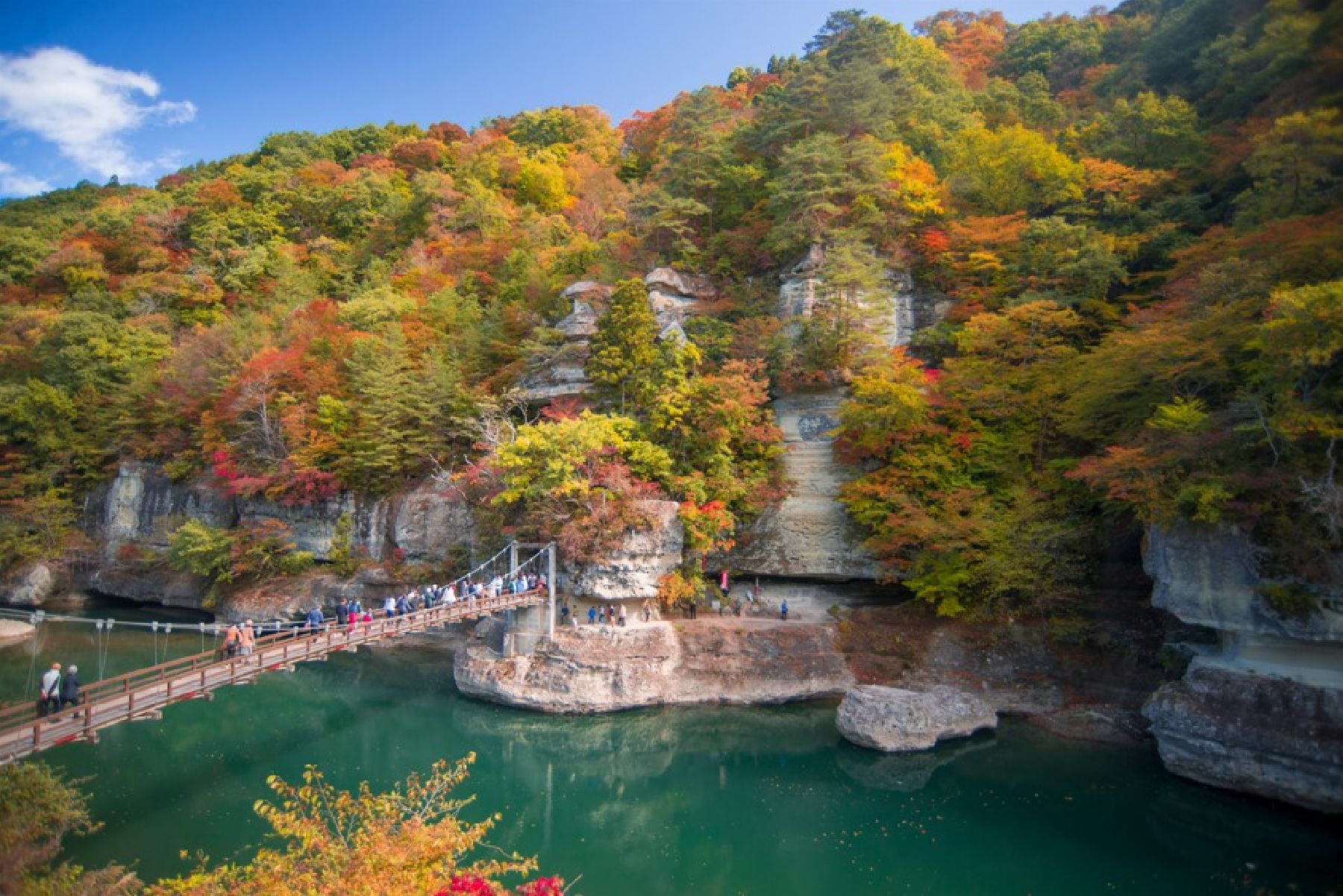
A national natural monument, To-no-hetsuri Crags consists of tower-shaped cliffs overlooking Okawa River. Hetsuri is an Aizu word meaning "a cliff overlooking a river" or "a steep slope" in the local dialect.These strange-shaped cliffs are thought to be made of various types of rocks formed around 28 million years ago and feature deep cracks along the vertical joints. Thanks to trees growing between the white multi-layered rocks the view in autumn is quite spectacular. In spring and summer, the lush greens create a beautiful carpet down the rocks; in winter, the heavy snows make To-no-hetsuri Crags look otherworldly.The 200-meter long, natural cliff formation has alternating types of rocks that also include a relatively soft strata, which have been eroded by rain and wind, resulting in distinctive and eye-catching dips and curves in the rock face that resemble a forest of towers. Each of these tower-like rocks has its own name: Eagle Tower, Hawk Tower, Lion Tower, House Tower, Turret Tower, Nine-Ring Tower, Elephant Tower, Goma (fire ritual) Tower, Eboshi (tall hat worn by male aristocrats in the Heian Period) Rock, Folding Screen Rock, Stage Rock, and Sumo Arena Rock.Visitors to the area of To-no-hetsuri Crags can best enjoy the dynamic scenery by crossing the nearby suspension bridge. The suspension bridge offers a breathtaking sight of the river and cliff sides. At the foot of the cliff there is also a small shrine dedicated to the Bodhisattva of Wisdom. Another great way to enjoy To-no-hetsuri Crags is from the observatory neighboring the area where guests can view a panoramic scene of Okawa River, To-no-hetsuri Crags, and the suspension bridge. After enjoying the beautiful sight, head over to the local shopping area for restaurants and souvenirs.

Urabandai Highlands
Nature & Scenery

Urabandai Highlands

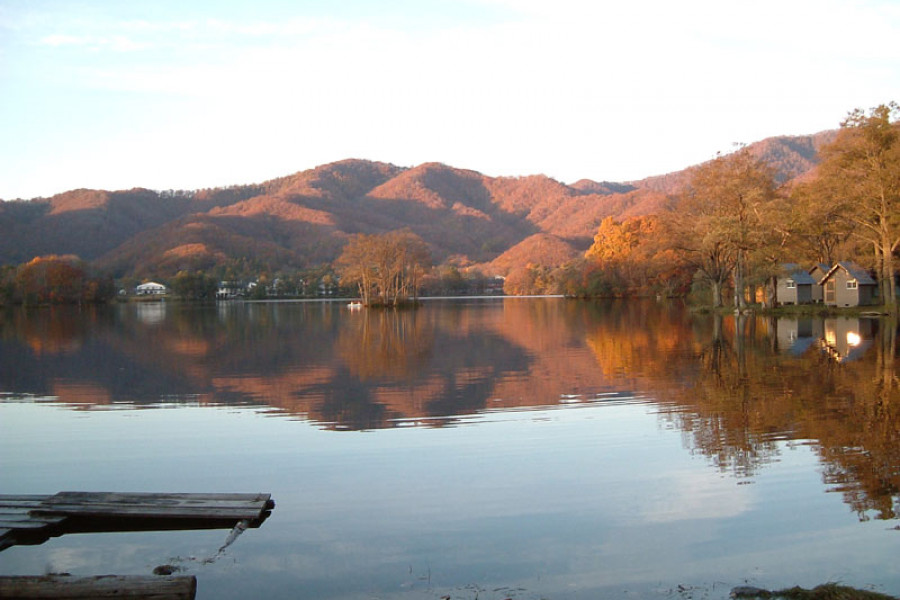
The Urabandai highlands of northern Fukushima Prefecture, are situated at an altitude of 800 meters and surrounded by Mt. Bandai, Mt. Adatara, and Mt. Azuma. The highlands were created by Mt. Bandai erupting in 1888. Urabandai is part of Bandai Asahi National Park and offers a variety of seasonal attractions. Cool weather in summer and deep snow in winter make Urabandai a perfect place for both indoor and outdoor enjoyment. About 300 lakes and ponds, including the Goshiki-numa Ponds and Lake Hibara, are scattered across Urabandai. The harmonious beauty of nature created by the abundant woodlands and lakes will certainly touch the hearts of all visitors.

Top