Suehiro Sake Brewery Kaeigura

Suehiro Sake Brewery Kaeigura

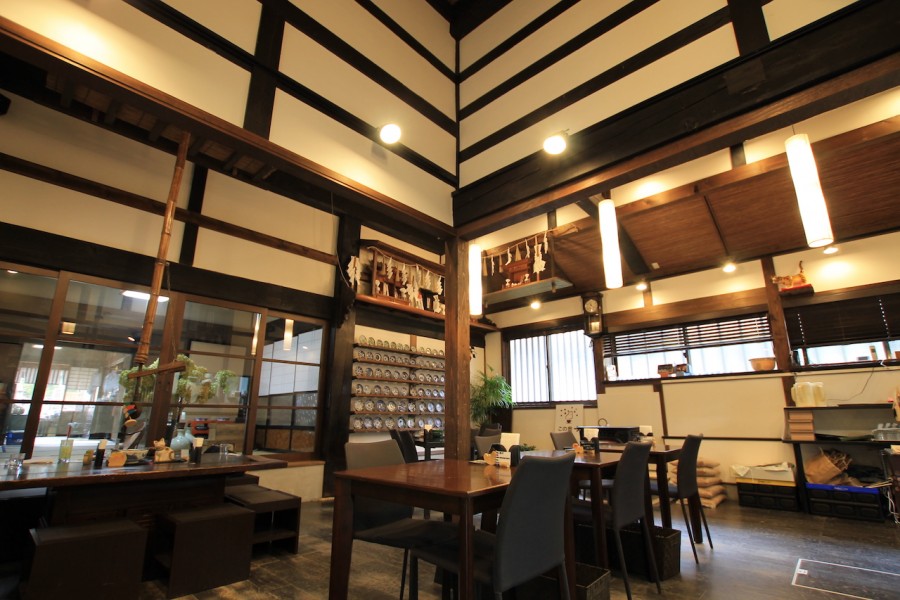
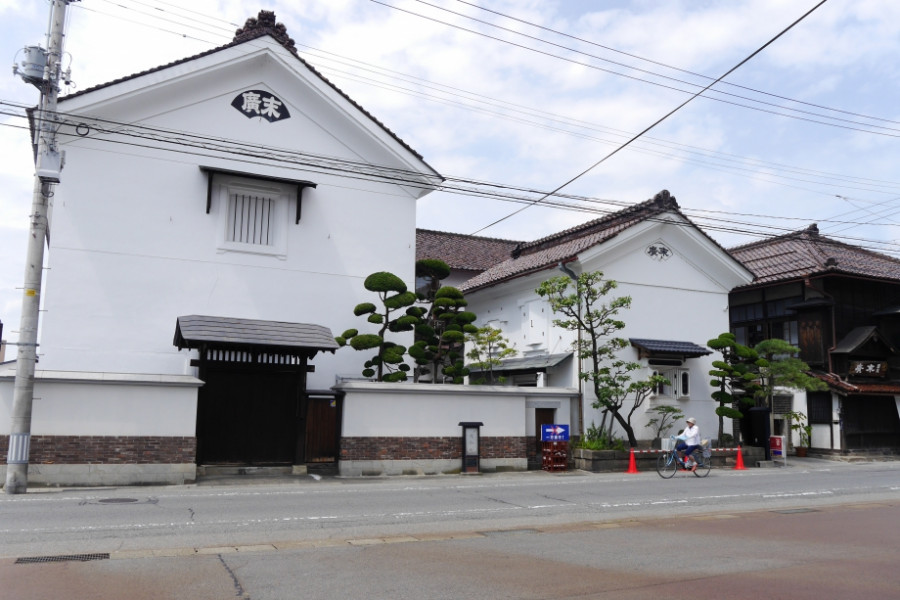
Suehiro Sake Brewery was founded at the end of the Edo Period, in the mid 19th century. The Kaeigura (the building where the sake is brewed) has been designated as an important historical building by Aizu-Wakamatsu City. Here, visitors can take a guided tour of the sake-brewing process, as well as of old Japanese-style rooms which were built during the Meiji Period. The brewing process takes place from October to March every year. During this time, visitors can see the process and conditions inside the fermentation tanks. Visitors may try between six and ten different kinds of sake for free year-round. Suehiro sake and other Aizu products are available for sale on-site. On the left side after entering the gate stands a café called Kissa Ann. The architecture of Kissa Ann was remodelled from the Kaeigura's oldest storehouse. Here, you can enjoy coffee made with water prepared especially for making sake, and cake made using high-quality sake.

Venue Details

Venue Details
Websitehttps://www.sake-suehiro.jp/(Japanese)
Contact

Suehiro Shuzo Co., Ltd. Kaeigura

(+81) 242-27-0002

Best SeasonAll Year
Opening Hours

10:00 AM to 5:00 PM

Closed on Dec. 31 and Jan. 1

ParkingAvailable
Entrance FeeFree
Related infoTours start every 30 min from 9:00 AM to 4:30 PM (Japanese only)
Access Details
Access12-38 Nisshinmachi, Aizu-Wakamatsu City, Fukushima Pref. 965-0861
View directions
Getting there

By Train: 20 min walk from Aizuwakamatsu Station (JR Ban-etsu West Line), or a 10 min taxi ride from the station.

Related trips

Nearby

The World Glassware Hall
Nature & Scenery

Kannonji-gawa River Cherry Trees

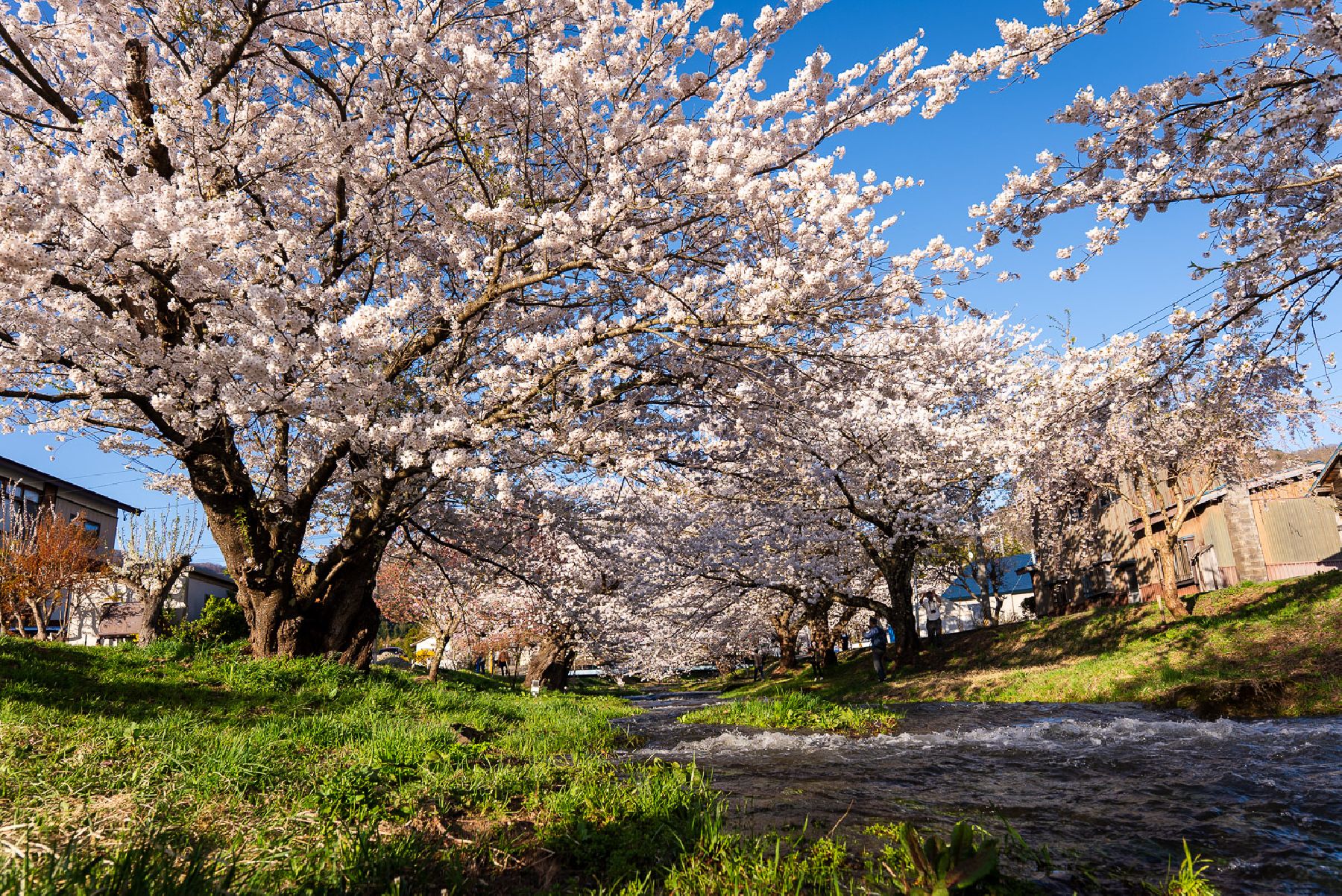
Only a one-minute walk north of Kawageta Station (JR Ban-etsu West Line) is this beautiful 1 km-path along the banks of the Kannonji-gawa River. In the spring the path transforms into a spectacular tunnel of Yoshino cherry trees and weeping cherry trees. Kannonji-gawa River is perhaps the most fantastic place to see cherry blossoms in Fukushima Prefecture; the calming river and the lovely petals falling like snow are a sight that can’t be beat. The lush green bank contrasting with the pale pink blossoms creates an unforgettable scene.Altogether there are about 200 trees growing along the Kannonji-gawa River on both banks. Additionally, the river maintains its natural curves and bends as it hasn’t undergone any work to adapt its shape to the city surrounding it. It’s one of Fukushima’s most splendid and respected natural landscapes. Currently, the Kannonji-gawa River cherry trees rank number 11 of the best places to see cherry blossoms in the entire Tohoku region!While enjoying the delicate blossoms and the sweet, fresh air, visitors to Kannonji-gawa River can also enjoy some of the tasty food from street vendors available only during the cherry blossom season. We’d really recommend a springtime picnic right on the river bank with various yatai (food stand) delicacies. Be sure to come back during the evening when the trees are illuminated, and the river transforms into a magical dreamscape.

The World Glassware Hall
Nature & Scenery

Urabandai Highlands

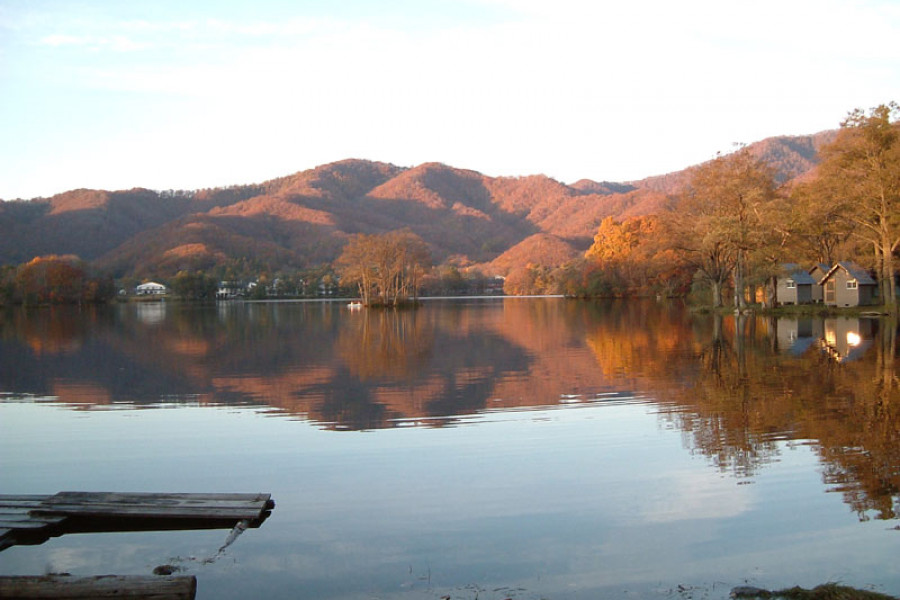
The Urabandai highlands of northern Fukushima Prefecture, are situated at an altitude of 800 meters and surrounded by Mt. Bandai, Mt. Adatara, and Mt. Azuma. The highlands were created by Mt. Bandai erupting in 1888. Urabandai is part of Bandai Asahi National Park and offers a variety of seasonal attractions. Cool weather in summer and deep snow in winter make Urabandai a perfect place for both indoor and outdoor enjoyment. About 300 lakes and ponds, including the Goshiki-numa Ponds and Lake Hibara, are scattered across Urabandai. The harmonious beauty of nature created by the abundant woodlands and lakes will certainly touch the hearts of all visitors.

The World Glassware Hall
Gourmet & Shopping

Wakaki Shop & Brick Warehouse

Wakaki (若喜商店) is a shop specializing in soy sauce brewing and a historical warehouse in Kitakata City. Both the shop and the warehouse buildings have been recognized for their unique architectural value, and were both designated Tangible Cultural Properties. The original brick warehouse was built in 1904, and was used both as a residence (second floor) and as a warehouse, as well as a place to entertain guests. An interesting feature of the building is its fusion of styles: from the outside it has a strikingly Western appearance with a brick facade, but the interior is built in Japanese-style with tatami floors. The wood used for the pillars and the main table was sourced from a very rare persimmon tree. The building uses a unique construction method to make it resistant to earthquakes.Founded in 1755, Wakaki brews both soy sauce and dashi sauce using traditional methods and locally sourced ingredients. You can get your hands on these unique artisanal products at the gift shop.The shop building, built in 1931, is also made from the same wood as the warehouse. From spring to autumn (usually from April to November), a gift store called “Showa Kan” inside the building complex sells rare vintage relics from Japan, like toys, collectable items and postcards. The shop is closed during winter.The shop also offers ‘akabeko’ painting experiences, in which you can paint your own akabeko (Fukushima’s lucky red cow) by reservation only (please contact the store directly for more information regarding this experience).Read more information about Kitakata’s kura warehouses here.

The World Glassware Hall
Nature & Scenery

Nicchu Line Weeping Cherry Blossoms

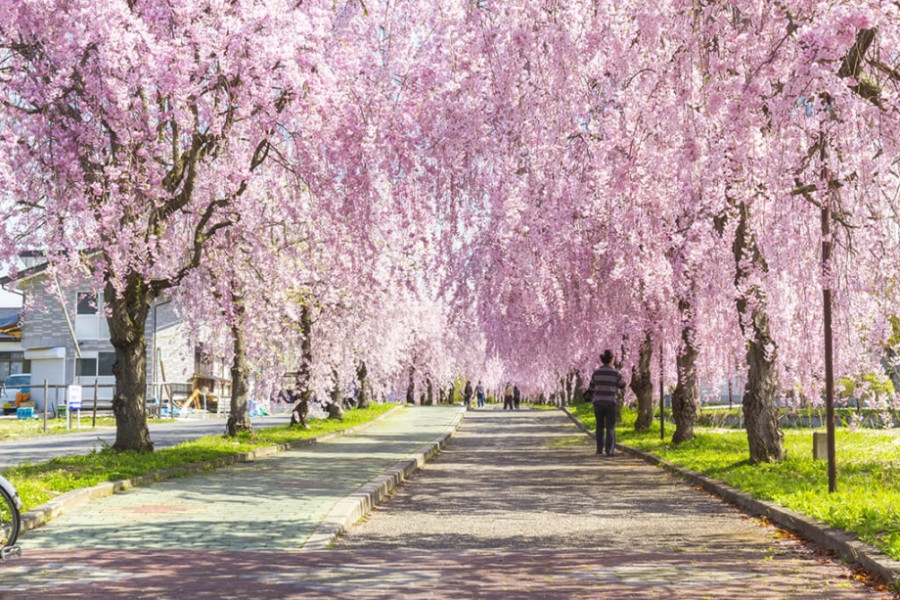
The Nicchusen cherry blossoms in Kitakata City follow a three-kilometer section of the former Nicchu Line railway. Once running between Kitakata and Atsushio Onsen, part of the line has been converted into a walking and cycling path. Each spring, rows of cherry trees along the path draw visitors to see them in bloom, usually around Golden Week in late April or early May.The length of the path allows people to enjoy the blossoms at their own pace. Even when some areas are busy, it is easy to find quieter spots for photos or a break. Visitors often walk the full route, stopping at different points to take in the changing scenery.Along the way, there are several features of interest. An old steam locomotive, once used on the Nicchu Line, remains on display at the midpoint and has become a popular photo spot. The path also runs past houses, rice fields, and farmland, giving a glimpse of the everyday landscape of Kitakata.Different types of cherry trees can be seen, from weeping varieties to those with pale or darker blossoms. With open areas to sit and rest, many people bring food or drinks to enjoy a picnic under the trees, making the Nicchusen cherry blossom path a relaxed way to experience spring in Fukushima.
You might also like

Top