Tadami River Bridge No. 1 Viewpoint

Tadami River Bridge No. 1 Viewpoint

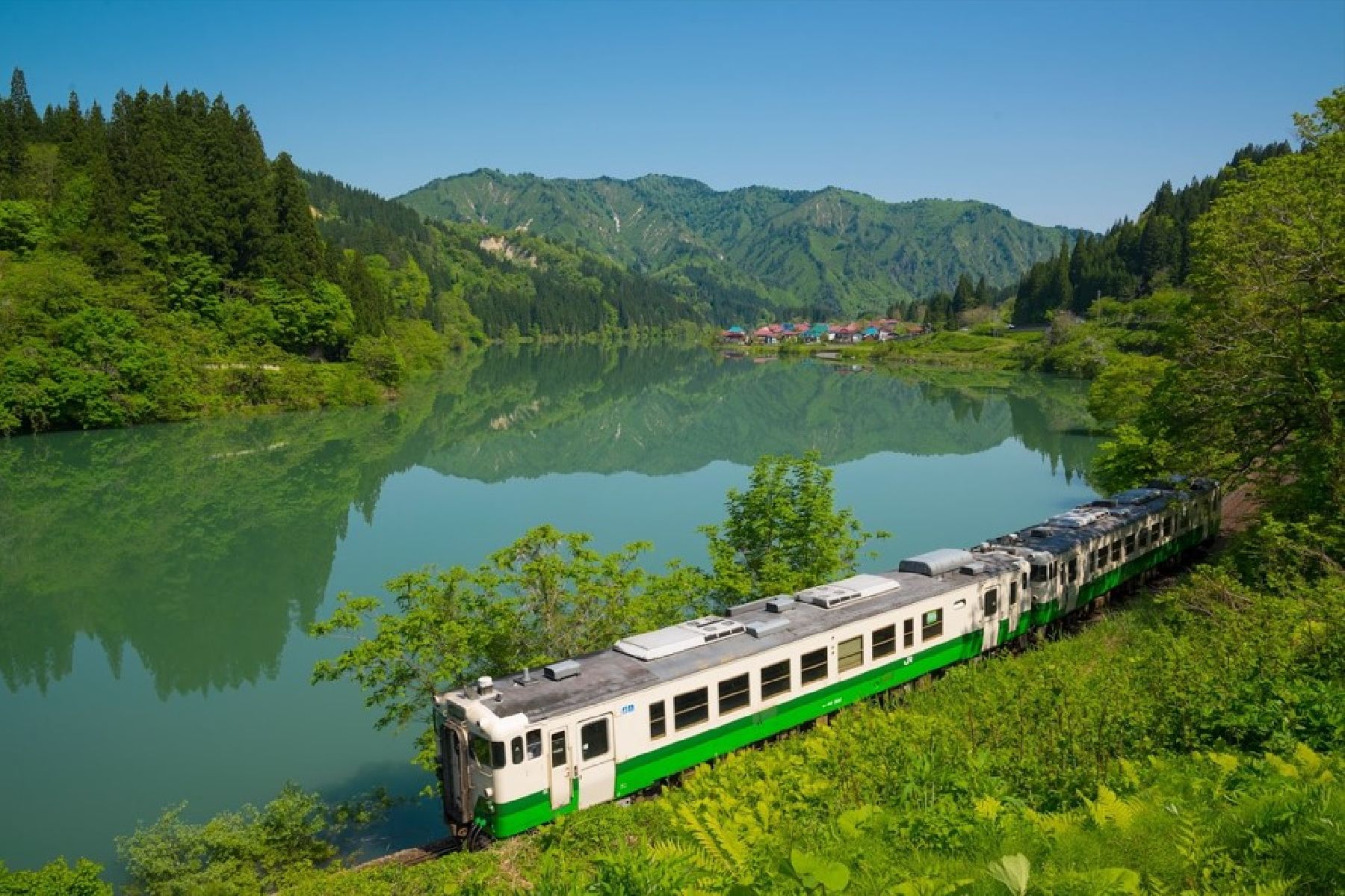
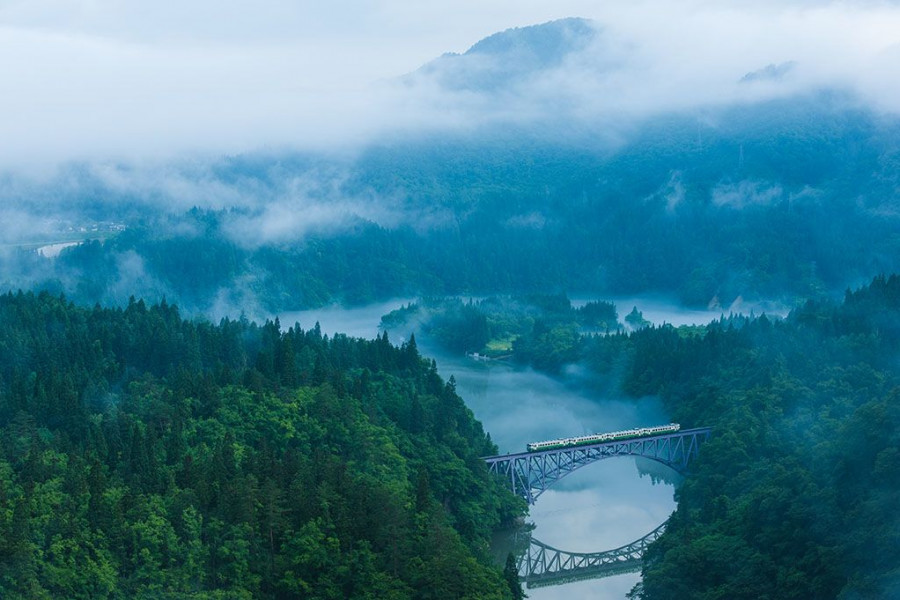
A panoramic view of the arch bridge stretches over the Tadami River. On clear winter days, the bridge is reflected in the river, surrounded by deep, glistening snow. Spring's fresh leaves, summer's lush greenery, autumn's red leaves... the view changes each season.

Venue Details

Venue Details
Websitehttps://tadami-line.jp/
Contact

Mishima Town Tourism Association

(+81) 241-48-5000

Best SeasonAll Year
ParkingParking available at the Michi-no-Eki Ozekaido Mishima-juku
Entrance FeeFree to visit
Access Details
AccessKawai, Mishima, Onuma District, Fukushima Prefecture 969-7515
View directions
Getting there

By Car: 20 min drive from the Aizu-bange I.C. exit off the Ban-etsu Expressway.

By Public Transport: 10 min walk from Michi-no-Eki Ozekaido Mishima-juku, which can be reached via bus or taxi from Aizu Miyashita Station.

Mapcode for Car GPS: 397 200 863*03

Useful Links

Guide to Visiting the Famous Tadami River Bridge Viewpoint

Tadami Line: 5 Sights You Shouldn't Miss

Michi-no-Eki Ozekaido Mishima-juku (Roadside Station)

5 Reasons to Visit Mishima Town

Related trips

    1. Nature

      Explore the Heights of Aizu

      It’s time to visit the dizzying heights of Aizu on this one-day tour that can be enjoyed any time of the year. Travel by train to Aizu-Wakamatsu Station and make your way for Michi-no-Eki Ozekaido Mishima-juku (Roadside Station). At this countryside road stop, you’ll find snacks, local handicrafts and produce galore, not to mention fantastic paulownia wood crafts. Be sure to pick some up. From Michi-no-Eki Ozekaido Mishima-juku (Roadside Station), take a short 10-minute walk to the lookout point for the Tadami Bridge. This is the number one place to look out at the bridge from and you’ll be entranced by the scenery - time your trip right and you might be able to see the Tadami Line train passing over it. The majestic mountains almost seem to hug the bridge and the landmark makes a beautiful contrast against a backdrop of nature. After you’ve finished bridge-watching, head south to ride a ferryboat across a jagged ravine at Mugenkyo no Watashi. The splendor of the natural craggy rocks and trees that cling to them will astound you from your seat at water level. Get a sense of size of these beautiful mountains and cliffs.

      Explore the Heights of Aizu
      1. Nature

        Ultimate Tadami Line Winter Tour

        This tour itinerary, combining bus and train travel on one ticket, allows visitors to explore the best spots along the famous Tadami Line, showcasing breathtaking winter views and rich local heritage. On this tour, you’ll visit the historic Enzoji Temple, home to the famous ‘akabeko’ legend, and visit a museum showcasing local folk art. You’ll also capture stunning photos from the viewpoint above the Tadami River Bridge and learn about the fascinating history of the river area, before taking a ride on the iconic Tadami Line train itself. A traditional meal made from local ingredients is included in the price. Tickets can be purchased on the Fukushima Travel website. Tour Details: Dates: Saturdays between January 18, 2025 - March 23, 2025 Price: ¥6,820 for adults (¥6,200 + 10% processing fee), ¥5,720 for children (¥5,200 + 10% processing fee) Includes: Bus ticket, Tadami Line train ticket from Aizu-Kawaguchi to Aizu-Yanaizu, lunch fee, Japanese guide Departure/Arrival: Aizu-Wakamatsu Station (guests at Higashiyama Onsen can disembark there)

        1. Nature

          Tadami Line Summer Tour

          Discover the stunning scenery of the historic Tadami Line on this exclusive, limited-time summer tour. Combining both bus and train travel, this journey gives you a chance to snap photos at the most iconic viewpoints and soak in the beauty of the region from the comfort of a train carriage. Highlights include visits to two of Oku-Aizu’s most breathtaking sights: the dramatic Tadami River Bridge No.1 and the dreamlike river valley of Mugenkyo, where you’ll glide through the landscape on a traditional wooden ferry boat. If ferry seats fill up, or you'd prefer something else, a relaxing soak in the hot spring at Hayato Onsen is offered instead. With the entire region blanketed in lush emerald green during summer, it's the perfect time for unforgettable views and photographs. The tour also includes a delicious lunch stop at the Yanaizu roadside station ‘Hotto’, where you’ll choose from local specialties like ramen, udon, or katsudon. There’s even a chance to taste or purchase traditional sake from a local shop. A guide will accompany you throughout the day (Japanese language only). Tickets can be purchased from the Fukushima Travel website. Please note the tour may be modified or canceled in the event of extreme weather or other unavoidable circumstances. Adult tickets (junior high school student and above): 7,450 yen (6,700 yen with a 750yen processing fee) Children (elementary school students or below): 5,120 yen (4,600 yen with a 520yen processing fee) Tour runs weekends and holidays from June 22 – August 31, 2025 Note: Some dates and activities may vary – please check details in advance.

Nearby

The World Glassware Hall
Nature & Scenery

Kannon-numa Forest Park

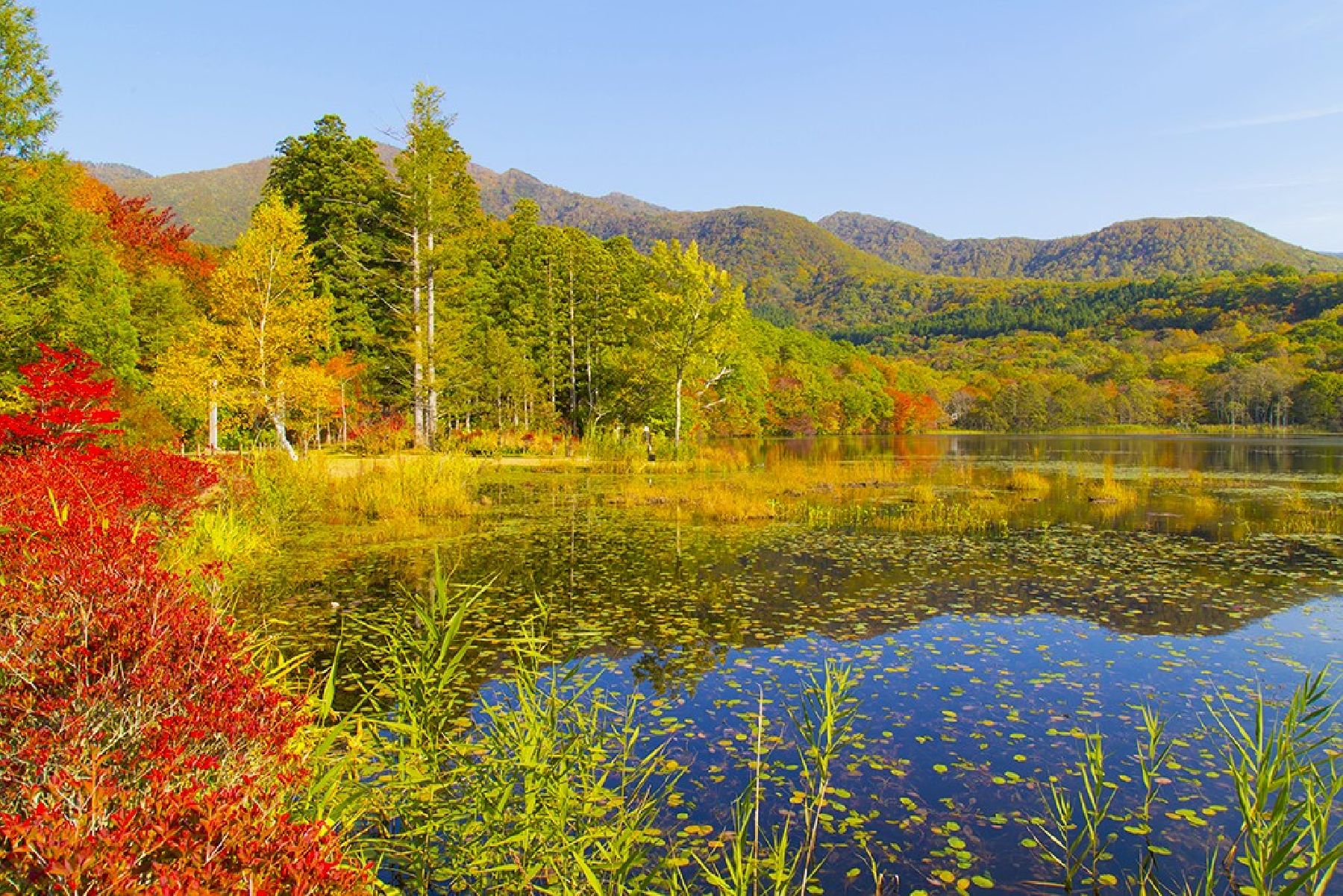
Kannon-numa Forest Park (観音沼森林公園) is a picturesque natural area in the Minamiaizu District of Southern Fukushima Prefecture.A wide variety of vegetation, flowers, and birds can be found at Kannon-numa Forest Park. There are nine walking trails, each offering unique sights. The main trail covers about 1.2 km and goes around the Kannon-numa swamp, which is one of the main highlights of the park. The park becomes transformed in each season, with cherry blossoms in spring and hydrangeas in the summer, and it is particularly popular with visitors during the autumn. The colorful trees reflected on the swamp’s waters make for a lovely sight, making it one of the main autumn attractions in the area. The best time to visit to see the autumn foliage is typically from late October to early November. There is also a shrine, Dake Kannondo, believed to have been built over 1,000 years ago.Located about 35 minutes from Ouchi-juku by car, this park is the perfect place to bask in the natural wonders of Shimogo Town. 

The World Glassware Hall
History & Culture

Mitsuya District Warehouses & Climbing Kiln

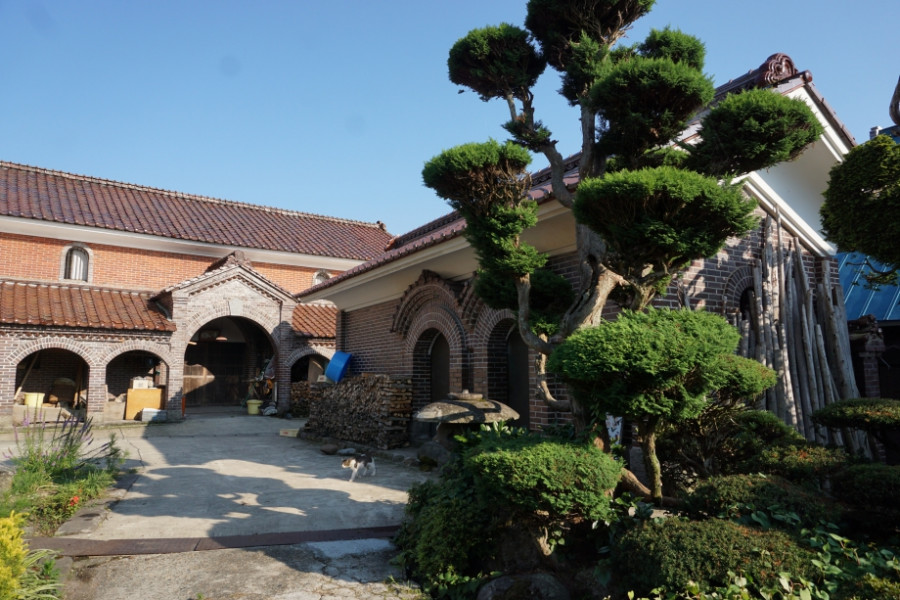
Be transported back to the elegant Taisho Period at Kitakata’s Mitsuya District. Kitakata is famous as being a town of charming red brick kura (Japanese warehouses). The rich texture and distinctive color of the warehouse bricks are an integral part of Kitakata’s townscape. In the year Meiji 23 (1890), the connecting kilns of Mitsuya District were opened. As well as roof tiles, bricks made here were also painted a deep red color, giving the area a unique atmosphere and classic scenery. The area was registered as an Industrial Modernization Heritage Site by the Ministry of Economy, Trade and Industry. The large red brick climbing kiln, located inside the Wakana Family's home, is truly a sight to behold. This district has even been written about on the Michelin Travel website.

The World Glassware Hall
Nature & Scenery

Inawashiro Herb Garden

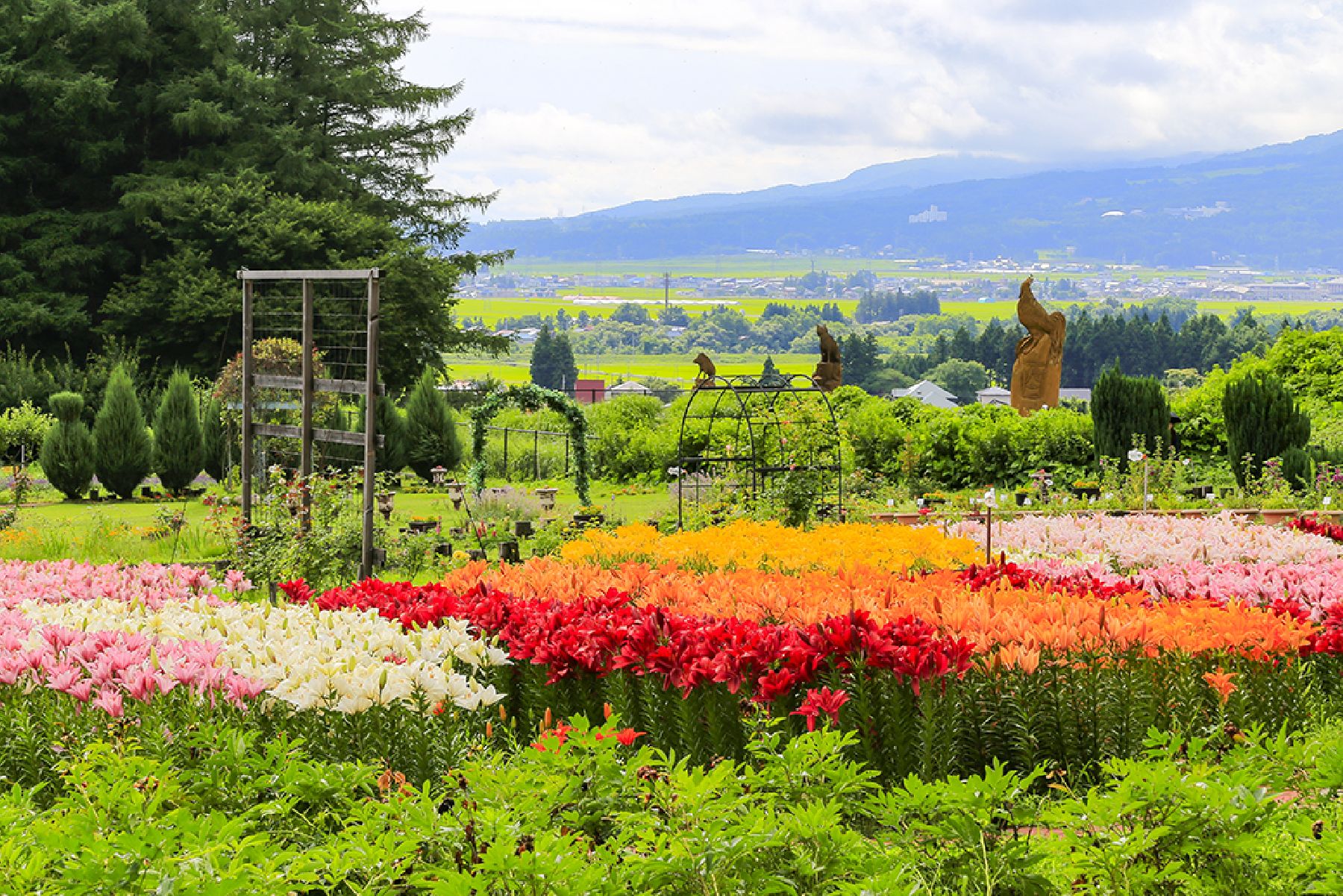
The breeze from the nearby Lake Inawashiro, seasonal flowers, and art displays of the Inawashiro Herb Garden await your visit!The outdoor garden area is around 100,000 square meters and is filled with various herbs, flowers, and plants that bloom at different times on the year, creating a unique visitor experience that changes with the seasons. The park has around 500 varieties or herbs, flowers, and plants including lavender, mint, chamomile, nanohana blossoms, poppies, sunflowers, cosmos, and kochia! There is an indoor greenhouse area, so, even on rainy days, visitors have plenty of greenery and flowers to see! In addition to the herbs, flowers, and plants you will also find seasonal decorations and original art displays that are created and updated for guests to enjoy.The outdoor garden area of the Inawashiro Herb Garden also features 5 m-tall wooden statues carved by a Canadian artist, Glen Greenside. The 12 statues, one for each zodiac sign, were carved over the course of twelve years as part of a now-discontinued annual chainsaw festival that took place at the garden.Inside, at the shop, visitors can find products and snacks that are made from various herbs and flowers.

You might also like

Mt. Bandai
Nature & Scenery

Mt. Bandai

Originally known as Iwahashi-yama, literally a rock ladder to the sky, the renamed Mt. Bandai is no less impressive. Often referred to as 'Aizu's Mt. Fuji', Mt. Bandai is one of the 100 most famous mountains in Japan, and has even been selected as one of the top 100 geographic landmarks in Japan. In 2011, the mountain was certified as a geopark, which is a unified area with geological heritage and international significance, as defined by UNESCO. There are seven climbing routes for Mt. Bandai, with the trail starting at the Happodai trailhead being the most popular, and easiest route. From the Happodai trailhead, the 3.5 km route takes around 2 hours to reach the summit.The various routes range from 2 to 4 hours and from 3 to 7 km. At Koubou Shimizu, one of the mountain stops, there are two shops where trekkers can buy drinks, snacks, and souvenirs, but please note that there is no accommodation available. For many Buddhist mountain fanatics, Mt. Bandai holds a place of great significance. Enichi-ji Temple, located on the southwestern foot of Mt. Bandai, is a popular temple to visit nearby. The mountains situated around the temple make for a serene vista where one can feel the power of nature. Enichi-ji Temple was founded one year after Mt. Bandai erupted, in 807 C.E.; in the past, some superstitious people believed there was a connection between the eruption and the temple’s founding... Interestingly, Mt. Bandai used to be shaped more like the famous Mt. Fuji, but after a volcanic eruption in 1888, the shape changed to what we see today. It is thanks to that eruption that the mountain gained its rugged, sharp look and the Urabandai area behind Mt. Bandai was created. For non-hikers, the Bandaisan Gold Line is a popular sightseeing road that leads up the southwestern side and offers brilliant vistas of the foliage, especially in autumn when the colors change.
Kagamizakura
Nature & Scenery

Kagamizakura

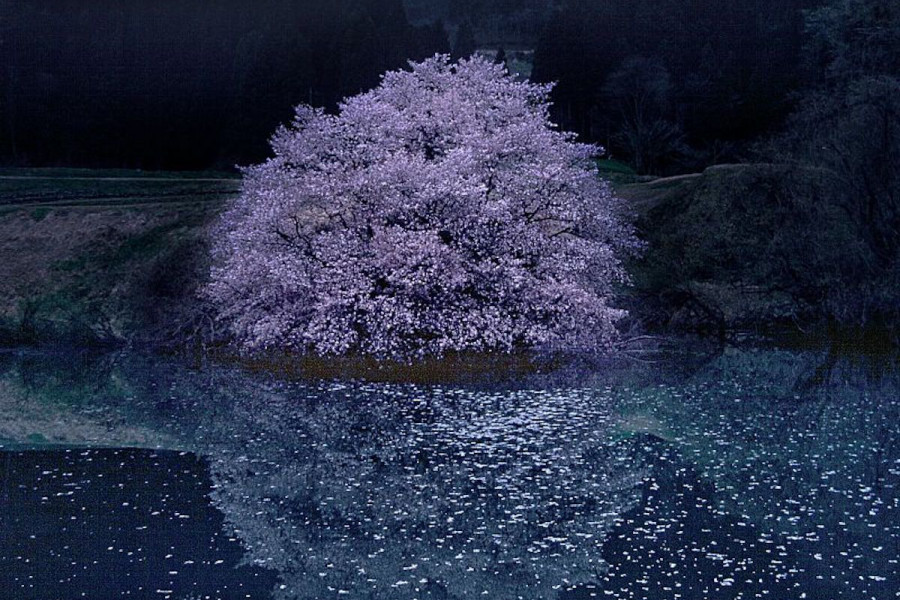
Kagamizakura is a huge Sargent's cherry located in the Numanotaira area, Yamato-machi, Kitakata City. Numanotaira is also known as the home of one million Fukujusō (vibrant yellow flowers). Rich with nature, the area contains many wildflowers and wild mountain vegetables. The single Sargent’s cherry is located on the edge of a pond called “Kagami Ike” (lit. Mirror Pond). The age of the tree is unknown but it is estimated to be over 100 years old. The trunk consists of dozens of roots growing from the foot of the tree. The tree's branches spread out widely, making it look as if the tree is leaning over toward the pond. When the flowers of the cherry tree blossom, the scenery with the reflection on the surface of the pond is exceptionally beautiful. The dark pink flowers typical of Sargent’s cherry are simply gorgeous.

Top